- 12 June, 2026

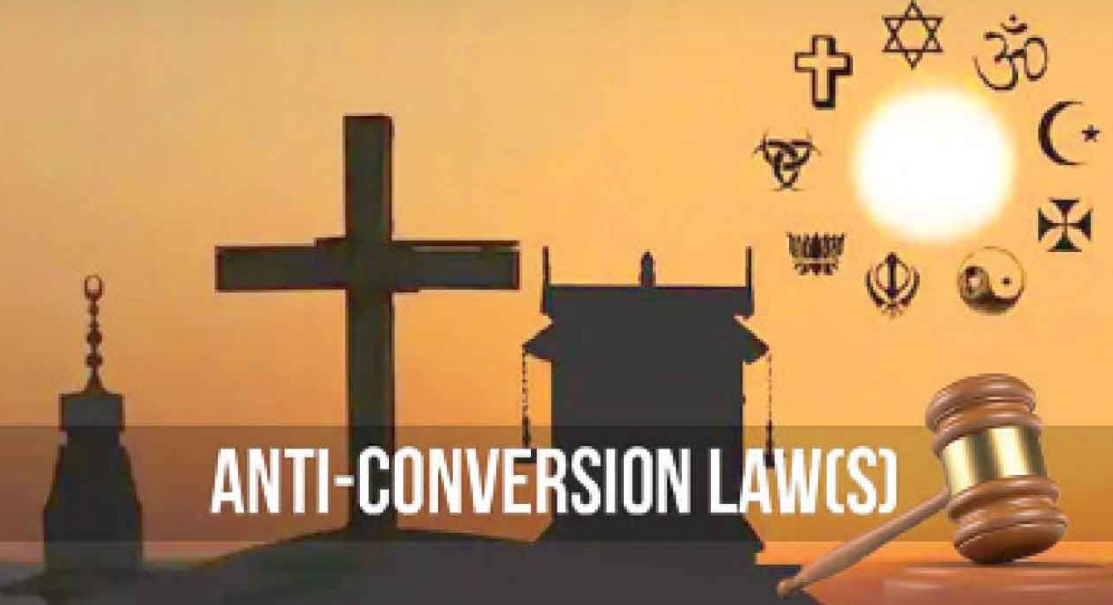
New Delhi, June 11, 2026: The debate surrounding religious conversion and tribal rights has once again moved to the centre of India's political and social discourse, with the Union Government indicating that it may adopt stronger measures to curb what it describes as illegal religious conversions, particularly in tribal regions.

A Fresh National Debate Takes Shape
Senior officials have reportedly characterised the issue as one of "grave national concern", signalling that the government is examining a range of constitutional and legal options to address alleged cases of conversion through coercion, fraud or inducement. At the same time, discussions have intensified over a long-standing demand to review whether tribal individuals who convert to other faiths should continue receiving Scheduled Tribe (ST) benefits.
The developments have sparked renewed debate over the balance between religious freedom, constitutional rights, tribal identity and social welfare protections.


Why the Issue Has Returned to the Spotlight
The latest discussions come amid growing pressure from several tribal organisations and ideological groups, including the RSS-backed Vanvasi Kalyan Ashram, which has argued that welfare benefits intended for Scheduled Tribes should primarily support communities that continue to preserve their traditional cultural and religious practices.
Supporters of stricter measures contend that organised conversion campaigns can alter indigenous identities and weaken traditional tribal customs that have existed for generations. They argue that government safeguards created to uplift historically disadvantaged communities should not become vulnerable to external influences seeking religious conversions.
Government sources have reiterated that India's Constitution protects freedom of religion but does not permit conversions obtained through force, fraud, misrepresentation or material inducements. According to officials, any such practices remain unlawful under existing legislation and require stronger enforcement.
The Push for Delisting Converted Tribals
A major aspect of the current debate centres on the proposal to delist converted tribals from receiving Scheduled Tribe benefits.
The demand has been raised for years by organisations that believe individuals who adopt Christianity, Islam or other faiths move away from the traditional socio-cultural identity upon which tribal welfare protections were originally established.
Momentum behind the issue increased following a large gathering organised by the Janjati Suraksha Manch in New Delhi. The event brought together representatives from hundreds of tribal communities across India and highlighted demands for stronger anti-conversion measures and a review of welfare eligibility criteria.
Subsequently, representatives submitted memorandums to both President Droupadi Murmu and Prime Minister Narendra Modi, urging the government to take action.
While officials have confirmed that the matter is being examined at various levels, no final policy decision has yet been announced.
Legislative Developments in the States
The national discussion has also been influenced by recent legislative changes at the state level.
Earlier this year, Chhattisgarh strengthened its anti-conversion framework through revised legislation, reigniting debate across the country about how states should regulate religious conversions.
Supporters of such laws argue that they are necessary to protect vulnerable communities from exploitation and unlawful conversion practices. Critics, however, have expressed concerns that overly broad legislation could affect genuine religious choice and create challenges for minority communities exercising their constitutional rights.
The differing perspectives highlight the complexity of an issue that touches upon faith, identity, law and social justice.
Balancing Religious Freedom and Tribal Protection
At the heart of the debate lies a fundamental constitutional question: how can India simultaneously protect freedom of conscience while ensuring vulnerable communities are safeguarded from coercion?
The Constitution guarantees every citizen the right to profess, practise and propagate religion. At the same time, governments possess a legitimate responsibility to prevent unlawful activities carried out under the guise of religious freedom.
Finding the appropriate balance between these principles remains one of the most challenging aspects of the current discussion.
The Road Ahead
As the Centre examines possible policy responses, the conversation is likely to remain a significant national issue in the months ahead. Any future action will require careful legal scrutiny, broad consultation and sensitivity towards the diverse realities of India's tribal communities.
Whether the outcome involves stronger enforcement of existing laws, new legislative measures, or a review of welfare eligibility criteria, the debate underscores the continuing importance of protecting both constitutional freedoms and the rights of indigenous communities.
The decisions taken in the coming months could have far-reaching implications for religious liberty, tribal welfare and social harmony across India, making this one of the most closely watched policy discussions in the country today.
Courtesy Madhuparna Das (News18)
© 2026 CATHOLIC CONNECT POWERED BY ATCONLINE LLP