- 26 June, 2026

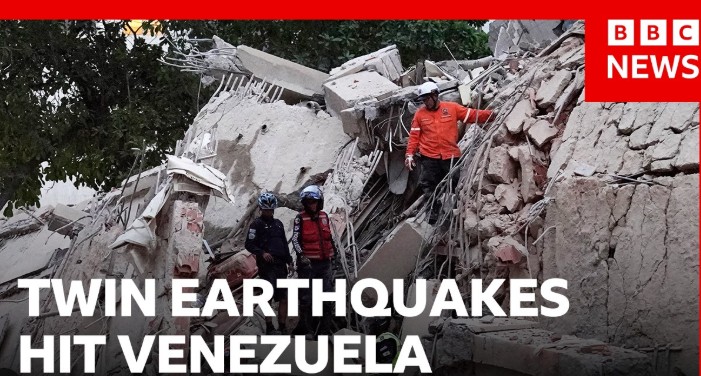
Caracas, June 25, 2026: A series of powerful earthquakes struck northern Venezuela, causing widespread structural damage and triggering a large-scale emergency response. The earthquake sequence, including major tremors measuring 7.2 and 7.5 magnitude, affected communities along the country’s northern coast and was felt across a wide area, including Caracas.


Authorities reported a rising number of casualties as rescue teams continued searching damaged buildings and assessing affected areas. The latest reports from the disaster response indicated 188 deaths and more than 1,500 injuries, although officials warned that figures could change as rescue operations continued.
The earthquake represents one of the most significant seismic events in Venezuela in recent decades. Its impact was shaped not only by the strength of the tremors but also by factors including building conditions, population concentration, and the ability of emergency services to respond quickly.
Following the earthquakes, emergency teams moved into affected areas to search damaged buildings, provide medical assistance, and evaluate structural risks. Rescue operations focused on locating survivors, treating injured residents, and preventing further harm from unstable structures.


Hospitals and emergency services faced increased pressure as they responded to large numbers of people requiring medical attention. Authorities also advised residents to avoid damaged buildings because aftershocks could cause additional collapses.
The early response period is critical after a major earthquake. Rescue teams must balance the need to reach people quickly with the safety risks created by unstable buildings, damaged roads, and continuing seismic activity.
The earthquake affected several areas in northern Venezuela, with coastal regions and communities near the epicentre experiencing significant damage. Reports indicated that some buildings collapsed while others suffered structural failures that required inspection before residents could safely return.
Caracas and surrounding areas also experienced the effects of the earthquake, with reports of damaged buildings and infrastructure problems. The concentration of people and buildings in urban areas increased the challenges faced by emergency workers.
Damage assessments continued as officials inspected roads, public facilities, homes, and other essential structures. The full economic impact will become clearer as authorities complete surveys of affected areas.
The effects of a major earthquake continue long after the initial shaking stops. Aftershocks can create additional hazards, while displaced residents may require temporary housing, medical support, and access to essential services.
Recovery efforts involve more than repairing damaged buildings. Authorities must also restore infrastructure, support affected communities, and determine which structures can be repaired and which require replacement.
The scale of recovery depends on the availability of resources, coordination between government agencies, and assistance from humanitarian organisations.
The earthquake is expected to influence discussions about disaster preparedness and infrastructure safety in Venezuela. Reconstruction efforts provide an opportunity to improve building standards and strengthen emergency planning.
Future risk reduction measures could include stricter enforcement of construction codes, improved earthquake monitoring systems, and expanded public awareness programmes.
While earthquakes cannot be prevented, better preparation can reduce their impact. Countries located in earthquake-prone regions often use lessons from past disasters to improve resilience and protect communities.
The Venezuela earthquake demonstrates how natural events become major disasters when powerful forces interact with vulnerable infrastructure and densely populated areas.
The immediate focus remains rescue operations, medical assistance, and damage assessment. However, the longer-term response will depend on rebuilding efforts and the ability to address weaknesses exposed by the disaster.
The event provides a reminder that earthquake preparedness is not only about responding after a disaster occurs but also about reducing risks before future earthquakes happen.
Courtesy BBC News
Picture Courtesy : BBC News

© 2026 CATHOLIC CONNECT POWERED BY ATCONLINE LLP