- 22 October, 2026

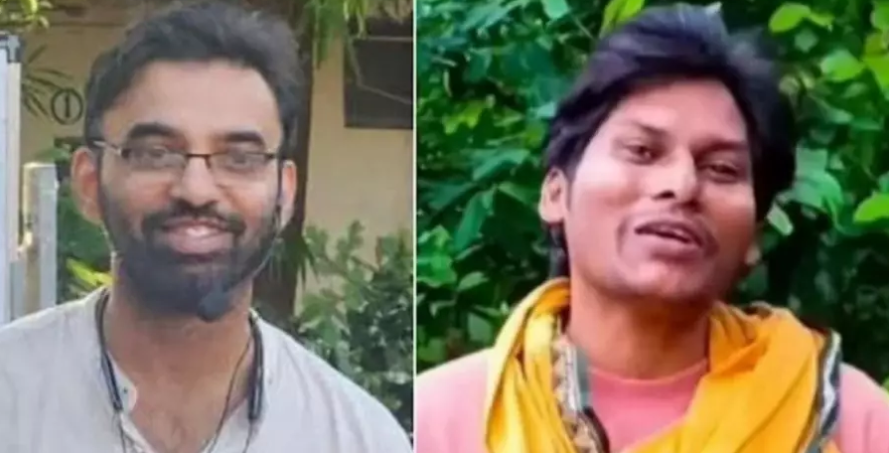
KALAHANDI, October 20, 2026: The arrest of Dr. Randall Sequeira, a physician known for his work among Adivasi communities in Odisha, has sparked concern among civil society groups and health professionals, bringing renewed attention to tensions surrounding tribal rights, mining projects and protest in the state.



Sequeira and Dalit rights activist Laxman Naik were arrested on October 16 from Sequeira’s residence in Bhawanipatna, Kalahandi district, in connection with an April clash between villagers and police in Kantamal village in neighbouring Rayagada district.
Police have charged the two with offences including attempted murder and rioting, as well as offences under the Arms Act. They allege that Sequeira helped mobilise villagers against the state government and instigated an attack on security personnel. The allegations remain to be established in court.
The arrests have drawn criticism from the Concerned Citizens Committee, the Right to Food Campaign and the Medico Friend Circle. These groups have expressed concern that the action could discourage those working with Adivasi and Dalit communities to protect their land, forests and livelihoods. Police deny that the arrests are intended to suppress the anti-mining movement, maintaining that they followed an investigation into the April incident.
A doctor working beyond the clinic
Sequeira has spent years working among Adivasi communities in Kalahandi and Rayagada, where access to healthcare is often shaped by poverty, geographical isolation and inadequate services. He has been associated with community health initiatives, including DApRA and Swasthya Swaraj, and has engaged with networks working to improve public health.
His approach to healthcare extends beyond treating illness. Access to nutritious food and clean water, environmental conditions and the security of livelihoods are closely linked to community well-being. His engagement with these issues has also brought him into debates over mining and the rights of indigenous communities.
Mining and tribal rights at the centre
The arrests come amid opposition from sections of Adivasi communities to proposed bauxite mining in the Sijimali hills and surrounding areas of southern Odisha. Residents and activists have raised concerns about the potential impact on forests, water sources, agriculture and traditional livelihoods.
The April confrontation in Kantamal involved villagers and police, who used batons and tear gas to disperse the gathering. Activist groups have questioned the police action and subsequent arrests.
The Concerned Citizens Committee and the Right to Food Campaign have expressed concern that the case could place pressure on people opposing mining projects. Police maintain that the case concerns alleged criminal conduct during the confrontation.
Earlier court intervention
In July 2025, the Orissa High Court quashed an administrative order barring Sequeira from entering Rayagada district ahead of a planned protest against mining at Sijimali. The court found the restriction unjustified and disproportionate, emphasising the need to balance public-order concerns with constitutional rights. The ruling did not exempt Sequeira from criminal proceedings.
Sequeira’s current case remains before the legal process, with the allegations yet to be established in court. His arrest has intensified debate over the treatment of those opposing mining and the rights of Adivasi communities seeking to protect their land and livelihoods.
By Catholic Connect Reporter



© 2026 CATHOLIC CONNECT POWERED BY ATCONLINE LLP