- 22 October, 2026
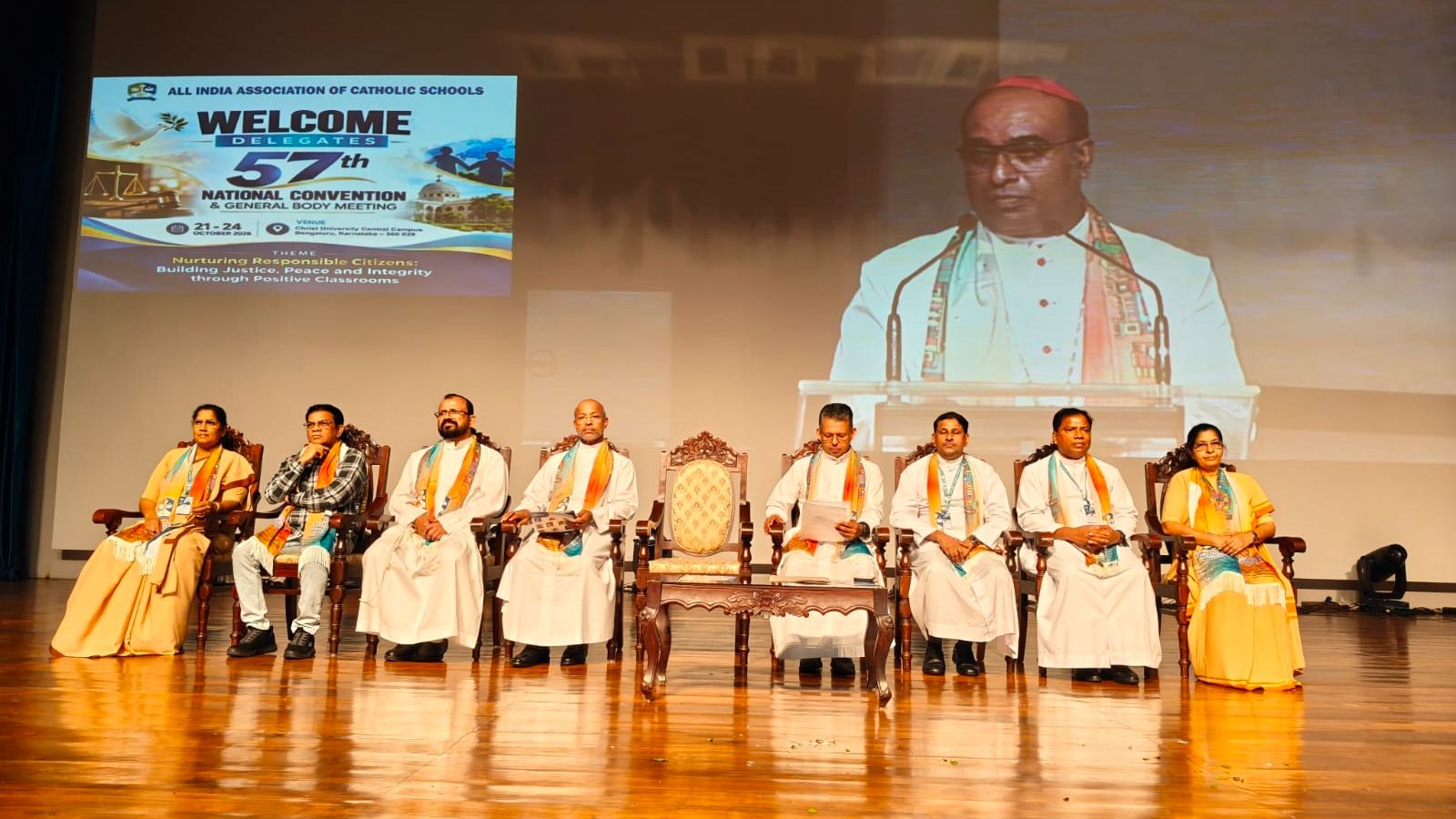
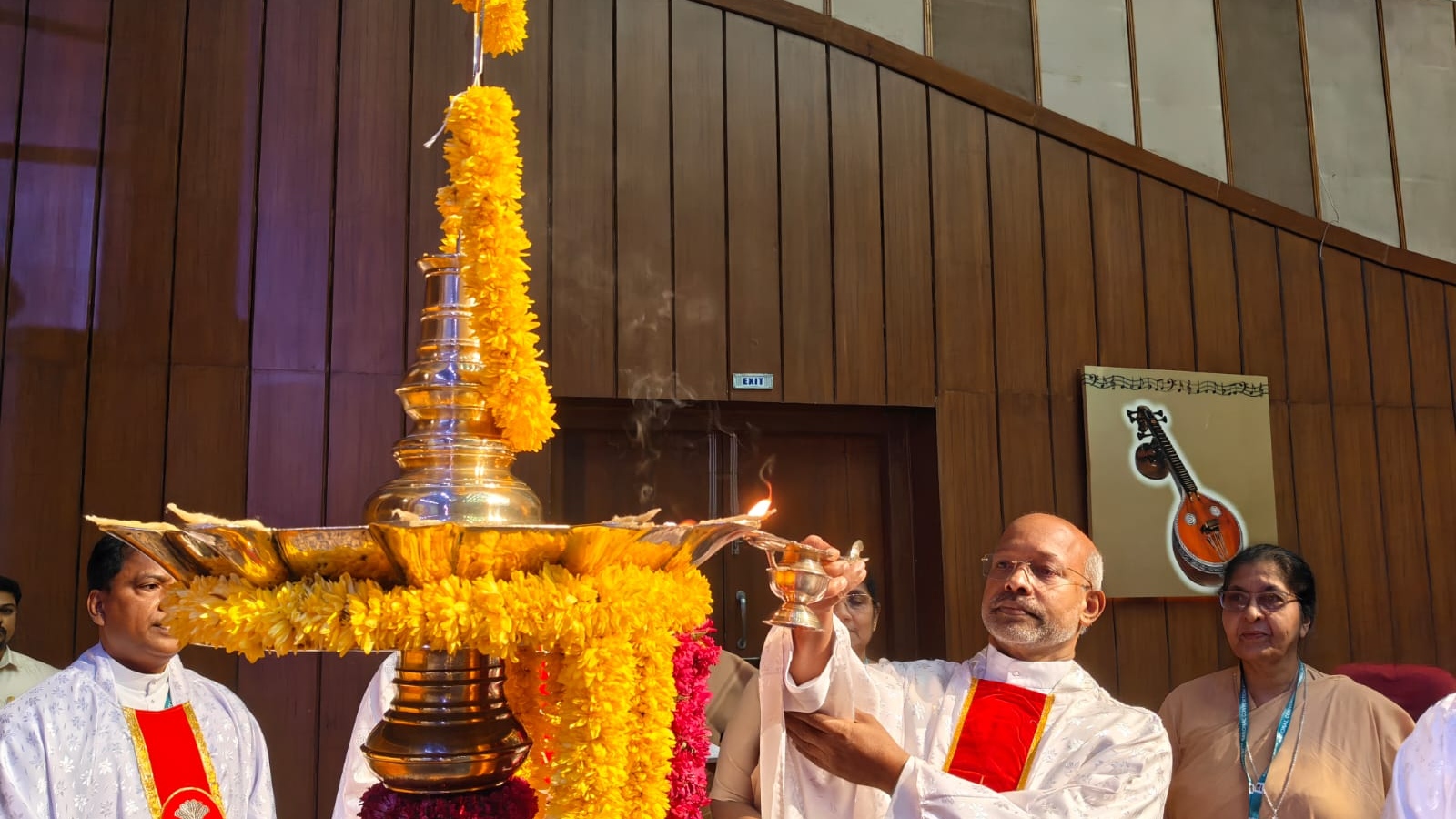
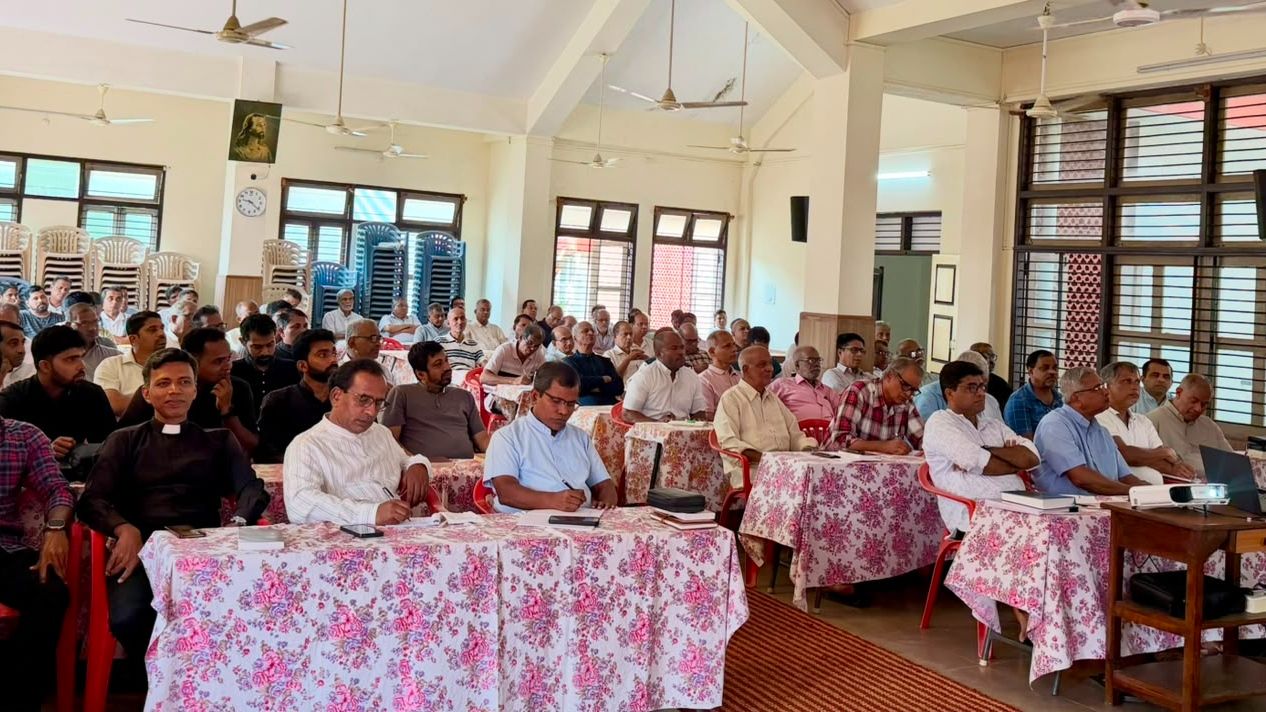
BENGALURU, October 22, 2026: Catholic educators must go beyond academic instruction to nurture responsible citizens who stand for truth, practise justice and respect human dignity, speakers said at the opening of the 57th National Convention of the All India Association of Catholic Schools (AINACS) at Christ University, Bengaluru, on Thursday.


The three-day convention, attended by around 1,000 delegates, focuses on the theme, “Nurturing Responsible Citizens: Building Peace, Justice, and Integrity through Positive Classrooms.”
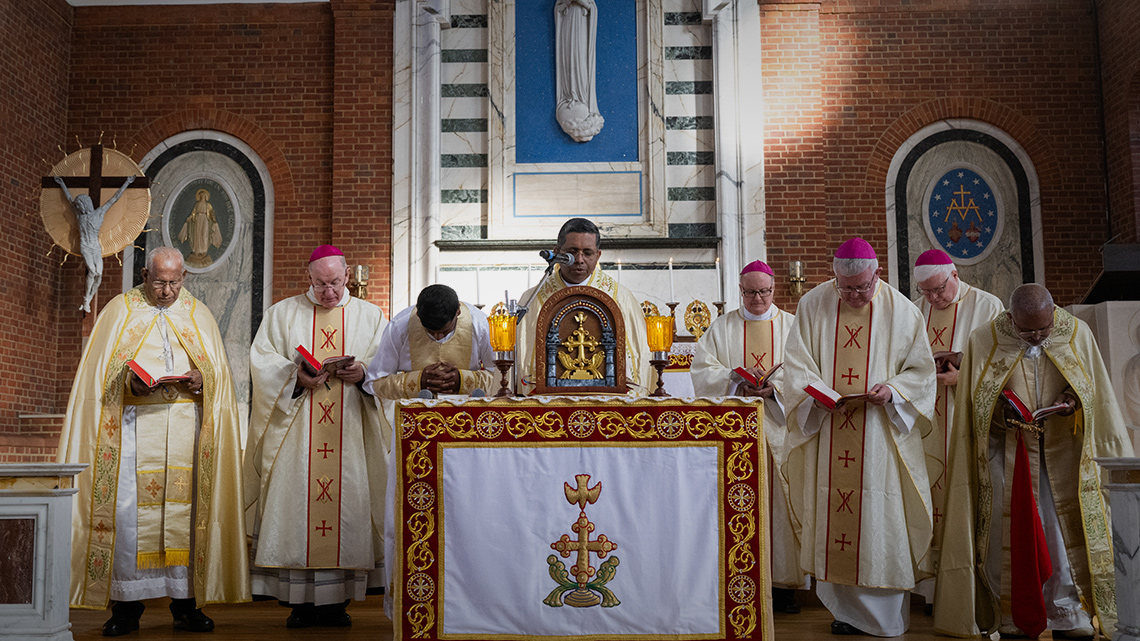
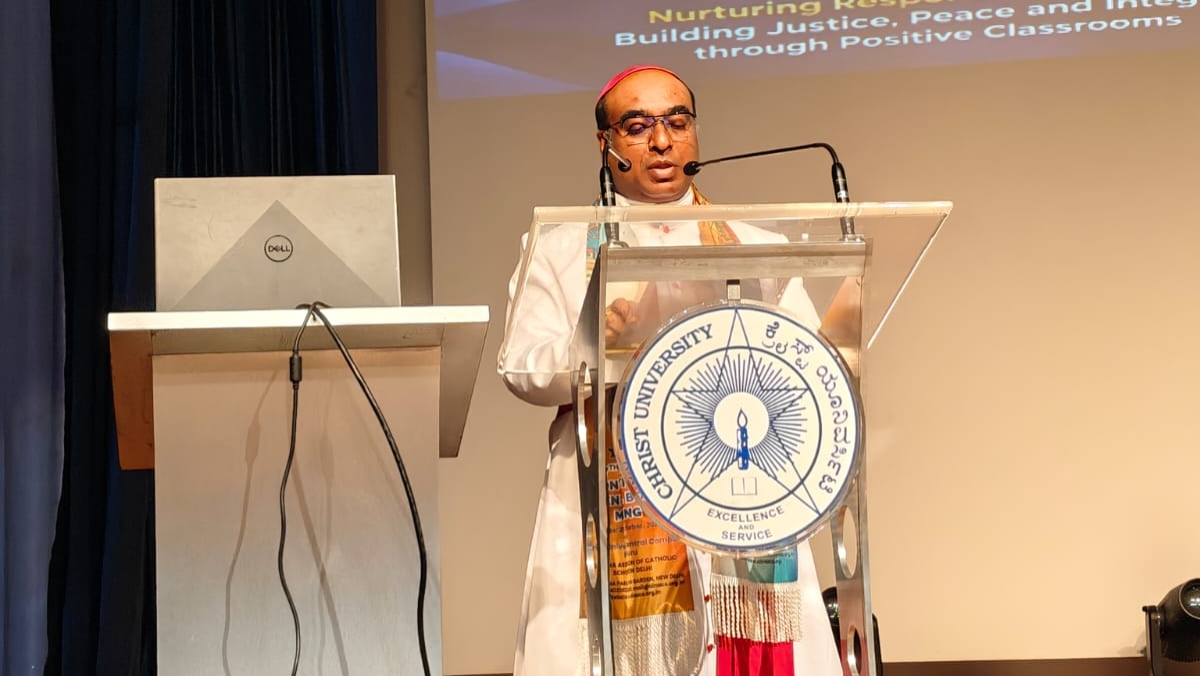
Bishop Arokia Raj Satish Kumar, auxiliary bishop of Bengaluru, presided over the inaugural Eucharistic celebration and urged educators to recognise the spiritual and moral responsibilities entrusted to them.
“Educators are having a great ministry, and the young are entrusted to our care,” he said in his homily, calling on teachers to examine their personal growth and commitment to their vocation.
“Change yourself before you change the world,” the bishop said, urging educators to stand for truth rather than cheap popularity and to work for justice even when it involves suffering. He also called on them to love others, including those who oppose them.
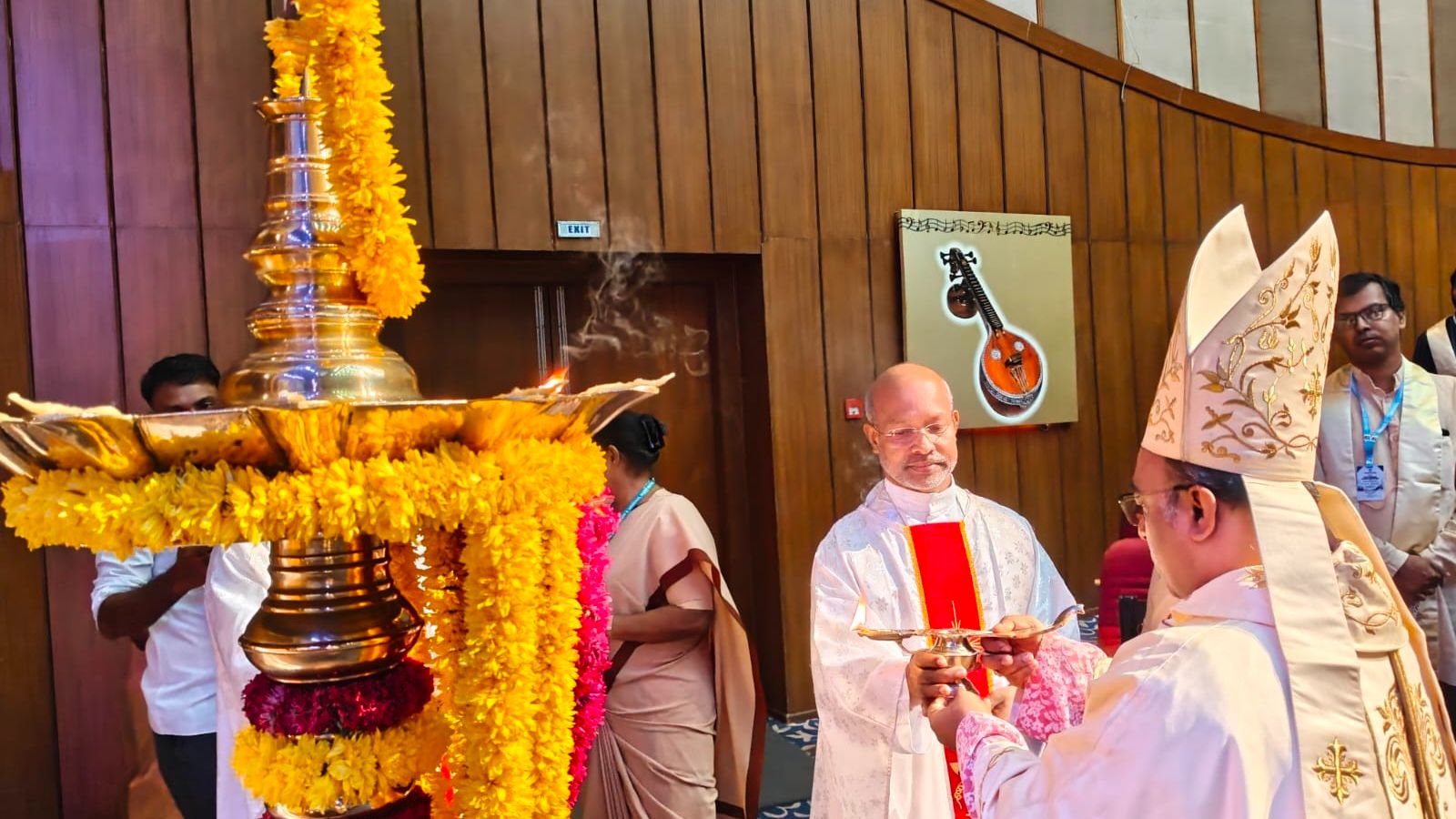
The convention began with the lighting of the ceremonial lamp, followed by the inaugural session.
Justice and integrity must begin in the classroom
Welcoming the delegates, Fr Shinoj Kizhakkemuriyil TOR, AINACS president, said Catholic educational institutions had once been trendsetters in the country but needed to renew their commitment rather than rest on the achievements of earlier generations.
He called on educators to become instruments of peace on their campuses and to create school environments that reflect the values they seek to impart to students.
In his inaugural address, Bishop Kumar stressed that every child must feel valued and respected.
“Justice begins in the classroom,” he said, urging teachers to help children build bridges rather than walls and to become role models through their own conduct.
“Let us change one life at a time,” he said, calling for fairness in classrooms and honesty as a way of life in schools.
Catholic education must confront social inequality
Fr Saju Chackalackal, chancellor of Christ University, linked the convention's theme to the United Nations Sustainable Development Goals, particularly Goal 4 on quality education and Goal 16 on peace, justice and strong institutions. He said the emphasis on partnership in the global goals was also essential to nurturing responsible citizens.
He questioned whether India's education system was providing equitable opportunities to all, pointing to caste-based discrimination and the barriers faced by disadvantaged communities.
The sharpest test of Catholic education, he suggested, was whether it helped transform society rather than merely prepare students for personal success.
Fr Chackalackal also challenged schools to examine how they respond to students who question established practices and engage with social issues.
“If we kill critical thinking in our institutions, our institutions will not be nurturing responsible citizens,” he said, urging educators to create space for dialogue and questioning.
He questioned whether schools genuinely encouraged participation and discussion, observing that even parent-teacher associations could become merely decorative if they did not facilitate meaningful engagement.
Catholic schools called to renew their mission
Fr Jose C. C., vice-chancellor of Christ University, outlined why Catholic educational institutions continue to have an important role in India, tracing their history from the 16th-century missionary presence in Goa to the educational contributions of St Kuriakose Elias Chavara in the 19th century.
He identified four reasons for the continuing relevance of Catholic education: the unmet need for education, India's religious and cultural plurality, the formation of character in the age of artificial intelligence, and the constitutional protection and public trust associated with minority educational institutions.
Although India has around 24 crore school students and one crore teachers, he said, participation declines at higher levels of education, with particularly sharp drops among Scheduled Caste students. Catholic schools, which educate more than 80 lakh students, have a responsibility to help address these gaps.
He also highlighted the importance of Catholic schools in a plural society, referring to Church guidelines that encourage respect for all faiths, familiarity with the Constitution's Preamble and sensitivity to the religious traditions of others, without imposing Christian practices.
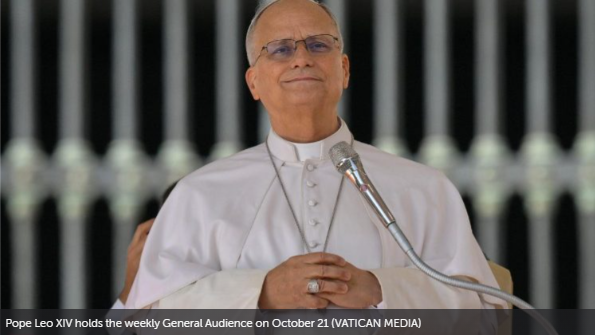
On education in the age of artificial intelligence, Fr Jose referred to Pope Leo XIV's emphasis on human dignity, justice and service of the common good as measures of educational purpose.
“A machine can answer a question. It cannot teach honesty, good judgement or responsibility,” he said, underscoring the need for schools to prioritise character formation alongside academic achievement.
He also highlighted Article 30 of the Constitution, which protects the rights of religious and linguistic minorities to establish and administer educational institutions.
Warning against losing the mission
Fr Jose cautioned that rising costs and regulatory pressures could push Catholic schools towards urban, fee-paying populations at the expense of their wider educational mission.
Such a shift, he warned, could leave institutions retaining their identity in name while losing sight of their original purpose.
He called on Catholic schools to orient students towards higher education and equip them for a better quality of life, including improved employment prospects, job satisfaction, health and well-being.
He concluded by outlining four commitments for Catholic educational institutions: clarity of purpose, investment in teachers, resilience in the face of challenges, and the ability to turn every challenge into an opportunity.
The opening session placed the responsibility of Catholic schools beyond examination results and institutional growth, challenging educators to form young people capable of critical thinking, ethical decision-making and contributing to a more just and peaceful society.
By Catholic Connect Reporter
© 2026 CATHOLIC CONNECT POWERED BY ATCONLINE LLP