- 22 October, 2026
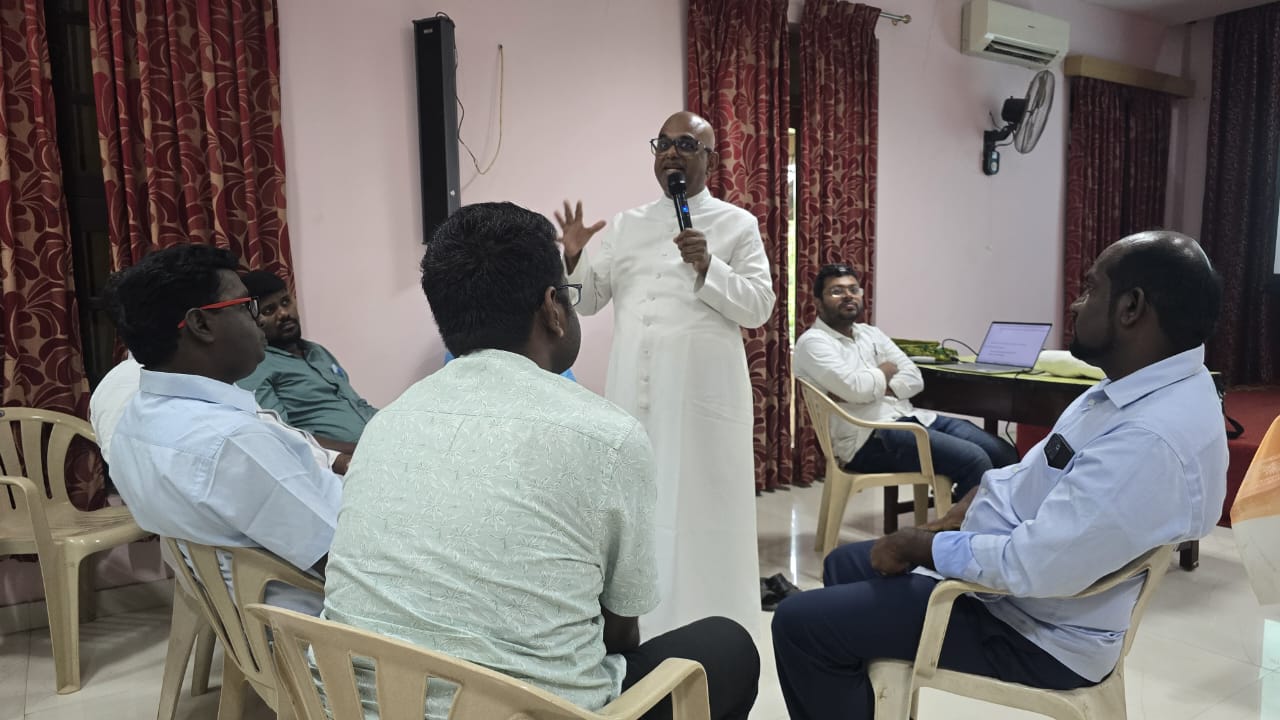
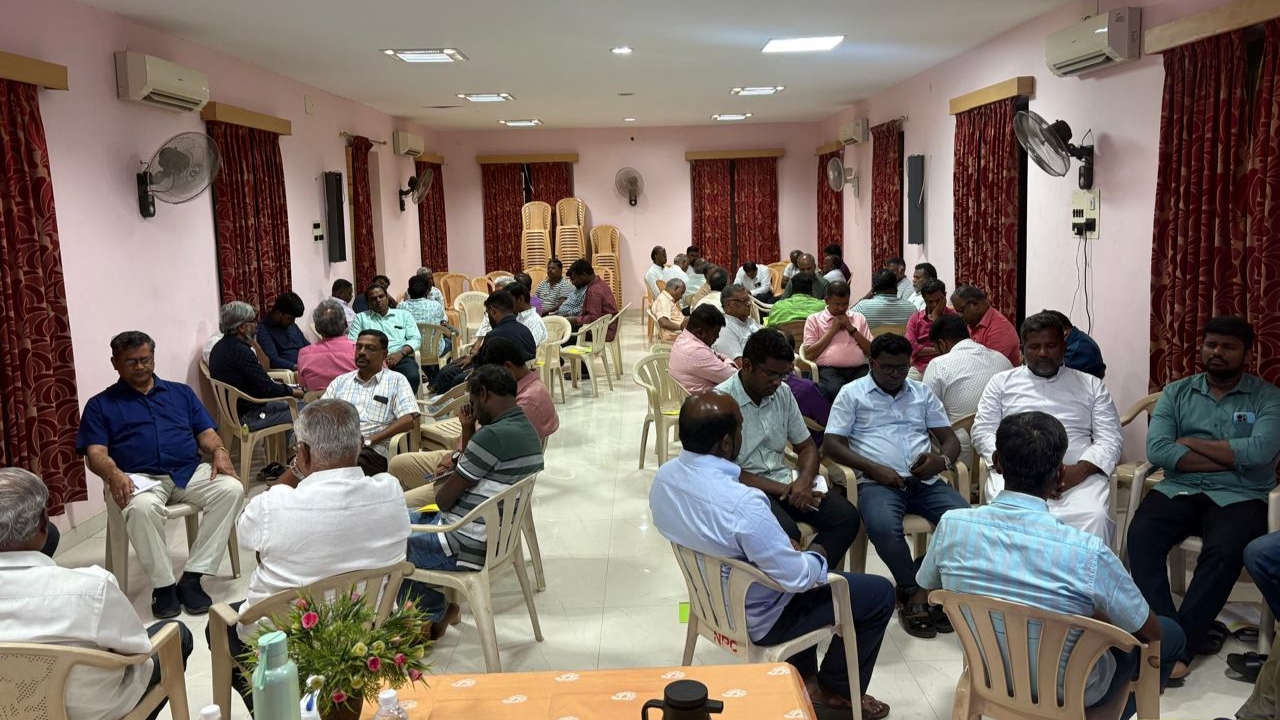
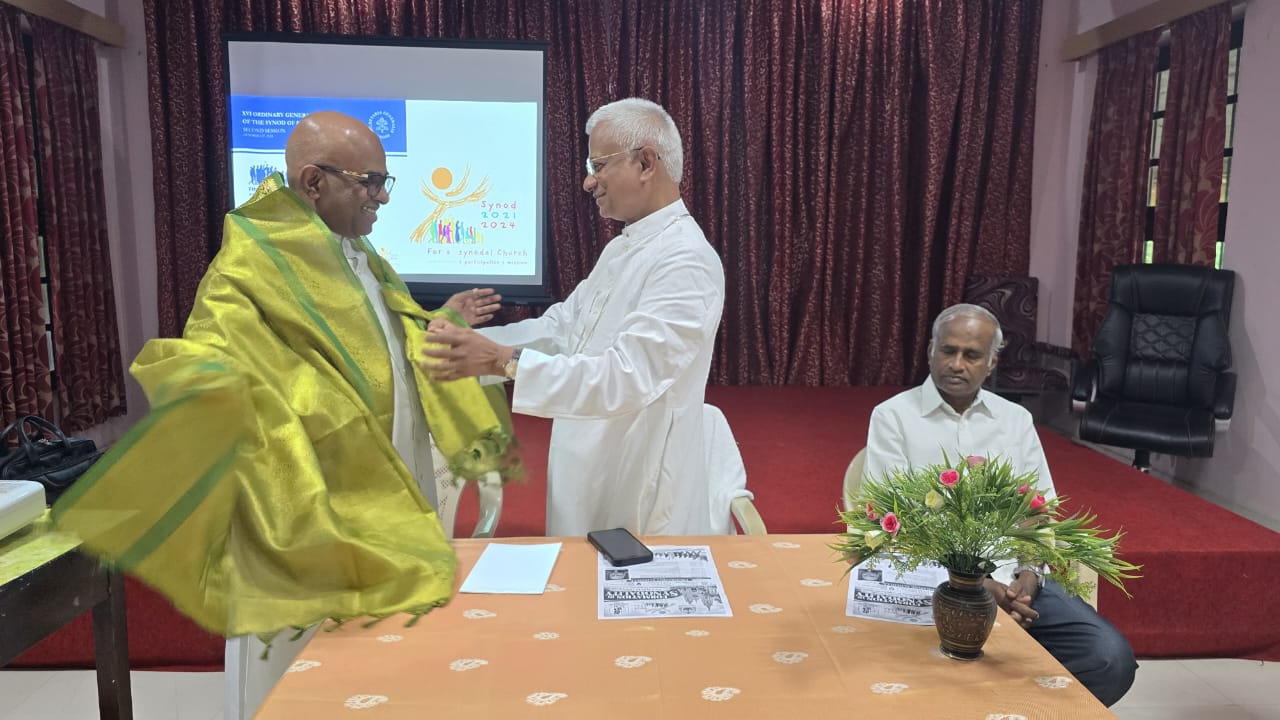
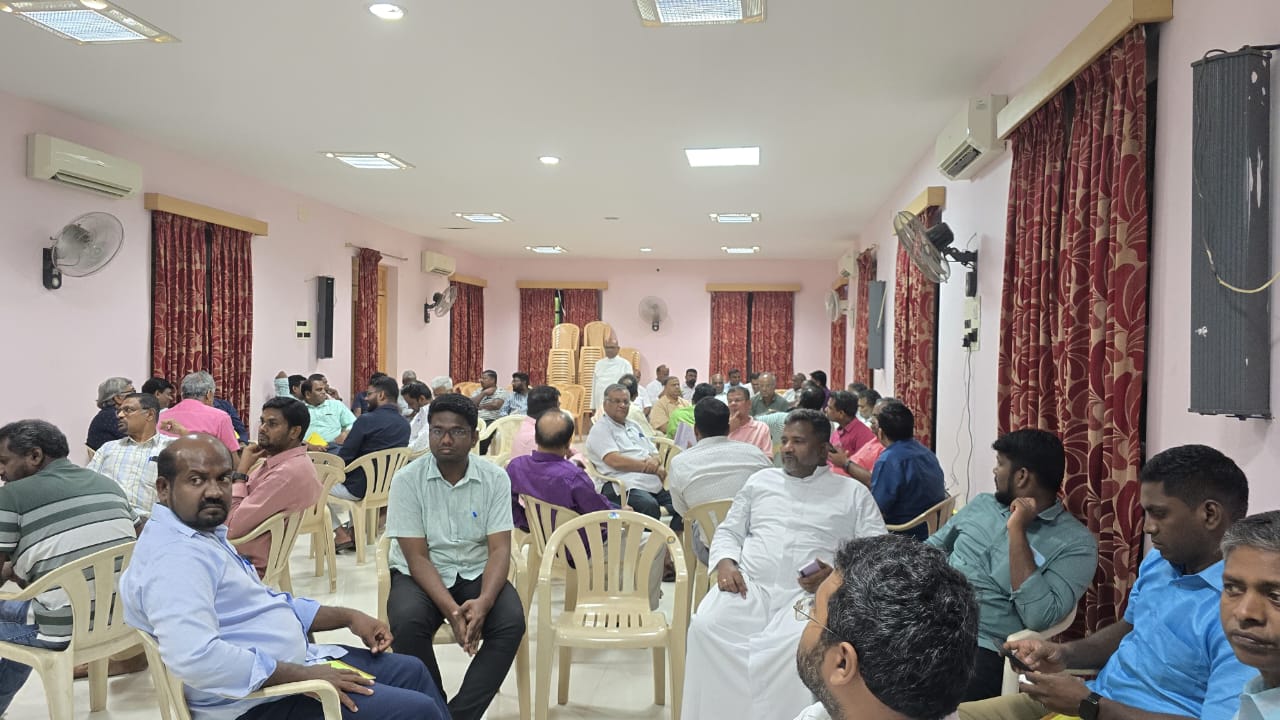
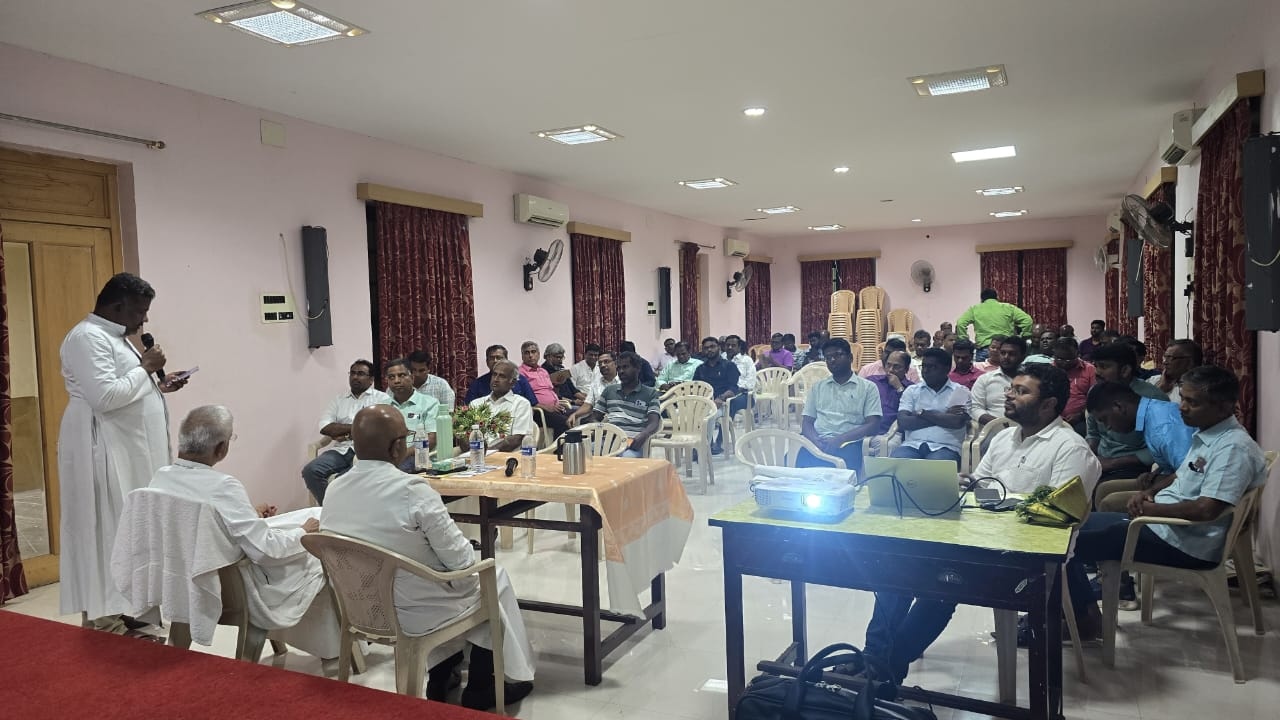
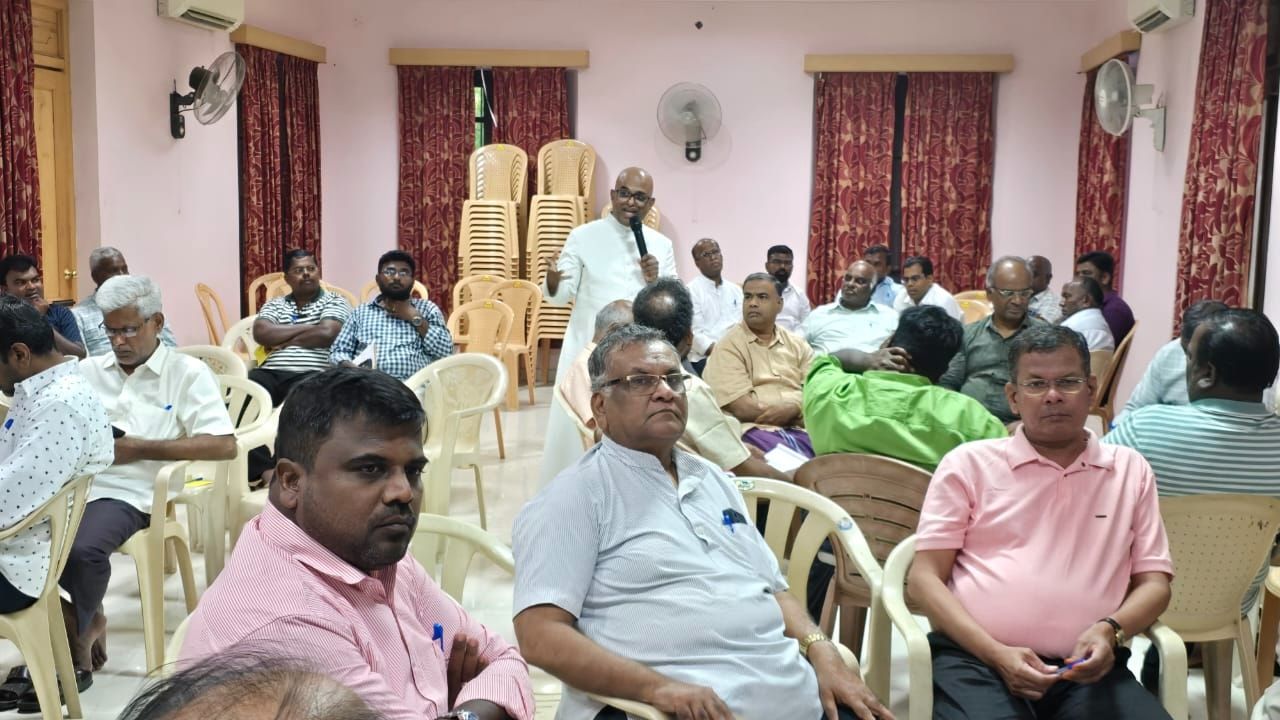
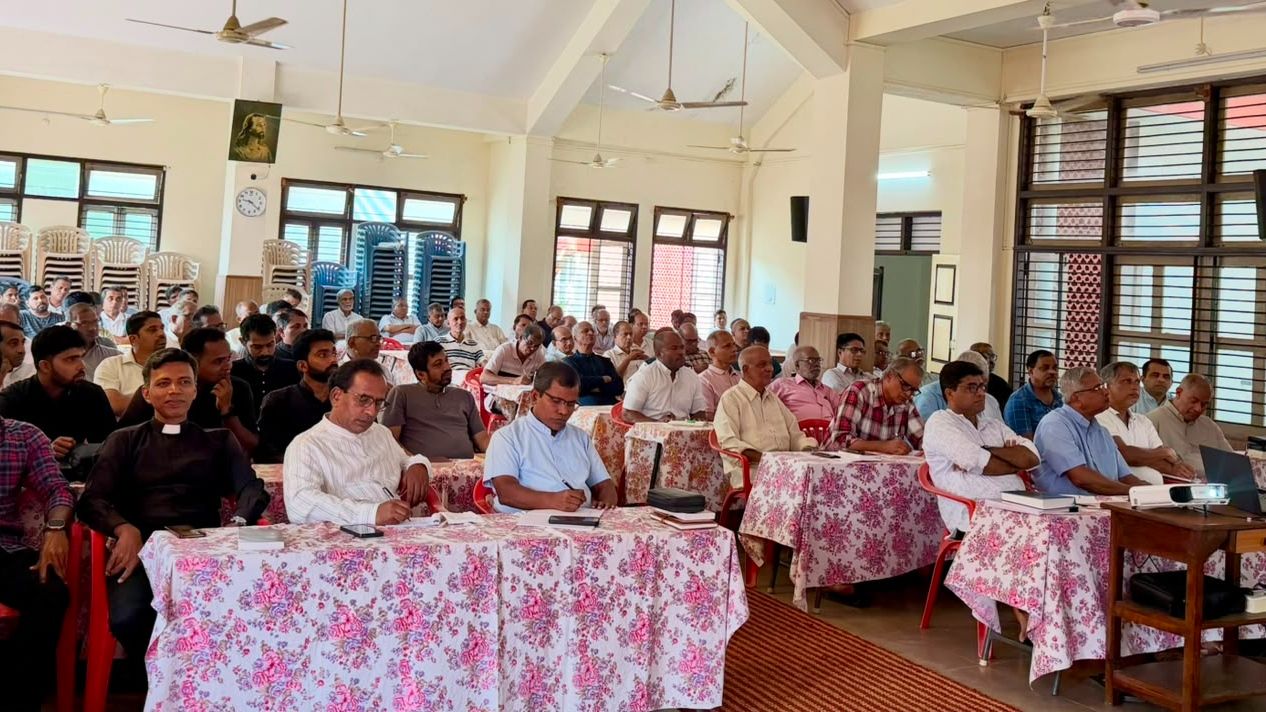
MADURAI, October 22, 2026: More than 90 priests of the Archdiocese of Madurai participated in a formation programme on synodality, exploring practical ways to strengthen shared discernment, accountability and the participation of the faithful in parish life.


Held on October 21 under the theme “Formation in Synodality: Communion, Participation and Mission”, the programme focused on translating the Church’s synodal vision into concrete pastoral practices, with particular attention to listening, collective discernment and shared responsibility.
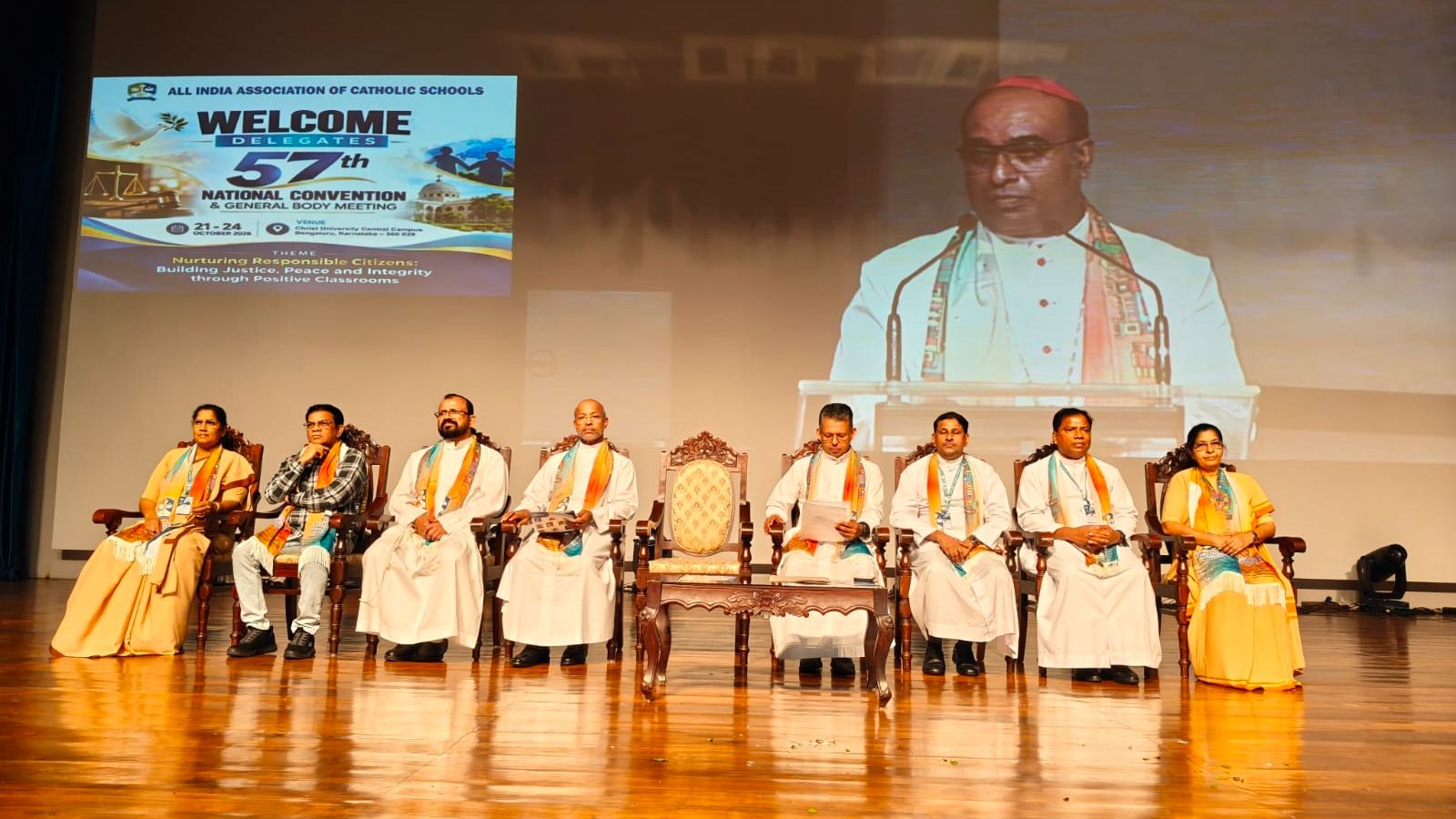
Archbishop Antonysamy Savarimuthu of Madurai outlined the efforts of the Conference of Catholic Bishops of India (CCBI) to foster a synodal Church. He traced the process from diocesan consultations in 2021 and the preparation of the National Synthesis in 2022 to the development of the CCBI Pastoral Plan and the deliberations of its 36th Plenary Assembly in 2025, which identified 16 themes for further engagement.
He also referred to subsequent consultations on reimagining and restructuring the CCBI in the light of the Church’s synodal journey.
Fr. Christopher Vimalraj, the resource person, presented key themes from the Final Document of the Synod of Bishops on Synodality, emphasising that synodality is not simply consultation but a way of being Church through listening, discernment and shared responsibility for mission.
A central focus was the distinction between decision-making and decision-taking. Fr. Christopher explained that the faithful should have meaningful opportunities to contribute to ecclesial discernment, while those entrusted with pastoral governance retain their specific responsibilities. He stressed the importance of recognising the charisms of all the faithful, particularly the laity, in the Church’s life and mission.
The sessions also examined accountability, transparency and evaluation as essential elements of synodal governance. Priests were encouraged to reach people on the margins of ecclesial life, including migrants, excluded communities and those in the digital world, which has become an important space for communication, relationships and evangelisation.
In the second session, Fr. Christopher discussed practical approaches to implementing synodality, drawing on the preparatory document for reimagining and restructuring the CCBI. He highlighted a grassroots process in which listening and discernment begin with Basic Ecclesial Communities (BECs) and extend through parishes, dioceses and regional structures to the national level.
The approach aims to ensure that the experiences and concerns of the faithful inform decisions throughout the Church. The presentation emphasised that synodal renewal requires not merely structural changes but sustained listening, discernment and concrete pastoral action.
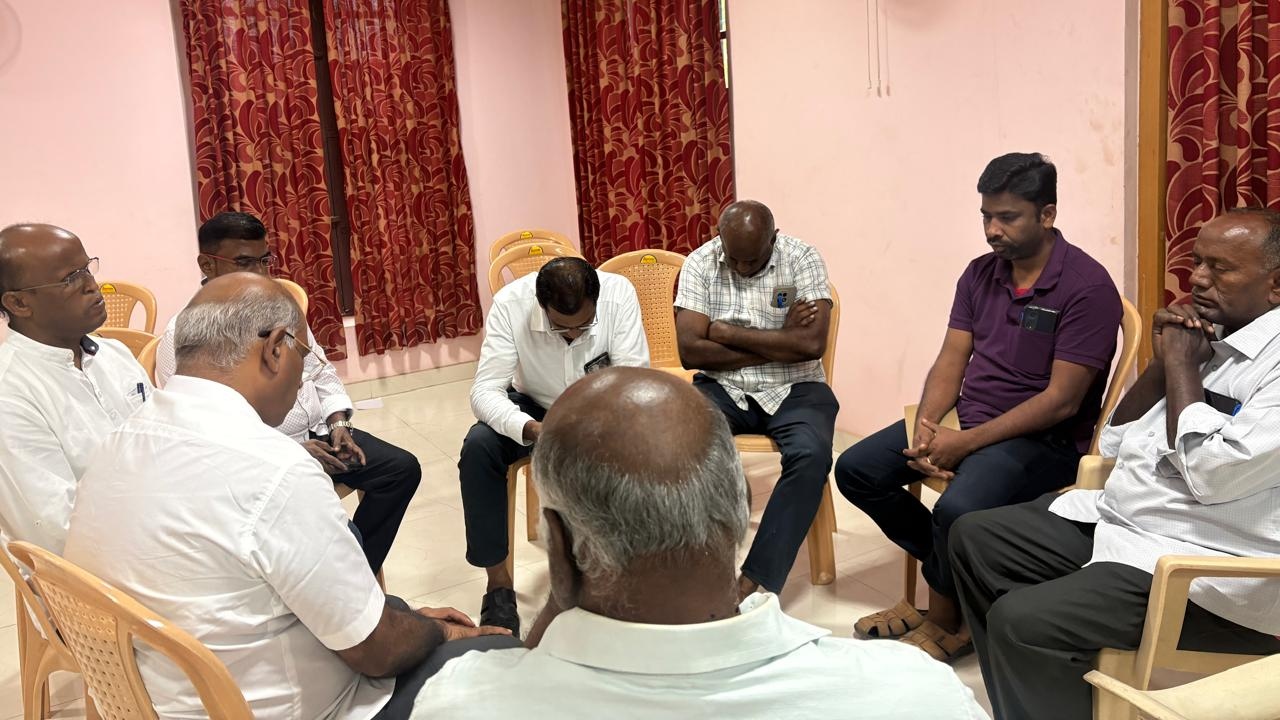
The afternoon session offered priests an opportunity to practise “conversations in the Spirit”, a method central to the synodal process. Working in groups, they reflected on pastoral questions, including how to ensure that all children attend catechism classes and how to foster ecclesial discernment within parish communities.
Participants shared their perspectives through prayerful listening and collective reflection, seeking to identify common concerns and possible pastoral responses. Representatives later presented the outcomes of their discussions in a plenary session.
The programme concluded with a renewed commitment to putting synodality into practice in parish life. The discussions highlighted the role of local communities in building a Church marked by communion, meaningful participation and a shared commitment to mission.
By Fr. Rapheal Vijay Babu
© 2026 CATHOLIC CONNECT POWERED BY ATCONLINE LLP