- 22 October, 2026
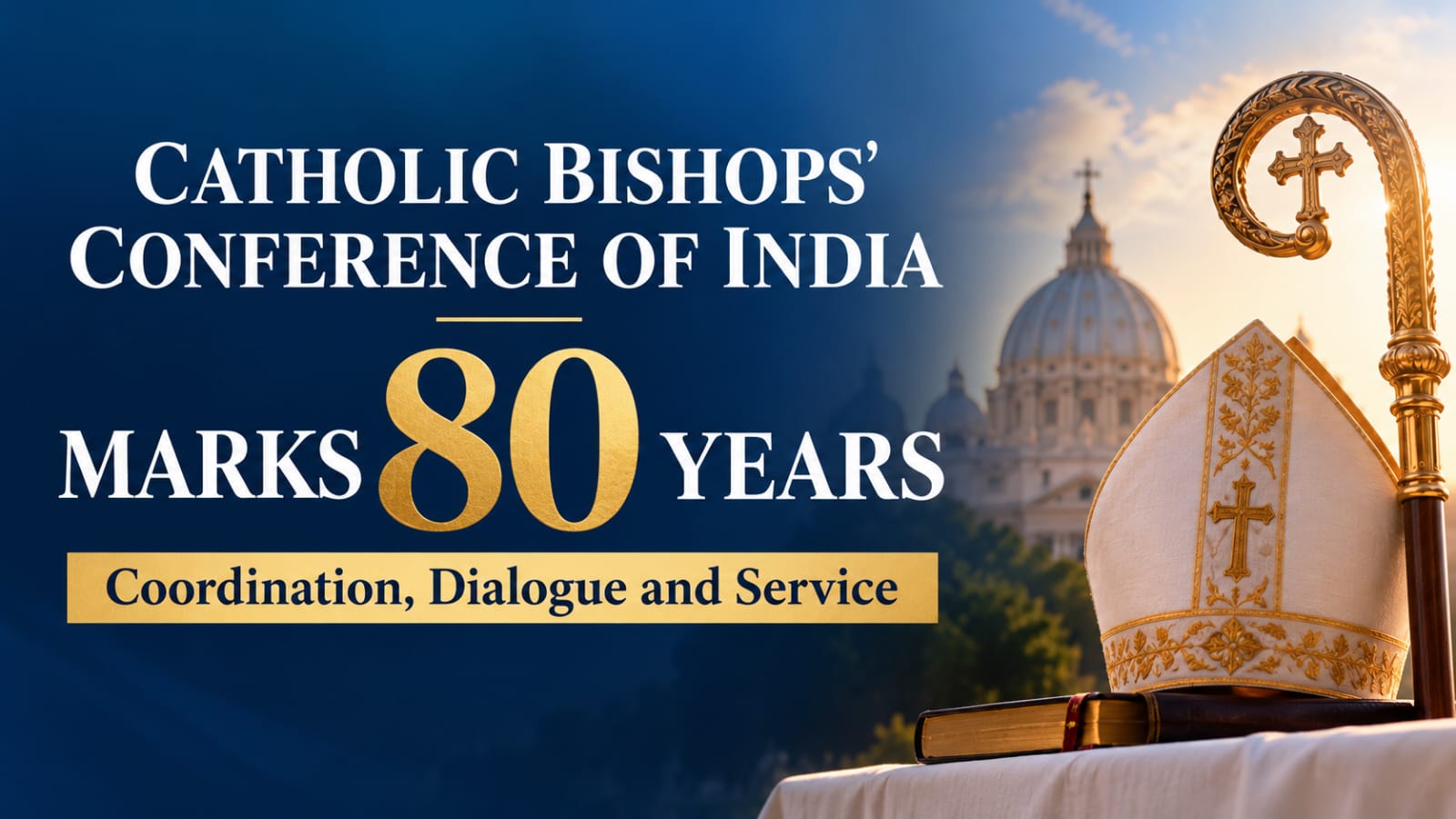
NEW DELHI, October 22, 2026: The Catholic Bishops’ Conference of India (CBCI), marking eight decades of its establishment, continues to coordinate the Catholic Church’s national engagement in dialogue, social justice, interfaith relations and service to the country, according to a historical overview by Fr Dr Anthoniraj Thumma, secretary of the CBCI Office for Dialogue and Desk for Ecumenism.



Established in 1944, the CBCI evolved from earlier meetings of Catholic bishops into a national body bringing together bishops of India’s three Catholic Churches: Latin, Syro-Malabar and Syro-Malankara.
Its origins date to the establishment of the Catholic hierarchy in India in 1886. Earlier gatherings of metropolitans and provincial councils provided a foundation for cooperation, leading to the decision to establish a permanent national association at a meeting in Madras in September 1944.
A major transformation followed the Second Vatican Council (1962–1965), which strengthened the role of national episcopal conferences. The CBCI revised its statutes in 1966 and established its full-fledged centre in New Delhi that year. Its All India Seminar, held in Bengaluru in 1969 under the theme “Church in India Today,” further advanced efforts to renew the Church’s mission and service to the country.
Another significant milestone came in 1987, when Pope John Paul II affirmed the right of India’s three ritual Churches to establish their own episcopal bodies. The CBCI subsequently focused on matters of common national and inter-ritual concern, while the individual Churches addressed their respective internal affairs.
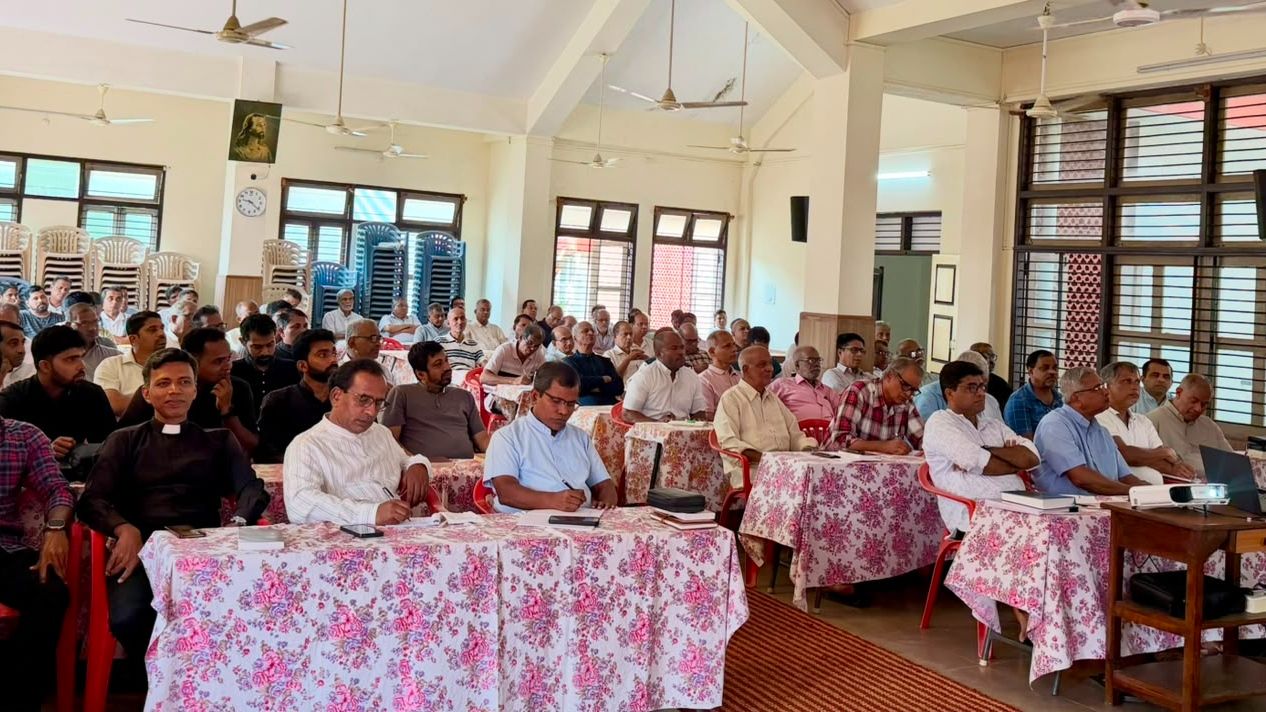
Today, the CBCI has 300 members and serves as a coordinating and consultative body for India’s Catholic bishops. According to Fr Thumma, its responsibilities include engagement with government on national issues, promoting communal harmony and interfaith dialogue, strengthening ecumenical relations, and coordinating common pastoral initiatives.
The conference operates through 14 offices, three councils for youth, women and laity, and a network of national centres and regional bodies. Its institutions include Caritas India, the National Biblical, Catechetical and Liturgical Centre, and the National Institute of Social Communications, Research and Training.
The CBCI also participates in ecumenical initiatives with other Christian traditions through the National United Christian Forum and has initiated the formation of the National Federation of the Churches in India.
Cardinal Anthony Poola, Archbishop of Hyderabad, is the CBCI president. Archbishop Thomas Mar Koorilos of Tiruvalla and Archbishop Mar Mathew Moolakkatt of Kottayam serve as the first and second vice-presidents, respectively. Archbishop Anil Joseph Thomas Couto of Delhi is the secretary general. The office-bearers were elected at the conference’s 37th biennial general body meeting in Bengaluru in February 2026.
Fr. Thumma notes that the CBCI’s role extends beyond ecclesiastical coordination to supporting the Catholic Church’s contribution to education, healthcare, social welfare, community development and humanitarian assistance. Through coordination and advocacy, the conference seeks to strengthen the Church’s engagement with the wider society, particularly in serving the poor and marginalised.
Over eight decades, the CBCI has adapted its structures to changing ecclesial and national circumstances while continuing to promote cooperation among India’s Catholic Churches and solidarity with the wider Christian community.
By Fr. Anthoniraj Thumma

© 2026 CATHOLIC CONNECT POWERED BY ATCONLINE LLP