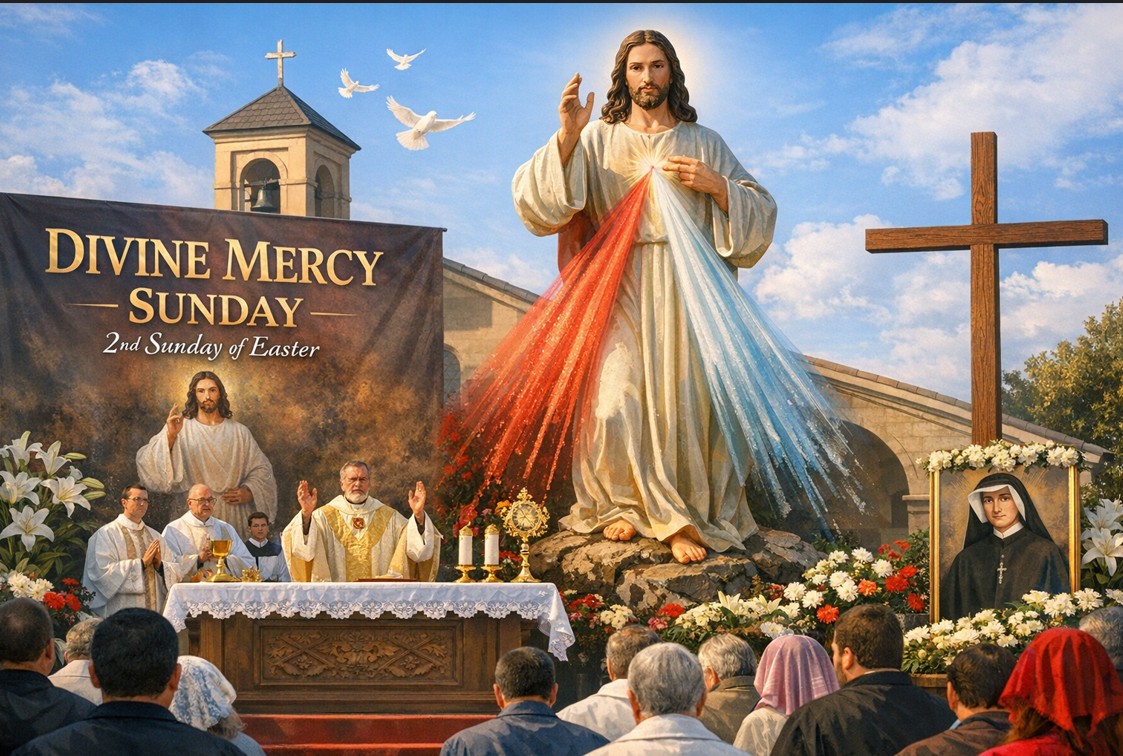
Vatican City, April 12, 2026: Divine Mercy Sunday, celebrated on the Second Sunday of Easter, brings the Easter Octave to its radiant conclusion. This powerful feast in the Catholic Church reveals the heart of the risen Jesus Christ—overflowing with mercy, forgiveness, and love for all humanity. It is a day that calls believers to trust deeply in God’s mercy and to become instruments of that mercy in the world.

Significance of Divine Mercy Sunday
Divine Mercy Sunday centers on God’s infinite compassion and forgiveness.
- It celebrates the boundless mercy of God, revealed through the Resurrection of Jesus Christ.
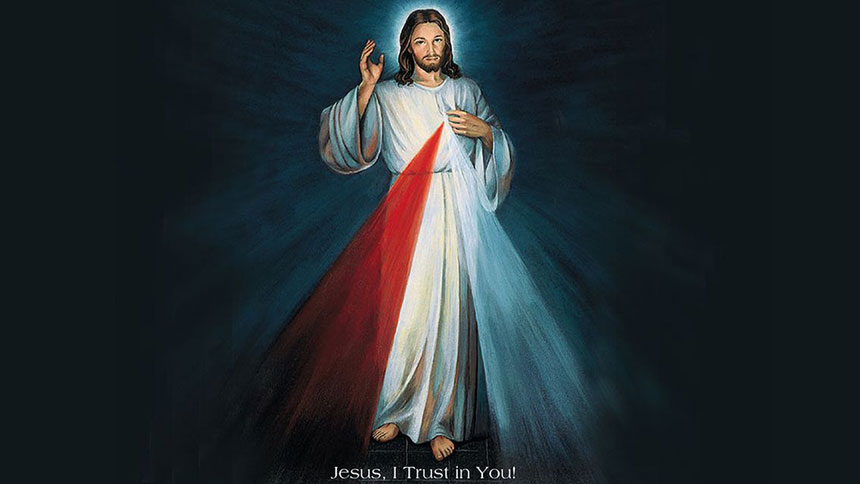
- The day emphasizes trust in Jesus with the message: “Jesus, I trust in You.”
- It offers extraordinary spiritual graces, especially through Confession and the Eucharist.
- In Catholic teaching, it highlights that no sin is greater than God’s mercy.
Historical Origins of Divine Mercy Sunday
The roots of this feast are both ancient and modern.

- The Second Sunday of Easter has always been part of the Church’s liturgical calendar.
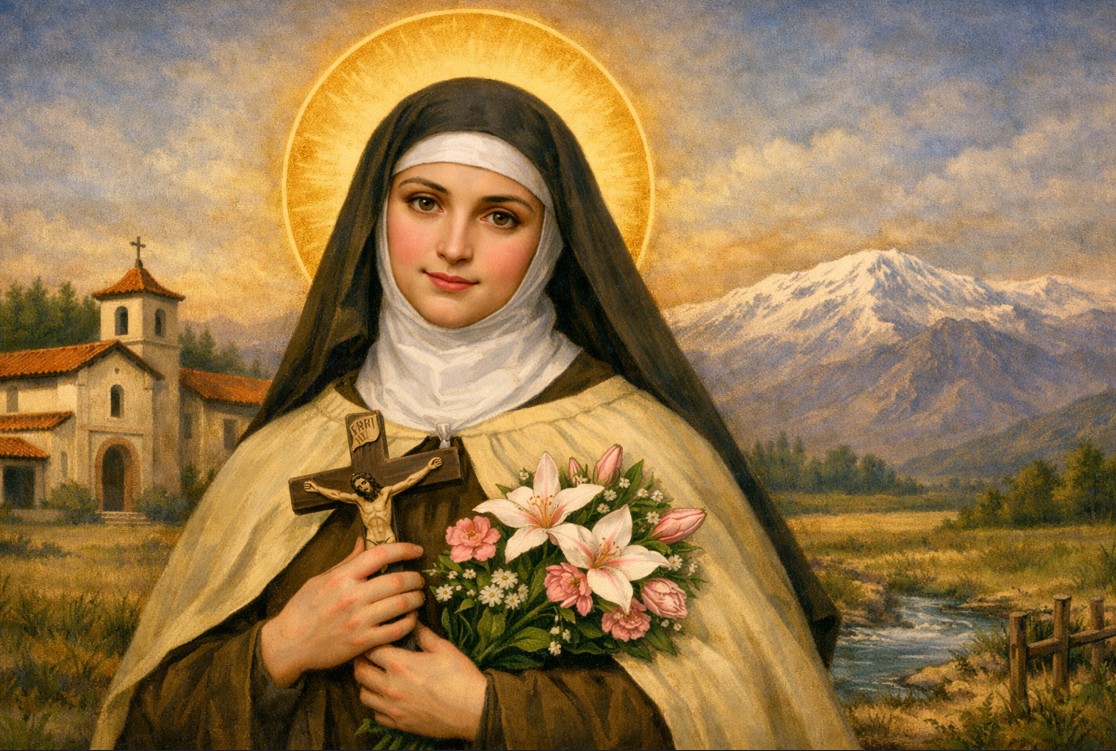
- In the 1930s, St. Faustina Kowalska received visions of Jesus emphasizing Divine Mercy.
- Jesus asked for a feast dedicated to His mercy to be celebrated after Easter.
- The devotion spread worldwide through her diary and missionary efforts.
Relevance in the Catholic Church Today
Divine Mercy Sunday holds deep importance for Catholics today.
- It invites believers to seek forgiveness and renewal through God’s mercy.
- The Church encourages acts of mercy—both spiritual and corporal.
- It strengthens faith in God’s love, especially in times of weakness or sin.
- It reminds the faithful that mercy is at the center of Christian life and mission.
Interesting Stories and Spiritual Events
This feast is rooted in powerful spiritual experiences and promises.
- Jesus appeared to St. Faustina, revealing the Divine Mercy image with rays of light symbolizing blood and water.
- He promised an “ocean of graces” to those who approach Him with trust on this day.
- The Gospel reading often recounts Jesus appearing to His disciples, showing His wounds and offering peace.
- The feast highlights the moment when doubt (like that of Thomas) turns into faith.
Insight: Divine Mercy Sunday reveals that Christ’s greatest power is not judgment—but mercy that restores and renews.
When It Became Part of the Catholic Church
Divine Mercy Sunday became officially recognized in recent Church history.
- On April 30, 2000, Pope John Paul II established this feast for the universal Church.
- This took place during the canonization of St. Faustina Kowalska.
- The feast did not replace the Second Sunday of Easter but gave it deeper meaning.
- Since then, it has become one of the most widely celebrated devotions in the Catholic world.
Other Interesting Facts About Divine Mercy Sunday
- It concludes the Easter Octave, one of the highest-ranking liturgical celebrations.
- Special indulgences and graces are associated with this day.
- The devotion includes the Divine Mercy Chaplet, prayed worldwide.
- The message is often summarized as: Ask for mercy, trust in Jesus, and show mercy to others.
- It is sometimes called “Mercy Sunday” or “Low Sunday” in older traditions.
Divine Mercy Sunday stands as a powerful reminder that God’s love is never exhausted. It calls believers to return to Him with trust, receive His mercy fully, and reflect that same mercy in their daily lives—bringing hope, healing, and compassion to the world.
By Catholic Connect Reporter
__________________________
Reflective Keywords : Divine Mercy Sunday Catholic meaning, Feast of Divine Mercy explained, St Faustina visions Catholic Church, Jesus I trust in You meaning, Divine Mercy Chaplet significance, Catholic Easter Octave reflection, God’s mercy Catholic teaching