

image

He Rose Before Their Eyes… and Opened the Way to Heaven: The Glory of the Ascension of the Lord

Vatican City, May 14, 2026: The Ascension of the Lord marks one of the most majestic moments in the Catholic faith—the risen Jesus Christ ascending into heaven forty days after His Resurrection. Celebrated on the 40th day of Easter in many parts of the world, this solemn feast reveals Christ’s divine glory, the fulfillment of His earthly mission, and the promise that believers are called to share in eternal life with Him.


Significance of the Ascension of the Lord

The Ascension reveals Christ’s victory and heavenly kingship.

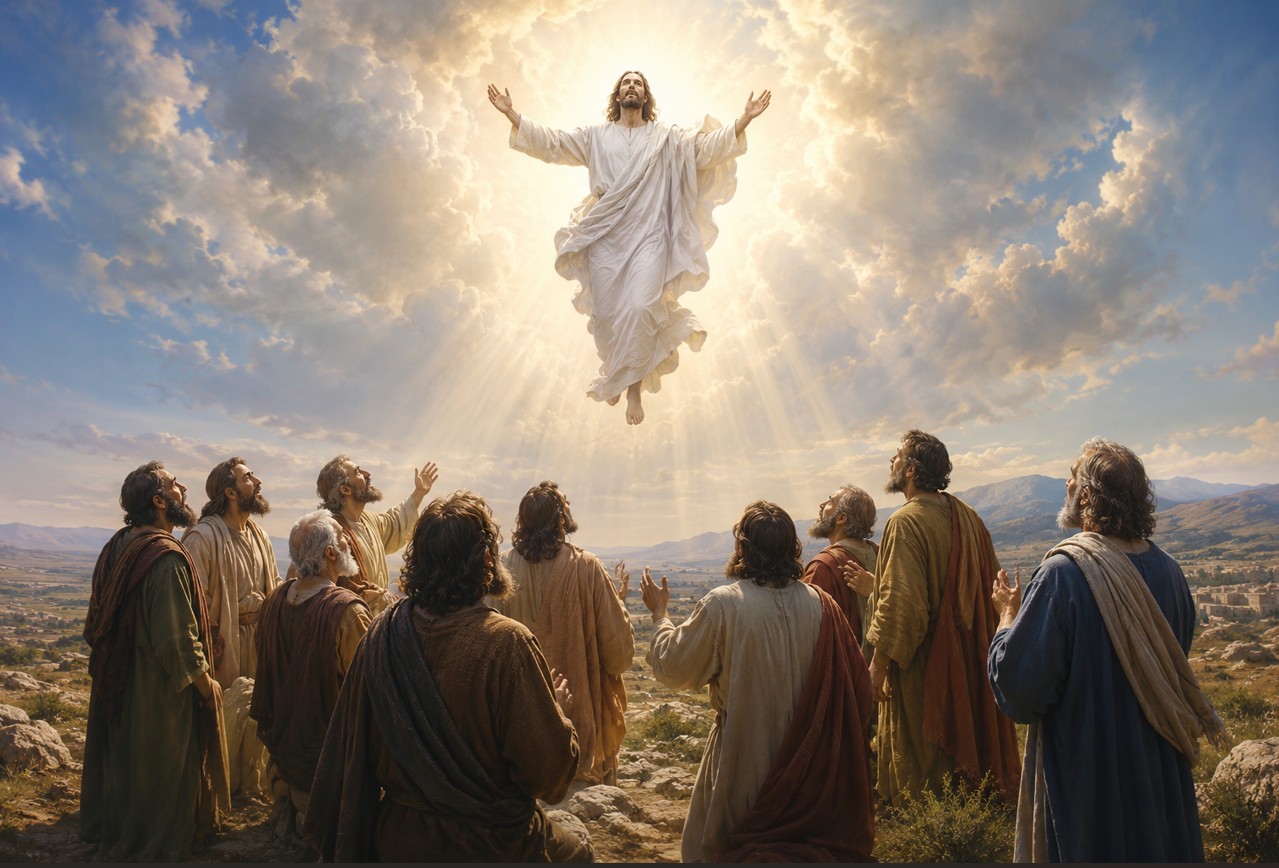
  • It commemorates Jesus ascending bodily into heaven before His disciples.
  • The feast celebrates Christ’s triumph over sin, death, and the limitations of earthly life.
  • It marks the completion of Jesus’ earthly ministry and the beginning of the Church’s mission.
  • In Catholic teaching, the Ascension affirms that Christ now reigns at the right hand of the Father.


Historical Origins of the Ascension Feast

The origins of this feast go back to the earliest centuries of Christianity.

  • The event of the Ascension is recorded in the Acts of the Apostles and the Gospel of Luke.
  • Christians celebrated the Ascension by the 4th century as a distinct feast day.
  • Early pilgrims in Jerusalem commemorated the event on the Mount of Olives.
  • Over time, the feast became one of the major solemnities in the Catholic liturgical calendar.


Relevance in the Catholic Church Today

The Ascension continues to hold profound meaning for Catholics worldwide.

  • It reminds believers that heaven is the ultimate destiny of humanity.
  • The feast encourages Christians to continue Christ’s mission of evangelization.
  • It strengthens faith that Jesus remains spiritually present through the Holy Spirit.
  • It calls the faithful to live with hope, purpose, and eternal perspective.


Interesting Stories and Biblical Events

The Ascension includes powerful moments of promise and mission.

  • Jesus gathered His disciples and instructed them to preach the Gospel to all nations.
  • As they watched, He was lifted up and hidden by a cloud.
  • Angels appeared, telling the disciples that Christ would return again in glory.
  • The disciples returned to Jerusalem filled not with fear, but with joy and expectation.


Insight: The Ascension is not about Christ leaving humanity behind—it is about opening heaven and sending believers forward with mission and hope.


When It Became Part of the Catholic Church

The Ascension became formally established early in Church history.

  • By the late 4th century, it was universally celebrated throughout Christianity.
  • It was recognized as one of the principal feasts of the liturgical year.
  • The feast traditionally occurs 40 days after Easter, reflecting the biblical timeline.
  • In some countries, the celebration is transferred to the following Sunday for wider participation.


Other Interesting Facts About the Ascension of the Lord

  • It is considered a Holy Day of Obligation in many Catholic regions.
  • The Ascension begins the final preparation period leading to Pentecost.
  • The feast highlights Christ as both King and High Priest.
  • In Jerusalem, a traditional site on the Mount of Olives is associated with the Ascension.
  • The liturgical color for the feast is white, symbolizing glory, victory, and resurrection joy.


The Ascension of the Lord stands as a powerful reminder that Christ’s Resurrection was not the end of the story, but the beginning of the Church’s mission. It invites believers to lift their hearts toward heaven while continuing Christ’s work on earth with faith, courage, and hope.


By Catholic Connect Reporter


Reflective Keywords : Ascension of the Lord Catholic meaning, Ascension feast explained Catholic Church, Jesus ascends into heaven Bible, 40th day of Easter significance, Catholic Ascension Thursday meaning, Acts of the Apostles Ascension story, Easter season Catholic solemnity

© 2026 CATHOLIC CONNECT POWERED BY ATCONLINE LLP