- 16 April, 2026


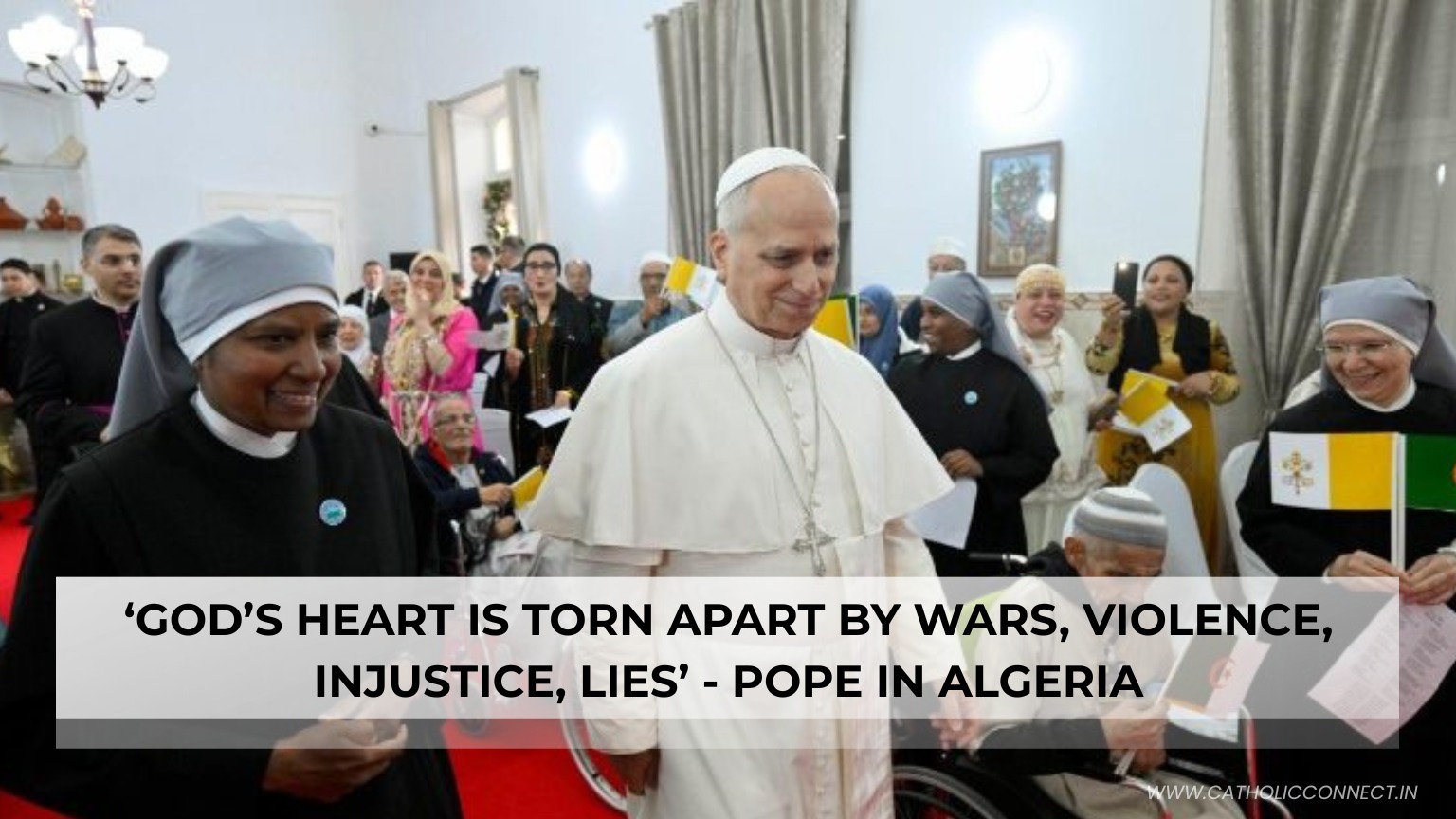
Bangkok, April 16, 2026: The leadership of the Federation of Asian Bishops’ Conferences (FABC) has issued a pastoral appeal for peace, justice, and moral responsibility, expressing “prayerful solidarity” with Pope Leo XIV and echoing his urgent call for peace amid “deepening global anxiety and escalating violence.”

Drawing inspiration from the Sermon on the Mount, the FABC leaders recalled the words, “Blessed are the peacemakers, for they shall be called children of God” (Mt 5:9), stating that this Beatitude “is not a pious ideal” but “a moral imperative.”
In their message addressed to “all people of goodwill, and to those entrusted with responsibility among the nations,” the bishops reflected on the current global situation, noting that the “fragility of international law and the weakening of global institutions” are becoming increasingly evident. They observed that the temptation to rely on “the logic of power—on force, deterrence, and domination” is strong, but emphasized that the Gospel calls humanity to “a different path: the path of justice, dialogue, and peace rooted in human dignity.”


Referring to the voice of Pope Leo, the FABC stated that he reminds the world that “violence can never be the foundation of a just and lasting peace,” and that “invoking God to justify war is a distortion of faith.” They underlined that his words are “not those of political partisanship, but of moral and spiritual leadership, exercised in fidelity to the Gospel.”
The pastoral appeal outlined a series of urgent calls, including an end to “ongoing hostilities” and the need “to halt the spiral of violence that continues to claim innocent lives.” It also urged parties to “return to the negotiating table, with sincerity and courage,” stressing that “dialogue is not weakness but the highest form of responsibility.” The statement further called for respect for “international law and humanitarian norms,” which are meant to safeguard “the dignity of every human person, especially the most vulnerable,” and encouraged the pursuit of “moral diplomacy,” grounded in the “common good of the human family.”
Reflecting on the Asian context, the FABC noted that “Asia knows well the cost of war, the wounds of division, and the long journey toward reconciliation.” From these experiences, the bishops said, the region has learned that “peace is never achieved through domination, but through patient dialogue, mutual respect, and the difficult work of justice.”
As a Church called “to be a sign and instrument of unity for the whole human race,” the FABC leadership affirmed that it “cannot remain silent.” It stated that its mission is “not to wield power, but to form consciences, to speak truth, and to keep alive the hope that peace is possible.”
The bishops concluded by inviting “all the faithful, and all people of goodwill” to join in “prayer and in action—for a world where conflicts are resolved not by weapons, but by wisdom; not by fear, but by trust.” They prayed that the Lord “guide the nations away from the paths of destruction and toward the ways of reconciliation.”
By Catholic Connect Reporter

© 2026 CATHOLIC CONNECT POWERED BY ATCONLINE LLP