- 25 July, 2026

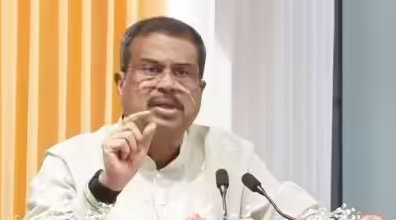
New Delhi, July 25, 2026: Union Education Minister Dharmendra Pradhan has resigned from the Union Cabinet following weeks of student protests over alleged irregularities and paper leaks in competitive examinations, bringing mounting public pressure on the government to a political climax.


Pradhan submitted his resignation to Prime Minister Narendra Modi and announced the decision on X, formerly known as Twitter, saying he had stepped down to maintain national unity and allow students to concentrate on their studies without being drawn into continuing disputes.
The resignation came ahead of the third round of talks between the government and representatives of protesting students. It also followed the dismissal of 47 officials of the National Testing Agency (NTA), which has faced intense scrutiny over the examination controversy.
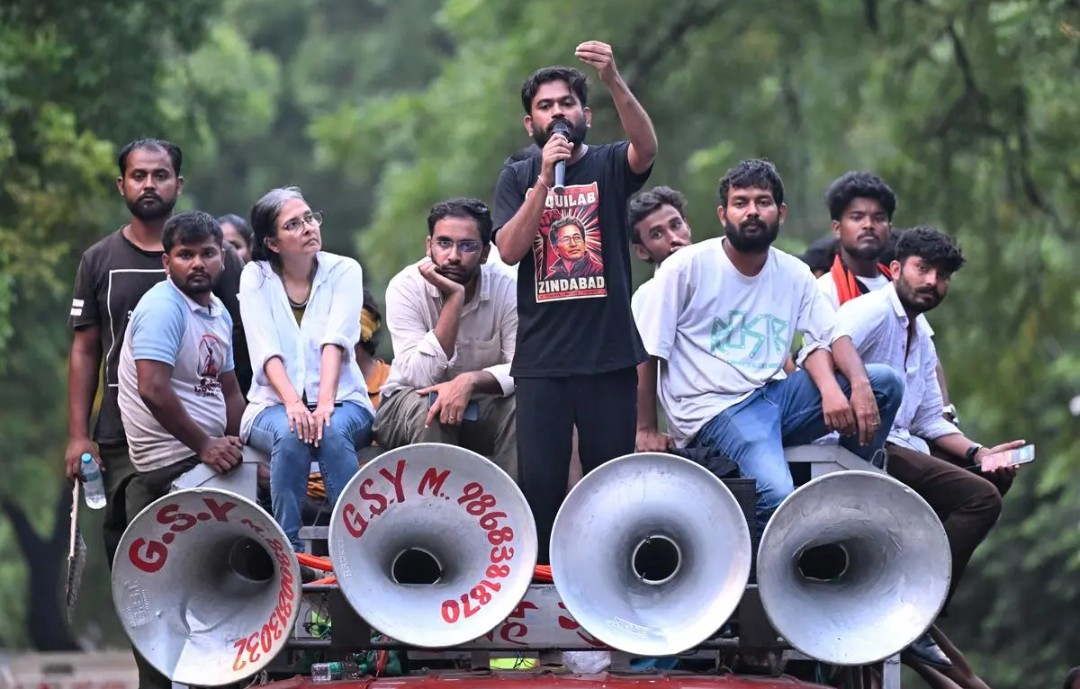
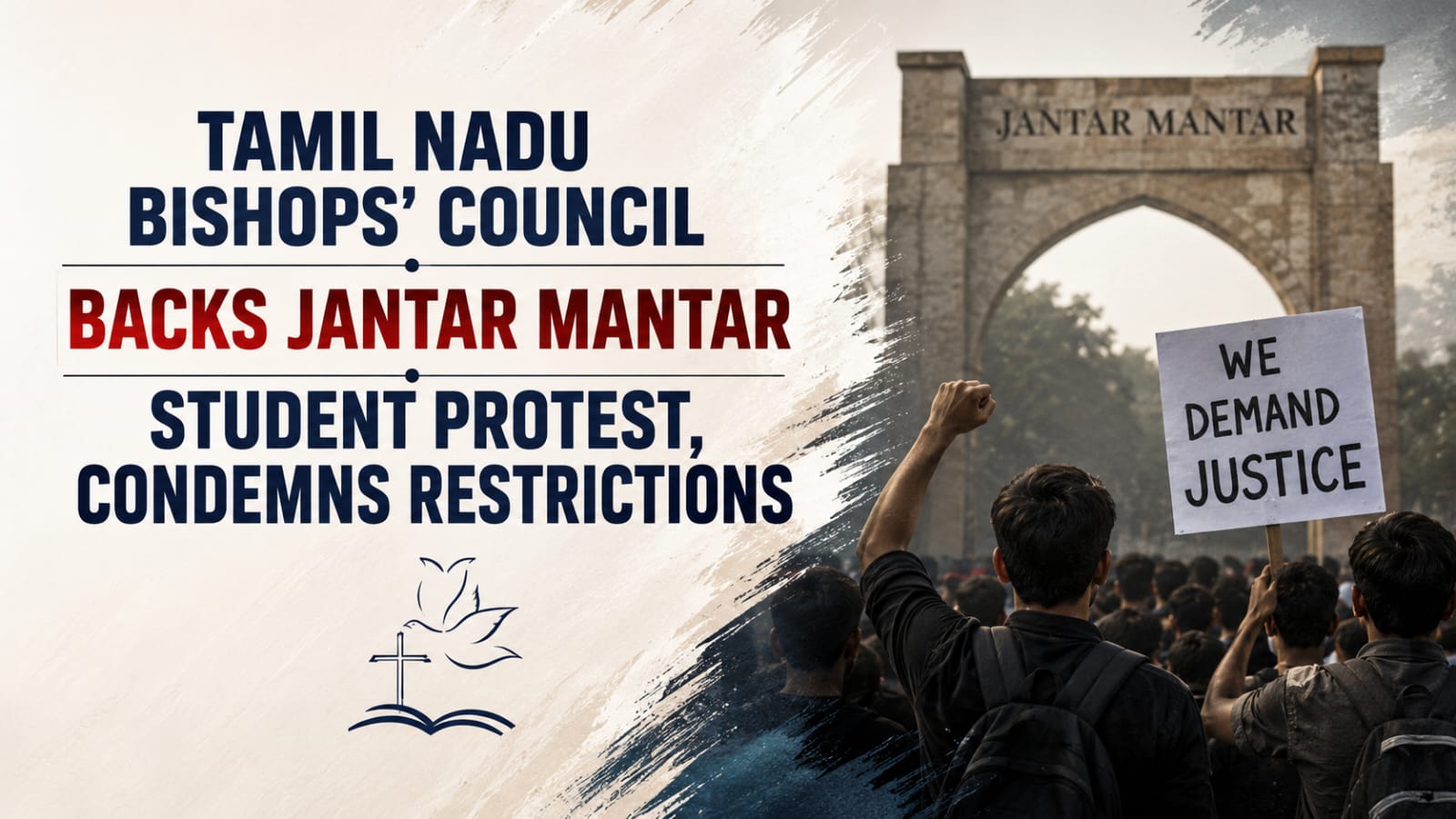
Thousands of students had gathered at Jantar Mantar in New Delhi, holding hunger strikes, sit-ins and candlelight vigils as part of the agitation led by the Cockroach Janta Party (CJP). The protesters had made Pradhan's removal a key demand.


CJP leader Abhijeet Dipke described the resignation as a victory for democracy and collective action. However, student groups said they would continue their protests until further reforms are introduced, including the withdrawal of police cases against protesting students and structural changes within the NTA.
In his resignation letter, Pradhan expressed anguish over the controversy while maintaining that he had acted responsibly since the issue emerged. He pointed to the cancellation of examinations affected by irregularities, the launch of a Central Bureau of Investigation (CBI) probe and the government's plan to introduce computer-based testing from 2027.
Pradhan also reiterated his commitment to ensuring that students do not lose educational and career opportunities because of what he described as an "exam mafia."
The resignation drew mixed reactions from political parties and civil society groups. Opposition leaders said the decision was long overdue and accused the government of responding to student concerns only after protests intensified. BJP leaders defended Pradhan's record while acknowledging the need for reforms to restore confidence in the examination system.
Activists, including Sonam Wangchuk, who participated in hunger strikes, welcomed the resignation as a moral victory but cautioned that the larger structural problems facing India's examination system remain unresolved.
Pradhan's departure has renewed debate over the functioning of the NTA and the security of India's competitive examination system. With millions of students depending on such examinations for admission to higher education and access to professional careers, restoring public confidence has emerged as a major challenge for the government.
The episode has also highlighted the growing influence of student-led movements in shaping national political debate. The protests have placed examination integrity, institutional accountability and the future of India's youth at the centre of the national conversation.
While Pradhan's resignation meets the immediate demand of the protesting students, the larger test for the government will be whether it can implement credible and lasting reforms. The coming months will determine whether the resignation becomes a turning point in India's examination system or remains a temporary response to mounting public pressure.
By Catholic Connect Reporter

© 2026 CATHOLIC CONNECT POWERED BY ATCONLINE LLP