- 15 June, 2026
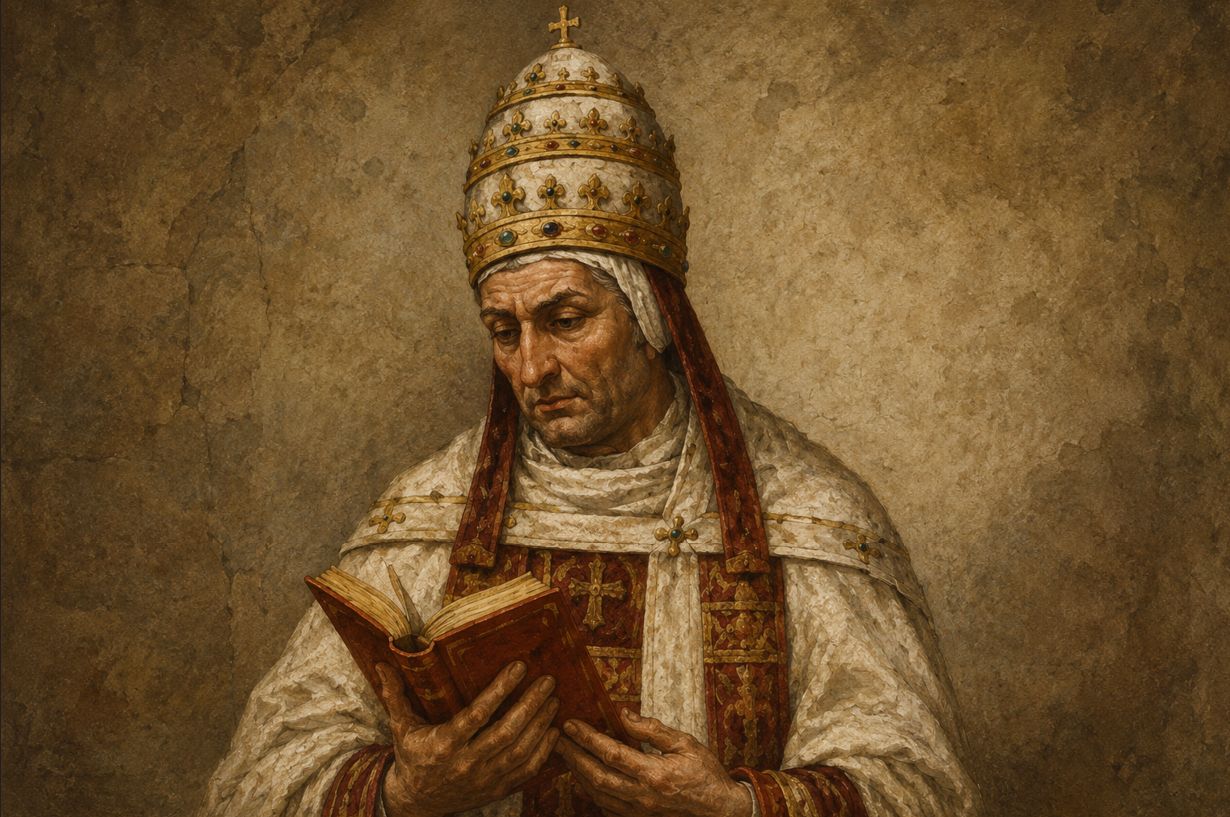
June 15, 2026: Pope Dionysius, the twenty-fifth successor of Saint Peter, guided the Church during one of its most difficult recovery periods. Elected after the brutal persecution of Emperor Valerian, he inherited a Christian community wounded by suffering, division, and uncertainty. Through wisdom, organisation, and pastoral care, Dionysius helped rebuild the Church and restore unity among believers.


How does a Church recover after a storm of persecution?
For Pope Dionysius, the answer was rebuilding—restoring confidence, repairing damaged communities, and strengthening Christian unity. Unlike many of his predecessors who died as martyrs, Dionysius led during a period when the Church finally began to experience relief from persecution.
His papacy became a bridge between an era of suffering and a future of growth.


Little is known about Dionysius’ early years. Historical sources suggest he may have been Greek by origin and was already a respected figure within the Roman Christian community before becoming pope.
He was known for his theological knowledge, administrative ability, and commitment to preserving the teachings of the apostles.
(CLICK HERE to follow Catholic Connect for regular Catholic News & Content)
Dionysius was elected Bishop of Rome in 259 AD following the martyrdom of Pope Sixtus II.
The Church had experienced severe losses during Emperor Valerian’s persecution, which targeted bishops, priests, and Christian leaders. The papal office remained vacant for almost a year because persecution made a public election dangerous.
Dionysius was chosen at a time when the Church urgently needed stability and healing.
Dionysius led the Church during a major turning point in Roman history.
The emperor Gallienus later ended official persecution, allowing Christians greater freedom to rebuild their communities.
Pope Dionysius made several important contributions:
One of his notable actions was correcting theological errors connected with the Church of Alexandria, showing the importance of unity in Christian teaching.
Dionysius is remembered for:
His spirituality reflected the role of a shepherd who heals wounds and restores hope.
Dionysius faced several challenges:
Despite these difficulties, he avoided unnecessary division and worked towards reconciliation.
Although no complete writings of Dionysius survive, his leadership offers a lasting lesson: After every trial, the Church is called to rebuild with faith and hope.
Pope Dionysius is honoured as a saint in the Catholic Church.
Unlike many early popes, he is not traditionally regarded as a martyr, but he is remembered for his faithful service during a challenging chapter of Church history.
Why does Pope Dionysius matter today?
His legacy continues through the life of the Church today, carried forward by his successors.
To know more about the previous Popes, click here
By Catholic Connect Reporter
Pope Dionysius biography, St. Dionysius Pope, twenty-fifth pope Catholic Church, early Catholic popes, Pope Dionysius persecution, Catholic Church rebuilding after persecution, Roman Empire Christianity, apostolic succession, Catholic Church history, Pope Dionysius facts
© 2026 CATHOLIC CONNECT POWERED BY ATCONLINE LLP