- 03 August, 2026
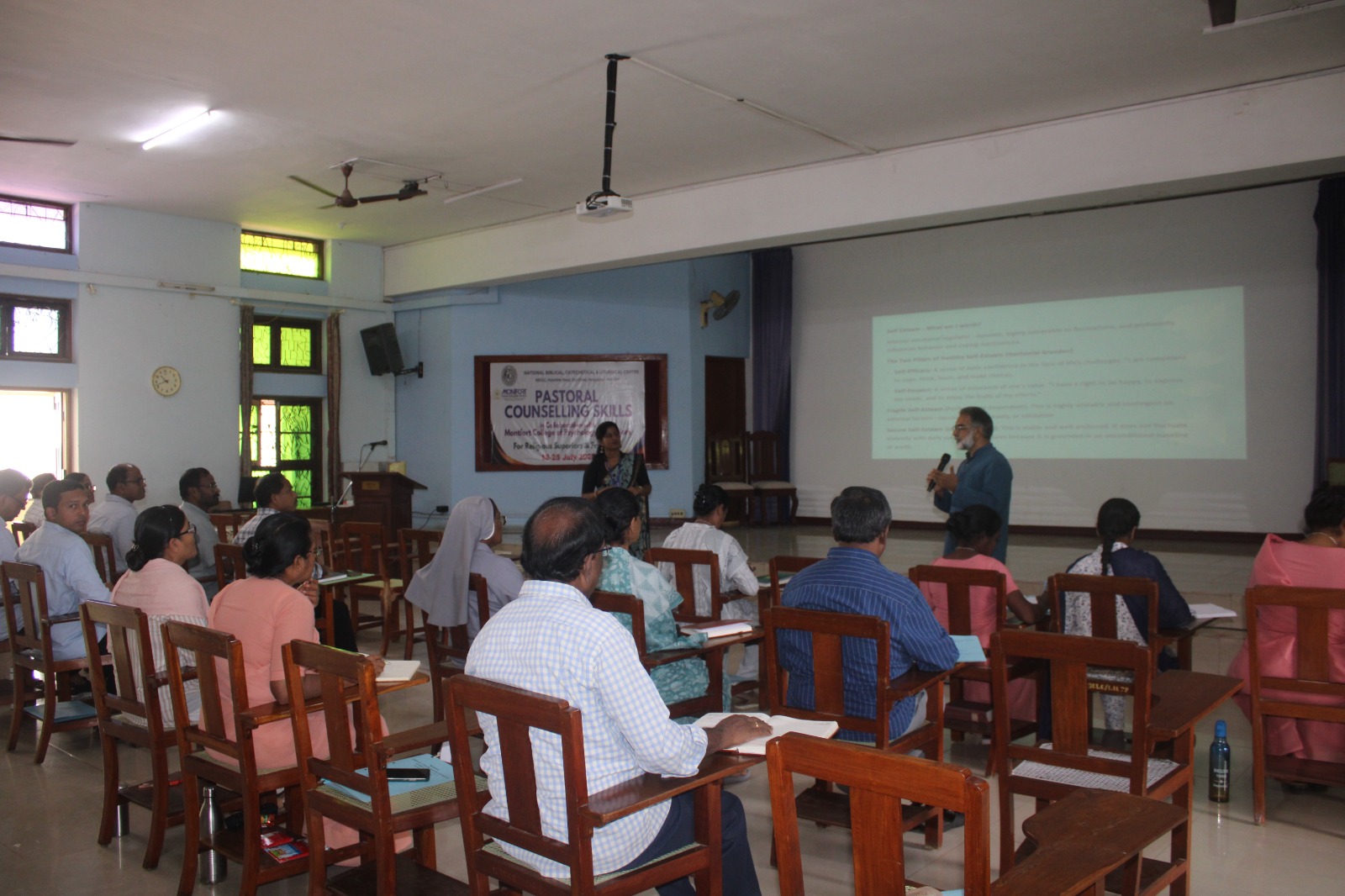
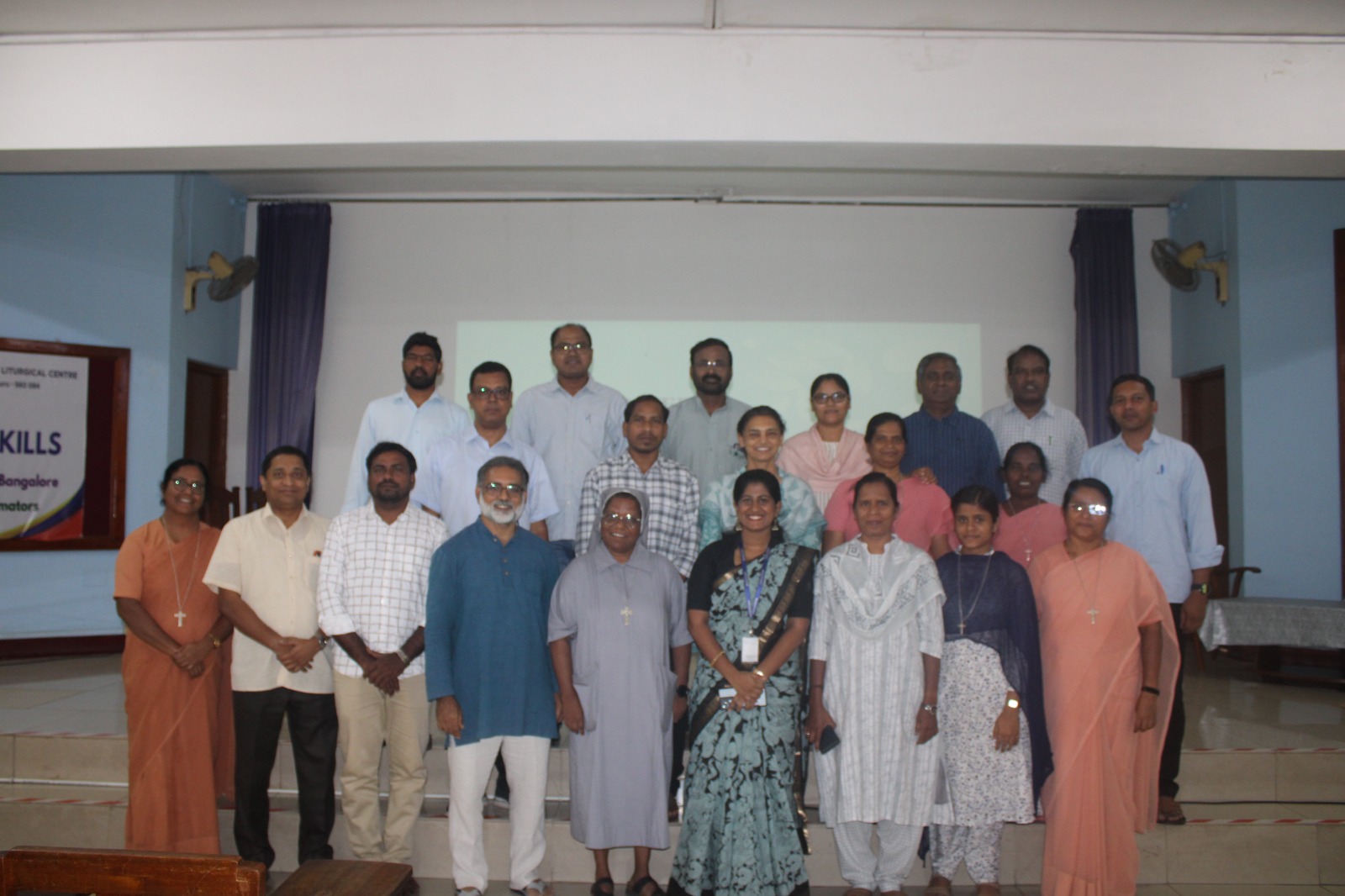
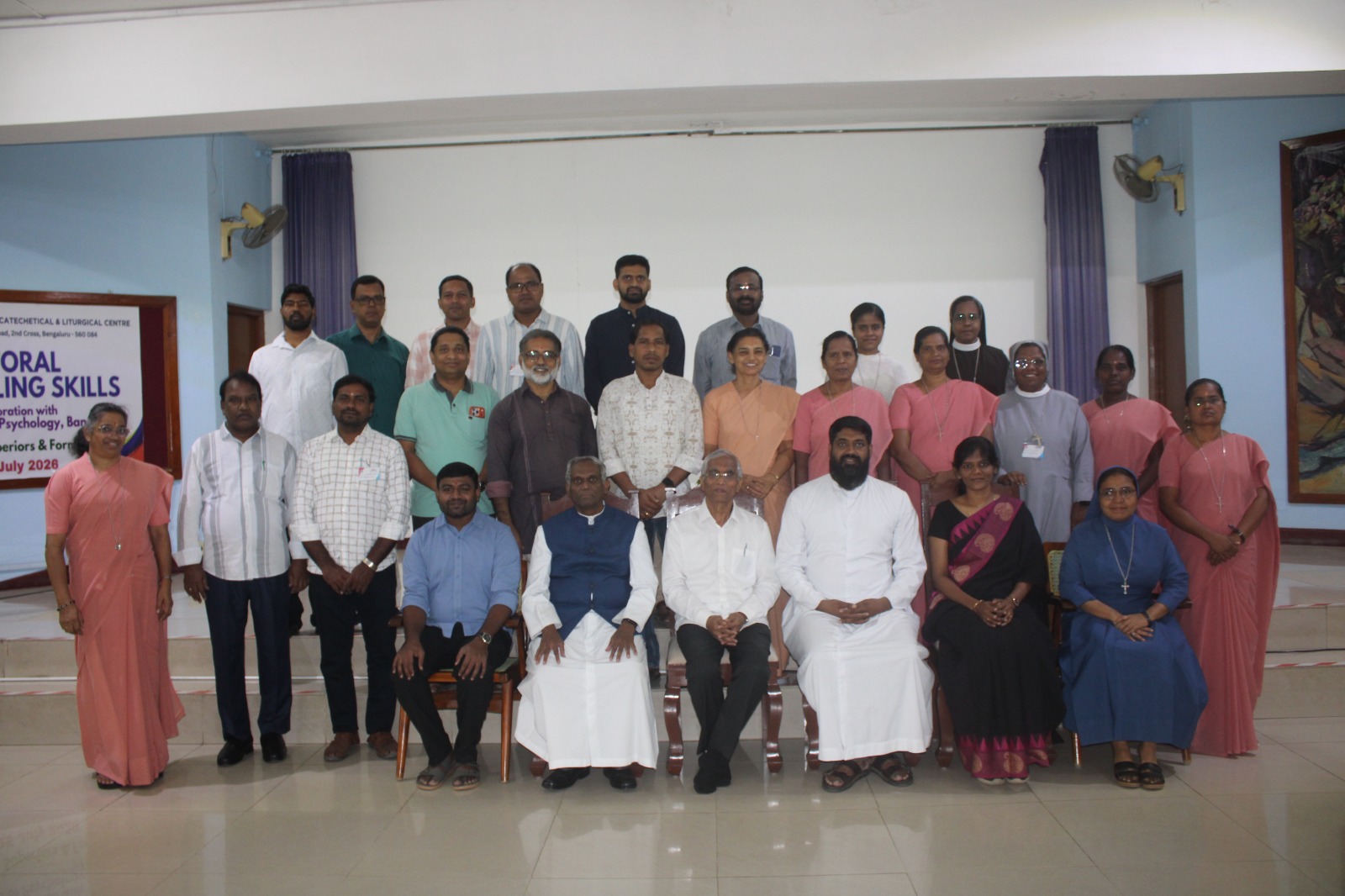
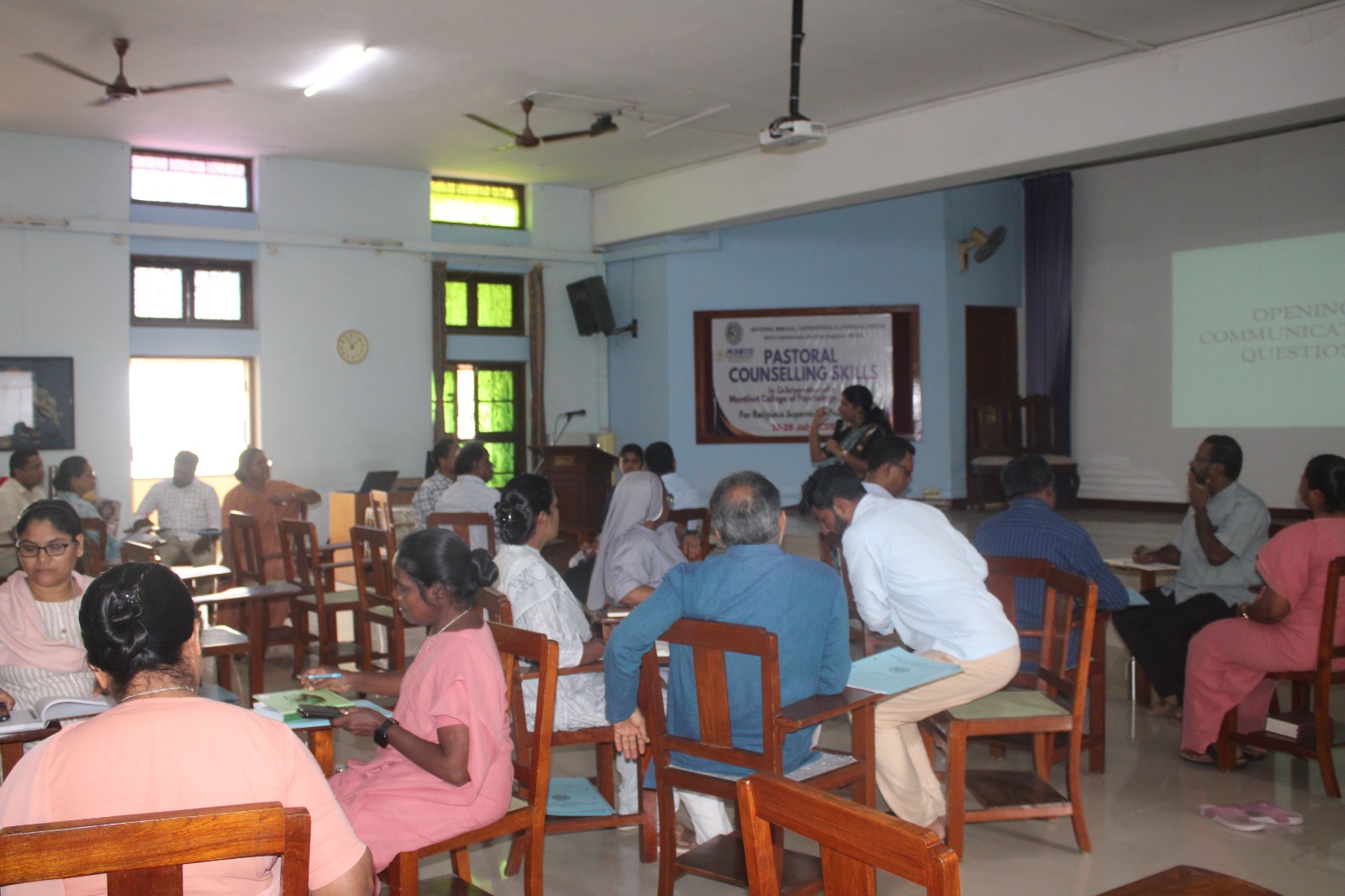
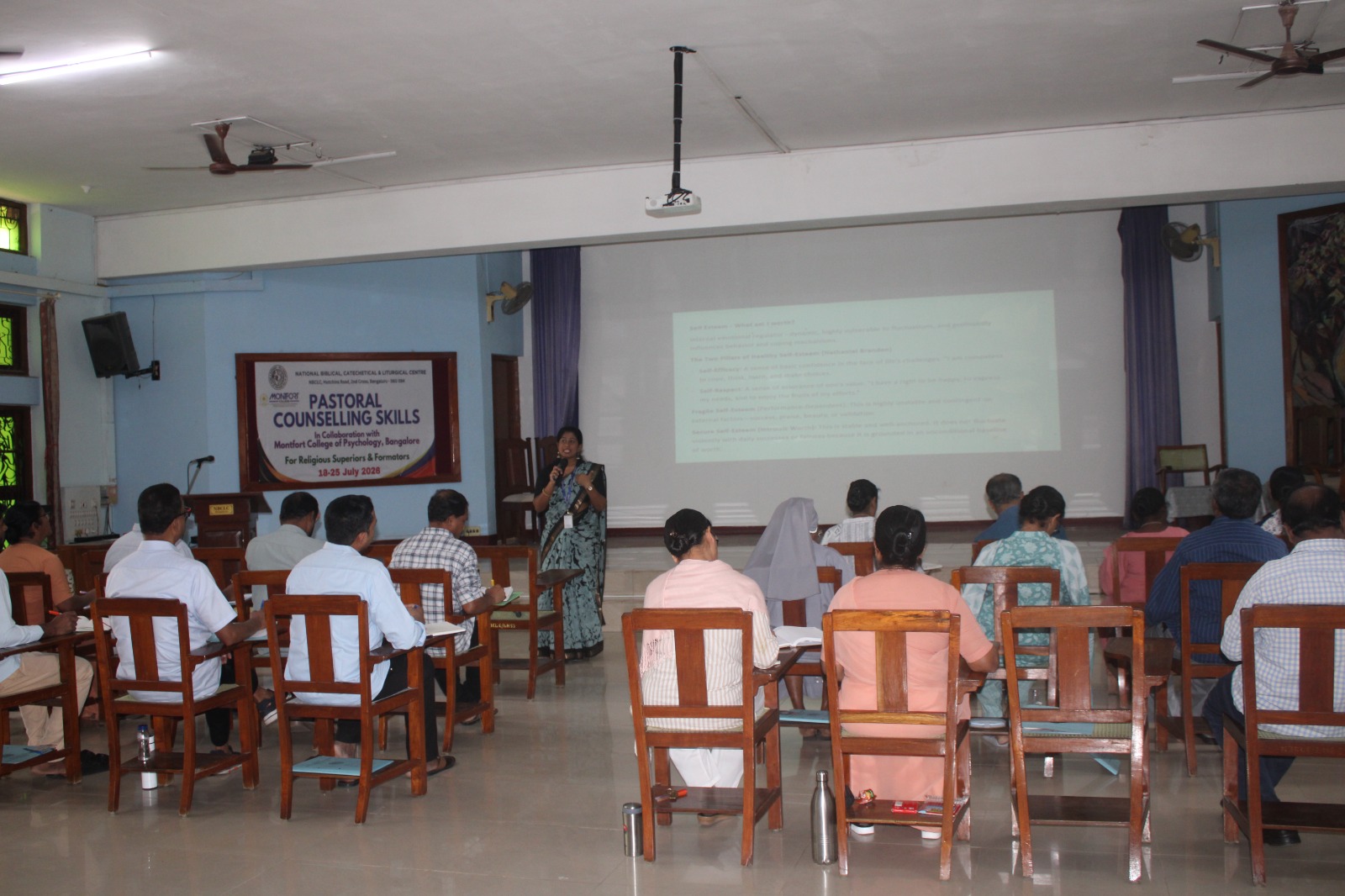
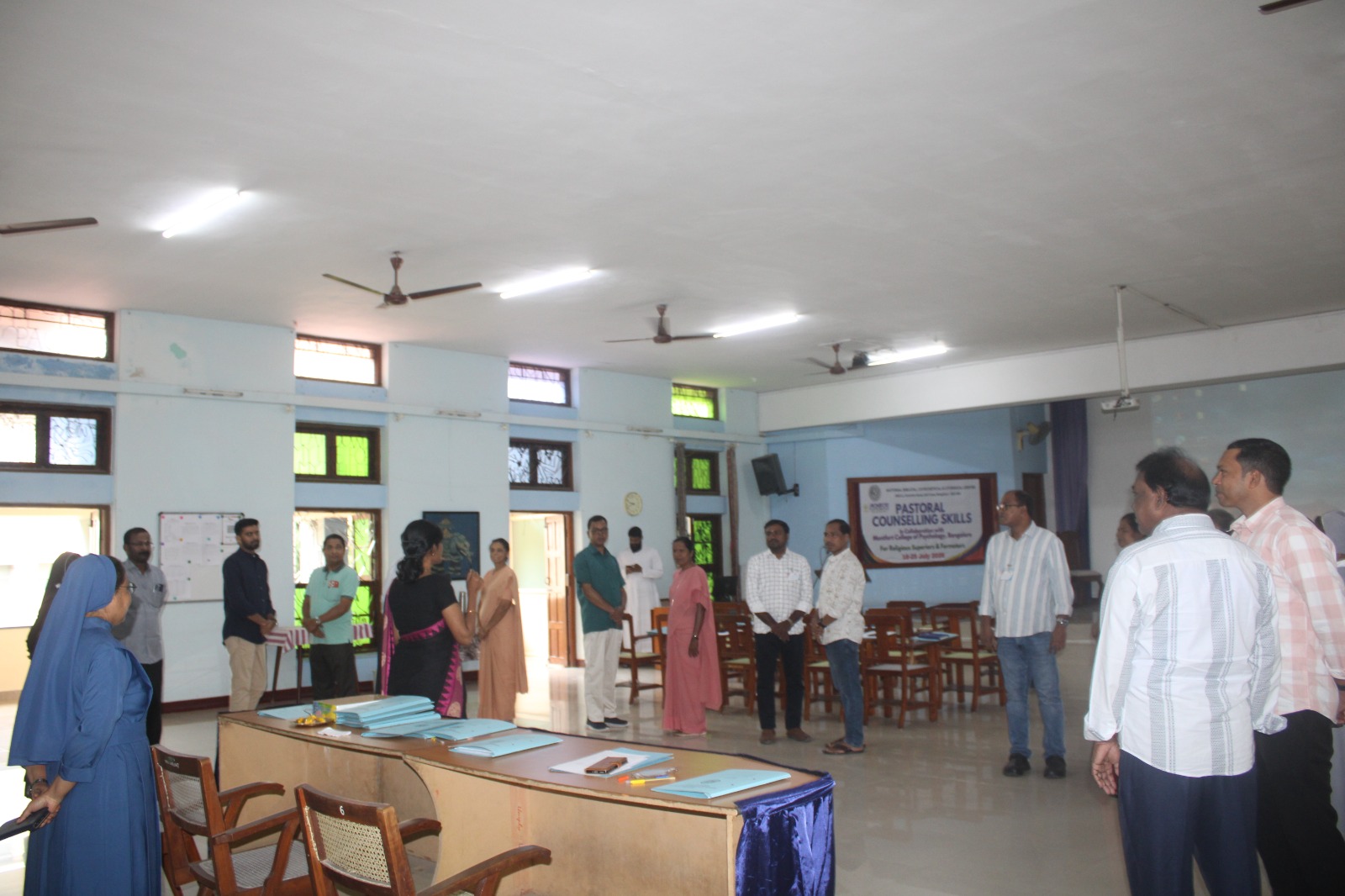
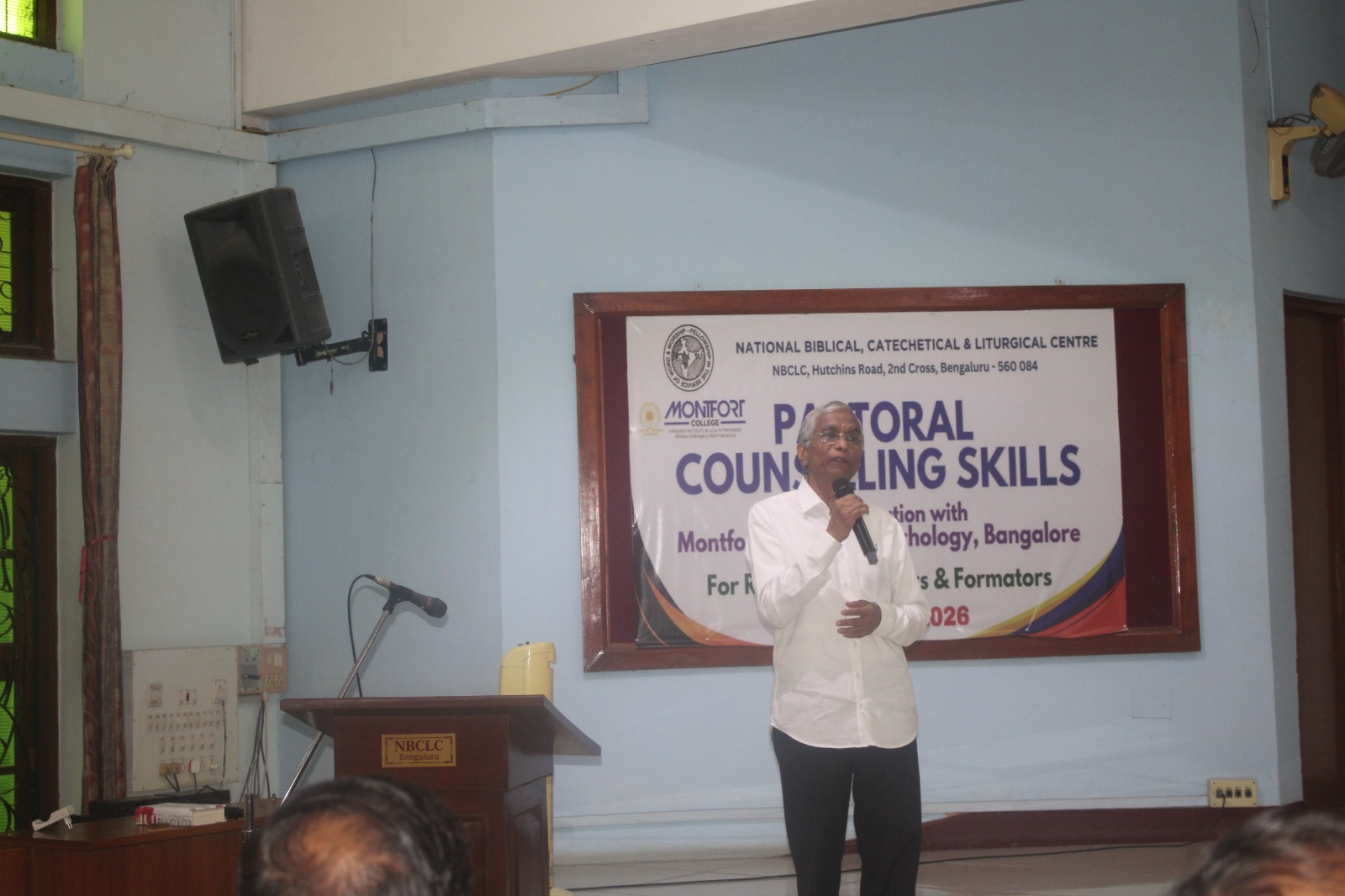
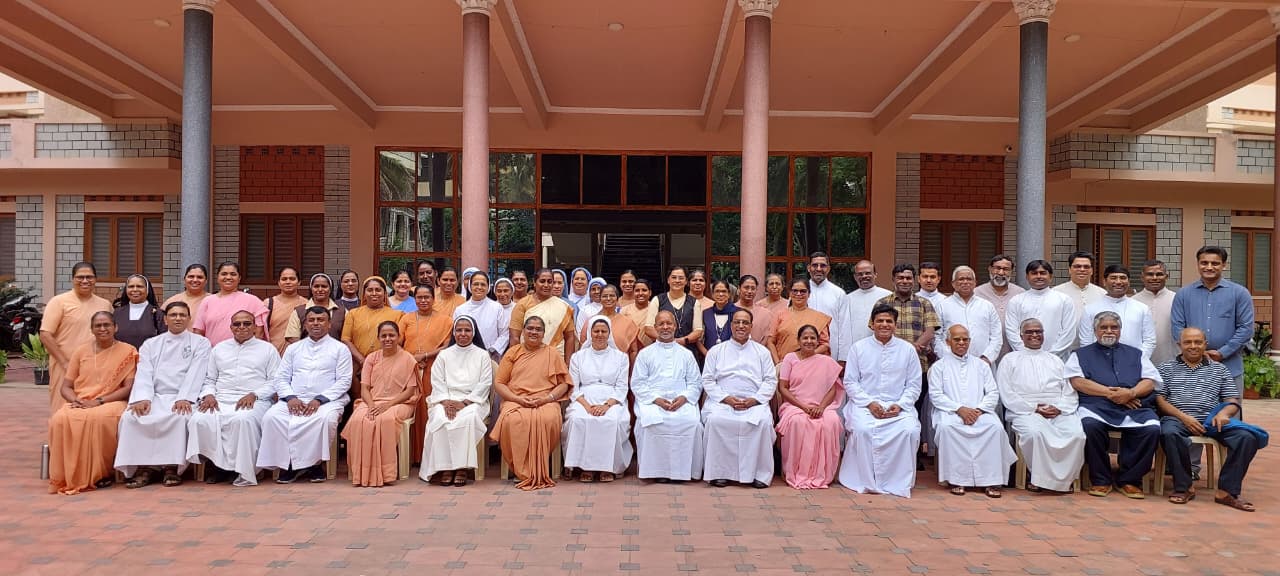
Bengaluru, August 3, 2026: Pastoral ministry increasingly calls for more than theological knowledge; it requires the ability to listen, understand human struggles and accompany people with empathy and hope. Responding to this need, the National Biblical Catechetical and Liturgical Centre (NBCLC), Bengaluru, organised an eight-day Pastoral Counselling Course from July 18 to 25.


The programme brought together 22 priests, women religious and brothers from different dioceses and religious congregations, providing them with an opportunity to deepen their understanding of counselling and strengthen skills essential for pastoral accompaniment.
The course integrated biblical, theological, psychological and pastoral perspectives, recognising the need for Church personnel to understand both the spiritual and human dimensions of those they serve.


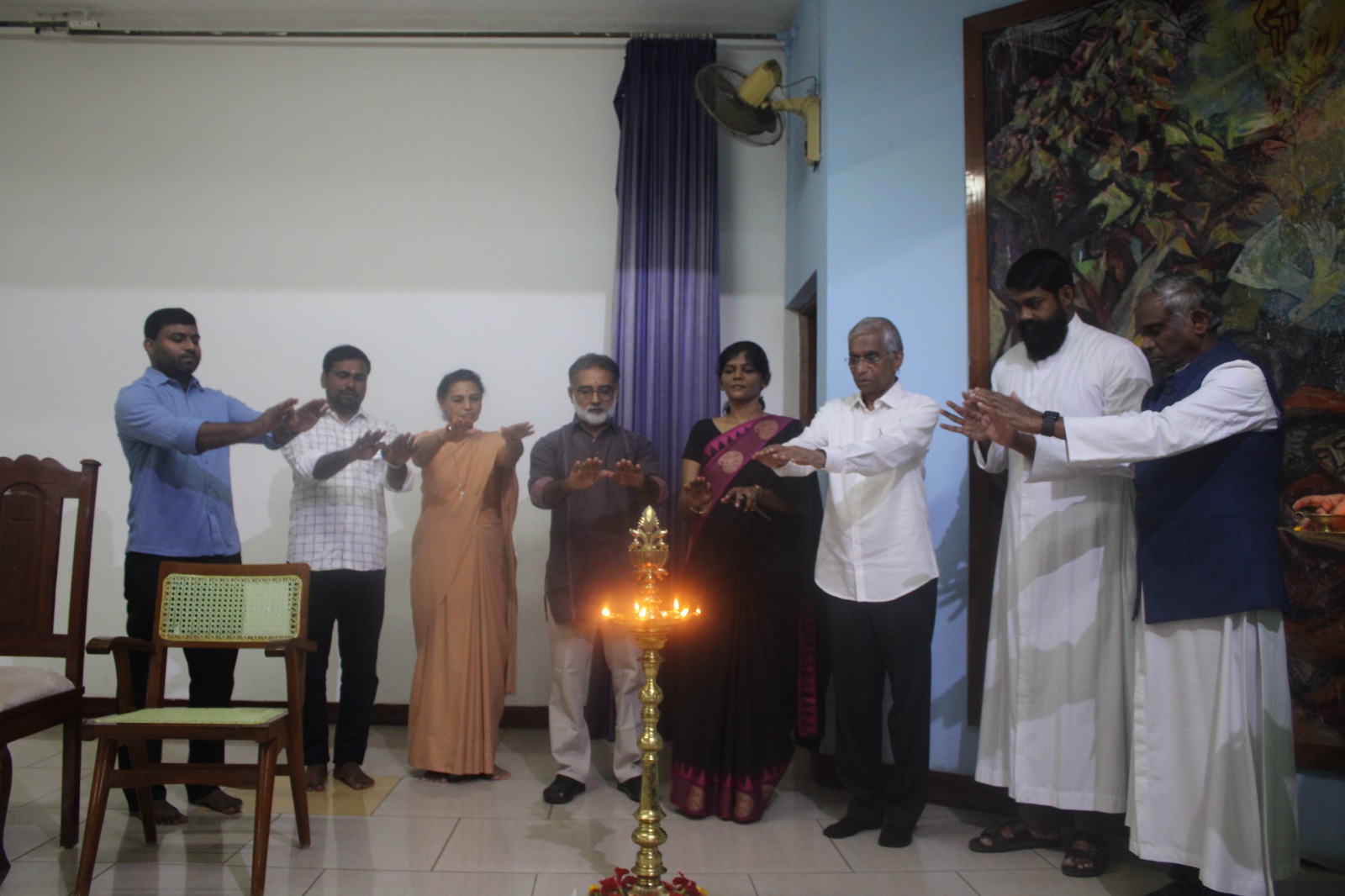
The programme began with an inaugural ceremony and the traditional lighting of the lamp by Fr John Baptist, Director of NBCLC; Fr Nysson, Assistant Director; and faculty members from Montfort College. Fr John Baptist welcomed the participants, while Fr Nysson introduced the resource persons and presented the objectives of the course.
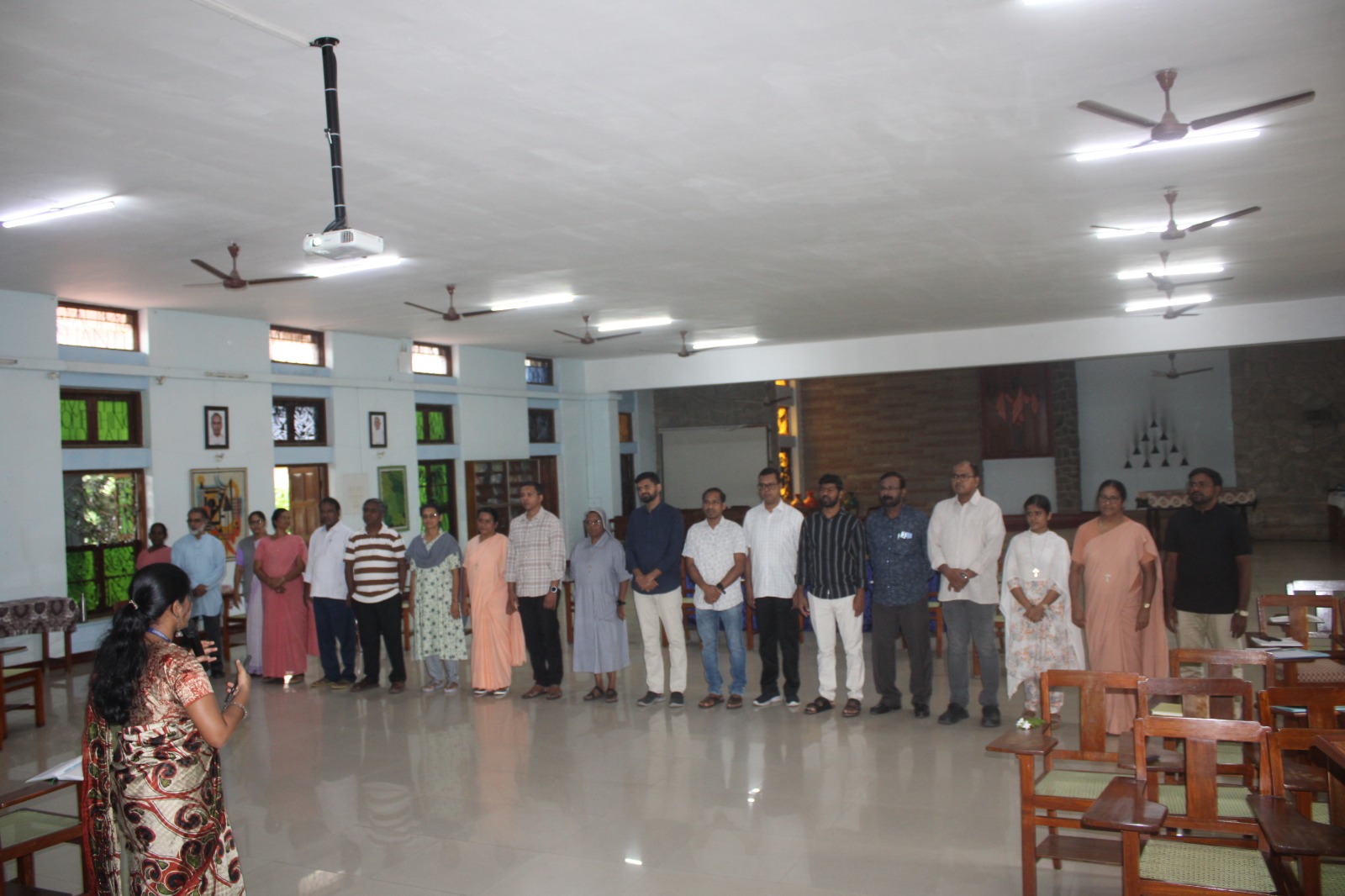
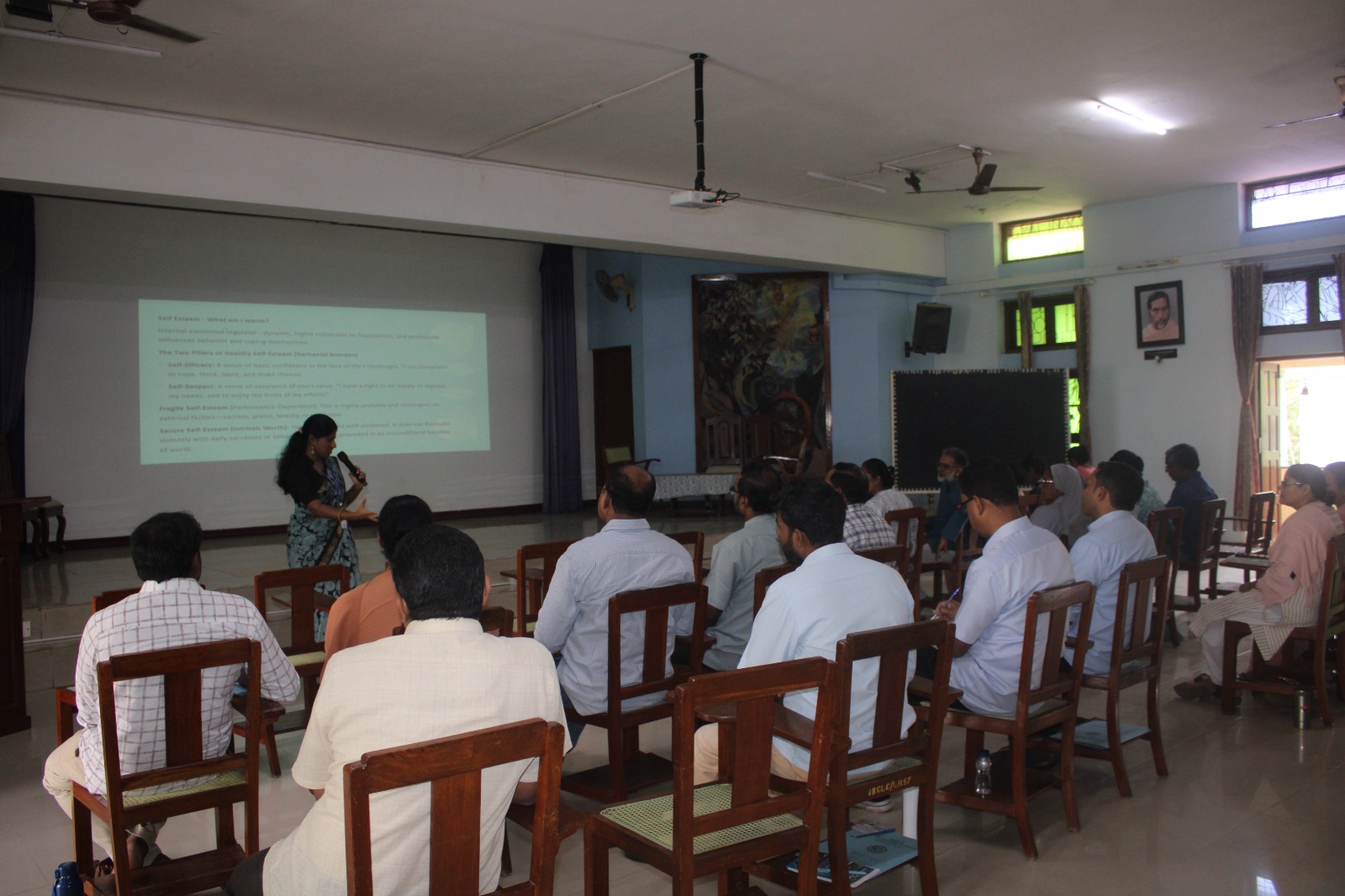
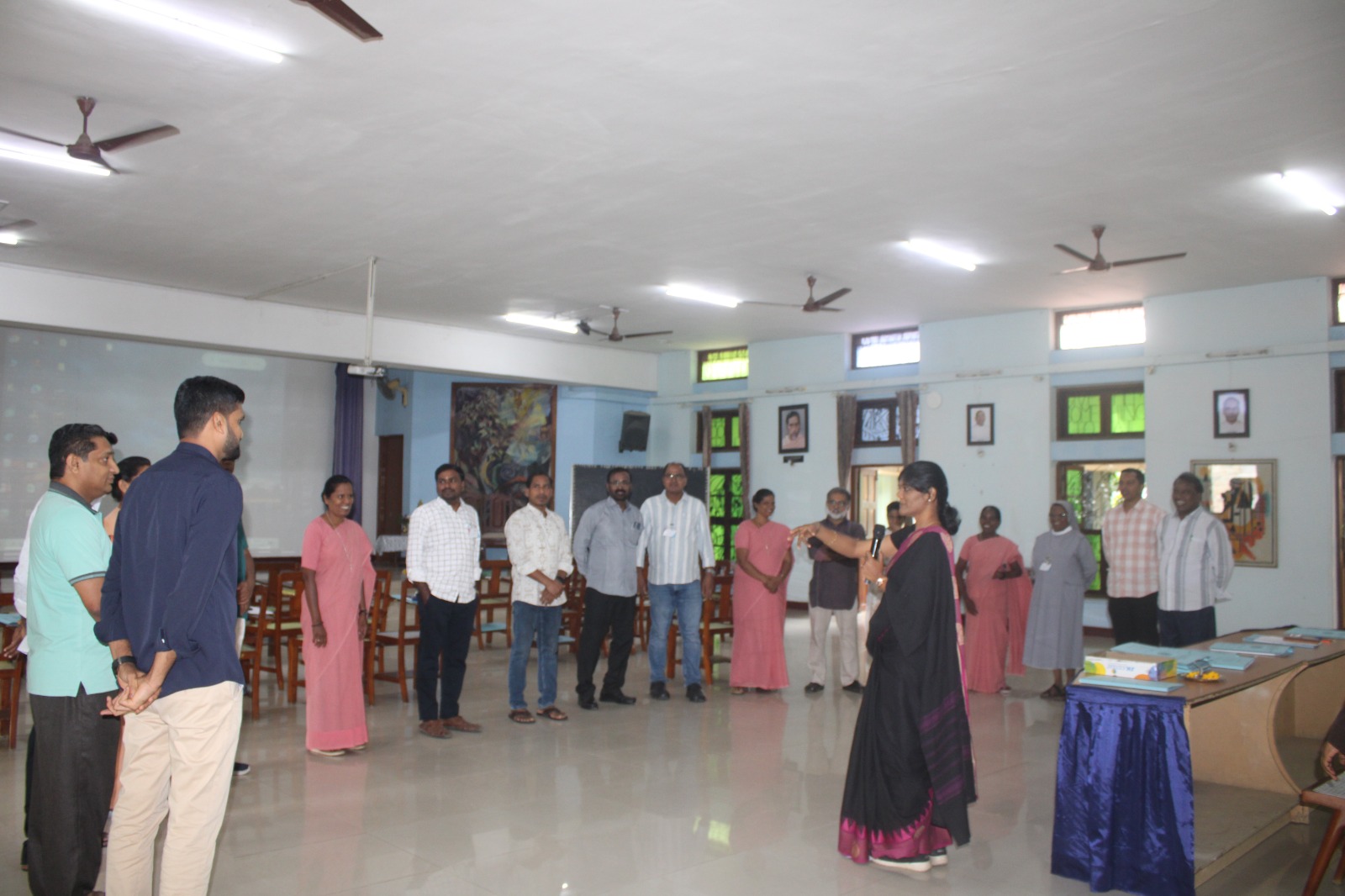
Throughout the eight days, participants explored areas directly relevant to pastoral ministry, including emotional awareness and healing, self-concept, listening and communication, reflection of feelings and reframing. Practical counselling techniques were reinforced through role plays and supervised exercises.
Particular attention was given to challenges frequently encountered in pastoral settings. Sessions addressed common mental health concerns and addiction counselling, as well as approaches to marriage and family accompaniment, including the Gottman Method of Couple Therapy.
Participants were also introduced to Virginia Satir’s Iceberg Model, which helps explore the deeper emotions and experiences beneath human behaviour, and Albert Ellis’ Rational Emotive Behaviour Therapy (REBT), including the ABCDEF model for identifying and addressing unhealthy patterns of thinking.
The emphasis on practical learning enabled participants to move beyond theoretical understanding and develop greater confidence in applying counselling skills. Through supervised exercises, they were encouraged to examine their own patterns of communication and deepen their capacity for attentive listening and compassionate response.
For pastoral ministers, such skills are increasingly important as they accompany people facing emotional distress, family difficulties, addiction, relationship struggles and other personal challenges. The course underlined the importance of creating safe and respectful spaces where people can speak openly and experience acceptance and support.
Participants appreciated the practical orientation of the programme and the opportunity to practise counselling techniques under supervision. The experience also helped them recognise the importance of self-awareness and personal growth in becoming effective pastoral companions.
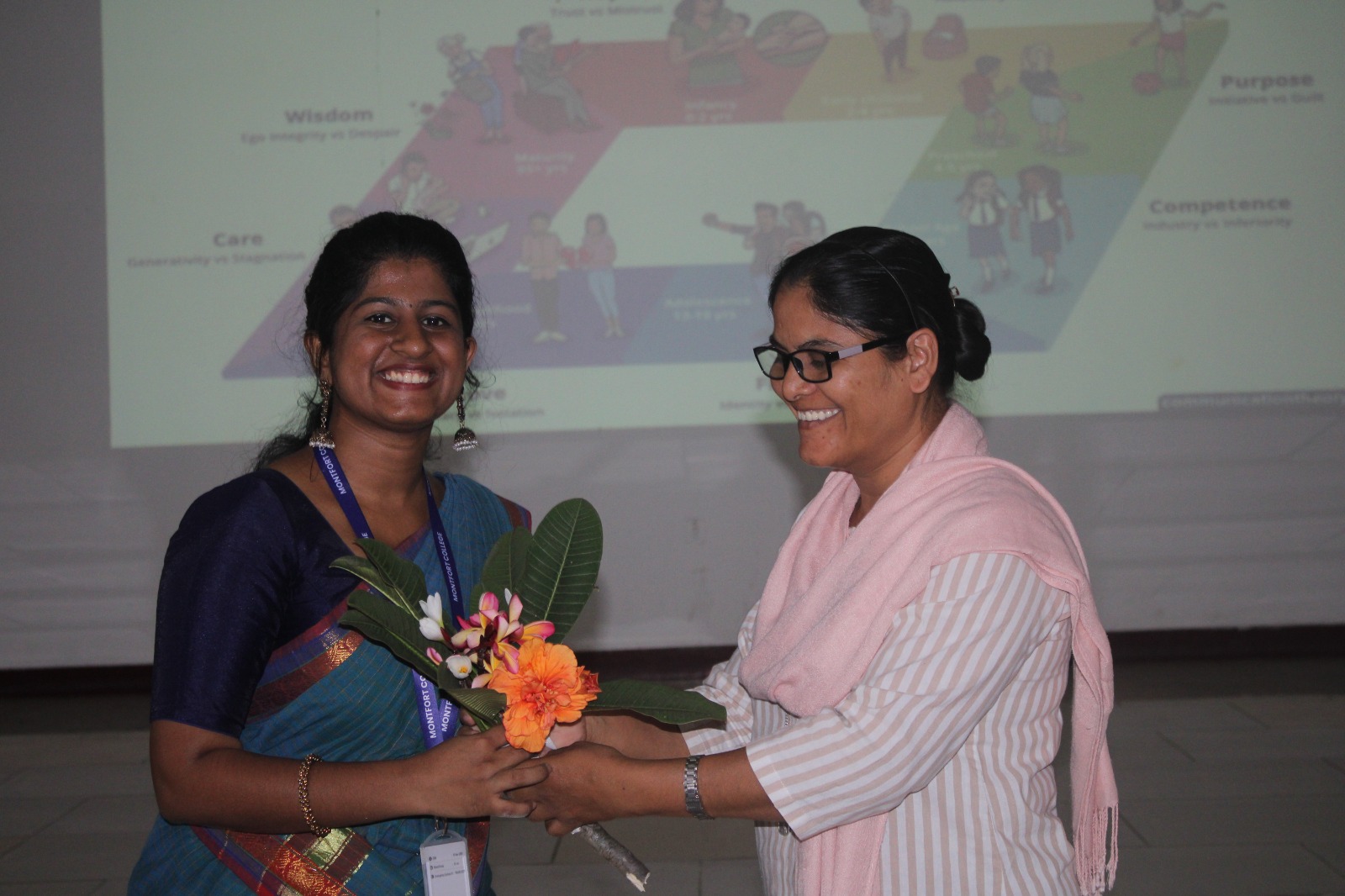
The course concluded with an evaluation, a vote of thanks and the distribution of certificates.
The organisers expressed hope that participants would carry the learning into their dioceses and religious communities, strengthening pastoral ministry through a more attentive, compassionate and holistic approach to accompanying God’s people.
The programme reaffirmed the Church’s pastoral vocation to walk with people in their joys and struggles, offering not only spiritual guidance but also understanding, presence and hope.
By Catholic Connect Reporter

© 2026 CATHOLIC CONNECT POWERED BY ATCONLINE LLP