- 02 May, 2026

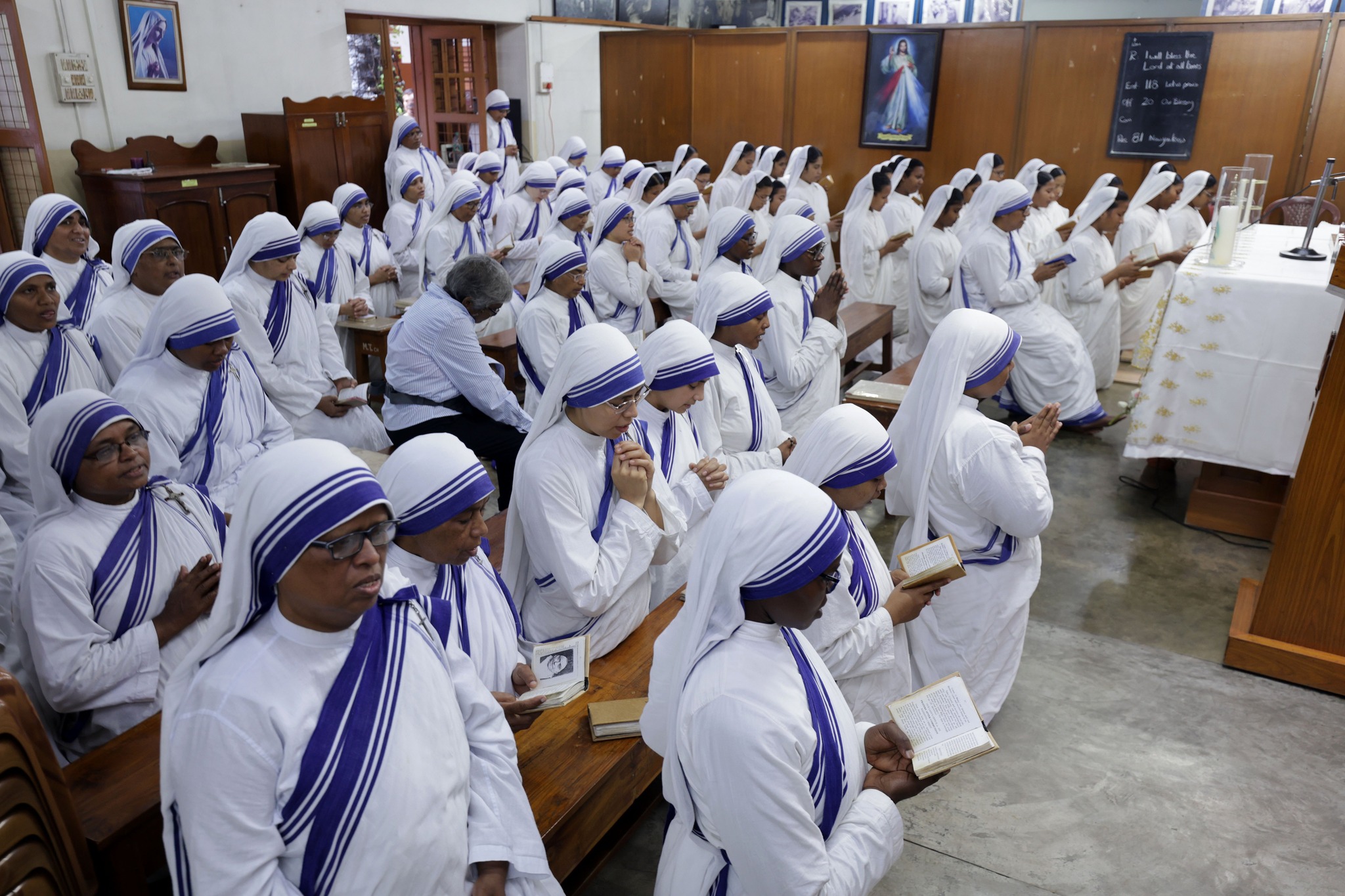
Kolkata , May 1, 2026 — In a striking development during the ongoing state elections in West Bengal, members of the Missionaries of Charity—the order founded by Mother Teresa—were forced to approach the courts to secure their fundamental right to vote after their names were removed from the electoral rolls.

The controversy stems from a large-scale revision conducted under the Election Commission of India, which led to the deletion of thousands of names across the state. Among those affected were at least 55 nuns based in Kolkata, whose appeals were only upheld on April 28—just hours before polling began—allowing them to cast their votes.
A nun from the Mother House confirmed that the court reinstated the names of dozens of sisters across the city. She expressed gratitude to Derek O’Brien for his assistance, as well as to the Election Commission for reviewing the matter. However, the situation highlighted significant procedural challenges faced by the nuns.


Many of the sisters, particularly those residing at the Mother House and Nirmala Shishu Bhavan, had been removed from voter lists during initial scrutiny. Affected individuals were primarily registered in the Chowringhee constituency. Reports indicate that over 120 nuns were summoned for hearings, as authorities questioned their documentation and linkage to previous electoral records.
During the proceedings, the sisters presented identification documents such as passports, Aadhaar cards, and tax identification numbers. However, difficulties arose because many lacked birth certificates or parental records—documents often required under verification norms. Additionally, upon entering religious life, nuns typically adopt new names, leading to discrepancies between civil and ecclesiastical records.
The issue affecting the Missionaries of Charity reflects a broader crisis. The controversial Special Intensive Revision (SIR) reportedly led to the removal of approximately 9.1 million names from voter rolls in West Bengal, with many of those affected belonging to Bengali-speaking communities. Critics argue that the scale and manner of the revision have raised serious questions about inclusivity and fairness in the electoral process.
Political reactions have been sharply divided. Amit Shah defended the revision as necessary for national security, citing concerns over undocumented migrants. Meanwhile, the Trinamool Congress, led by Chief Minister Mamata Banerjee, has strongly criticized the exercise, calling it a “constitutional crime” and alleging that it disproportionately targeted vulnerable populations.
Despite the controversy, voter turnout reached an unprecedented level. Across two phases of polling, nearly 93% of eligible voters cast their ballots—one of the highest participation rates in the state’s history. Analysts suggest that the electoral roll dispute may have galvanized citizens to assert their democratic rights more strongly.
As polling concluded, exit polls suggested a narrow lead for the Bharatiya Janata Party. However, experts have urged caution, noting that high turnout and past inconsistencies make such projections unreliable. Official results are expected on May 4, alongside outcomes from other regions including Tamil Nadu, Assam, and Puducherry.
For many observers, the experience of the Missionaries of Charity underscores a deeper issue: the vulnerability of even well-established communities when bureaucratic processes become restrictive. That women devoted to serving the poorest had to fight in court for the right to vote has become a powerful symbol of the challenges facing democratic participation today.
As the nation awaits the final results, the episode serves as a reminder that the right to vote—fundamental to any democracy—must be protected with vigilance, fairness, and inclusivity for all.
Courtesy Nirmala Carvalho (AsiaNews)
© 2026 CATHOLIC CONNECT POWERED BY ATCONLINE LLP