- 03 June, 2026

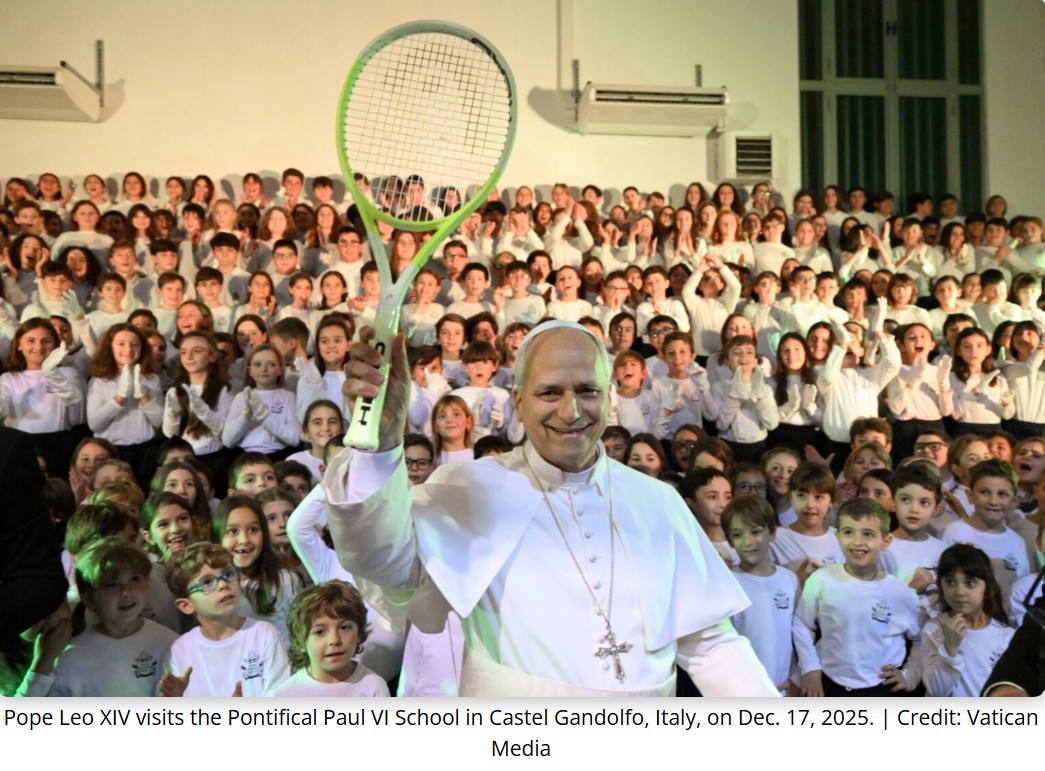
Vatican City, June 3, 2026: In a world increasingly divided by conflict, polarisation, and social isolation, Pope Leo XIV has chosen a surprising but powerful theme for his June prayer intention: the values of sports. His message has resonated with athletes, coaches, youth leaders, and sports fans around the globe. Calling sport a "school of fraternity" and a "path of peace," the Holy Father reminds us that the playing field can become a place where humanity learns some of life's greatest lessons.


The Catholic Church has long recognized the importance of physical activity and sport in the development of the human person. Drawing inspiration from St. Paul's athletic imagery in his letters, the Church has often compared the Christian life to a race requiring discipline, perseverance, and commitment.
Throughout history, Catholic schools, parishes, and youth organizations have promoted sports as a means of building character, teamwork, and moral values. Popes have frequently encouraged young people to engage in sports, seeing them not merely as competition but as a pathway to personal growth and community building.
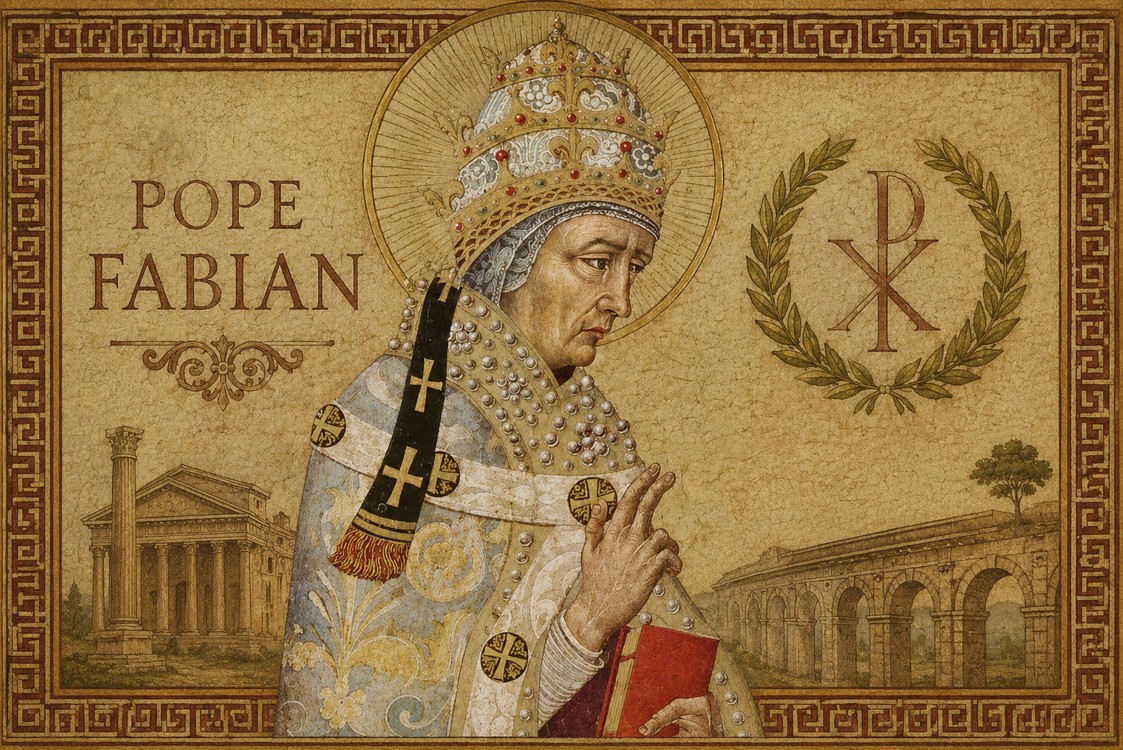
Several popes have been known for their enthusiasm for sports:


In his June prayer intention, Pope Leo XIV described sport as one of the few activities capable of bringing people together during times of war and division.
"Let us pray this June that sport may be an instrument of peace, encounter, and dialogue among cultures and nations," he said.
His prayer highlights a profound truth: sports transcend borders, languages, cultures, and ideologies. Whether it is football in Brazil, cricket in India, basketball in the United States, or athletics in Africa, sport creates a common language understood by millions.
The Pope's prayer emphasizes several values that make sports essential for society:
Every game requires respect for opponents, officials, coaches, and teammates. Athletes learn that true victory is impossible without honouring the dignity of others.
Sport teaches people to work together toward a common goal. Success is rarely achieved alone. Teams thrive when players support one another and share responsibility.
Training develops discipline, resilience, and perseverance. Athletes learn how to handle both success and failure with humility.
The Holy Father stresses that sport should never become a source of violence or hatred. Instead, it should foster friendship, dialogue, and understanding among people from different backgrounds.
Sport has the power to unite people regardless of race, religion, nationality, or social status. It creates spaces where everyone can participate and belong.
At a time when many young people struggle with loneliness, anxiety, and excessive screen time, sports offer a healthy alternative. They encourage physical fitness, mental well-being, social interaction, and meaningful friendships.
For the laity, sports can strengthen parish communities and families. For young people, they provide opportunities to develop leadership skills and self-confidence. For society as a whole, sports can build bridges where politics and ideology often create walls.
Pope Leo XIV's prayer reminds us that sport is about far more than trophies and medals. It is about becoming better human beings. On the field, we learn cooperation, sacrifice, perseverance, and respect—virtues that are equally important in everyday life.
Whether one is a professional athlete, a weekend footballer, a parish volleyball player, or simply a supporter cheering from the sidelines, sport has something valuable to offer. As the Holy Father beautifully suggests, when played in the right spirit, every game can become a lesson in fraternity, peace, and hope.
In a divided world, perhaps the simple act of playing together is one of the most powerful ways to bring people closer together.
Courtesy :Deborah Castellano Lubov (Vatican News)
Picture Courtesy : Vatican Media
© 2026 CATHOLIC CONNECT POWERED BY ATCONLINE LLP