- 13 July, 2026
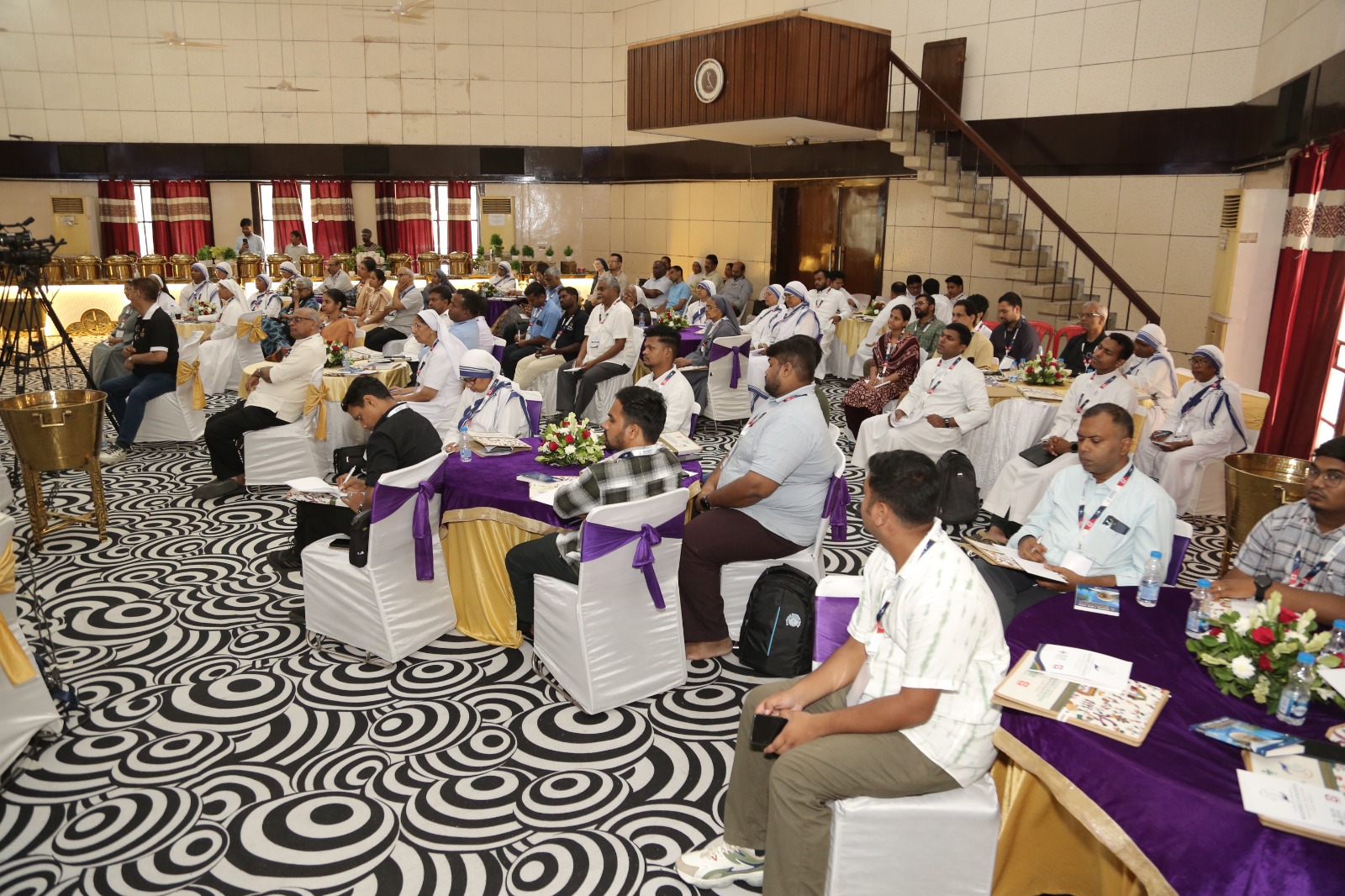
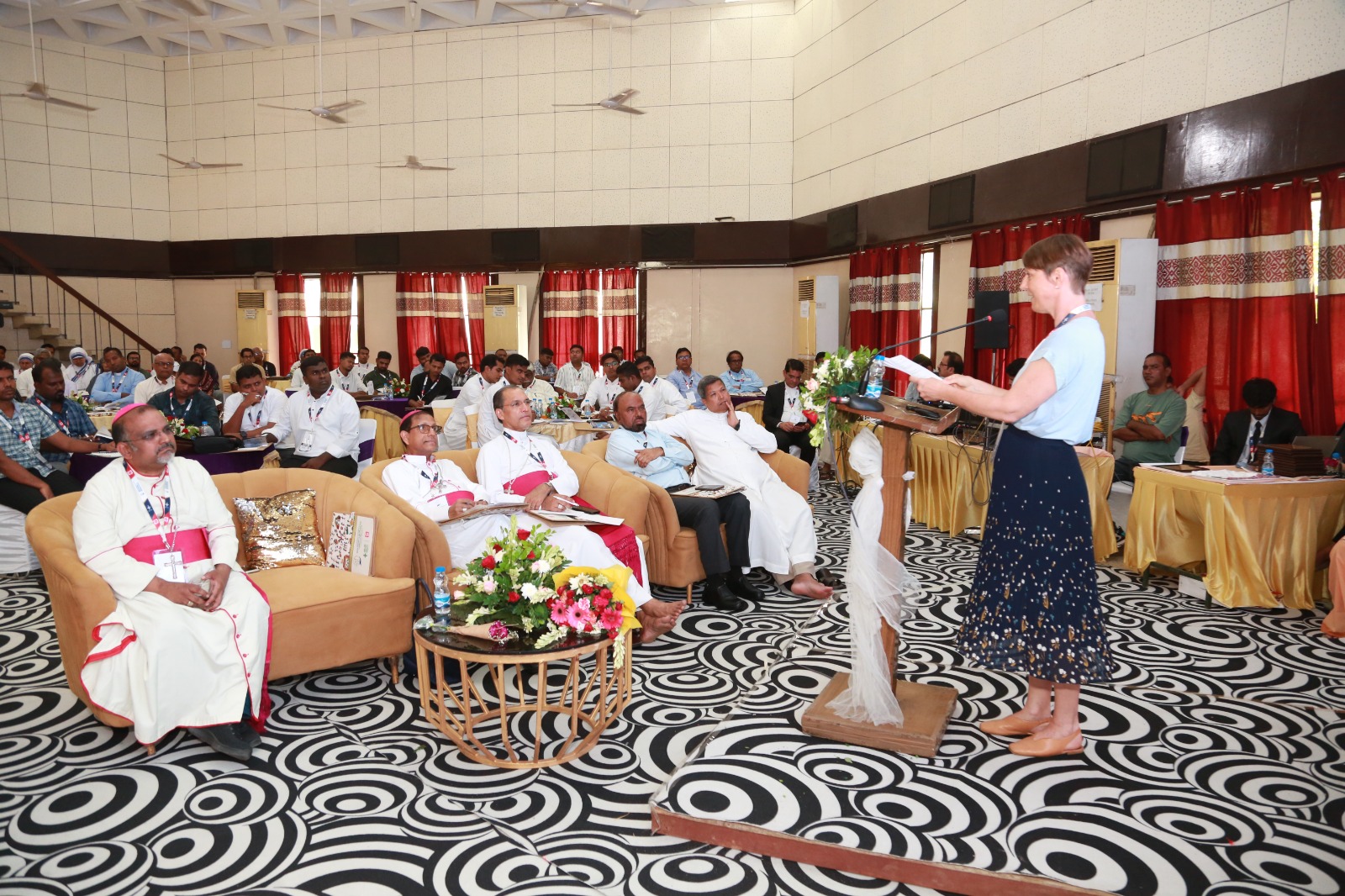
NEW DELHI, July 13: The Catholic Bishops' Conference of India Office for Social Communication (CBCI-OSC), in collaboration with the National Institute for Social Communications, Research and Training (NISCORT), hosted an international symposium on Magnifica Humanitas on July 11, bringing together Church leaders, theologians, communication experts and technology professionals to reflect on safeguarding human dignity in the age of artificial intelligence.


Inspired by the recent encyclical of Pope Leo XIV, the symposium explored how technological innovation can remain at the service of humanity and the common good while fostering ethical and theological engagement with the rapid advances in artificial intelligence.
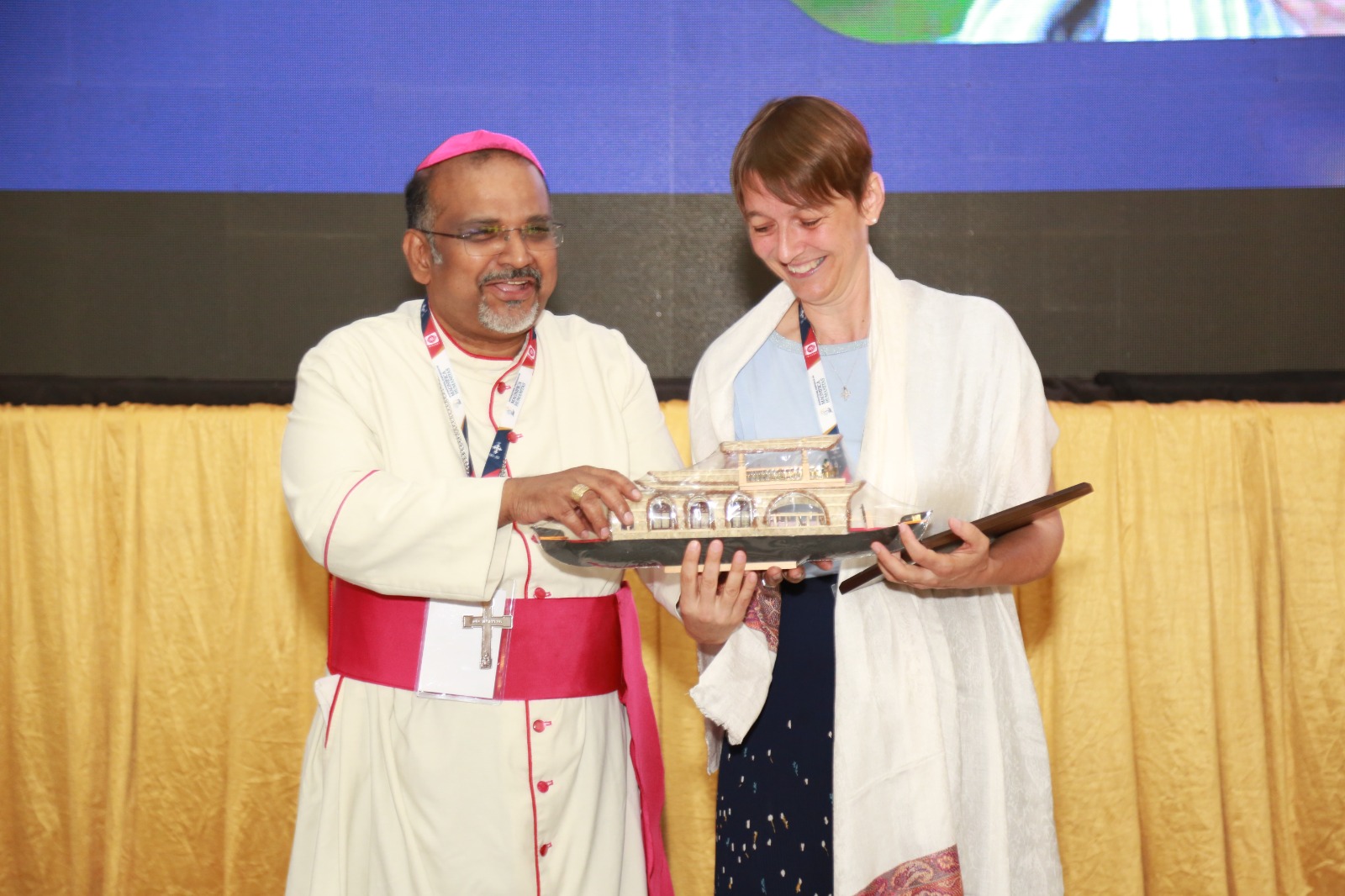
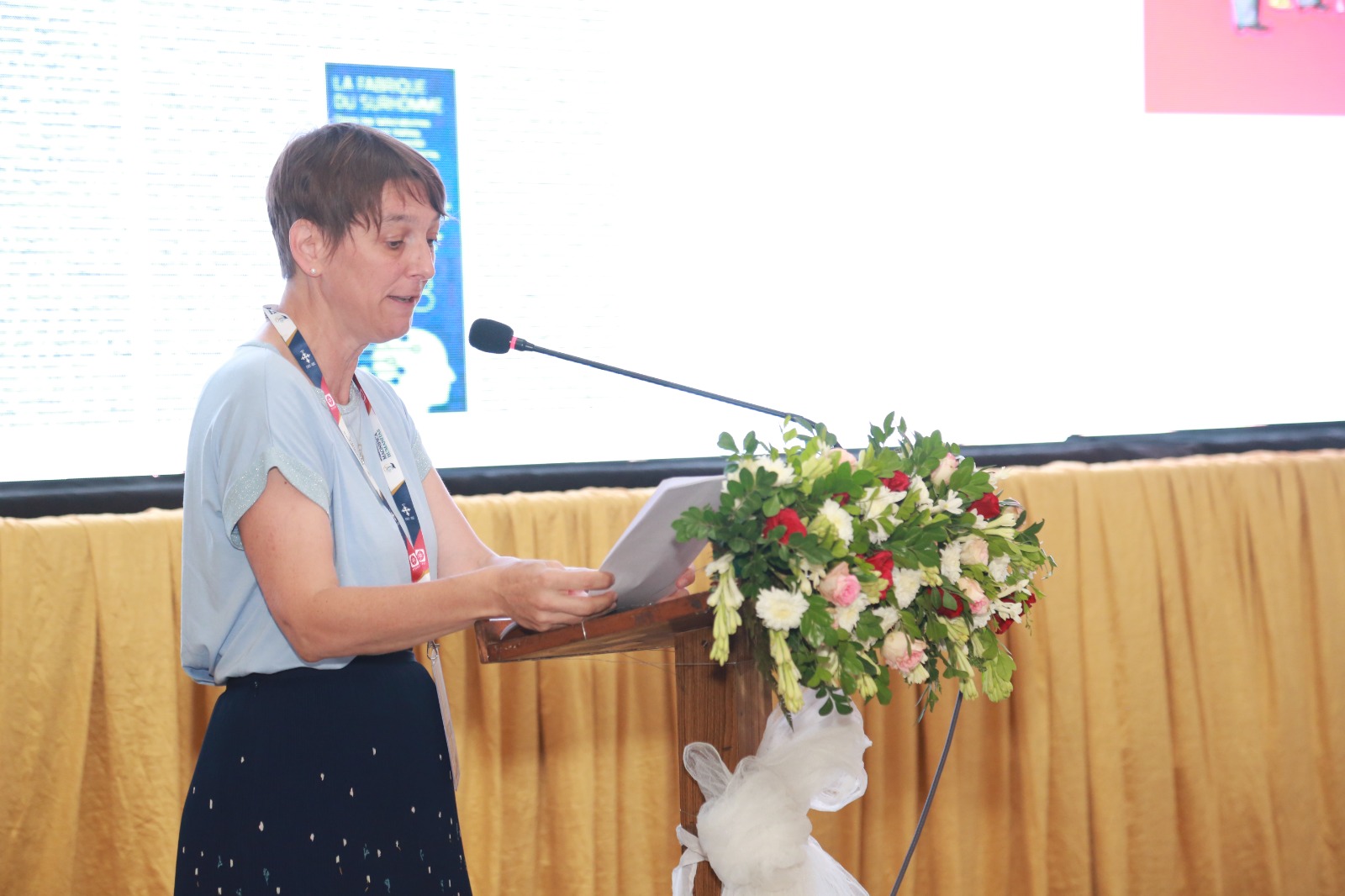
Delivering the keynote address, Dr. Natasa Govekar, Director of the Theological-Pastoral Department at the Vatican's Dicastery for Communication, underscored the uniqueness of every human person.


"No computational system, however sophisticated, can create a human heart," she said, urging participants to ensure that technological progress remains rooted in a genuinely human-centred and relational vision.
Welcoming the participants, Dr. Mathew Koyickal, Deputy Secretary General of the CBCI and Director of the CBCI Centre, observed that artificial intelligence is transforming communication, education and human relationships. He stressed the need to engage these developments through ethical reflection and responsible action.
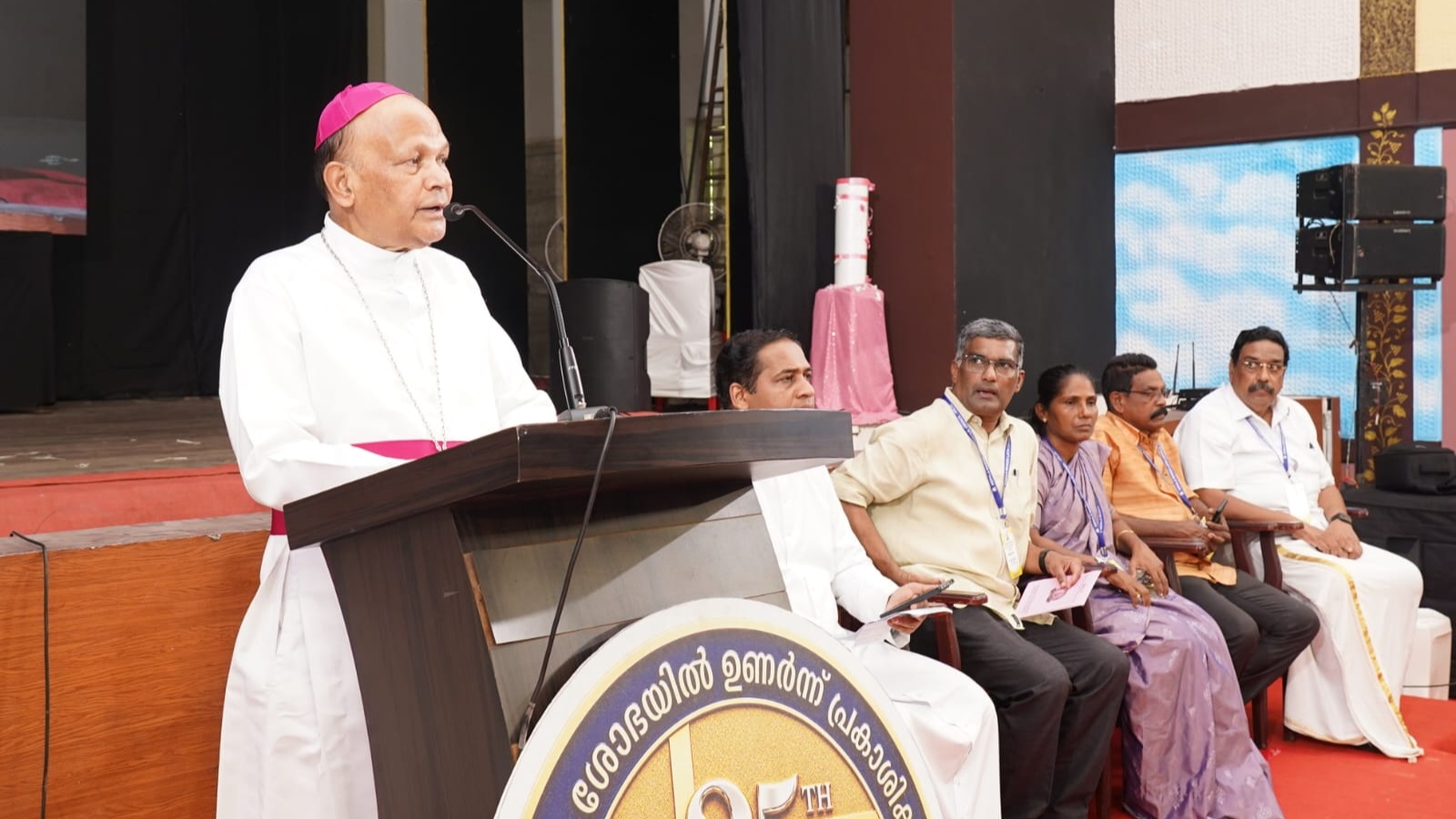
In his inaugural address, Archbishop Kuriakose Bharanikulangara of Faridabad said Pope Leo XIV's encyclical calls the Church to promote "peace, communion, and the civilisation of love and solidarity," while reaffirming the inherent dignity of every human person.
Presiding over the symposium, Bishop Rayarala Vijayakumar, Chairman of the CBCI Office for Social Communication and NISCORT, emphasised that technological progress must benefit everyone.
"Humanity is running a race together. Reaching together the destination determined by God is what truly matters," he said, adding that no one should be left behind in the digital age.
Representing the Apostolic Nunciature in India, Fr. Alberto Napolitano, First Secretary, warned that contemporary society is witnessing an erosion of human and democratic values. He called for a human-centred approach to artificial intelligence, insisting that technology must always serve people rather than replace them.
The symposium was moderated by Dr. Magimai Pragasam, media expert and Director of the Centre for Communication and Mind Management. Introducing the theme, he referred to theologian Prof. Sherman Kuek's observation that artificial intelligence cannot distinguish truth from falsehood and cautioned against allowing technology to replace human judgement. He noted that Pope Leo XIV's encyclical presents both the opportunities and the dangers associated with AI.
Reflecting on the ethical dimensions of artificial intelligence, Auxiliary Bishop Stephen Fernandes of Bombay said that human dignity is inherent and cannot be earned. He maintained that stewardship, rather than domination, should guide technological development and insisted that moral responsibility can never be delegated to machines.
Offering a theological perspective, Prof. Thomas Vadakkel, Secretary of the Kerala Catholic Bishops' Council Doctrinal Commission, reflected on AI's growing influence on human reasoning, imagination and creativity. He argued that human dignity is rooted in being created in the image and likeness of God rather than in intelligence or technological capability. He proposed that the proper order should always remain "God – Human Person – Technology" and reminded participants that freedom carries greater responsibility.
Speaking from a pastoral perspective, Rev. Dr. Babu Joseph, Director of SVD Sadbhavana, said artificial intelligence has become an unavoidable reality, particularly for young people seeking answers to life's questions. He urged the Church to accompany young people through personal presence, pastoral care and greater investment in digital literacy and AI education, emphasising that technology should remain an assistant to humanity and never its substitute.
Presenting the technological perspective, AI expert Dr. Vimal Jerald of St. Joseph's College, Tiruchirappalli, cautioned against reducing people to data.
"When people become data, technology loses its values," he said, warning that artificial intelligence is never neutral and should be directed towards human development rather than domination.
Summarising the deliberations, Dr. Pragasam highlighted the need for ethical discernment, theological reflection, pastoral accompaniment and responsible technological innovation in responding to the challenges posed by artificial intelligence.
The symposium also marked the launch of the new logo of the CBCI Office for Social Communication and its redesigned website by Dr. Govekar.
Fr. Robinson Rodrigues, Director of NISCORT, proposed the vote of thanks, expressing gratitude to Bishop Rayarala Vijayakumar, Fr. Biju Alappat, Secretary of CBCI-OSC, the organising team, speakers and participants, with special appreciation for Dr. Govekar's keynote address and contribution to the international gathering.
By Catholic Connect Reporter
© 2026 CATHOLIC CONNECT POWERED BY ATCONLINE LLP