- 30 April, 2026

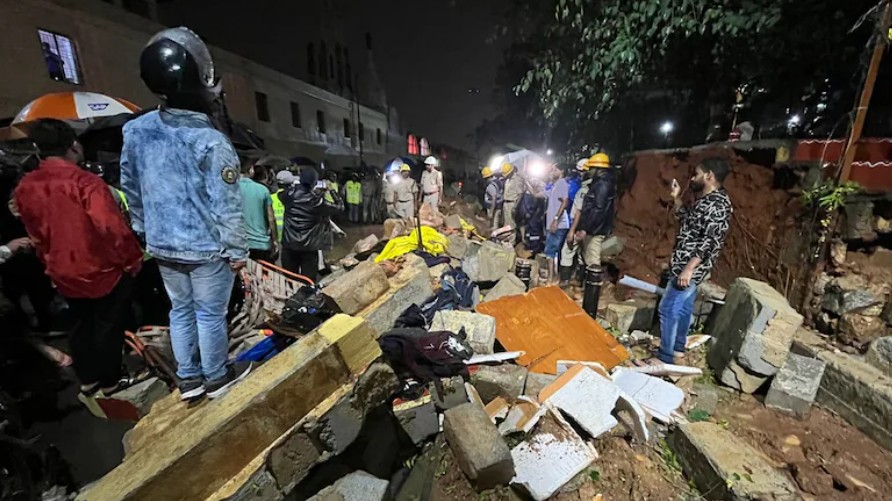
Bengaluru, April 30, 2026: In the wake of the devastating wall collapse at Bowring and Lady Curzon Hospital, Bengaluru is not only mourning the lives lost but also witnessing a renewed call for accountability, safety, and systemic reform.

The incident, triggered by relentless rains, claimed seven lives at the hospital site—including two children—while citywide rain-related fatalities rose to eight. The victims were among the most vulnerable: daily-wage workers and their families who had taken shelter near the compound wall, unaware of the danger looming over them.
Their identities—now reported across major publications—tell stories of ordinary people caught in extraordinary tragedy. Men and women striving to make a living, children whose futures were just beginning—lives cut short in a moment that could perhaps have been prevented.
In response, both the State and Central governments moved swiftly to provide financial assistance:


While these gestures offer immediate support, they also underscore a deeper question echoing across the city: can compensation ever truly address a loss rooted in systemic failure?
What has followed, however, signals that this tragedy may become a catalyst for change.
Chief Minister Siddaramaiah has ordered a high-level inquiry, with early findings pointing to the wall’s dilapidated condition. Deputy Chief Minister D.K. Shivakumar acknowledged lapses, reinforcing concerns that long-standing structural neglect may have contributed to the disaster.
The issue has now reached the Lokayukta, amplifying demands for accountability. Cases have reportedly been filed against senior officials, and the investigation is expected to examine whether warning signs were ignored and maintenance delayed.
For many citizens, this marks a crucial shift—from grief to action.
Beyond Bowring Hospital, the incident has triggered broader concern about Bengaluru’s aging infrastructure. Experts warn that heavy rains are no longer rare events but recurring stress tests that expose hidden vulnerabilities.
Hospitals, schools, and public buildings—spaces meant to offer safety—are now under scrutiny. Calls for citywide structural audits and preventive maintenance are growing louder, with civic groups urging authorities to act before another tragedy strikes.
Even in grief, there is a quiet resilience emerging. Communities are coming together, conversations are shifting from reaction to prevention, and institutions are being compelled to answer difficult questions.
If there is a path forward, it lies here—in ensuring that those who lost their lives are not remembered only for how they died, but for the change their loss inspired.
Bengaluru now stands at a crossroad: one path leads back to neglect, the other toward accountability and safer public spaces. The choice, and the responsibility, is collective.
By Catholic Connect Reporter
Picture Courtesy : Reethu Rajpurohit (NDTV)




© 2026 CATHOLIC CONNECT POWERED BY ATCONLINE LLP