- 28 February, 2026
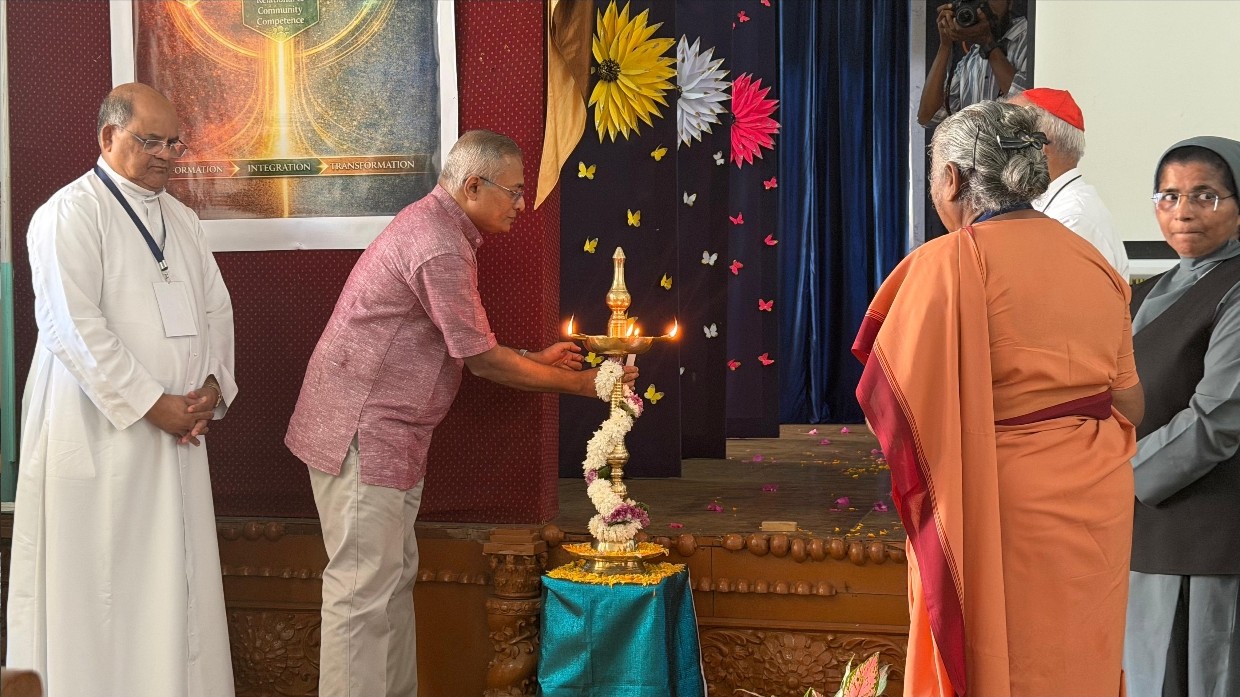
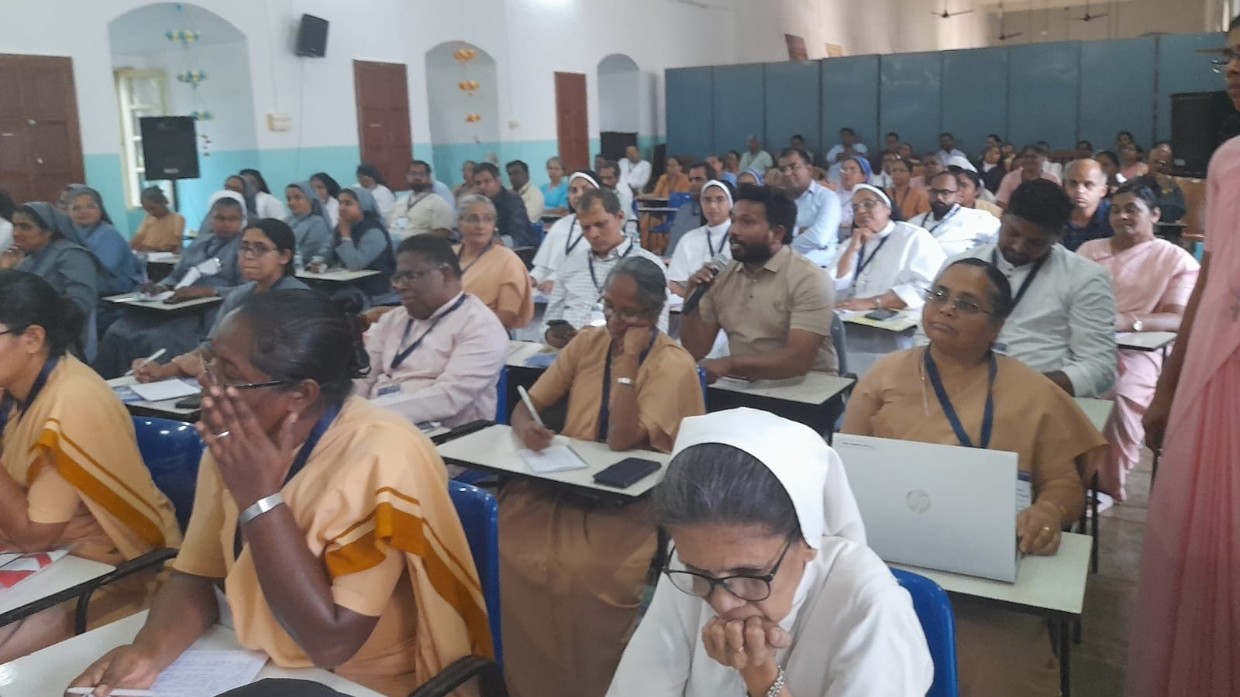
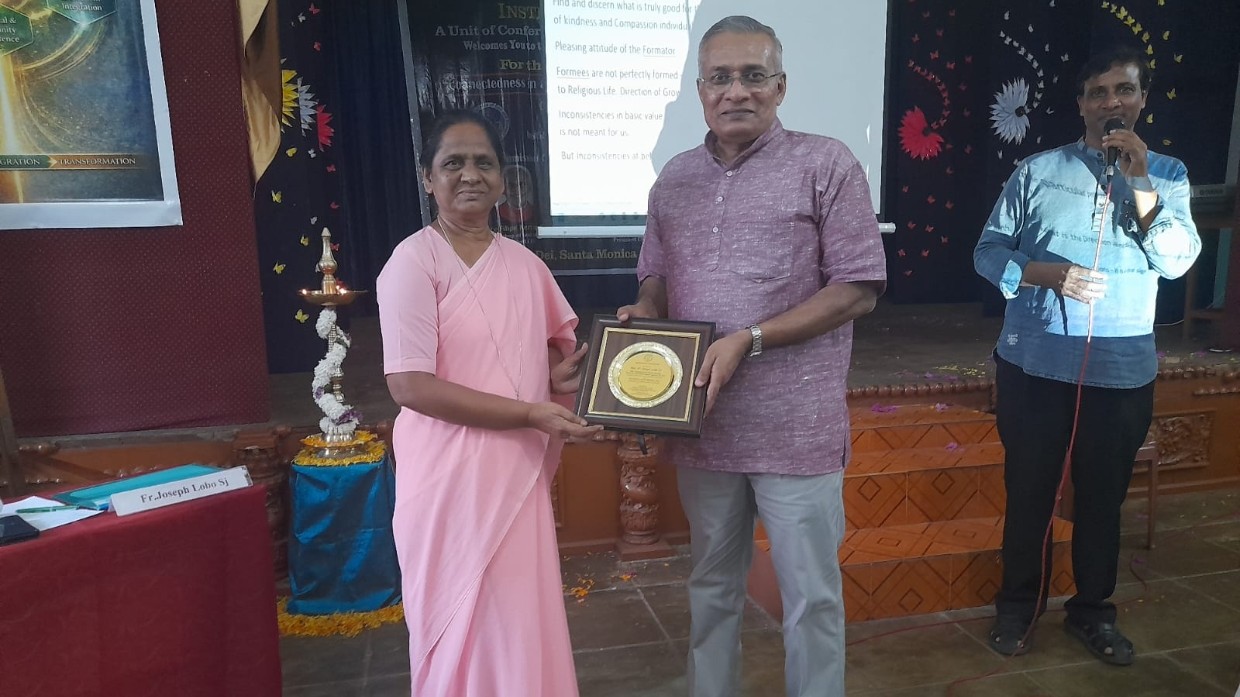
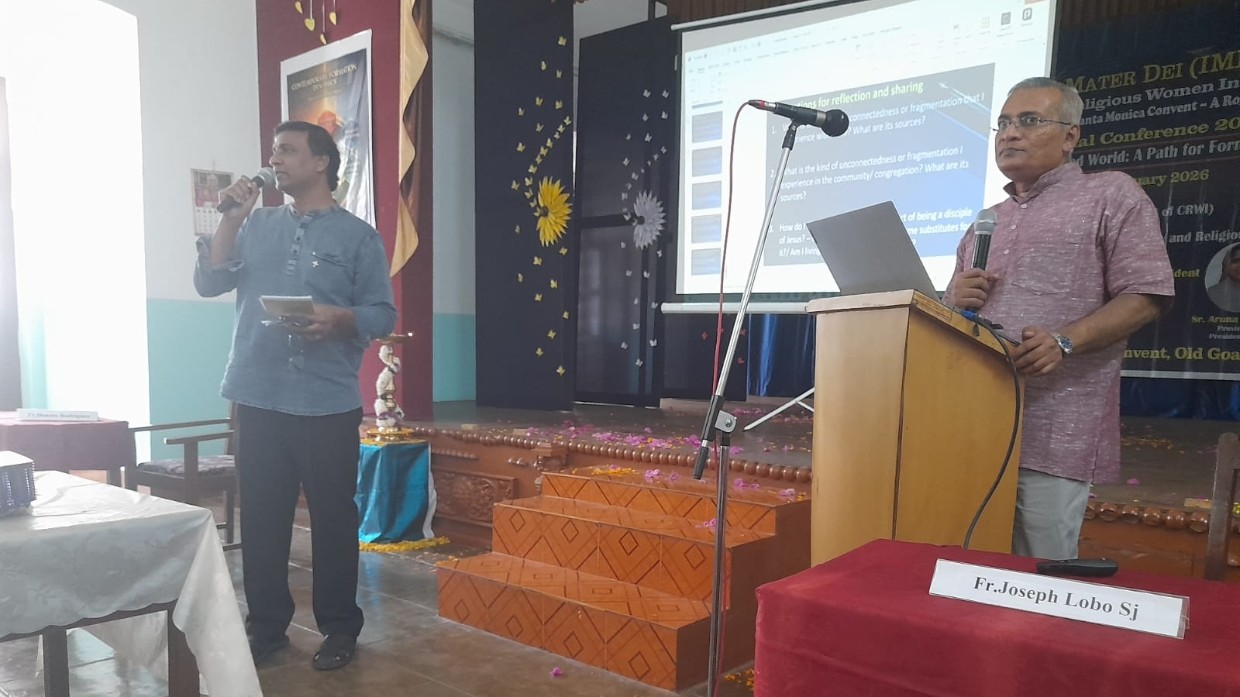
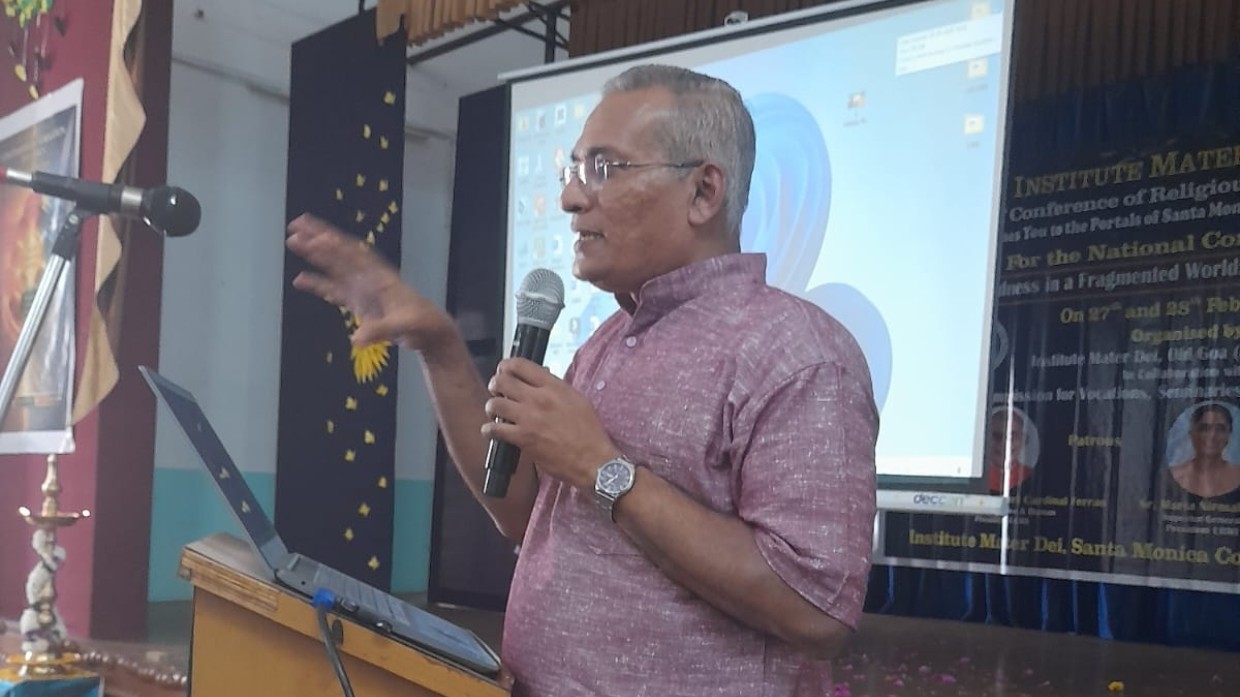
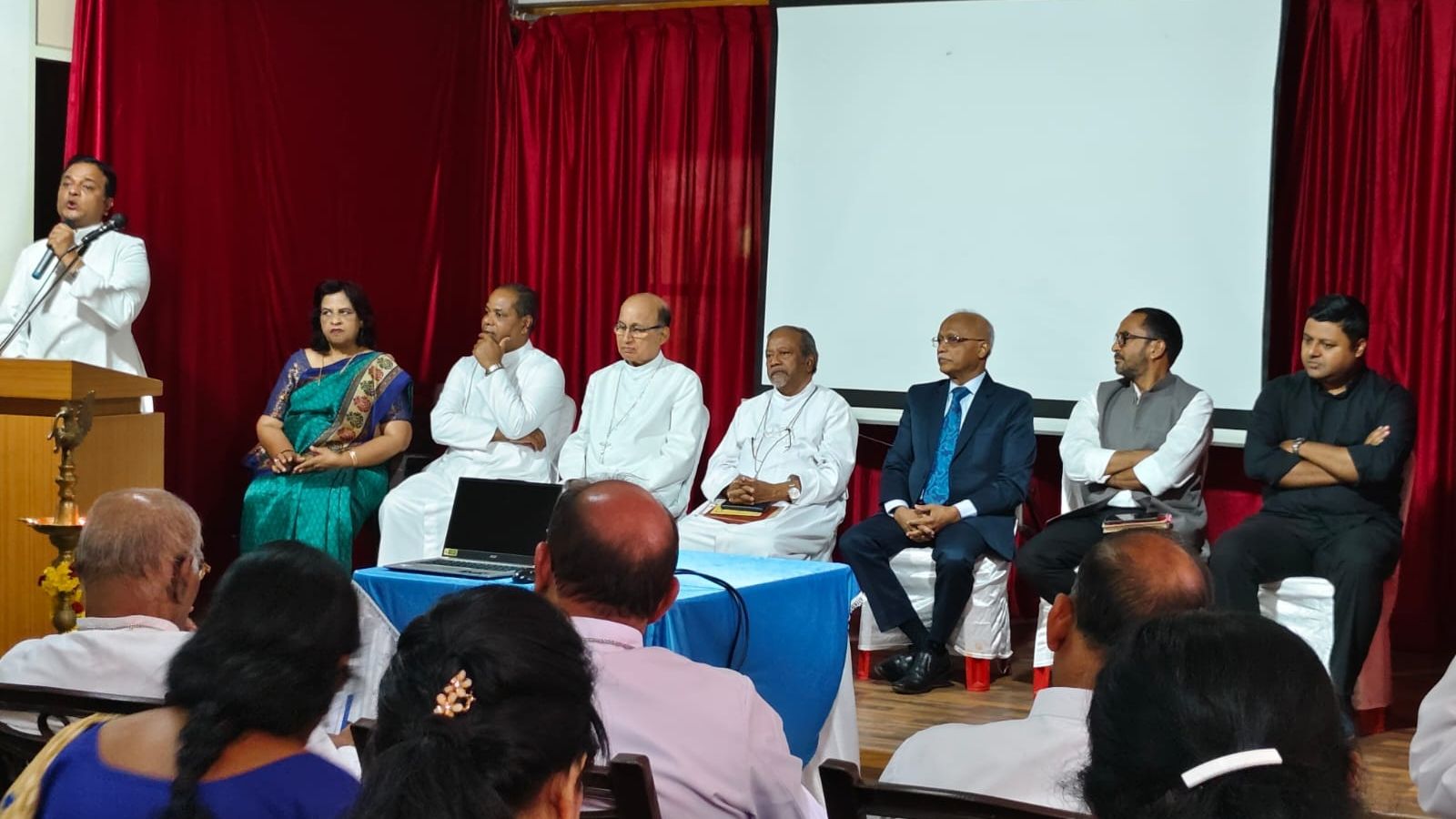
Old Goa, February 28, 2026 — Addressing a national gathering of Church leaders and formators, Fr. Joseph Lobo urged a renewed theological and pastoral commitment to relational connectedness in a fragmented world. The Jesuit theologian delivered a keynote session titled “Theological Perspective (Pastoral Approach) of Building Connectedness in a Fragmented Society for a Fruitful Mission 2035” at a national seminar hosted by Institute Mater Dei.

Fr. Lobo, Head of the Department of Dogmatic Theology and Chairperson of the Doctoral Committee at Jnanadeepa Vidyapeeth, traced the roots of fragmentation to the human heart, drawing from biblical narratives such as the fall of Adam and Eve and the Tower of Babel. These, he said, reveal how the desire for self-exaltation disrupts relationships with God, others, and creation.
Quoting Pope Francis’ encyclical Laudato Si’, he noted that “external deserts” in the world arise from “internal deserts” of emptiness and greed, which manifest in environmental degradation, poverty, migration, and social breakdown. Authentic pastoral care, he stressed, must address both inner and structural dimensions of fragmentation.





Fr. Lobo cautioned that misuse of digital technologies contributes to isolation, creating what he described as “lonely crowds,” and warned against uncritical dependence on artificial intelligence in education, which could foster superficial intelligence without critical or creative depth.
Grounding his theological vision in relational anthropology, he affirmed that human beings, created in the image of a relational God, are called to communion. Drawing on St Paul’s image of the Church as one body, he argued that fragmentation contradicts Christian identity. Central to this vision, he said, is vulnerability — a redemptive openness rooted in Christ’s self-giving love, revealed supremely in the Cross.
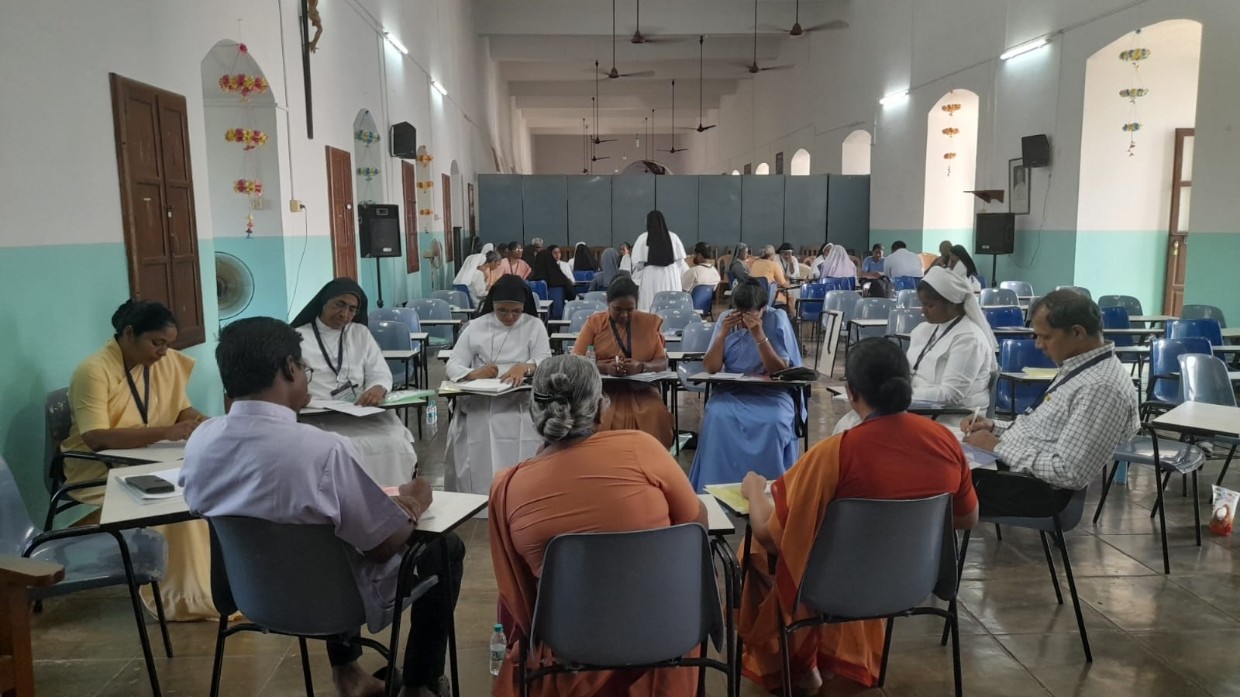
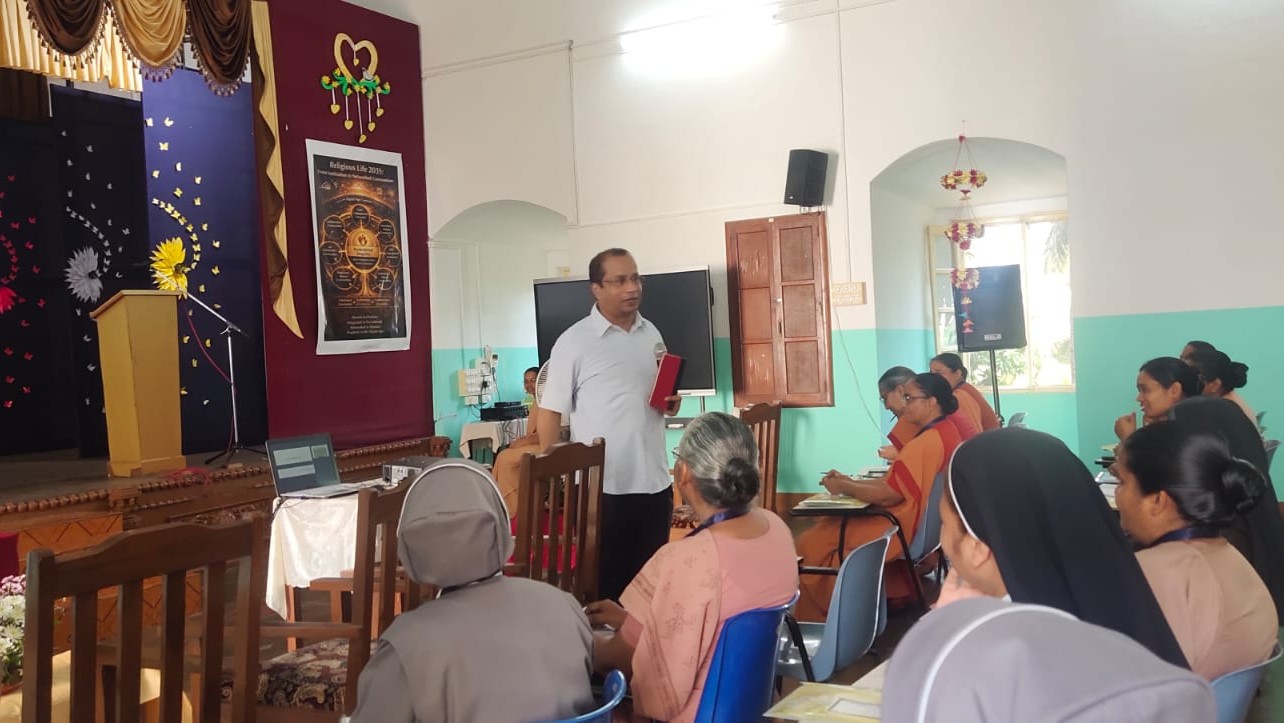
Following the session, participants were divided into ten groups to reflect on factors promoting connectedness, causes of relational breakdown, and practical steps for renewal in religious congregations, parishes, and formation houses. In his response to the group presentations, Fr. Lobo observed that most contributions identified symptoms rather than root causes of fragmentation. Issues such as individualism, lack of empathy, ethnic divisions, and institutional rigidity, he noted, often mask deeper insecurities and identity confusion.
He emphasised the distinction between role identity and core identity, calling for deeper spiritual discernment in formation. Addressing contemporary challenges, he encouraged examination of inner restlessness underlying behavioural patterns, including digital dependency, and highlighted the need for personal rootedness in Christ as the foundation of authentic renewal.
Presenting a biblical paradigm of formation, Fr. Lobo reflected on Jesus’ encounter with Zacchaeus, underscoring that transformation begins with unconditional acceptance that touches the deepest level of the human person. Genuine conversion, he said, flows from interior healing rather than external correction.
The session was moderated by Fr. Donato Rodrigues, Rector of the Patriarchal Seminary of Rachol and the group discussion was facilitated by Fr. Charles Leon, Executive Secretary of the CCBI Commission for Vocations, Seminaries, Clergy and Religious.
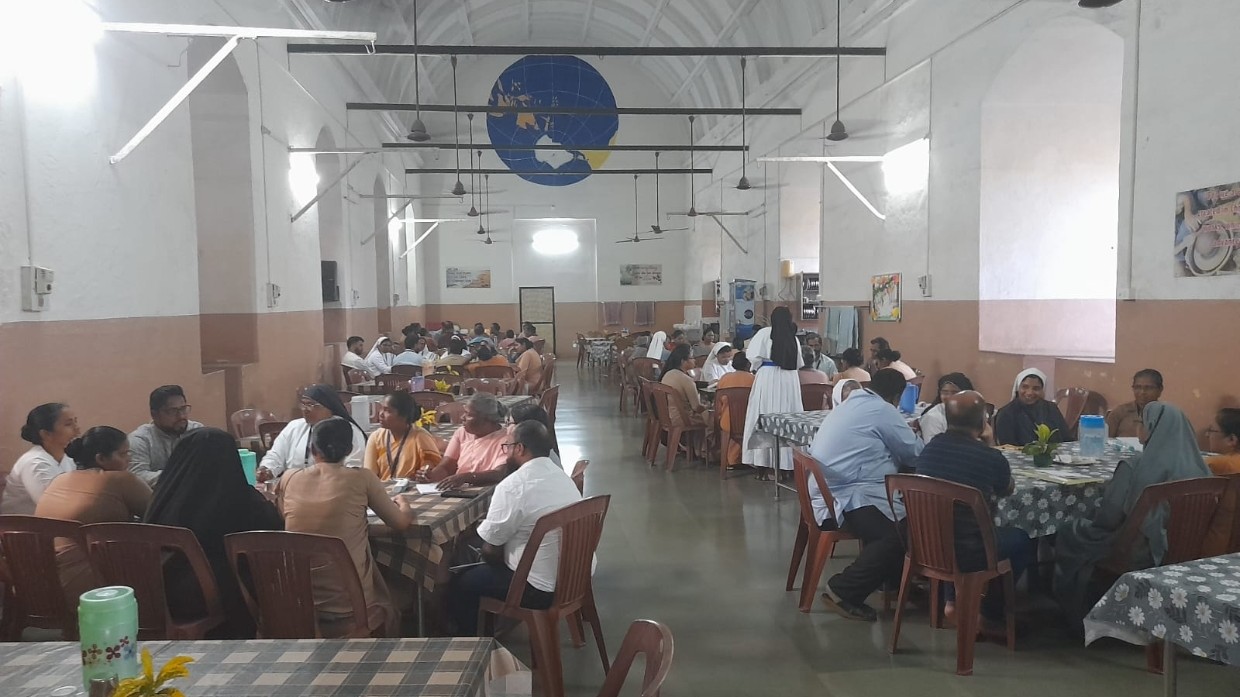
The two-day National Seminar, held from February 27 to 28, was organised by the Institute Mater Dei in collaboration with the CCBI Commission for Vocations, Seminaries, Clergy and Religious. The gathering brought together bishops, religious, rectors, and formators to explore pathways of connectedness and integral formation in view of the Church’s pastoral vision for Mission 2035
By Br. Malvino Alfonso OCD
Download Catholic Connect App for Daily News Updates:
Android: Click here to download
Continue Reading on Catholic Connect App
Get access to exclusive news articles & more.

© 2026 CATHOLIC CONNECT POWERED BY ATCONLINE LLP