- 28 February, 2026

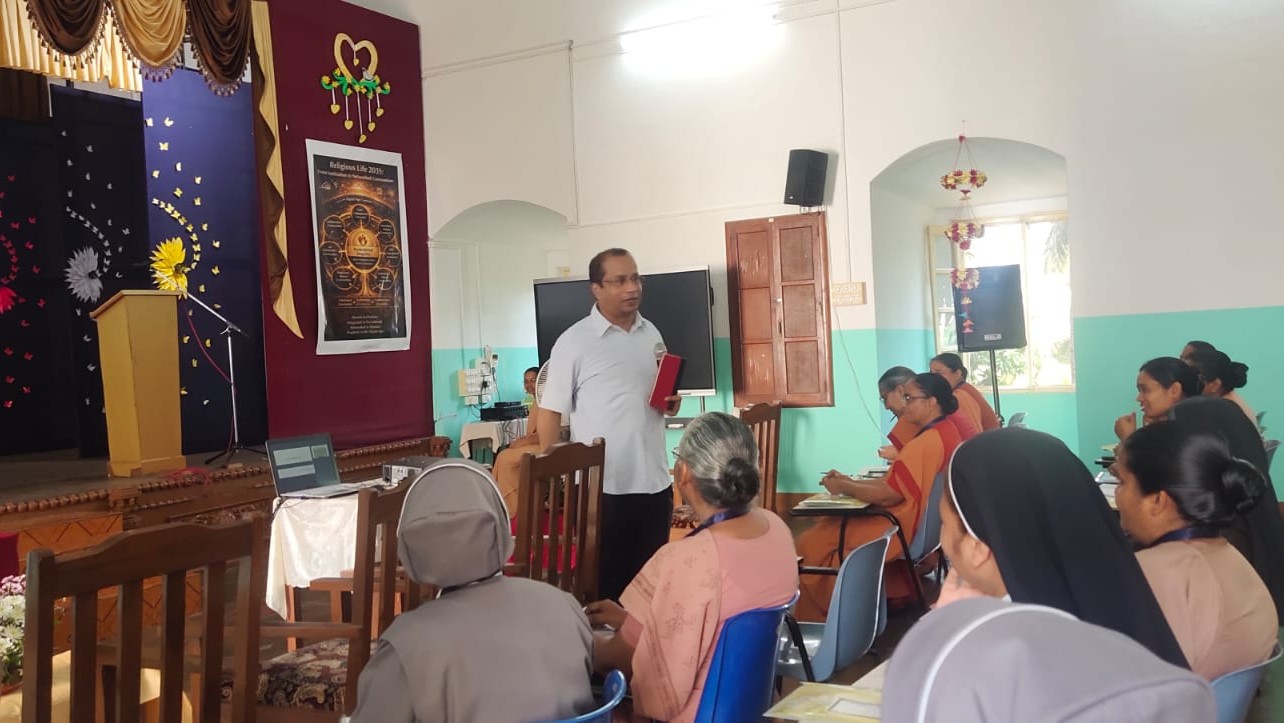
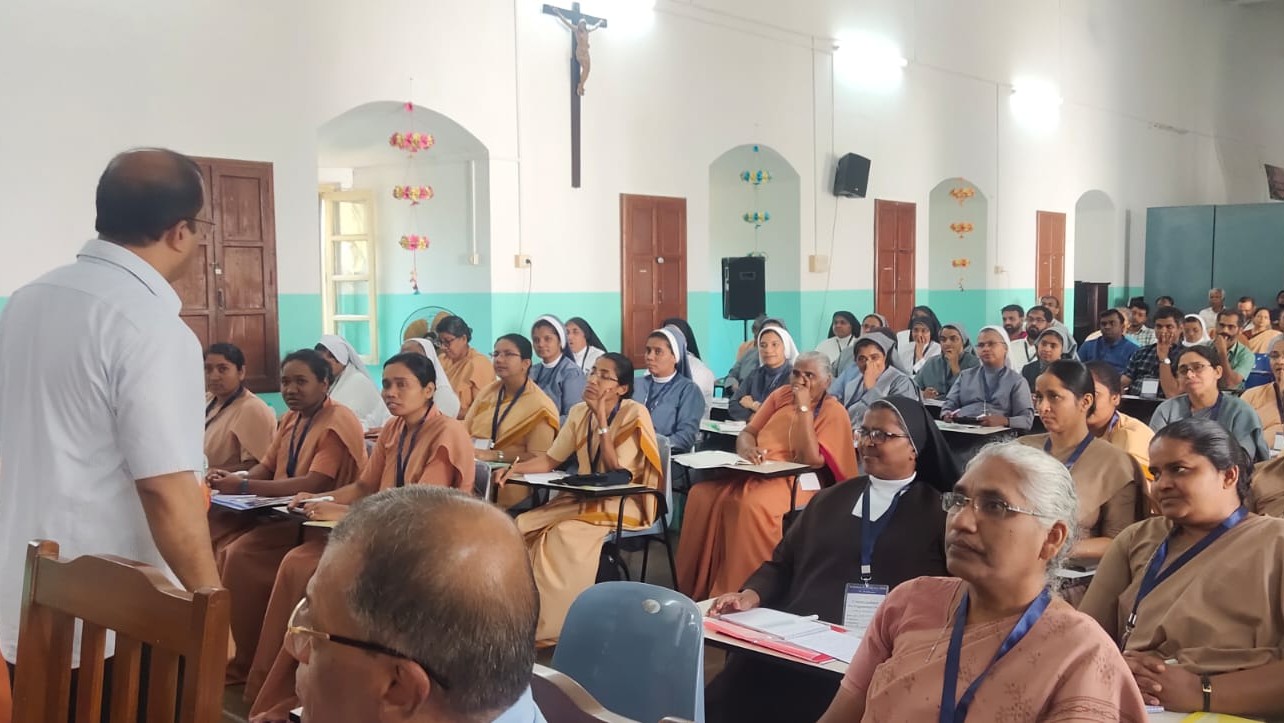
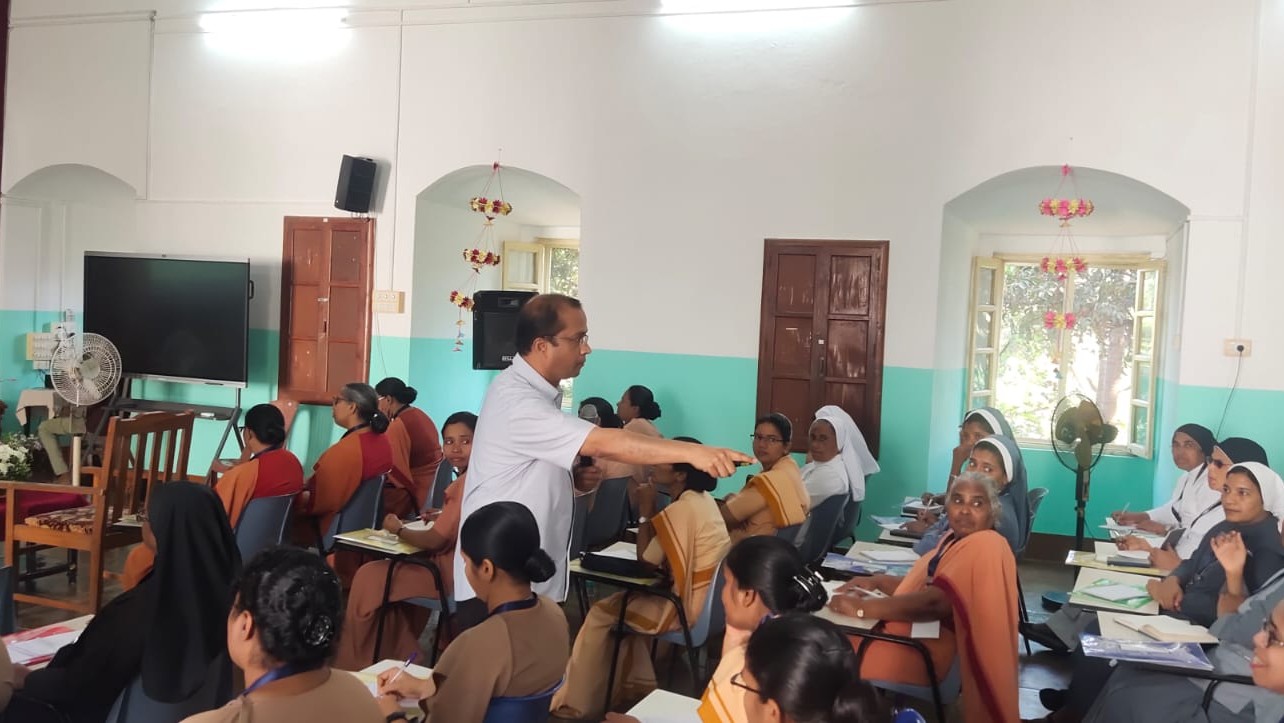
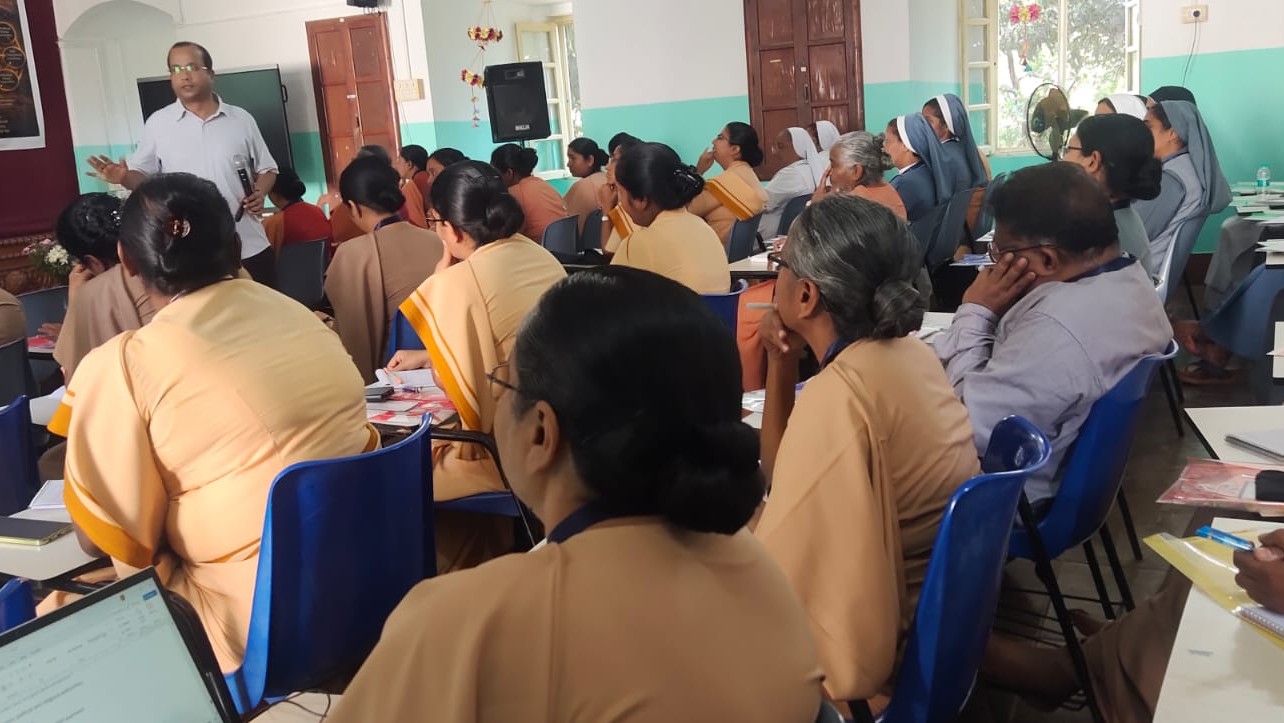
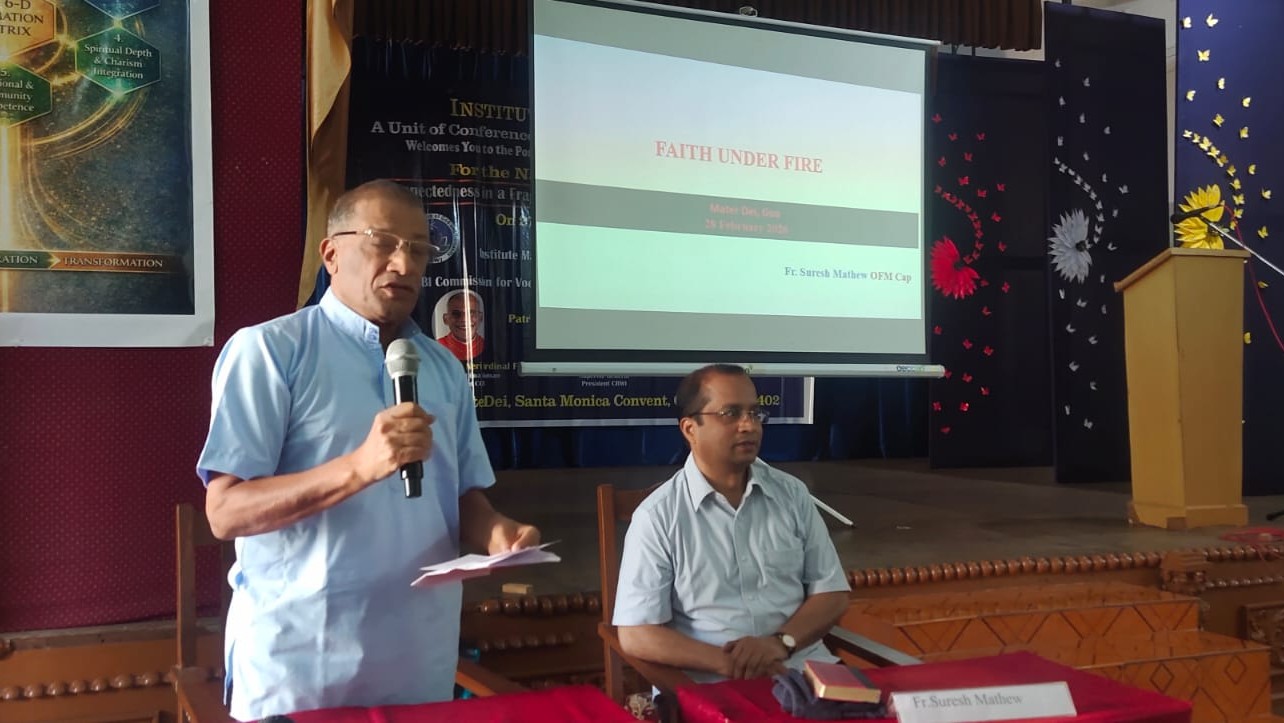
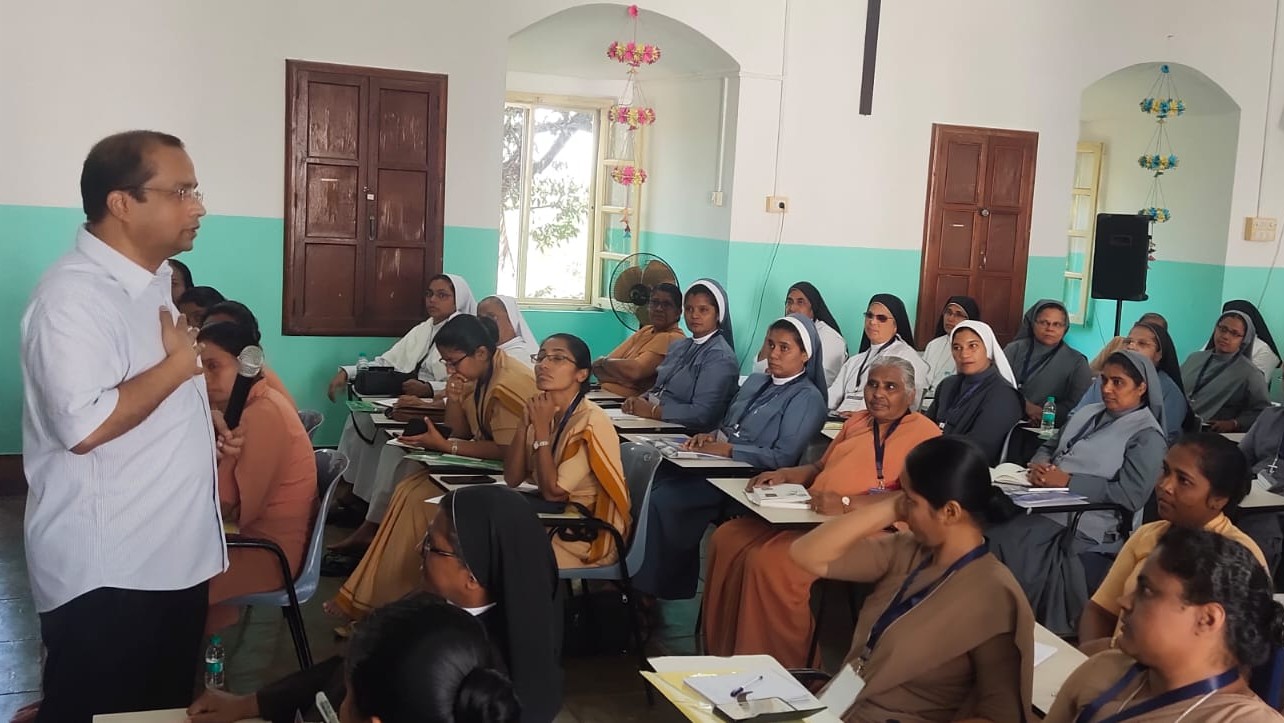
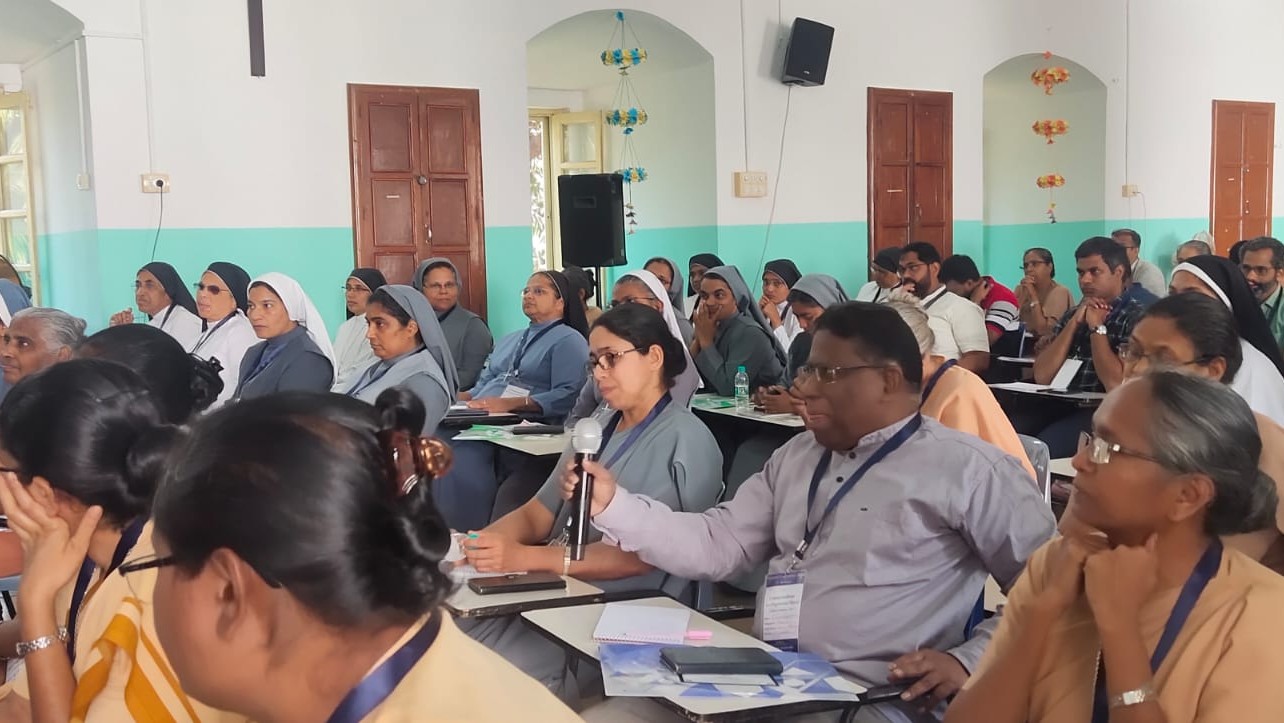
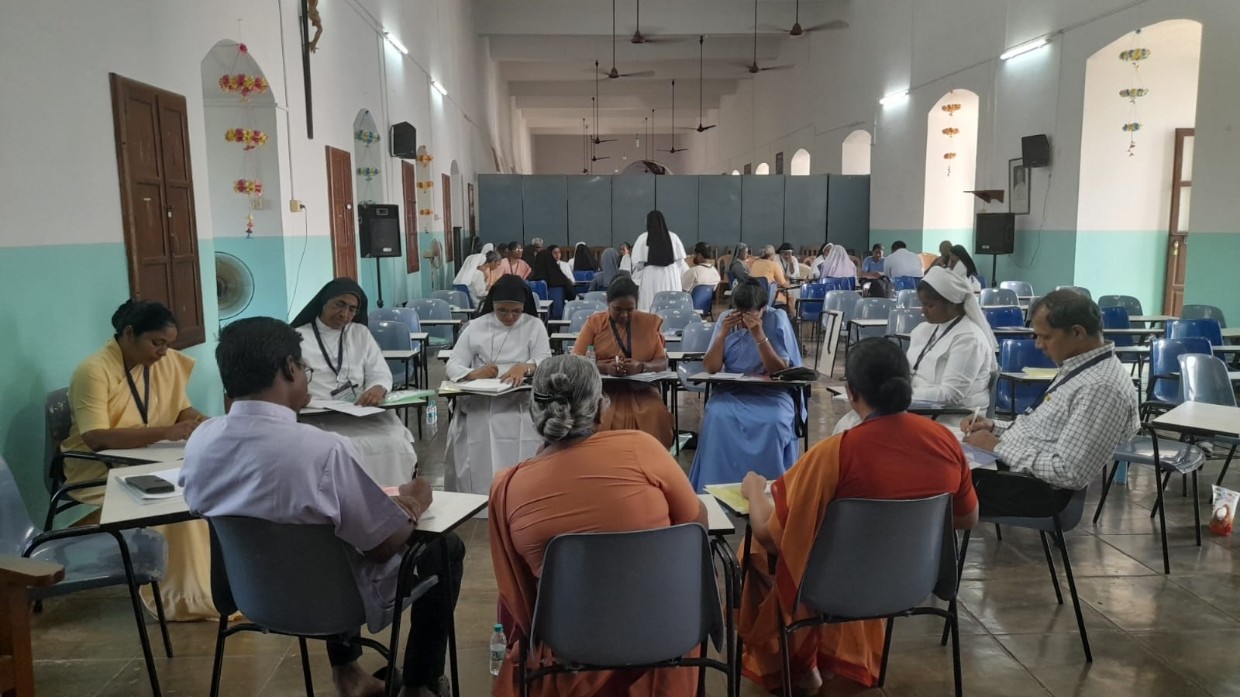
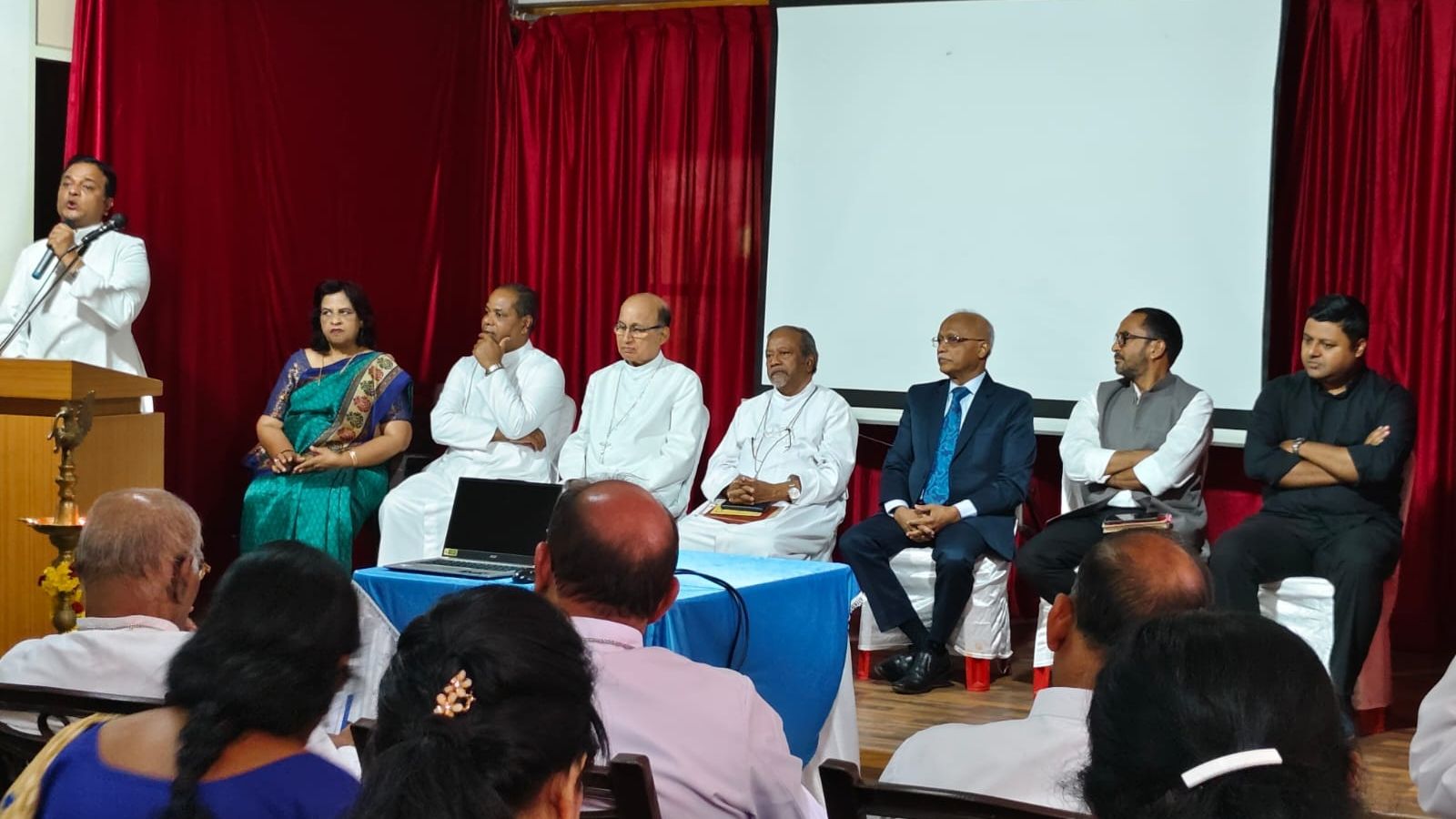
Old Goa, February 28, 2026 — Calling for spiritually rooted and socially engaged leadership, Fr. Suresh Mathew, Editor of MAGNET and Catholic Connect urged the Church in India to embrace prophetic courage and authentic communion in formation. He delivered a keynote session titled “Fostering Connectedness: Challenges, Opportunities and Possibilities – 2035” at the two-day National Conference on “Connectedness in a Fragmented World: A Path for Formation,” held from February 27–28 at Santa Monica Convent.

The conference was organised by Institute Mater Dei, a unit of the Conference of Religious Women India, in collaboration with the CCBI Commission for Vocations, Seminaries, Clergy and Religious.
Addressing religious and formators, Fr. Suresh Mathew said the Church stands at a decisive historical moment. Echoing Pope Francis, he observed that consecrated persons inherit not only a “glorious history to remember” but also a “great history still to be accomplished.” While acknowledging the Church’s longstanding contributions to education, healthcare, and social service, he pointed to serious ecclesial and socio-political challenges that demand renewed formation.





He identified internal weaknesses including scandals, authoritarianism, casteism, groupism, ritualism, lack of long-term vision, and declining missionary zeal. Without transparency, accountability, and prophetic courage, he warned, the Church risks diminishing credibility. Formation, he stressed, must move beyond functional training to become a lifelong process of inner transformation rooted in Christ and responsive to contemporary realities.
Fr. Suresh proposed a holistic, incarnational, and mission-oriented model of formation capable of nurturing spiritually deep, emotionally mature, and socially aware ministers in a pluralistic and polarised society. He advocated grassroots immersion, constitutional literacy, ecological responsibility, interreligious dialogue, servant leadership, character formation, and psychological well-being. The evangelical counsels, he said, should be lived as expressions of freedom and prophetic witness. In the digital age, candidates must also be equipped with digital literacy and ethical discernment so that technology serves evangelisation rather than dominating it.
In the Indian context, he emphasised that connectedness requires overcoming caste divisions within Church structures and fostering genuine communion across rites and cultures. Religious communities, he said, must become “alternate spaces” of radical equality that visibly reject caste and regional prejudice. He further called for deeper engagement with the Constitution of India, human rights frameworks, and Catholic Social Teaching to prepare ministers who can speak truth to power and stand with the marginalised.
Outlining a strategic roadmap toward 2035, Fr. Suresh envisioned ministers who are spiritually rooted, professionally competent, synodal in leadership, capable of interreligious bridge-building, and prophetic in their commitment to justice. The future of the Church in India, he concluded, will depend not on numbers or institutions alone but on depth, integrity, courage, and authentic communion.
Addressing formators directly, he expressed concern over what he described as an increasingly hostile socio-political climate. Warning against the “boiling frog syndrome,” he cautioned against growing insensitivity to the gradual erosion of constitutional values and religious freedom, recalling that Articles 25–28 of the Constitution guarantee freedom of conscience and religion. He referred to reports of rising violence, arrests under anti-conversion laws, attacks on churches, and social boycotts, noting that minorities — especially Dalits, Adivasis, migrants, and the poor — are often most affected. He also highlighted concerns over polarisation, weakening institutions, and widening economic inequality.
Calling for a decisive response, Fr. Suresh urged formation that produces spiritually grounded and constitutionally aware ministers marked by prophetic courage. Invoking the witness of Oscar Romero, he challenged formators to shape leaders who speak truth to power and stand with the oppressed, affirming that defending human dignity and constitutional rights is integral to authentic Christian discipleship.
Concluding his address, he posed a fundamental question to participants: whether formation today is producing administrators of institutions or transformative disciples of Jesus Christ — a choice, he said, that will shape the Church of 2035.
Fr Norman Almeida Rector of All India Mission Seminary, Pilar moderated the session
By Br. Malvino Alfonso OCD.
Download Catholic Connect App for Daily News Updates:
Android: Click here to download
Continue Reading on Catholic Connect App
Get access to exclusive news articles & more.
© 2026 CATHOLIC CONNECT POWERED BY ATCONLINE LLP