- 22 March, 2026

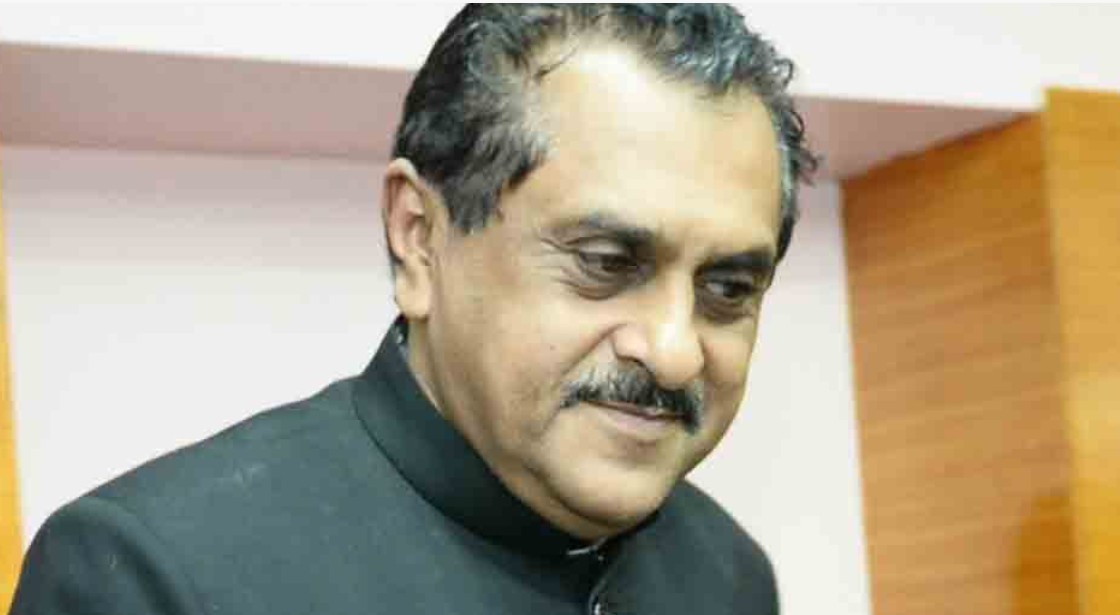
Thiruvananthapuram, March 22, 2026: Retired Chief Justice Justice J. B. Koshy has observed that Christians in Kerala face disparities in access to minority benefits, while the Muslim community enjoys stronger bargaining power due to greater numerical strength and unity. His remarks come in the context of the findings of the state-appointed commission on Christian minorities, which he chaired.

The commission’s report, submitted in May 2023 and recently approved in principle by the state cabinet, calls for proportionate allocation of minority benefits to Christians based on their population share. It also recommends targeted welfare measures for socially and economically weaker sections, including Scheduled Caste Converts to Christianity, Latin Catholics, and Anglo-Indians.
In an interview published by The New Indian Express, Justice Koshy affirmed that there is clear evidence of disparity affecting Christian communities. While noting that certain judicial interventions have helped address imbalances, he emphasised that several groups within the Christian community continue to face economic and social challenges.



Addressing the issue of benefit distribution, he pointed out that the Muslim community’s numerical strength and cohesive representation make it difficult for governments to overlook their demands. In contrast, he observed that Christians, divided across denominations and lacking a unified political voice, are less effective in asserting their claims collectively. He also noted that a decline in the Christian population over the years has further reduced their influence.
The commission received over four lakh memorandums highlighting concerns related to education, employment, and regional disparities, particularly in coastal areas, high-range regions, and Kuttanad. Among the issues identified were unequal access to minority training centres, delays in approvals for Christian-run institutions, disparities in scholarship distribution, and challenges faced by orphanages and marginalised communities.
The report also recommends measures such as special recruitment drives to address under-representation in government jobs, equitable reservation for Anglo-Indians, standardised qualifying criteria in eligibility examinations, and regularisation of land titles for institutions in vulnerable regions. Additionally, it calls for improved welfare support for Christian orphanages and scientific approaches to managing human-wildlife conflict in high-range areas.
Justice Koshy acknowledged certain practical challenges within the community, including concerns related to transparency in institutional administration, while emphasising the need for accountability alongside support. He also clarified issues related to conversion and eligibility for benefits, noting that formal processes must be followed.
Reflecting on broader social trends, he pointed to increasing public expressions of religious identity across communities and raised questions about their implications. On concerns such as alleged targeted relationships and conversions, he noted that some cases had come before courts, though he refrained from drawing broad conclusions in the absence of conclusive evidence.
The report has gained significance in the context of upcoming elections in Kerala, sparking wider discussions on minority welfare, equitable distribution of resources, and internal challenges within communities. The state government has already initiated corrective measures in certain areas, following both the commission’s recommendations and earlier court directives.
The findings and observations presented by Justice Koshy highlight the need for a balanced, data-driven approach to minority welfare, while also underlining the importance of unity and collective representation within communities to effectively address their concerns.
Courtesy : TCO News Admin
© 2026 CATHOLIC CONNECT POWERED BY ATCONLINE LLP