- 14 September, 2026
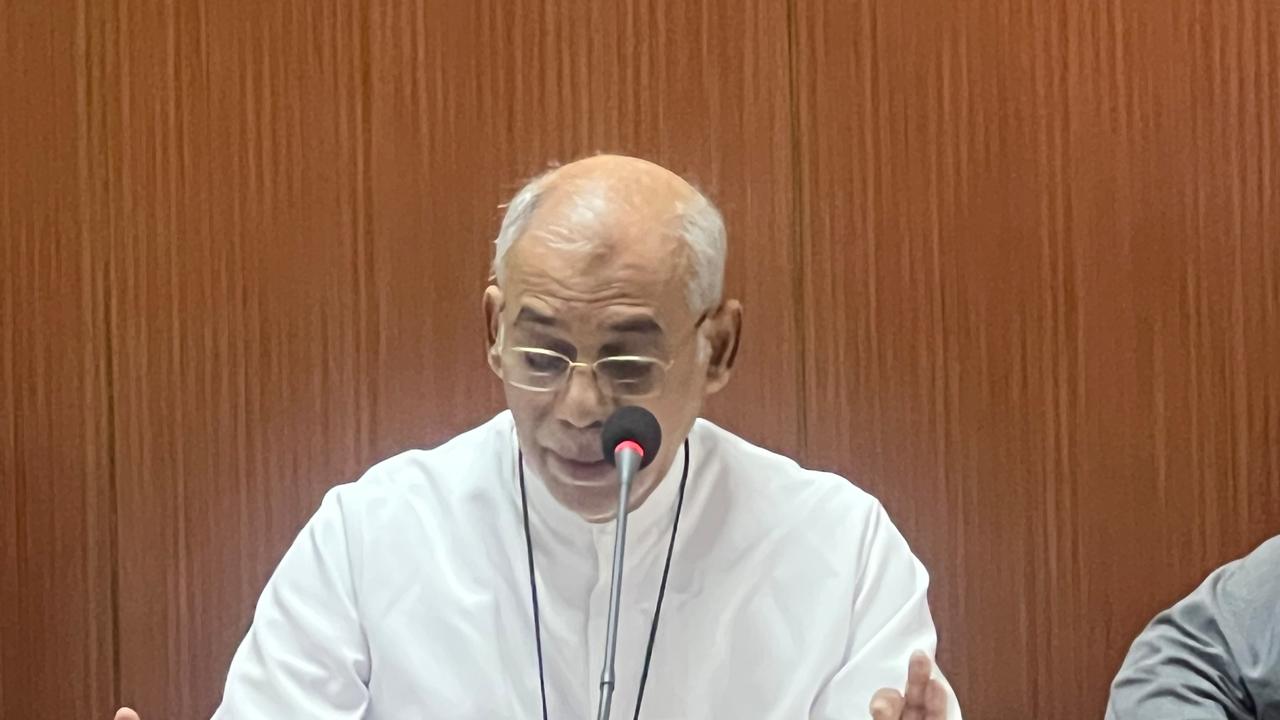
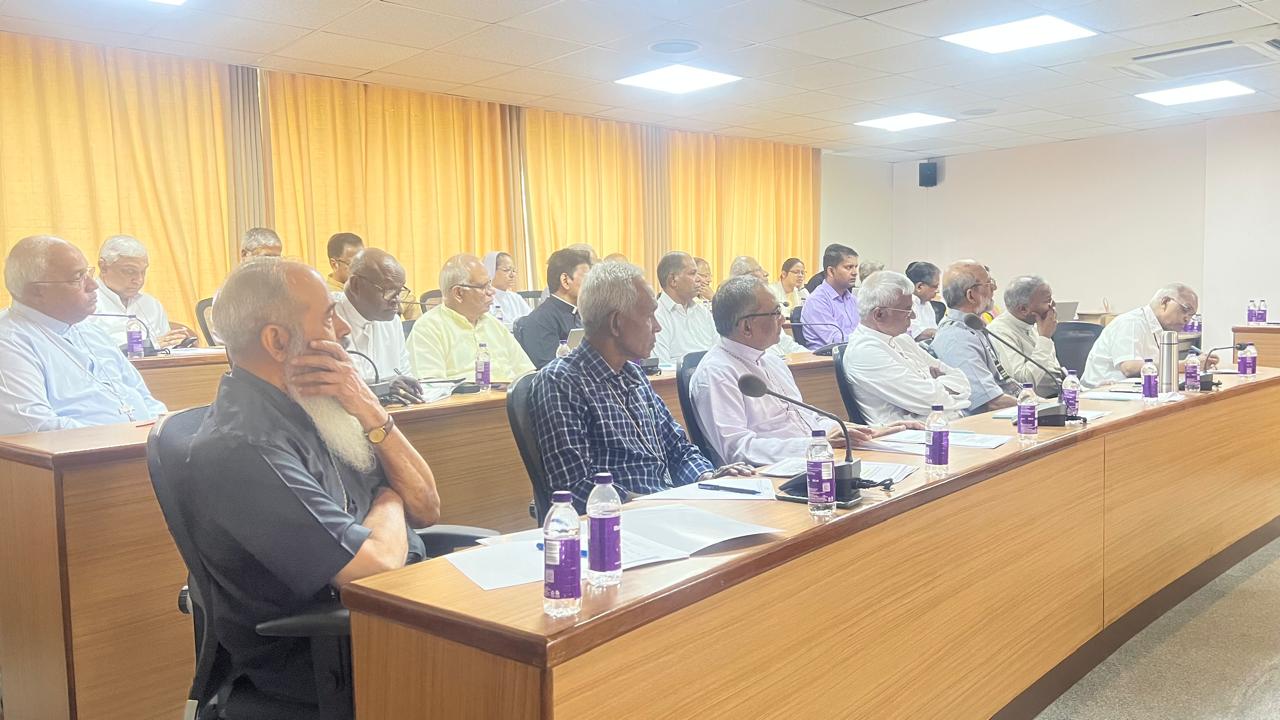
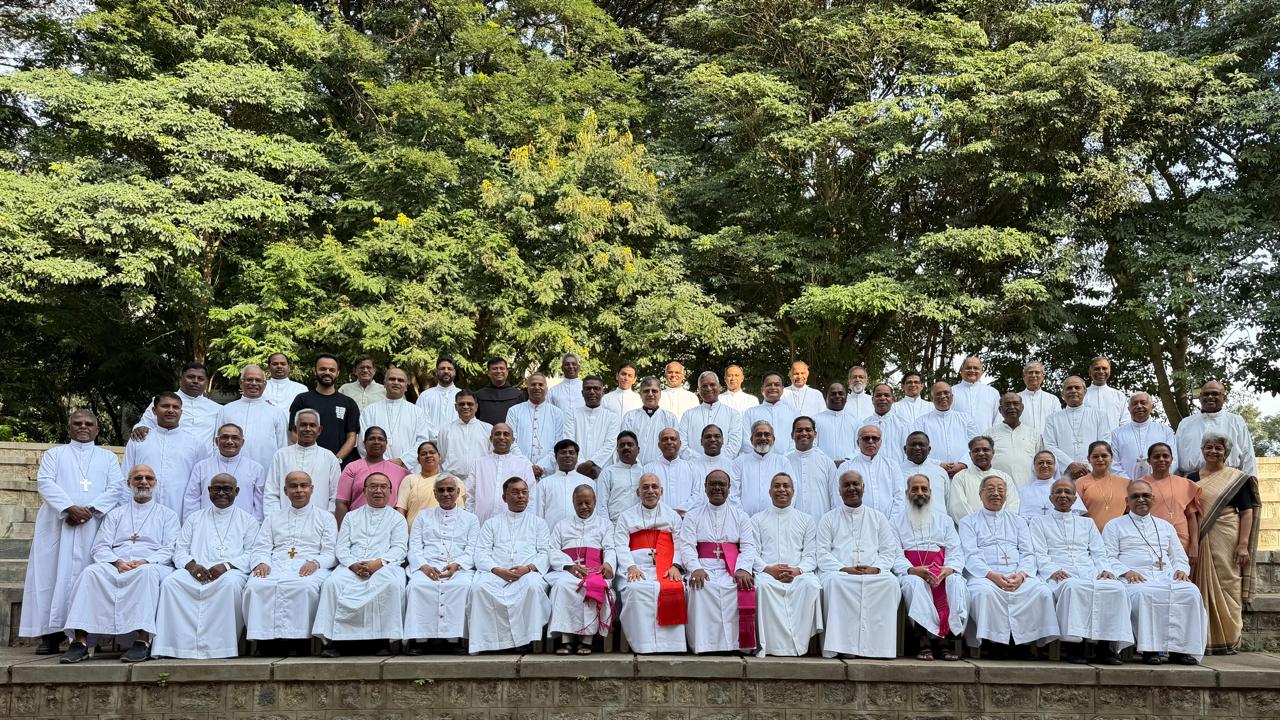
Bengaluru, September 14, 2026: The proposed restructuring of the Conference of Catholic Bishops of India (CCBI) is being envisioned not as a mere administrative exercise but as the fruit of years of prayer, listening, consultation and discernment aimed at strengthening the Church’s mission in India.

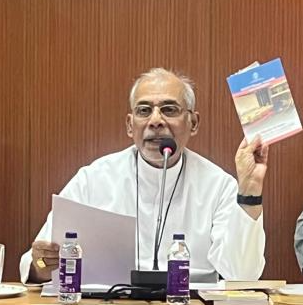
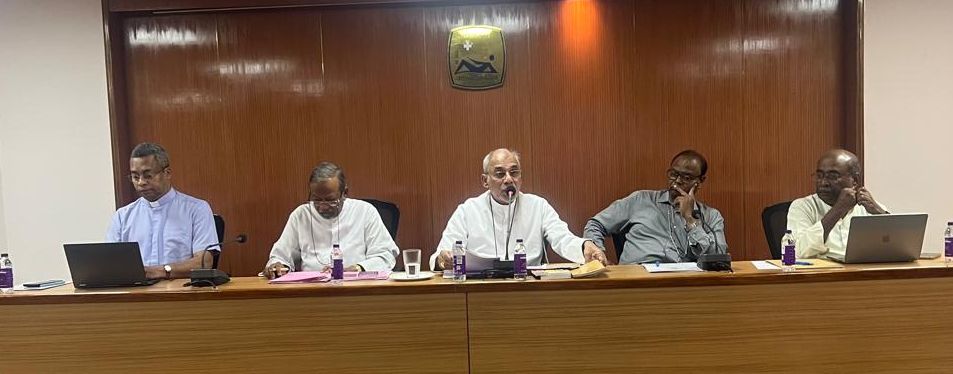
Presenting the vision for the proposed reorganisation, CCBI President Cardinal Filipe Neri Ferrão said the Church’s structures must remain at the service of its mission and respond effectively to the country’s changing pastoral realities.
“The structures must serve the mission and never become ends in themselves,” he said, stressing the need for a Church that is increasingly synodal, participatory and missionary.

From Mission 2033 to a Listening Church
The process can be traced to the 34th CCBI Plenary Assembly held in Bengaluru from January 24 to 30, 2023. The assembly called for the revitalisation of CCBI commissions, departments, apostolates and regional and diocesan structures.
This was followed by a year-long pastoral planning process centred on the question: “Where is God calling the Church to be by 2033?”
The year 2033 was chosen in preparation for the great Jubilee of Redemption. Nearly 500 members of the Latin Catholic Church in India — bishops, clergy, religious, women, men and young people — participated in a process of listening, consultation and discernment.
The process resulted in the pastoral plan Journey Towards a Synodal Church: Mission 2033.
Cardinal Ferrão said the vision was shaped by three interconnected journeys: the universal synodal journey of the Catholic Church, the Federation of Asian Bishops’ Conferences (FABC) 50 process and the pastoral journey of the Church in India.
From Bhubaneswar to 16 Pastoral Priorities
These reflections influenced preparations for the 36th CCBI Plenary Assembly held in Bhubaneswar in 2025.
Drawing on Mission 2033, the national synodal synthesis and the FABC 50 document, the CCBI prepared a working document and invited dioceses, religious communities and the wider People of God to reflect on the challenges confronting the Church.
At Bhubaneswar, participants adopted the method of “conversation in the Spirit”, promoting prayerful listening and collective discernment. The process eventually expanded the initial ten priorities into 16 pastoral priorities.
The assembly, held under the theme “Discerning Synodal Pathways for Mission,” produced the principal document Pilgrims of Hope, Discerning the Synodal Pathways.
National Synodal Assembly Gives Fresh Impetus
A further milestone came with the National Synodal Assembly held at St John’s from May 1 to 3, 2026.
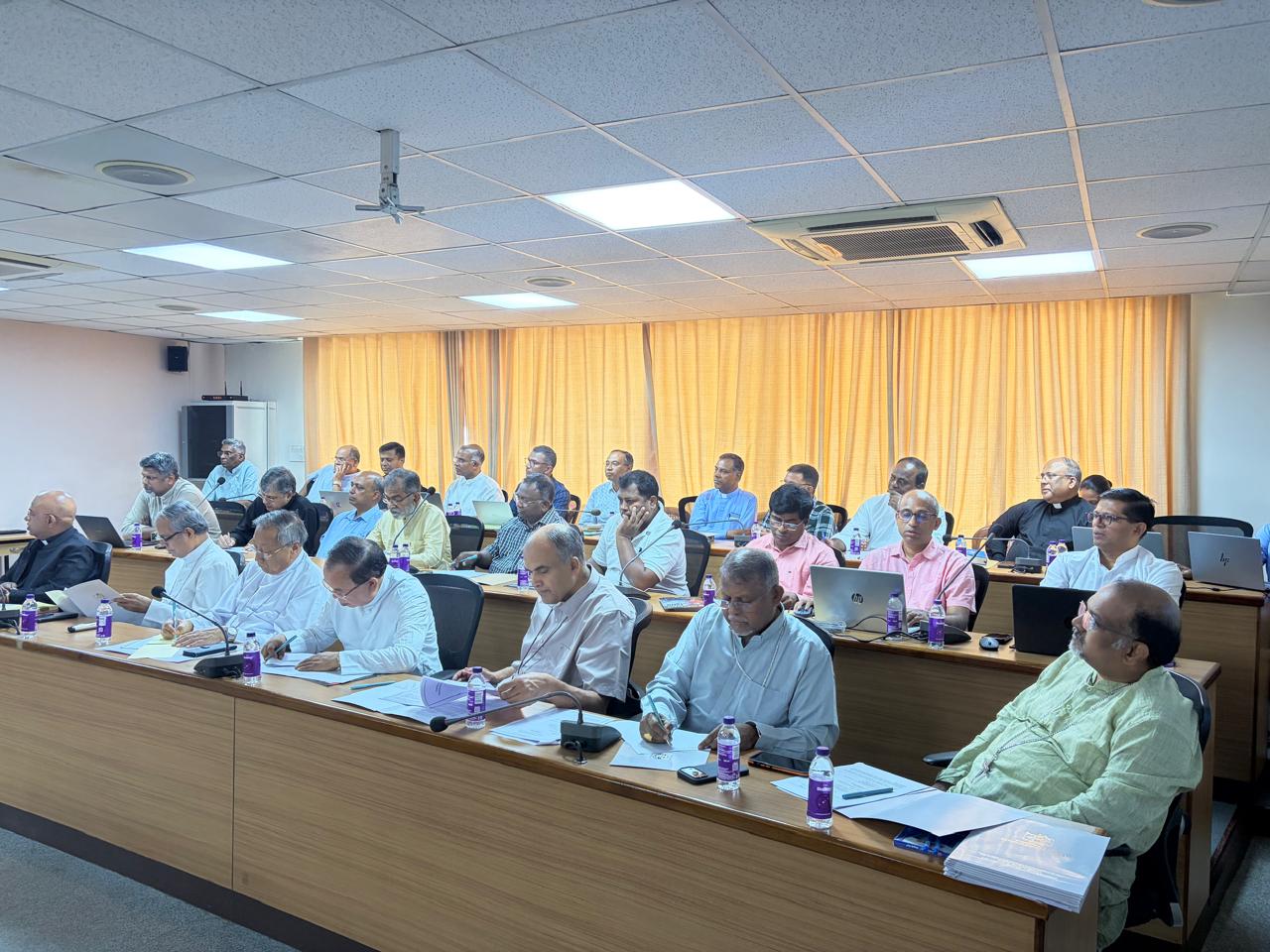
The gathering brought together members of the CCBI Executive Committee, commission secretaries, department and apostolate leaders, regional deputy secretaries and selected experts. They examined how the fruits of the universal, Asian and Indian synodal processes could become more deeply embedded in the structures and pastoral life of the CCBI.
It was in this context that the proposal to reimagine and restructure the CCBI began to take concrete shape.
Subsequent consultations involved bishops, CCBI secretaries, regional deputy secretaries, national commission councils, Executive Committee members and experts. A preliminary draft was presented to CCBI secretaries and Executive Committee members and subsequently circulated for further discussion and discernment.
Structures to Serve the Mission
Cardinal Ferrão said synodality calls the Church to listen, discern and act together rather than depend primarily on a top-down administrative model.
The proposed restructuring seeks to strengthen synodality, implement Mission 2033, address emerging pastoral and social realities, improve coordination among commissions, ensure greater transparency in the use of resources and deepen the co-responsibility of the laity.
Evangelisation, he emphasised, must remain at the heart of the entire process.
The vision also envisages a grassroots pastoral model reaching Basic Ecclesial Communities, supported by concrete implementation plans and an appropriate structural framework. Cardinal Ferrão described Basic Ecclesial Communities as the “heartbeat of renewal” and an important unit of the Church’s life and mission.
Rooted in the Vision of Vatican II
The cardinal placed the restructuring within the continuing reception of the Second Vatican Council, particularly its understanding of the Church as the People of God, called to holiness, conversion and attentive listening to the Gospel.
The proposed reorganisation is therefore the outcome of several stages of ecclesial reflection and discernment, including the national synodal consultation, FABC 50, the Asian Continental Assembly on Synodality, the Final Document of the Universal Synod, Mission 2033, the Bhubaneswar plenary and the National Synodal Assembly of May 2026.
The central conviction underlying the process is that ecclesial structures must facilitate mission, communion and participation rather than become ends in themselves.
‘My Heart Has Already Reached There’
Reflecting on the journey ahead, Cardinal Ferrão recalled the story of an elderly man travelling towards the Himalayas. Despite exhaustion and uncertainty, the man remained confident that he would reach his destination because, he said, “my heart has already reached there.”
The cardinal applied the image to the Church’s synodal journey — a Church committed to listening, discernment, communion, participation and mission.
While acknowledging that the concrete timing and unfolding of the proposed vision remain in God’s hands, Cardinal Ferrão expressed confidence in the journey ahead.
If the Church’s heart is already directed towards its destination, he said, the journey can continue with faith, courage and trust in the guidance of the Holy Spirit.
By Catholic Connect Reporter



© 2026 CATHOLIC CONNECT POWERED BY ATCONLINE LLP