- 24 August, 2026
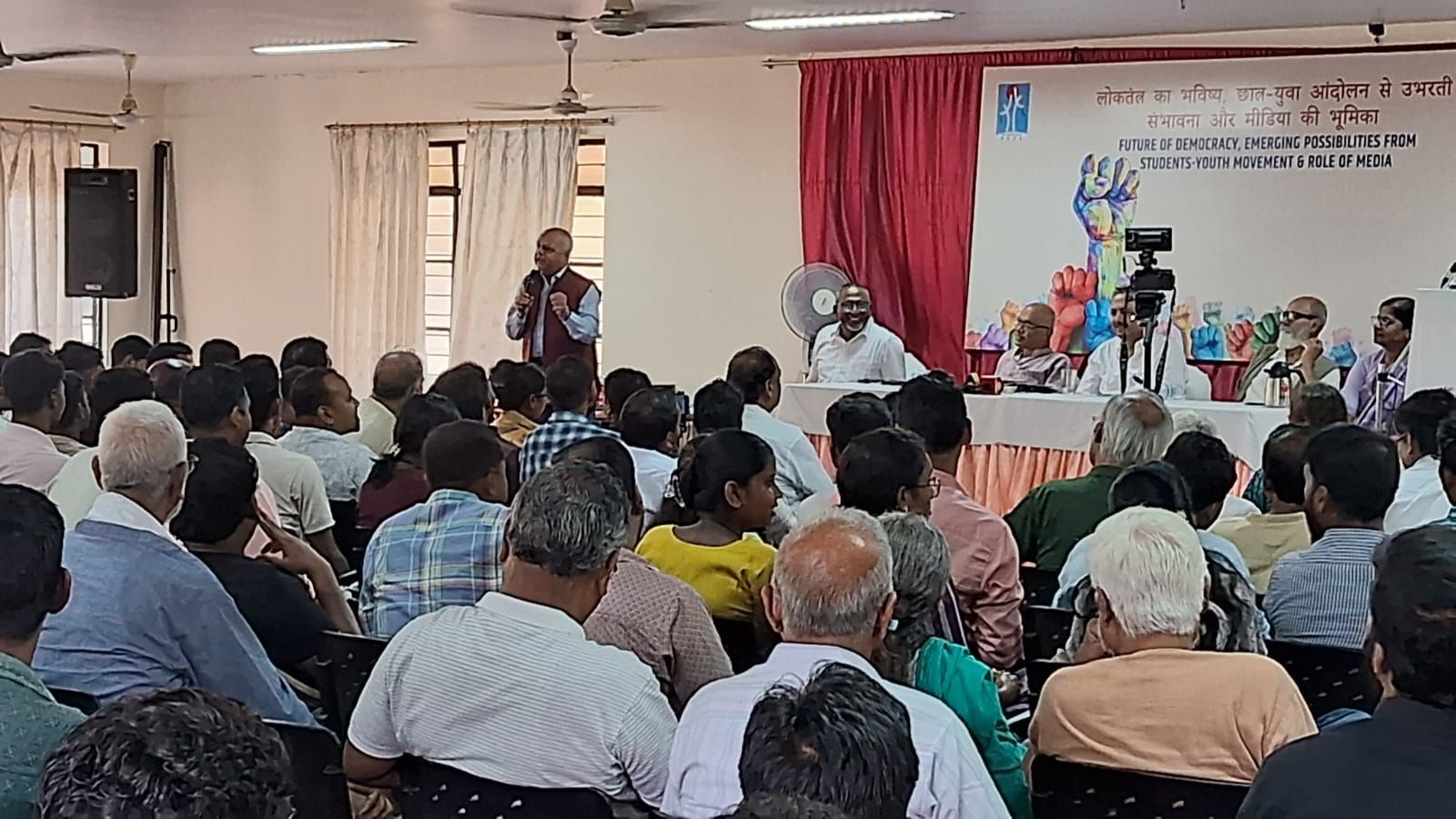
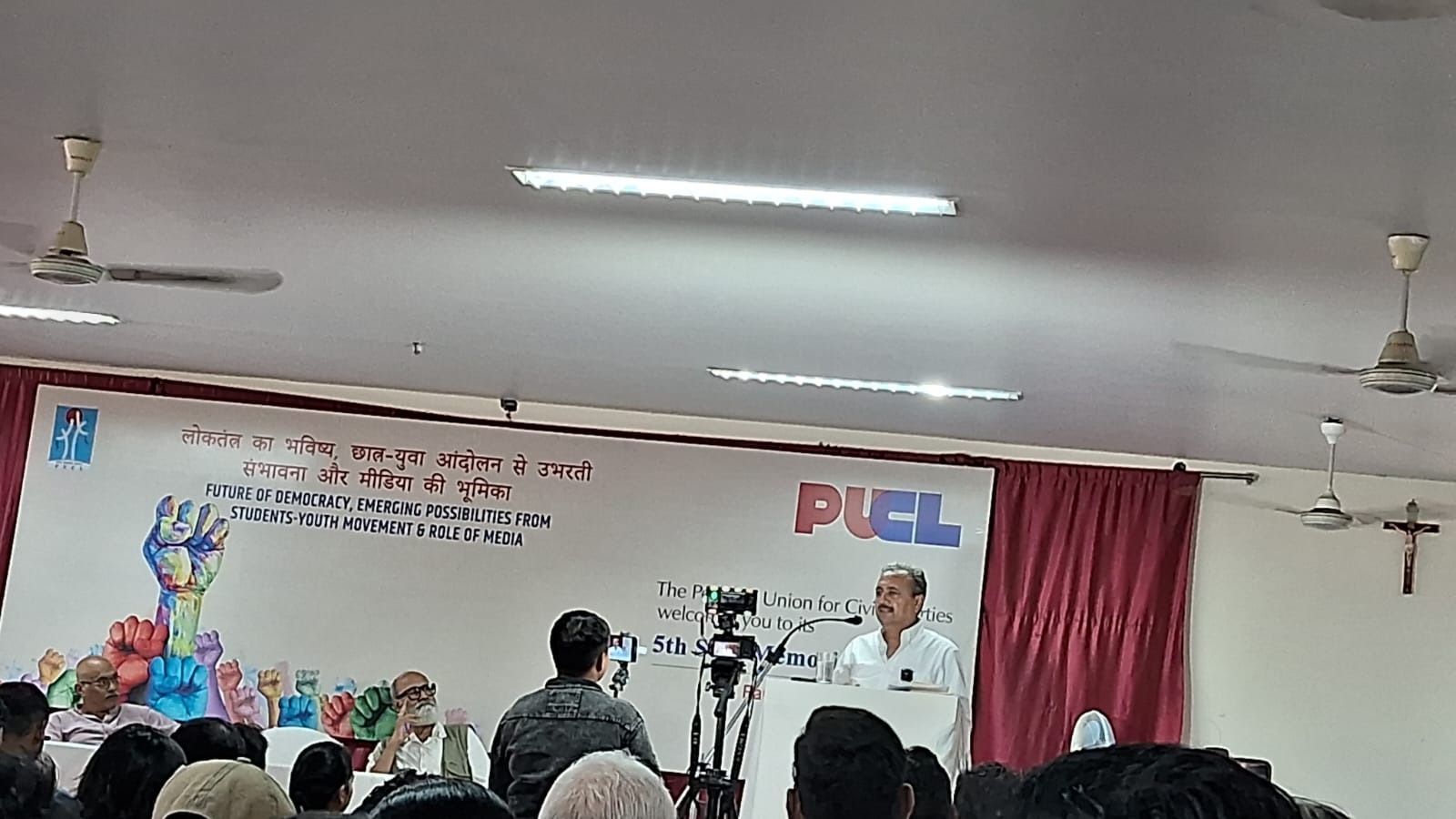
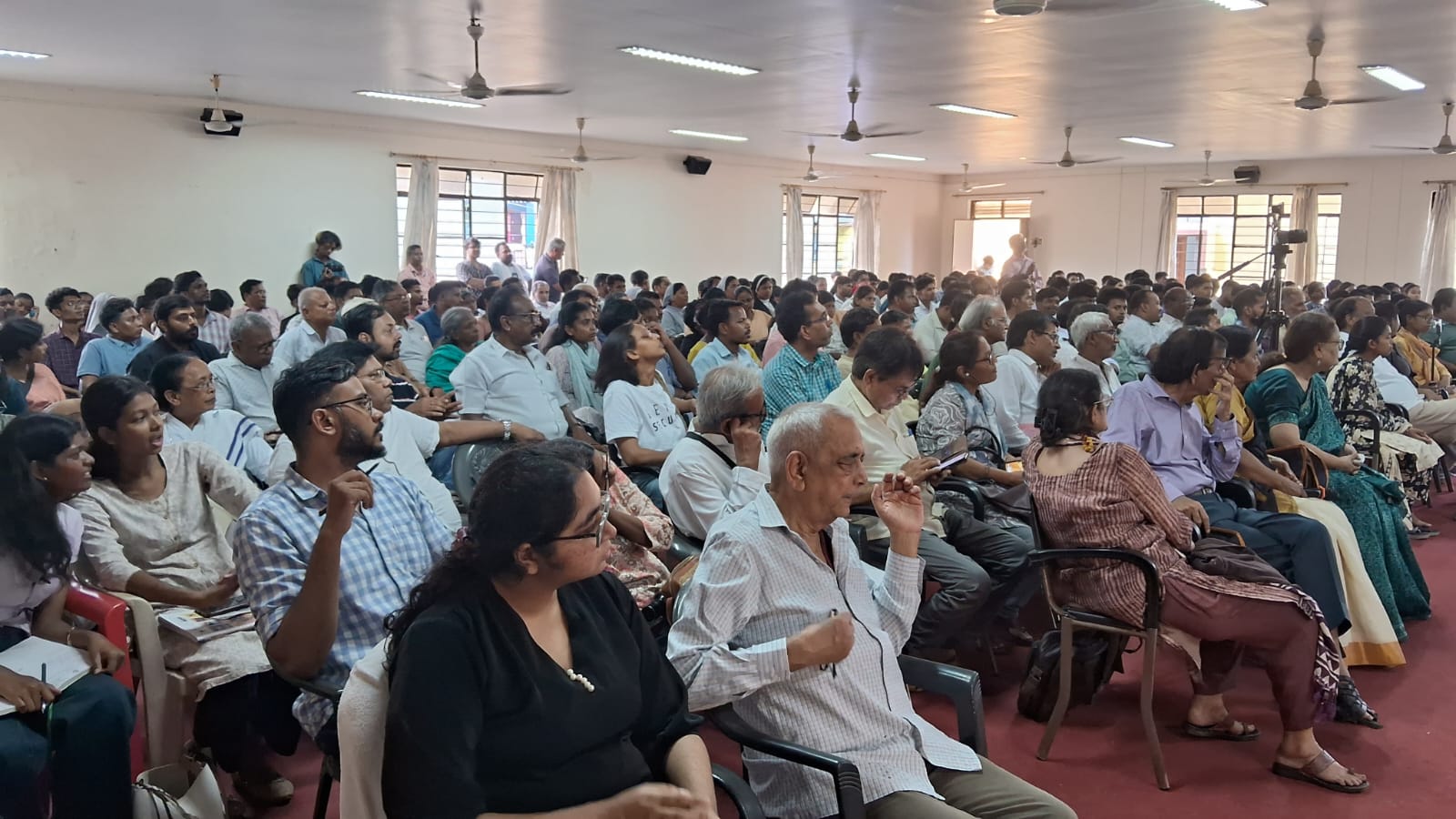
RANCHI, August 24, 2026: Stronger youth participation, media freedom and the protection of democratic values were the focus of the 5th Stan Memorial Lecture organised by the People’s Union for Civil Liberties (PUCL), Jharkhand, at SDC, Purulia Road, Ranchi, on August 23.

The lecture, titled “Future of Democracy: Emerging Possibilities from Youth Movements and the Role of Media,” examined the changing nature of democratic participation, the rise of youth movements and the challenges confronting independent media. The programme also recalled the life and work of Jesuit priest Stan Swamy and his advocacy for human rights and marginalised communities.
Solomon, National Secretary of PUCL, inaugurated the programme, which was chaired by senior journalist Kislaya. Leena, District General Secretary, conducted the proceedings, while Tony presented an overview of Stan Swamy’s life and work.


Journalist and public intellectual Shital P. C. Singh, associated with Dainik Jagran and other media platforms, delivered the keynote address.
Singh highlighted the growing role of young people and the media in shaping public discourse and said sustained civic engagement and vigilance were essential for protecting constitutional values.
He particularly referred to the growing public engagement of Generation Z, saying the awareness and willingness of young people to question existing systems offered possibilities for strengthening democracy and human rights.
Recalling Stan Swamy’s work, Singh expressed concern over challenges faced by human rights defenders and dissenting voices. He stressed the importance of protecting constitutional safeguards, due process and fundamental rights.
Tracing the evolution of mass communication, Singh referred to the development of the printing press in Europe in the 15th century and the subsequent emergence of newspapers, radio, television and digital media. He noted the important role played by newspapers during India’s freedom movement and said technological advances had fundamentally changed the way information was produced and consumed.
Singh also raised concerns about the growing concentration of media ownership among wealthy individuals and powerful corporate groups. He said dependence on advertising and corporate support could affect the independence of journalism.
The growth of social media has further transformed communication, he said, with platforms such as WhatsApp and Instagram allowing information to reach millions almost instantly. At the same time, he pointed to concerns over privacy, misinformation, manipulation and the control of personal data.
Singh argued that democracy goes beyond elections and depends on citizens being able to question governments, participate in public affairs and demand accountability from institutions.
Referring to the opening words of the Constitution, “We, the people of India”, he emphasised the central role of citizens in a democratic system. He cited educational and student participation practices in Kerala as examples of ways in which young people can gain experience in democratic processes.
On technology, Singh said digital development had transformed communication, healthcare and other areas of life but warned that the same technologies could also facilitate surveillance, manipulation and the influencing of public opinion.
He called for greater awareness of digital rights and responsible use of technology.
Singh also drew attention to economic inequality, corruption and alleged leakages in welfare programmes, saying the diversion or misuse of public resources could undermine social justice and affect those most dependent on government support.
Addressing human rights and the rule of law, he expressed concern over the use of stringent laws, including the Unlawful Activities (Prevention) Act, against activists and dissenting voices. Referring to the case of Stan Swamy, he stressed the need for due process and constitutional protection for individuals facing legal action.
Singh urged young people to take greater responsibility for the future of democracy by understanding constitutional values, questioning injustice, defending human rights and using technology responsibly.
He said technological progress should not be measured only by the speed at which information travels but also by its ability to promote human dignity, justice, democratic participation and accountability.
The lecture concluded by renewing attention to Stan Swamy’s legacy and the continuing need for public engagement in matters of justice, dignity and human rights. It also called on young people, journalists, civil society organisations and citizens to remain informed and constructively engaged in strengthening democratic institutions.
Ashok Jha, District President, delivered the vote of thanks and formally announced the conclusion of the programme.
By Fr. Praful Bara


© 2026 CATHOLIC CONNECT POWERED BY ATCONLINE LLP