- 04 June, 2026

June 4, 2026: Every year, Catholics around the world participate in one of the Church’s most visible and profound celebrations: the Feast of Corpus Christi. On this special day, church bells ring, hymns fill the air, and thousands of faithful follow the Blessed Sacrament in prayerful processions through streets, towns, and villages. To many observers, these processions may appear as colorful religious events. For Catholics, however, they are a powerful declaration of faith in the living presence of Jesus Christ in the Eucharist.


The Solemnity of Corpus Christi is more than a feast. It is a public celebration of the greatest gift Christ left His Church—the Eucharist, His Body and Blood given for the life of the world.
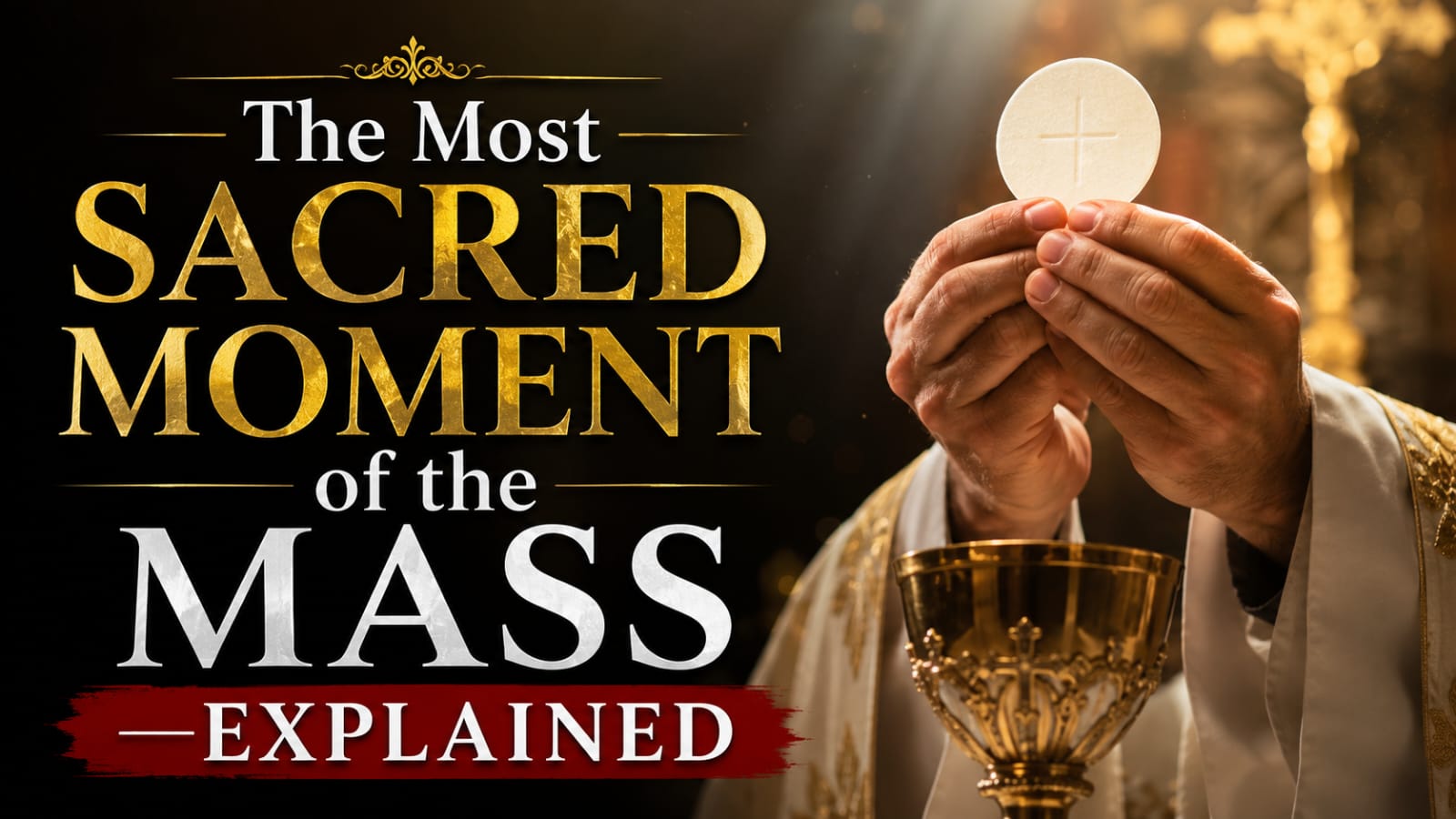
The term Corpus Christi is Latin for "Body of Christ." Officially known as the Solemnity of the Most Holy Body and Blood of Christ, the feast celebrates the Catholic belief in the Real Presence of Jesus in the Eucharist.
Catholics believe that during the Mass, through the mystery of transubstantiation, the bread and wine are transformed into the Body, Blood, Soul, and Divinity of Jesus Christ. While the appearances of bread and wine remain unchanged, their substance becomes Christ Himself.
Although the Eucharist is celebrated every day at Mass, Corpus Christi provides a special occasion to focus entirely on this central mystery of the Catholic faith.


The origins of Corpus Christi date back to the thirteenth century. The feast was inspired by the visions of Saint Juliana of Liège, a Belgian nun who believed the Church needed a feast dedicated solely to honoring the Eucharist.
According to tradition, she experienced a vision of the Church represented as a full moon with a dark spot. She interpreted this dark area as the absence of a feast specifically celebrating the Blessed Sacrament.
Her devotion gradually gained support among Church leaders. The feast received worldwide recognition after a reported Eucharistic miracle in Bolsena in 1263, where a priest struggling with doubts about the Real Presence allegedly witnessed blood flowing from a consecrated host during Mass.
Moved by this event, Pope Urban IV established Corpus Christi as a universal feast for the entire Church in 1264. Since then, it has become one of the most beloved celebrations in the Catholic calendar.
(CLICK HERE to follow Catholic Connect for regular Catholic News & Content)
Perhaps the most distinctive feature of Corpus Christi is the Eucharistic procession.
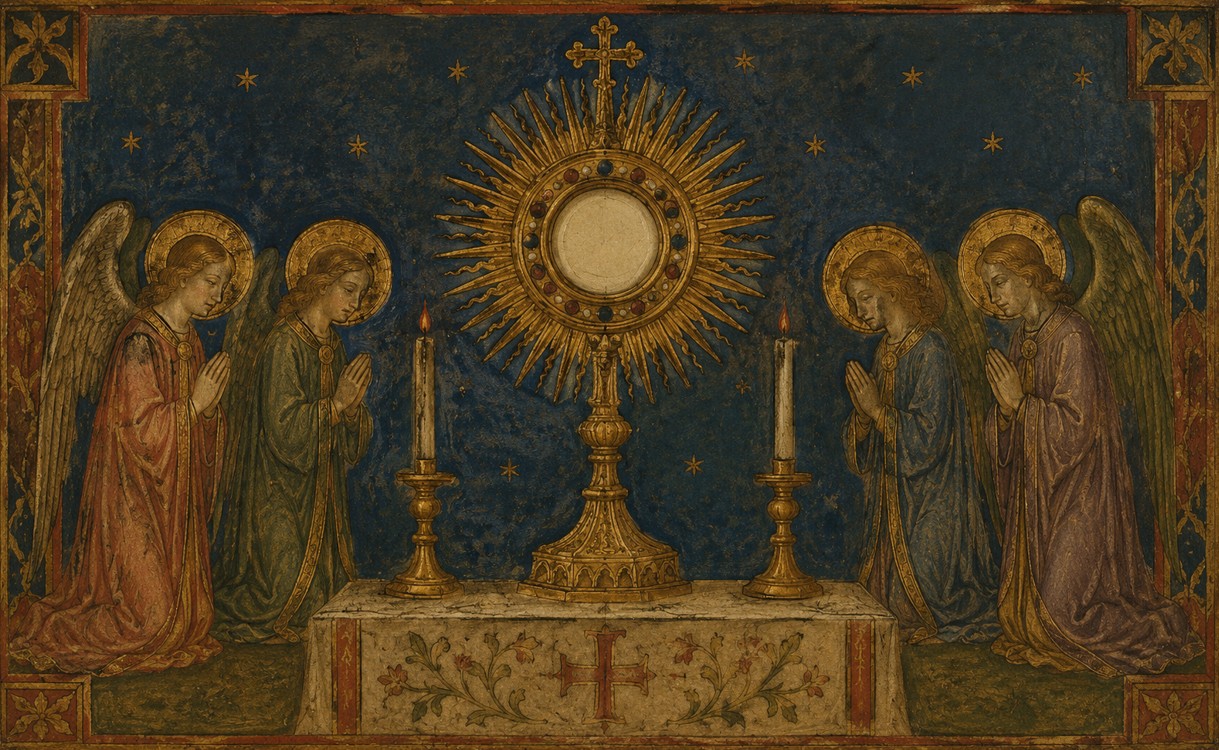
During the procession, the consecrated host is placed in a sacred vessel known as a monstrance and carried by a priest through public streets. The faithful follow in prayer, singing hymns and offering adoration.
But why leave the church building?
The answer lies in the mission of Christ Himself. Jesus did not remain hidden. He walked among people, visited homes, healed the sick, and met individuals where they lived and worked. Corpus Christi symbolizes Christ continuing that journey today.
The procession proclaims that faith is not confined to church walls. It belongs in every aspect of daily life—in homes, schools, workplaces, marketplaces, and public spaces.
In an increasingly secular world, Corpus Christi serves as a bold and peaceful witness to the Catholic faith.
The procession is a public declaration that Catholics believe Jesus is truly present in the Eucharist and continues to accompany His people. It is an act of evangelization without words, inviting others to encounter Christ through prayer and reverence.
The faithful who walk together behind the Blessed Sacrament also demonstrate the unity of the Church. Rich and poor, young and old, clergy and laity journey side by side as one family of faith.
For many communities, the procession becomes a moment of blessing. Streets, homes, businesses, and neighborhoods are symbolically entrusted to God's care and protection.
At its heart, Corpus Christi is a celebration of divine love.
The feast reminds Catholics that Jesus did not merely leave behind teachings or memories. He remains present in the Eucharist, nourishing His people and strengthening them for their journey of faith.
The Eucharist teaches self-giving love, sacrifice, unity, and communion. Just as bread is broken and shared, Christians are called to become instruments of Christ's love in the world.
Corpus Christi therefore challenges believers not only to adore Christ in the Eucharist but also to recognize Him in the poor, the suffering, and those in need of compassion.
The Feast of Corpus Christi continues to inspire millions of Catholics because it celebrates the heart of Christian faith—the living presence of Jesus Christ among His people.
As the faithful gather in churches and process through city streets carrying the Blessed Sacrament, they proclaim a message of hope to a world often marked by division and uncertainty. Christ is not distant. He walks with His people.
In every Eucharistic procession, the Church joyfully declares that the Lord who once walked the roads of Galilee still journeys with humanity today. Corpus Christi reminds believers that Christ remains present, offering strength to the weak, comfort to the suffering, and hope to all who seek Him.
It is a feast of faith, gratitude, and public witness—a beautiful reminder that God's love is not meant to be hidden but carried into the world for all to see.
By Catholic Connect Reporter
© 2026 CATHOLIC CONNECT POWERED BY ATCONLINE LLP