- 19 April, 2026

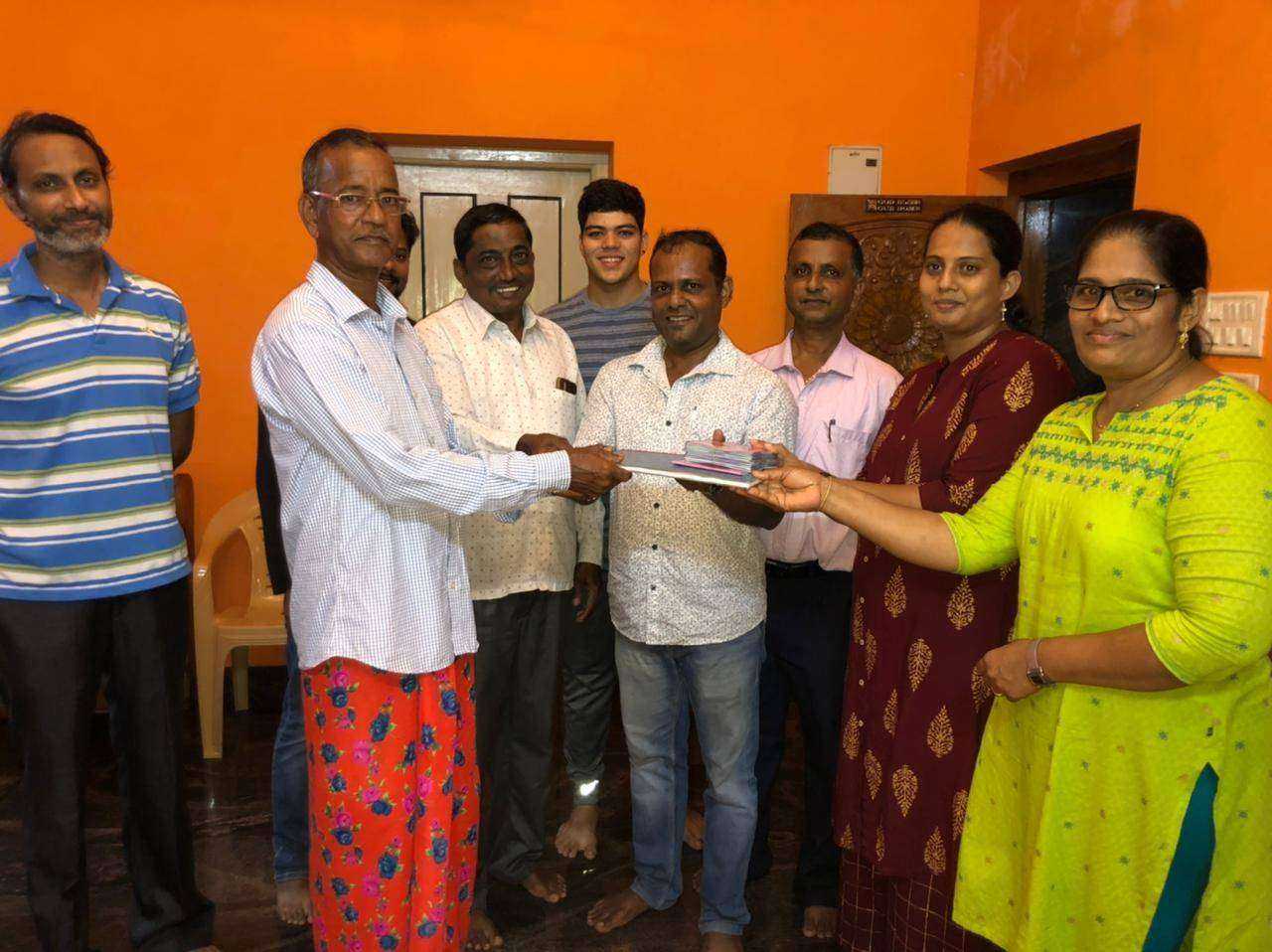
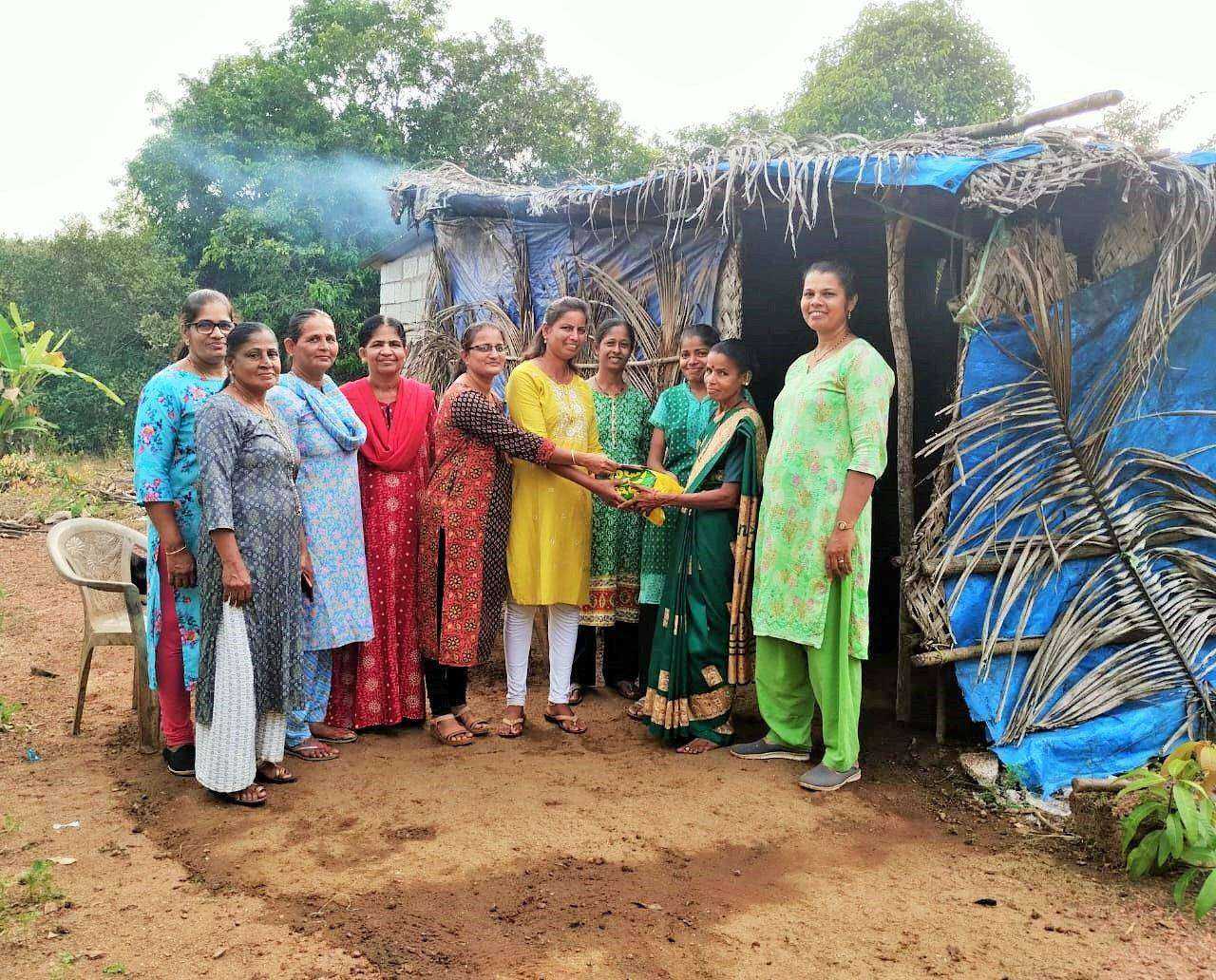
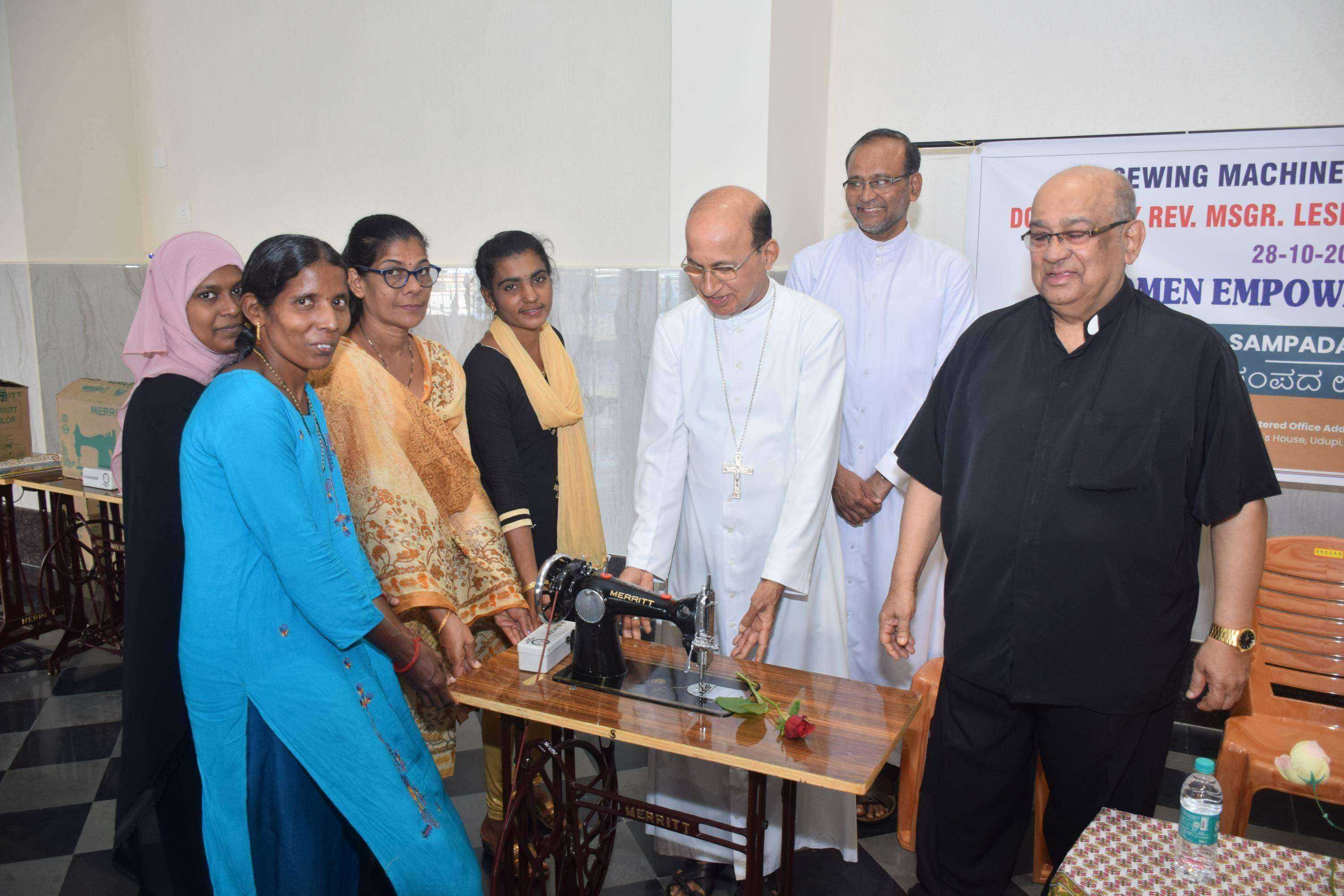
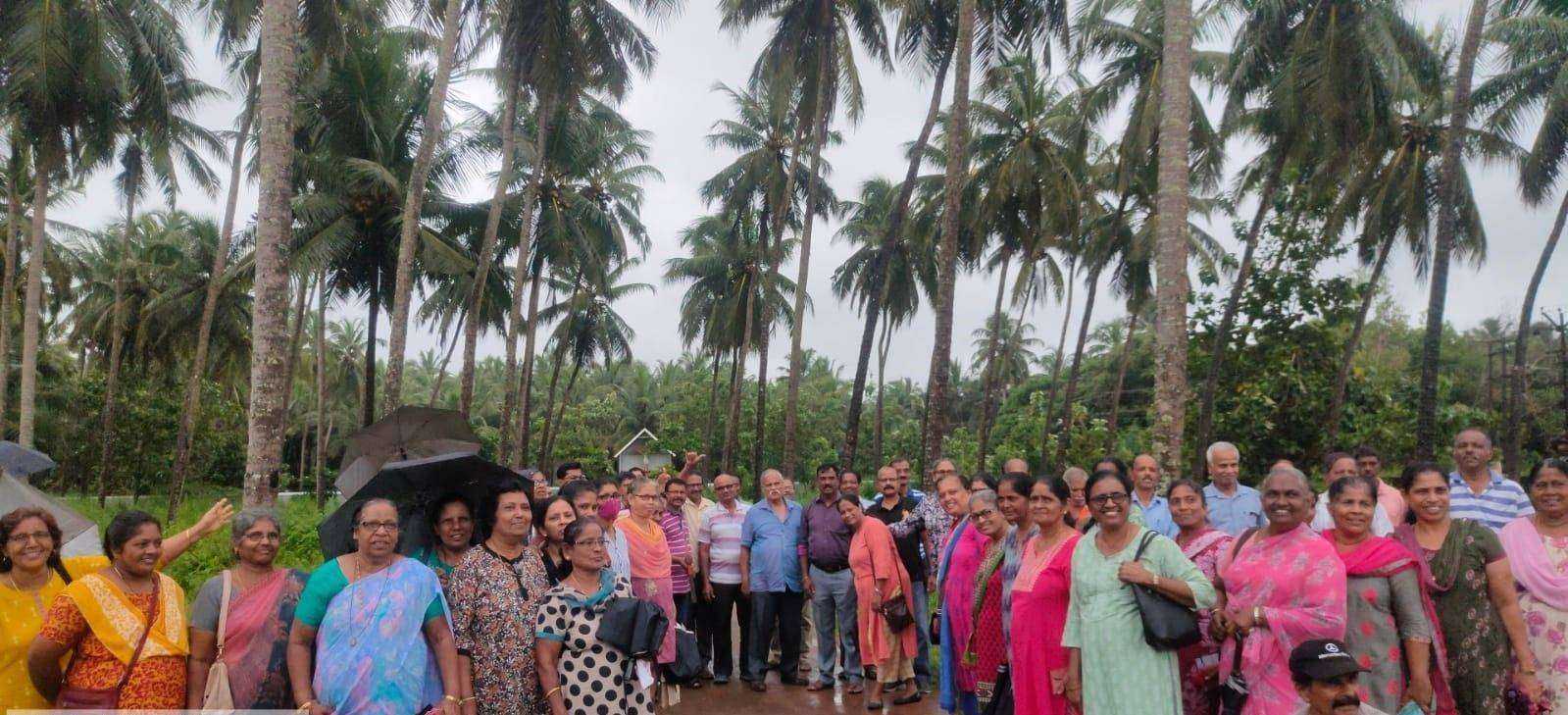
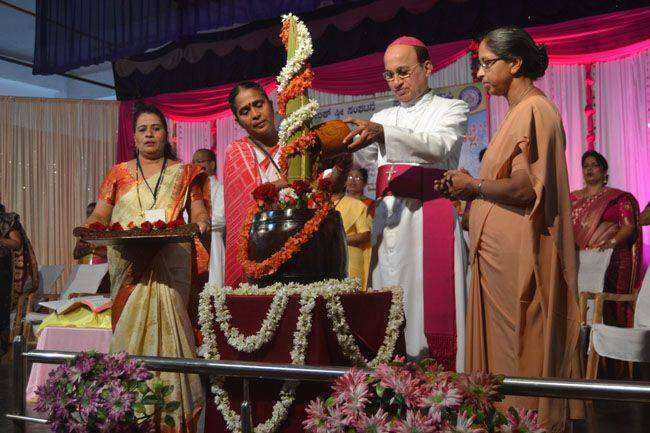
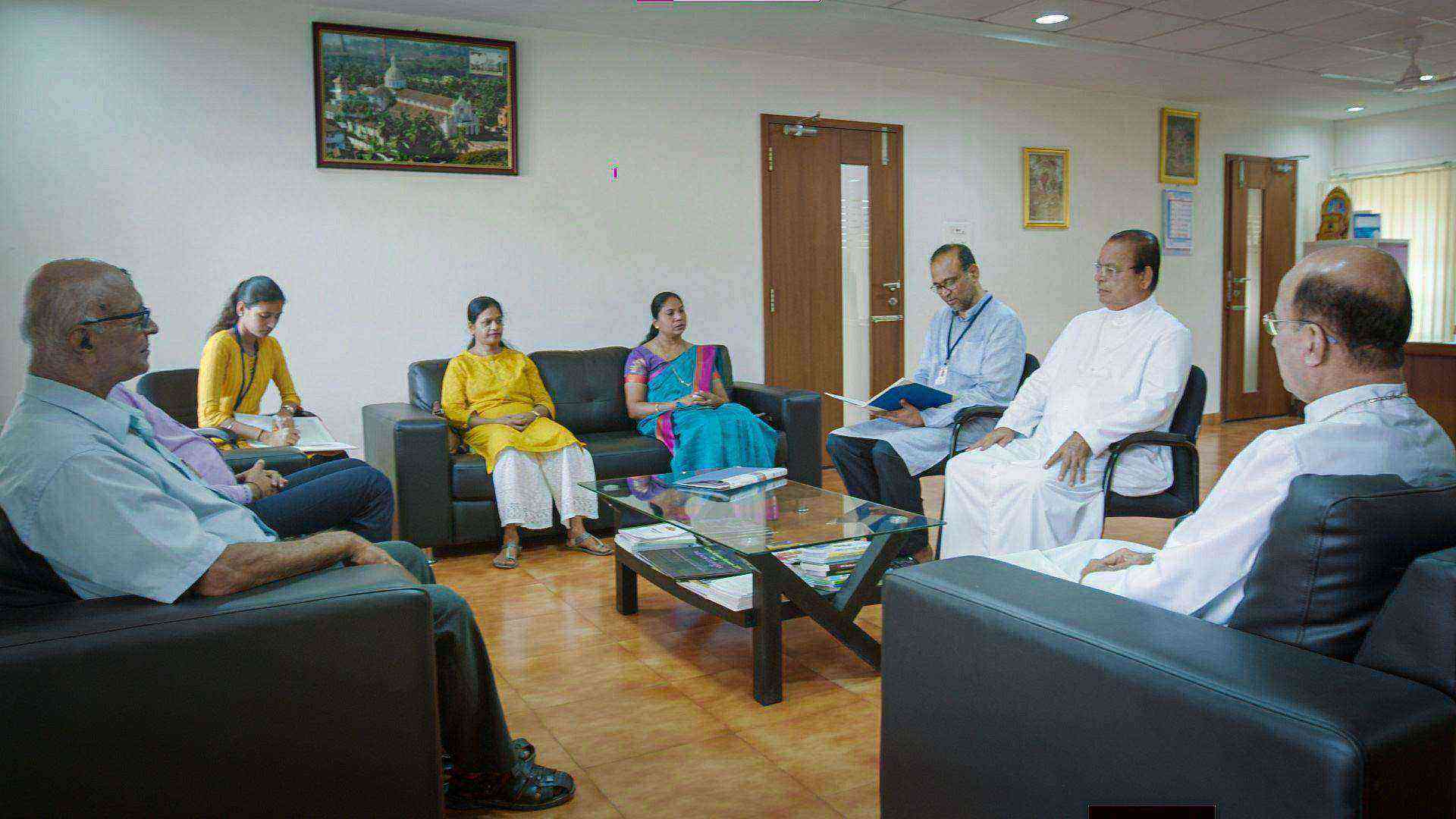
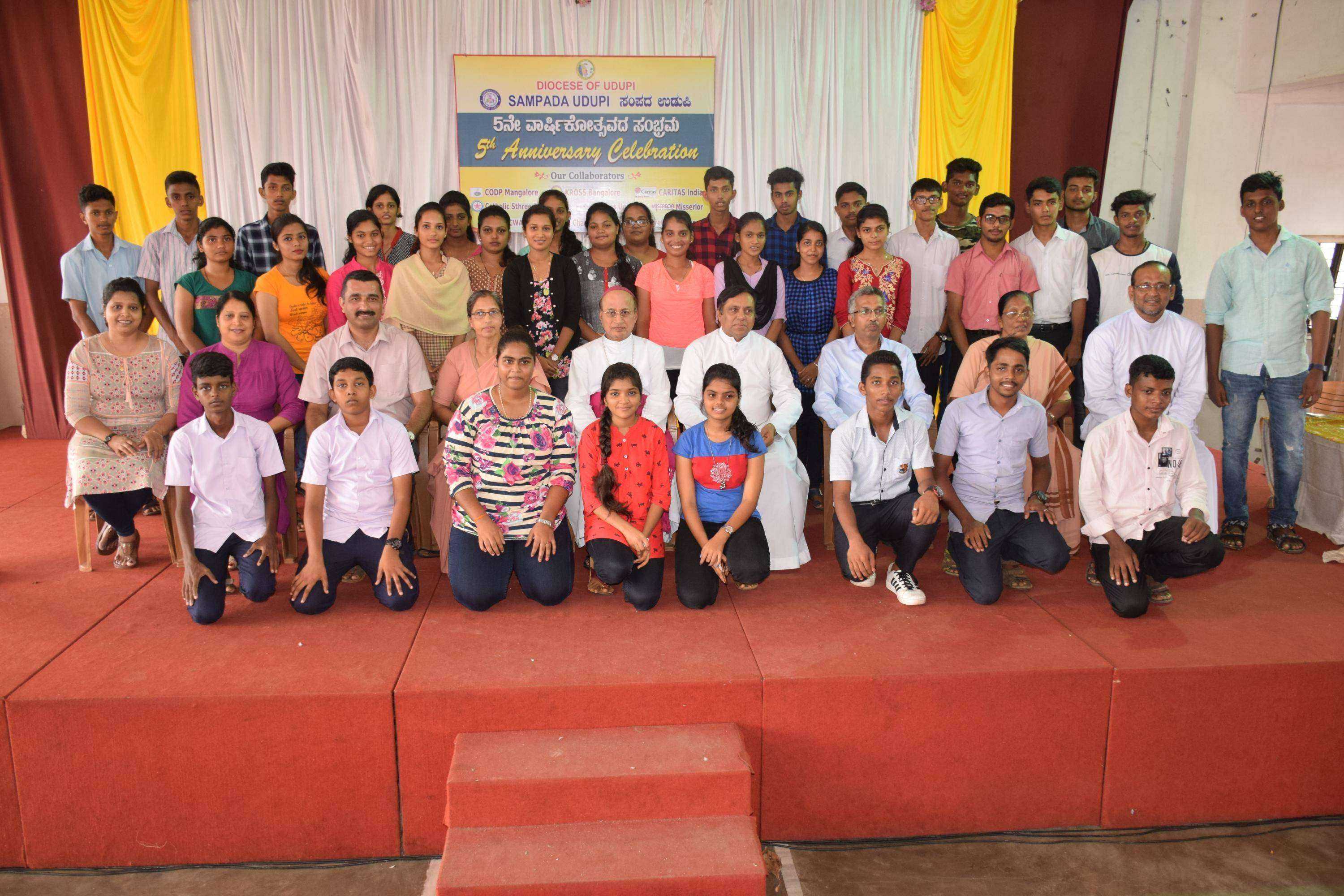
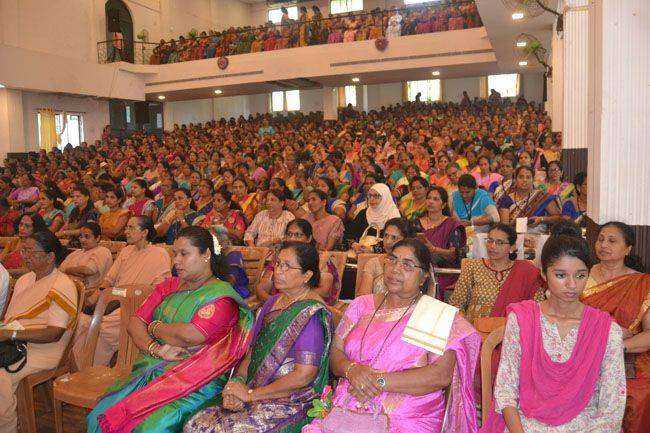
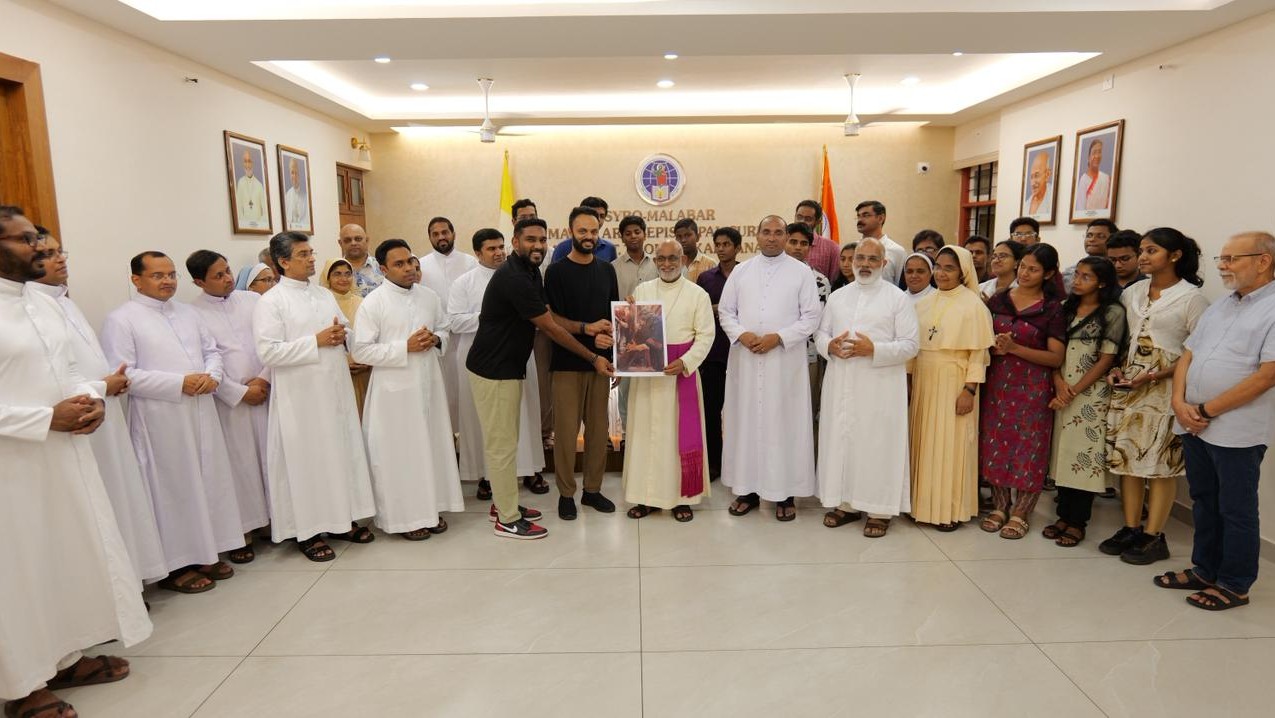
Udupi, April 19, 2026: “Don’t give a fish; instead, teach how to catch one” is an age-old adage. Sampada, the socio-economic development organisation of the Diocese of Udupi, stands as a powerful testimony to this principle in action.

Founded on June 7, 2014, with the objective of uplifting the poor and marginalized through education support, healthcare assistance, women’s empowerment, livelihood initiatives, and awareness of government schemes, Sampada has illuminated the lives of thousands of families over the past 12 years.
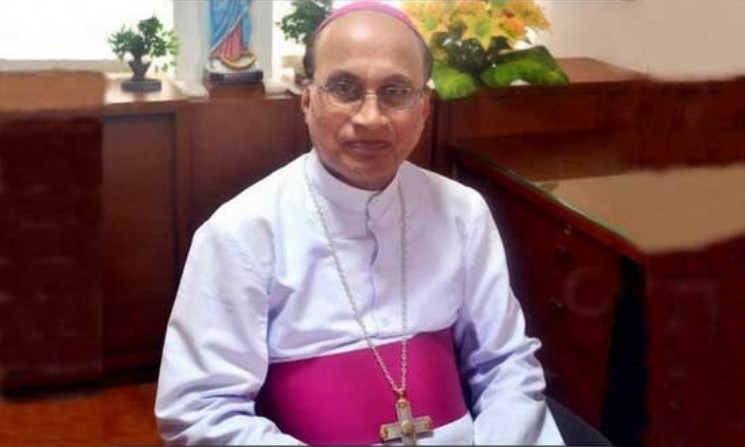
Perhaps even its visionary founder, Most Rev Gerald Isaac Lobo, the Bishop of Udupi diocese, may not have imagined that one day thousands of parishioners in the diocese would truly be able to “catch the fish” themselves.
What began as a modest diocesan initiative in 2012, inspired by the Biblical theme “There was not a needy person among them…” (Acts 4:34), which is also the guiding principle of the pastoral mission of the Diocese of Udupi, has grown remarkably across sectors—healthcare, education, social security, and women’s empowerment.
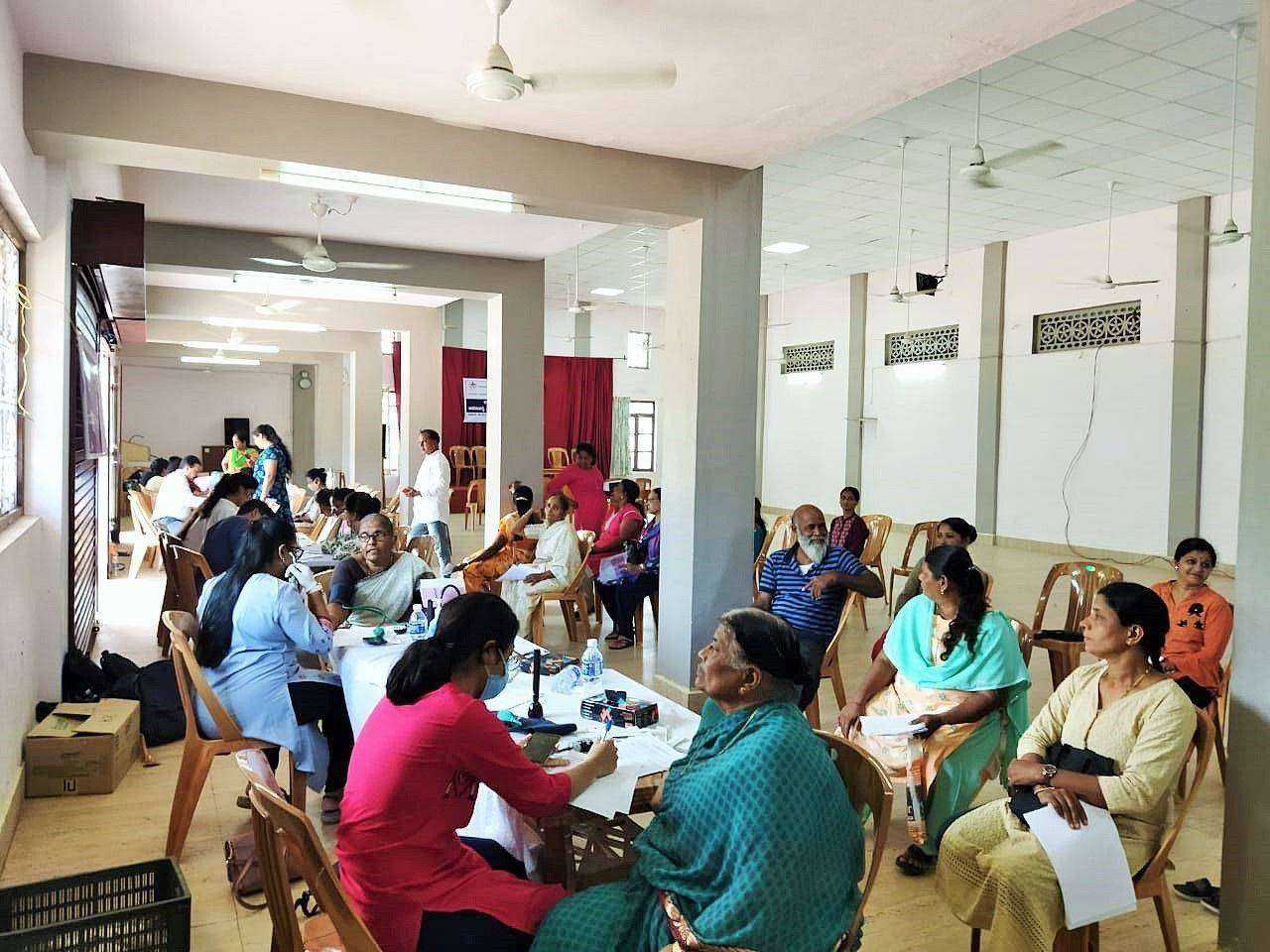
Healthcare has been one of Sampada’s foremost priorities, guided by the mission that no one should be deprived of medical treatment due to financial constraints, says Fr Reginald Pinto, the Executive Director of Sampada. In fact, the statistics from the past decade vividly reflect the compassionate outreach.


* Initial collaboration with Kasturba Medical College Hospital Manipal benefitted 12,575 persons with assistance worth ₹2.10 crore. (The initiative was taken up the Catholic Sabha).
* In 2016 alone, 13,058 beneficiaries received ₹3.08 crore in support.
* Partnership with Father Muller Medical College Hospital supported 1,897 individuals with ₹2.06 crore.
By 2025, a total of 1,27,458 beneficiaries had been served through these institutional partnerships, with a total of ₹38,72,58,957 utilized for medical care. This remarkable figure highlights not only the scale but also the consistency of the Diocese’s commitment, which remained steadfast even during the most challenging periods.
Beyond hospital-based assistance, the Diocese, through SAMPADA and its own funds, extended additional medical aid to ensure comprehensive coverage. This included facilitating access to government schemes like Ayushman cards for 3,122 individuals, alongside direct financial support: SAMPADA provided medical help to 383 beneficiaries amounting to ₹60,10,655, while the Diocese directly assisted 102 individuals with ₹15,08,945. In total, this additional layer of support reached 3,607 beneficiaries with a combined aid of ₹75,19,600.
When combined, the Diocese’s healing ministry has resulted in a grand total of ₹39,47,78,557 spent on healthcare over the decade. These are not mere numbers, but lives restored, families protected from bankruptcy, and hope renewed for the sick and vulnerable.
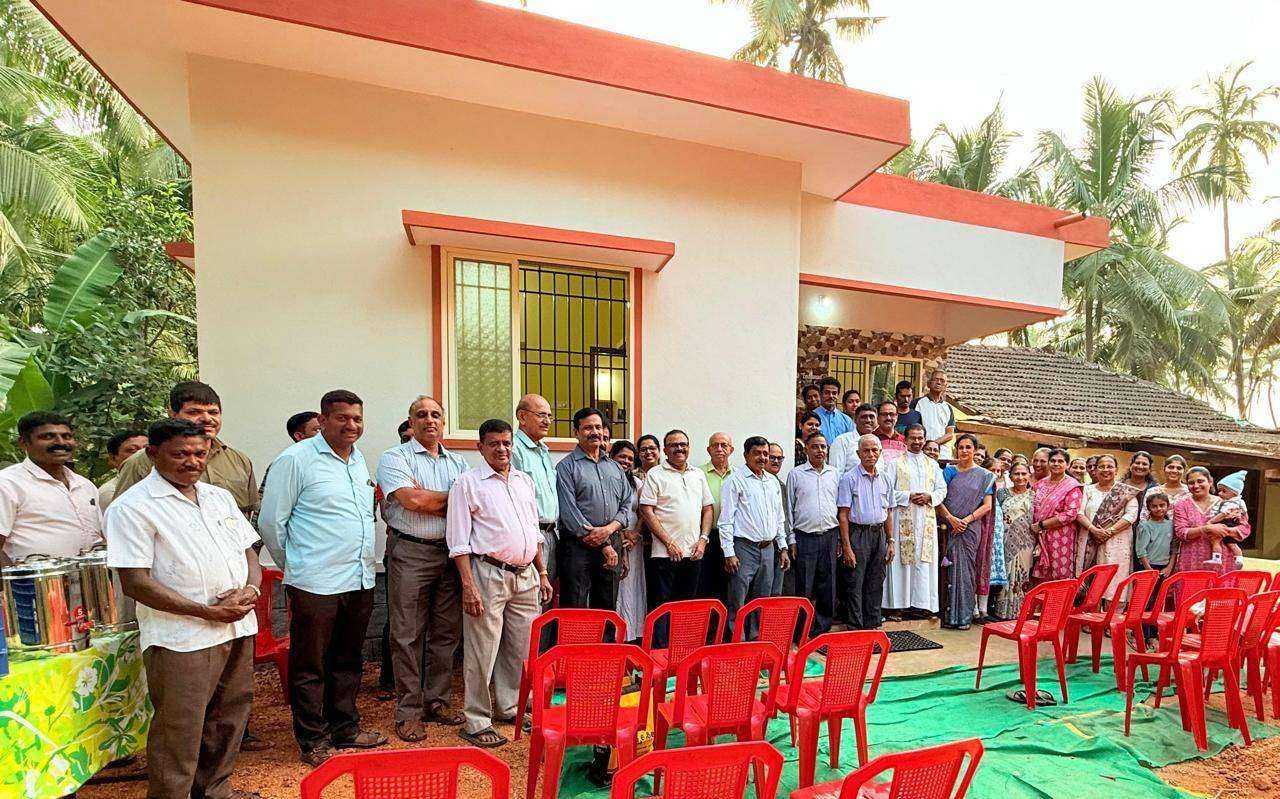
Recognizing that owning a home symbolizes dignity and stability, Sampada partnered with the Society of St Vincent de Paul:
* ₹41.74 lakh spent on repairing 157 dilapidated houses;
* ₹1.34 crore contributed to constructing 188 new homes;
* Total assistance: ₹1.76 crore benefiting 345 families
* The contribution of philanthropist Michael D’Souza has been especially noteworthy.
Education has been a cornerstone of Sampada’s mission:
* A total of 4,761 students received ₹87.45 lakh (pre-matric);
* A total of 3,368 students received ₹1.53 crore (post-matric);
* A total of 1,282 students benefited from ₹2.99 crore under merit-cum-means scholarships;
* Government schemes like Arivu and Vidyasiri further supported 505 and 2,969 students with Rs 1.52 crore and Rs 2.98 crore respectively, thereby securing the educational futures of thousands.
Additional initiatives include:
* “Holistic Development of Students” programme. This includes help worth Rs 29,84,835 to 352 pre-metric and 103 post-metric students;
* Scholarships through KCWA (Rs 68,63,585 to 201 students);
* Direct Sampada assistance (Rs 12,99,786 to 175 students);
* Philanthropist Michael D’Souza, through Educare, supported 874 students with over ₹6 crore. These efforts have enabled many students to pursue higher and professional education without financial burden.
Women empowerment has seen remarkable growth in the last one decade:
* Beneficiaries increased from 682 (2015) to 8,018 (2024);
* Financial assistance rose from ₹68.55 lakh (in 2015) to ₹9.81 crore (in 2025);
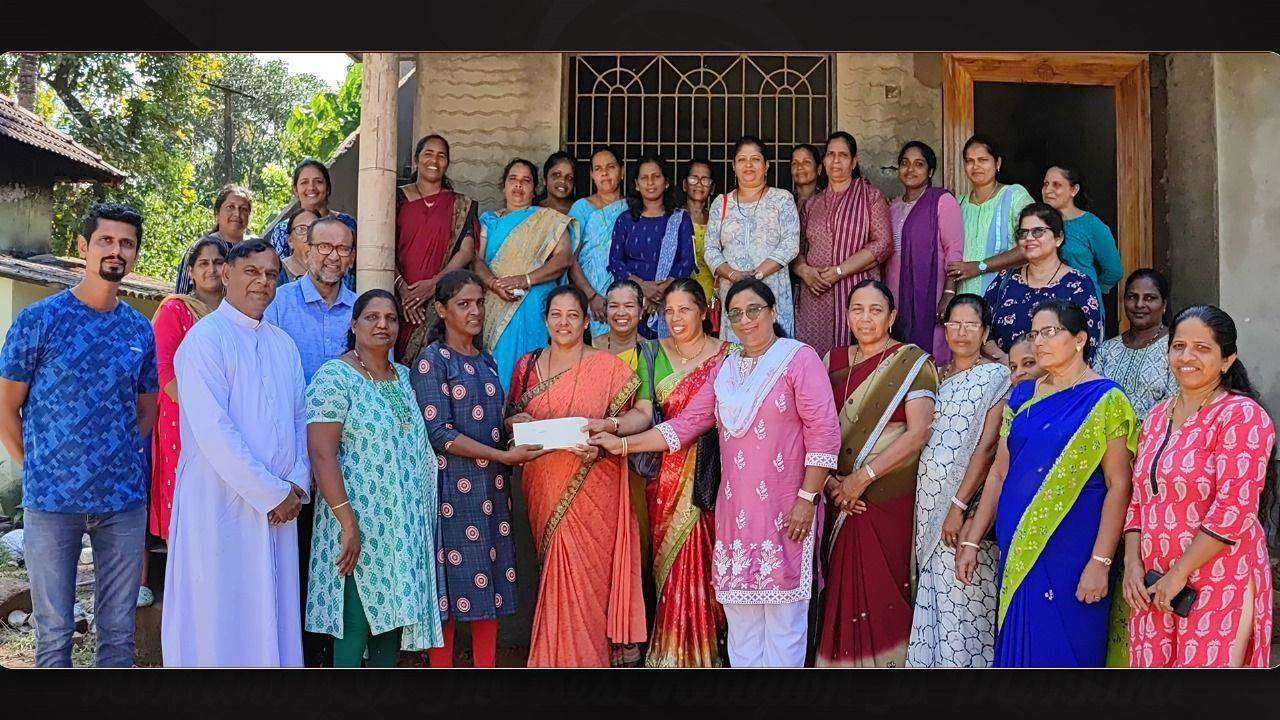
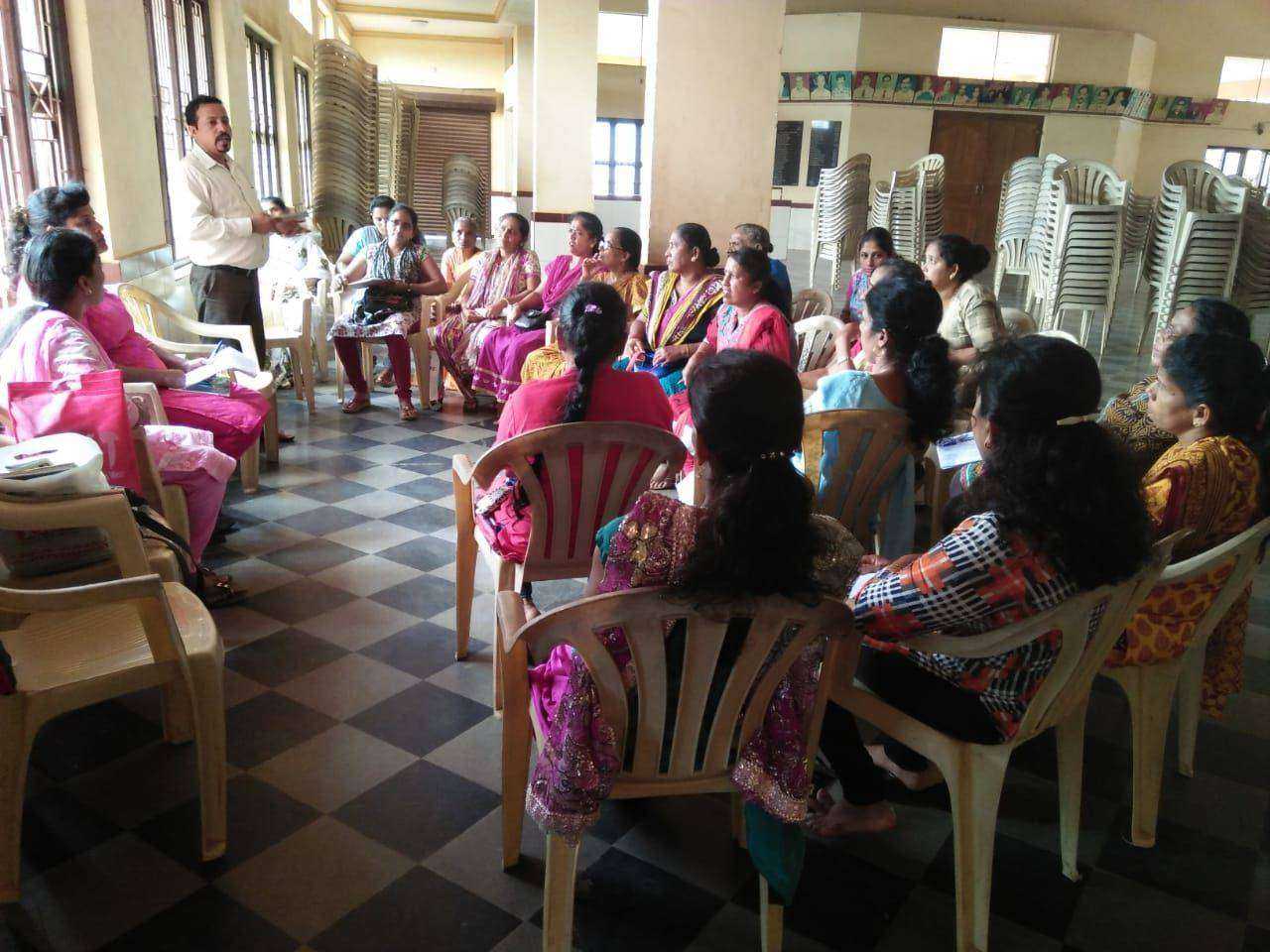
* Self Help Groups (SHGs) have been transformative. (While 5,640 women saved ₹9.32 crore; Loans worth ₹57.49 crore availed indicating a vibrant cycle of internal lending and entrepreneurial activity);
* Social security schemes benefited 16,552 women with ₹15.83 crore.
Sampada also:
* Provided ₹87.80 lakh to 236 women for self-employment;
* Promoted schemes like Gruhalakshmi (1,227), Shakthi (1,224), Anna Bhagya (1,109), and Gruha Jyothi (1,609), thus ensuring that women have access to nutrition, electricity and financial dignity.
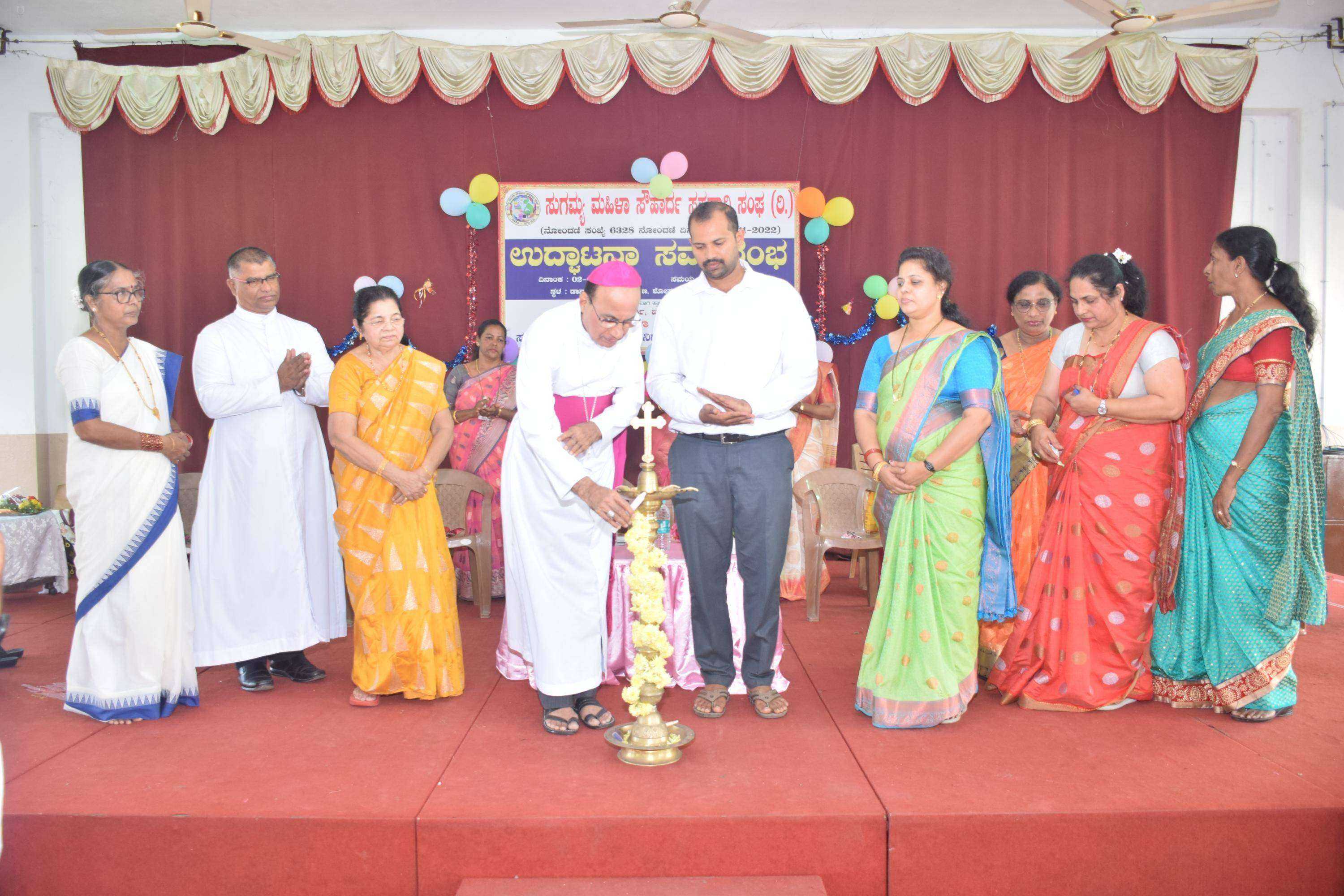
* Notable initiatives include: formation of “Jasmine Cultivators Association” with 1,000 women in the group. In fact, the Sugamya women co-operative society is perhaps the largest SHG by the women, for the women and of the women, which is also the feather in the cap of Sampada, a flagship achievement
Parallel to women’s SHGs, men farmers’ groups have flourished:
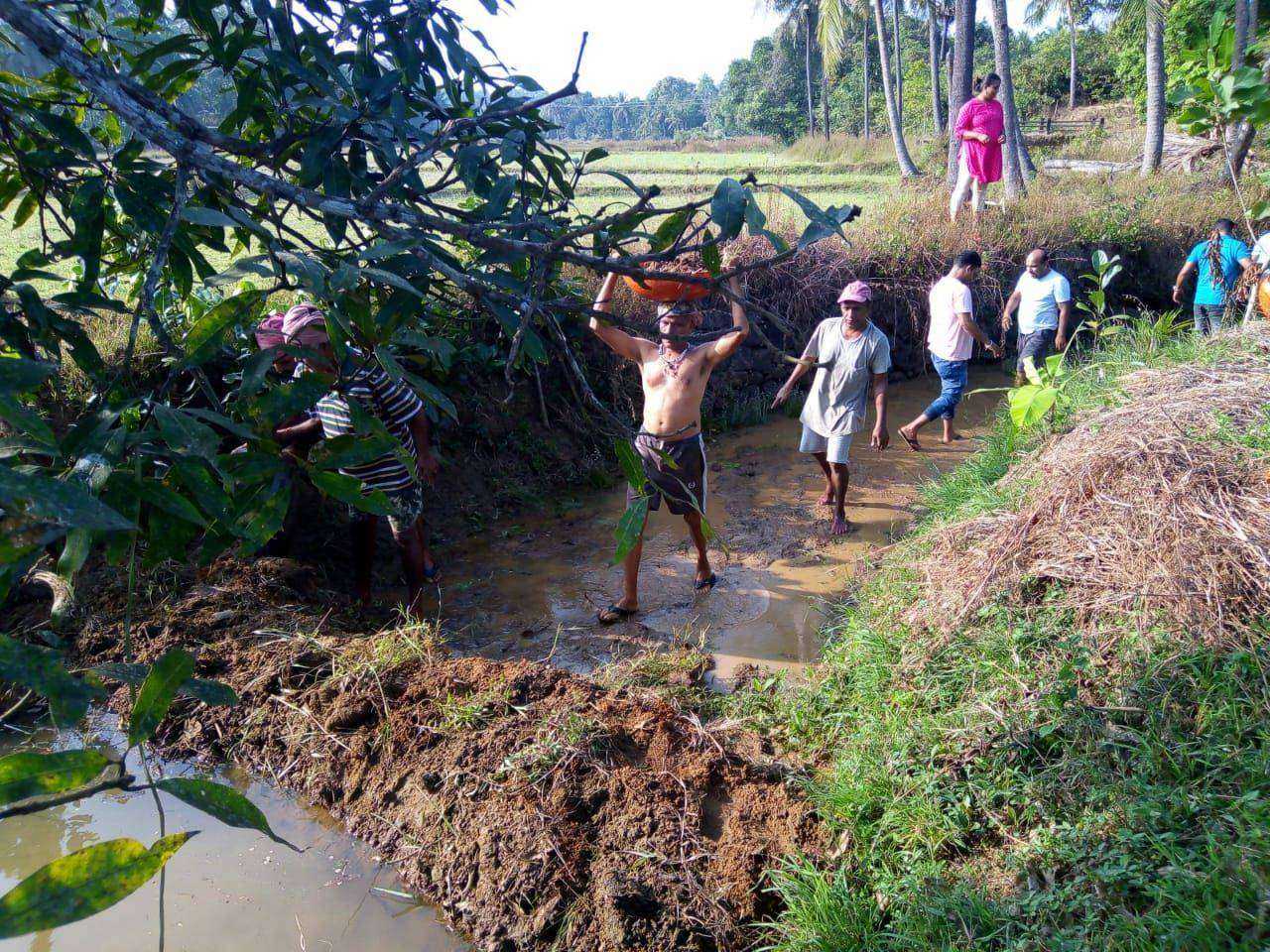
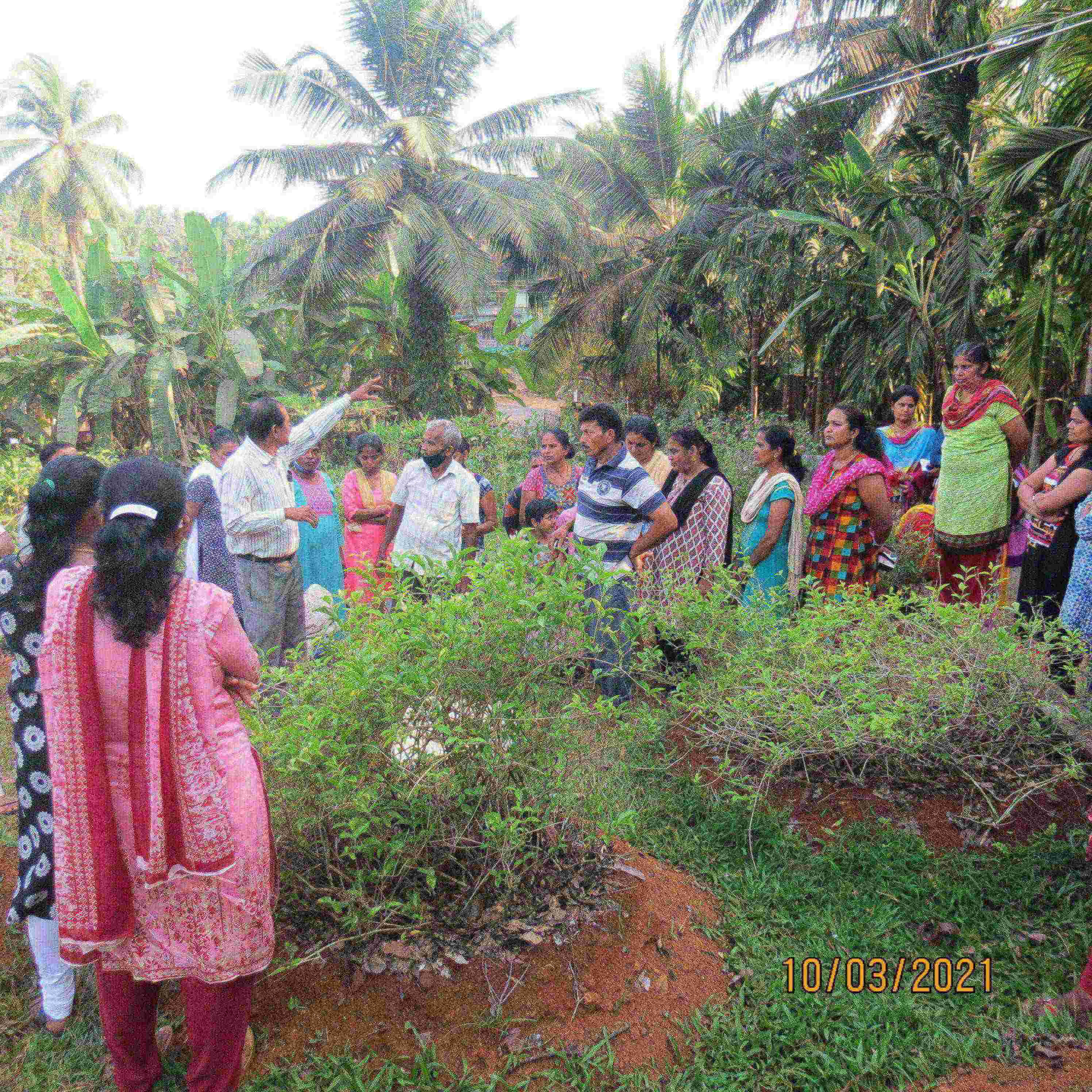
Just as the women have their own self help groups, the men in the diocese too have their own self help groups. A total of 1,677 farmers have formed 84 SHGs and they have succeeded in saving Rs 2.21 crore and based on their savings, they have availed a loan of Rs 6,64 crore, thus becoming a model for rural empowerment in the diocese.
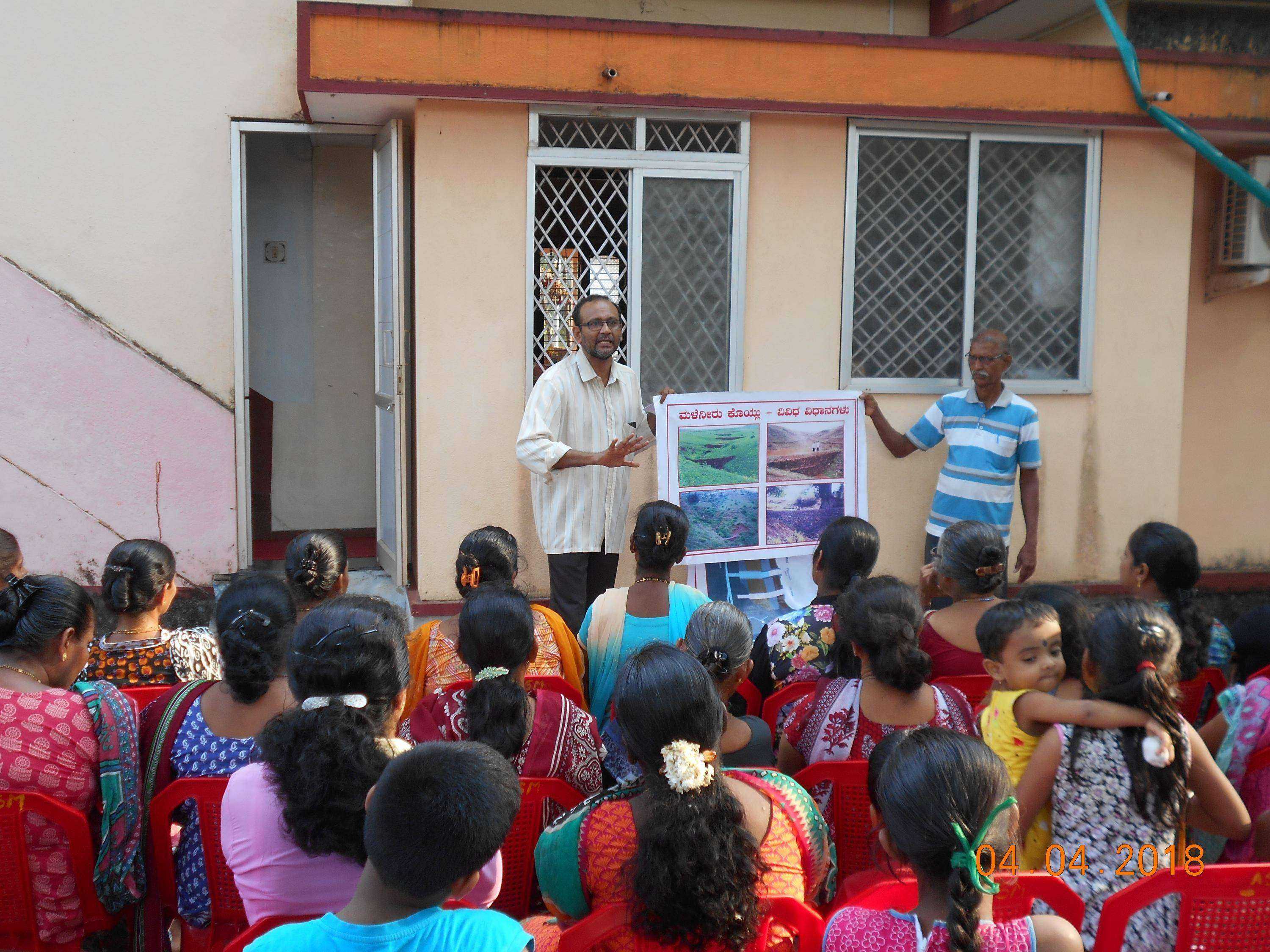
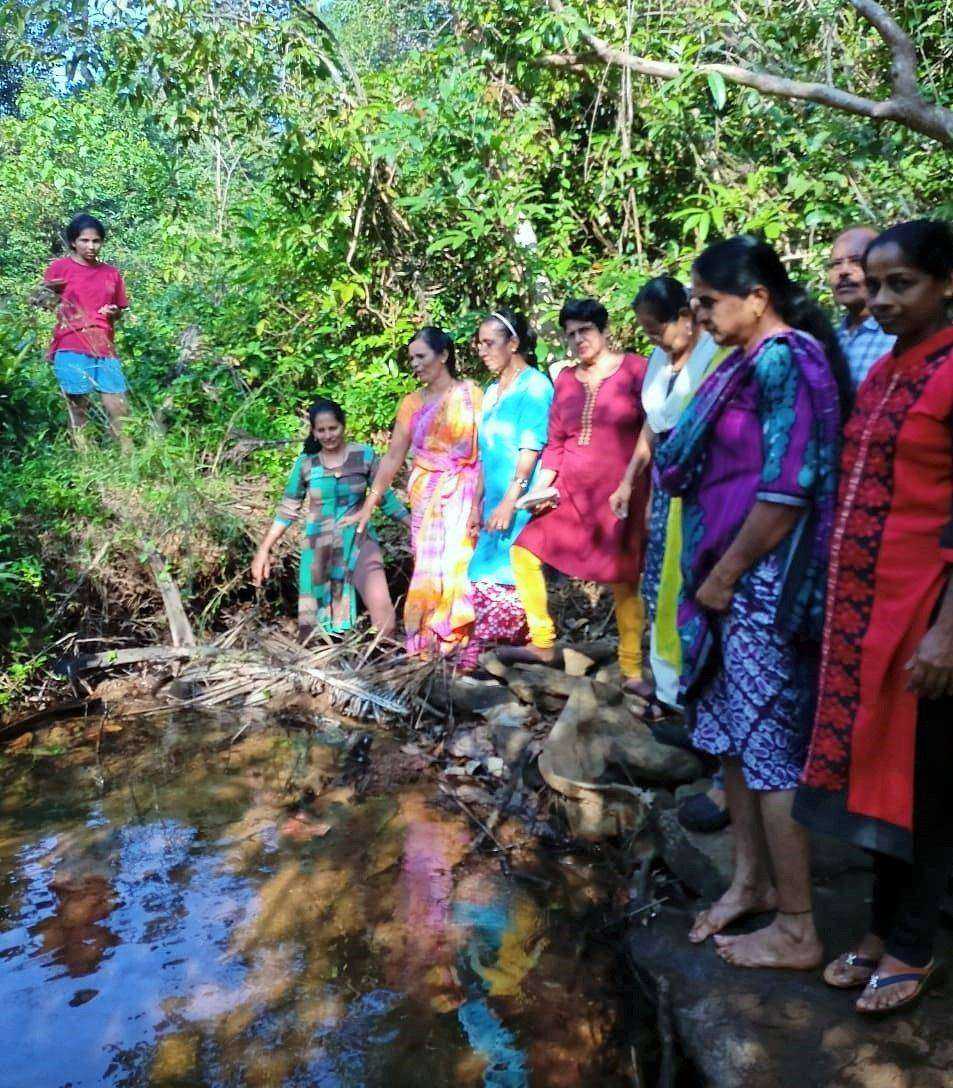
These groups have enabled the adoption of community-led initiatives, including collaborative land cultivation, fostering dignity, self-reliance and economic resilience. In fact, this approach represents a scalable model for inclusive development, rooted in solidarity and sustainability, adds Fr Pinto.
The driving force behind this transformation is Most Rev Gerald Isaac Lobo, the first Bishop of the Diocese of Udupi (established in 2012 after bifurcation from the Diocese of Mangalore). And the past decade of service bu the Diocese of Udupi stands as a living testimony that the Word of God is alive and active.
Through the coordinated efforts of SAMPADA and its unwavering commitment to healthcare (₹39.47 crore serving 1.27 lakh people), women’s empowerment (5,640 SHG members with over ₹57 crore in loans), and housing (345 homes built or repaired), the Diocese of Udupi continues to strive so that its motto becomes a lived reality.
With 49 years of dedicated service—23 years as a priest and 26 years as a bishop—Bishop Gerald Isaac Lobo has profoundly impacted thousands of lives across the Coastal Karnataka - with his different models of eradicating poverty and uplifting the poor.
Incidentally, the training programmes in social development and entrepreneurship he underwent in Canada and Germany several years ago, enriched his vision, helping him design sustainable, community-based development models that continue to empower thousands.
As he prepares to hand over leadership to Most Rev Leslie Clifford D’Souza, the Bishop-Elect of Diocese of Udupi, on April 20, 2026, his legacy remains one of empowerment, dignity, and sustainable development.
His work ensures that countless families are no longer dependent—but are empowered to build their own future.
Last but not the least, Sampada is not merely a development programme—it is a movement.
A movement that transforms charity into dignity, dependency into empowerment, and communities into self-reliant ecosystems.
It truly embodies the spirit:
Not giving fish—but teaching generations how to fish.
At a time when many institutions are concerned about the tightening norms of the Foreign Contribution (Regulation) Act, 2010, the Diocese of Udupi has demonstrated that impactful development is possible even without foreign funding.
With strong community participation, local resource mobilisation, and a spirit of self-reliance, the diocese has shown that true empowerment begins from within.
In a forward-looking initiative, the Diocese of Udupi is developing a mobile app to directly connect farmers and consumers—eliminating middlemen.
Through this platform:
* Farmers can upload details of their produce;
* Buyers can directly connect and purchase.
Currently in the implementation stage, this project aims to ensure better prices for farmers and fresh produce for consumers.
Medical emergencies can devastate families financially. Keeping this in mind, Bishop Gerald Isaac Lobo has proposed a simple yet powerful idea.
The diocese is contemplating to create an awareness among the people of the diocese (there are round 16,000 families in the diocese) to save a very small amount, say ₹15 a day or ₹50 a day (for those who can afford) to ensure stronger financial security.
These small daily contributions can collectively provide timely insurance support during emergencies, turning modest savings into meaningful protection.
Key Activities & Programs
1. Self Help Groups (SHGs)
• Organises and supports hundreds of SHGs
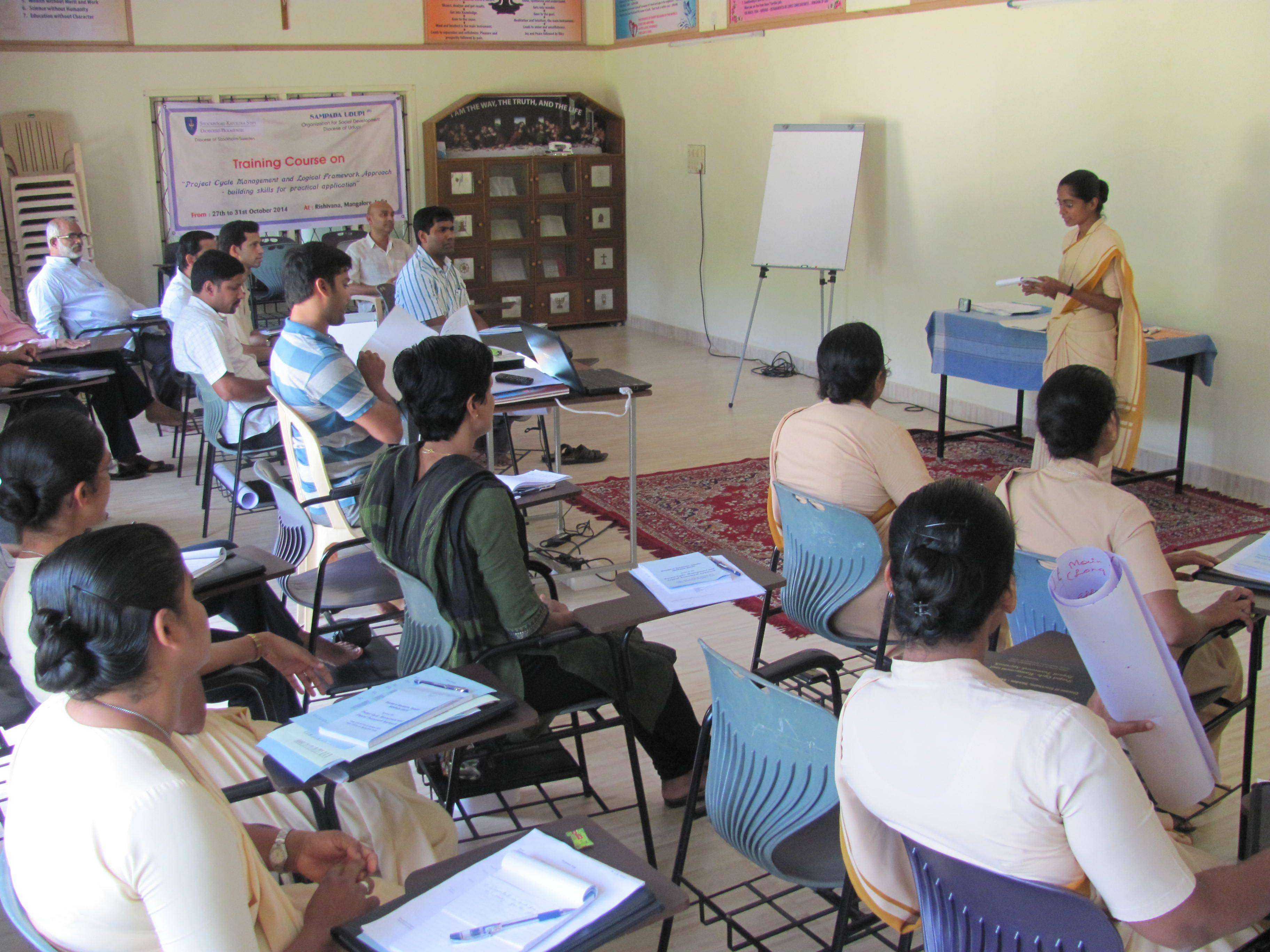
• Focus on women empowerment, savings, microfinance, and leadership
• Provides training in governance, rights, and administration
2. Education Support
• Interest-free loans and scholarships for students
• Thousands of beneficiaries supported over the years
3. Livelihood & Farmers Programs
• LEAD Project (Local Empowerment and Development)
• Promotes:
• Organic farming
• Value addition
• E-marketing for farmers
4. Social & Health Support
• Medical assistance for poor families
• Housing support and emergency aid
5. Women’s Economic Initiatives
• Formation of women-led cooperative institutions
• Support for small businesses and entrepreneurship
By Ronald Anil Fernandes
© 2026 CATHOLIC CONNECT POWERED BY ATCONLINE LLP