image

She Saw Him Alive… and Became the First Witness: The Powerful Message of Tuesday in the Easter Octave

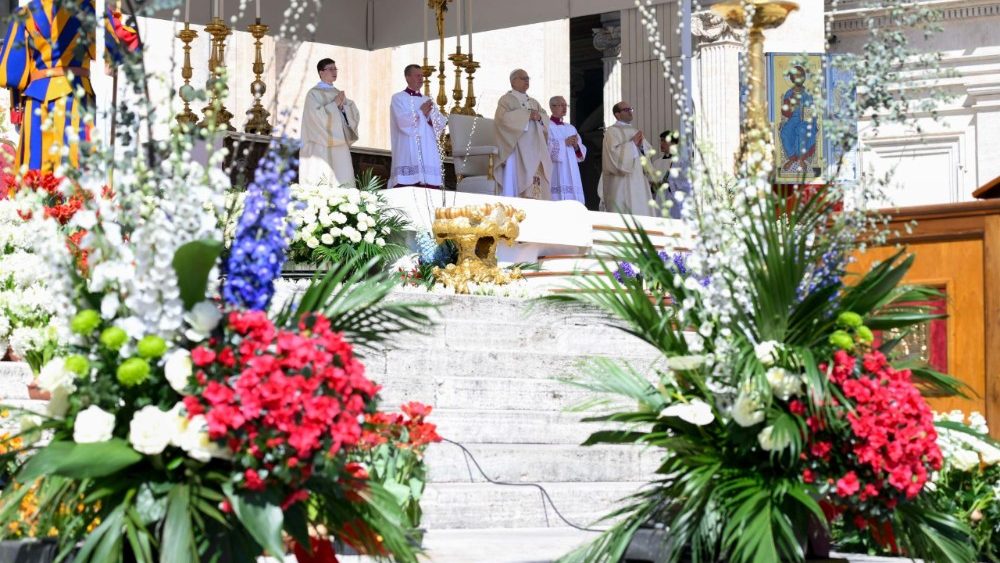
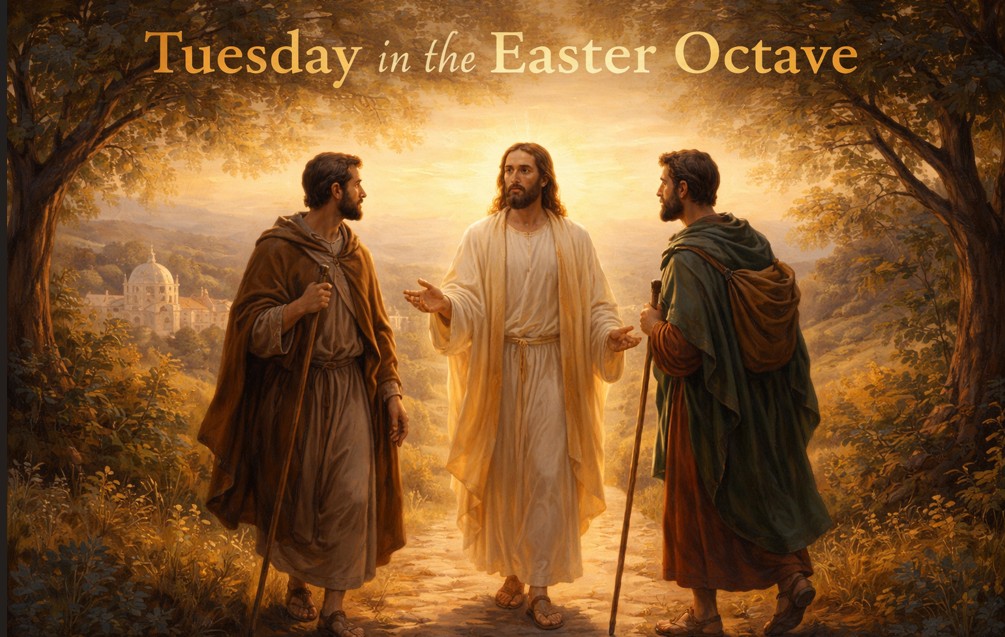
Vatican City, April 7, 2026: Tuesday in the Easter Octave continues the Church’s joyful proclamation of the Resurrection, focusing on personal encounters with the risen Jesus Christ. As part of the eight-day celebration of Easter, this day highlights the transforming moment when sorrow turns into faith—especially through the witness of Mary Magdalene, one of the first to encounter the risen Lord.


Significance of Tuesday in the Easter Octave

This day centers on encountering the risen Christ in a personal and transformative way.

  • It reflects the continuation of Easter joy, celebrated as a “little Easter.”
  • The focus is on recognition, faith, and spiritual awakening.
  • It reminds Catholics that Christ meets individuals personally, even in moments of grief.
  • In Catholic teaching, it emphasizes becoming a witness to the Resurrection.


Historical Origins of Tuesday in the Easter Octave

The observance of this day is rooted in early Church tradition.

  • It is part of the Easter Octave, an eight-day extension of Easter Sunday.
  • By the 4th century, the Church established octaves for major feasts like Easter.
  • Each day within the octave, including Tuesday, is celebrated with the same solemn joy as Easter.
  • The naming convention “Tuesday in the Octave of Easter” comes from liturgical tradition.


Relevance in the Catholic Church Today

This day continues to guide Catholics in living the reality of the Resurrection.

  • It invites believers into a personal relationship with the risen Christ.
  • The liturgy emphasizes faith that grows through encounter and experience.
  • It encourages Catholics to share the message of Easter with others.
  • It reinforces that the Resurrection is not distant—but active in daily life.


Interesting Stories and Biblical Events

Tuesday in the Easter Octave highlights one of the most intimate resurrection moments.

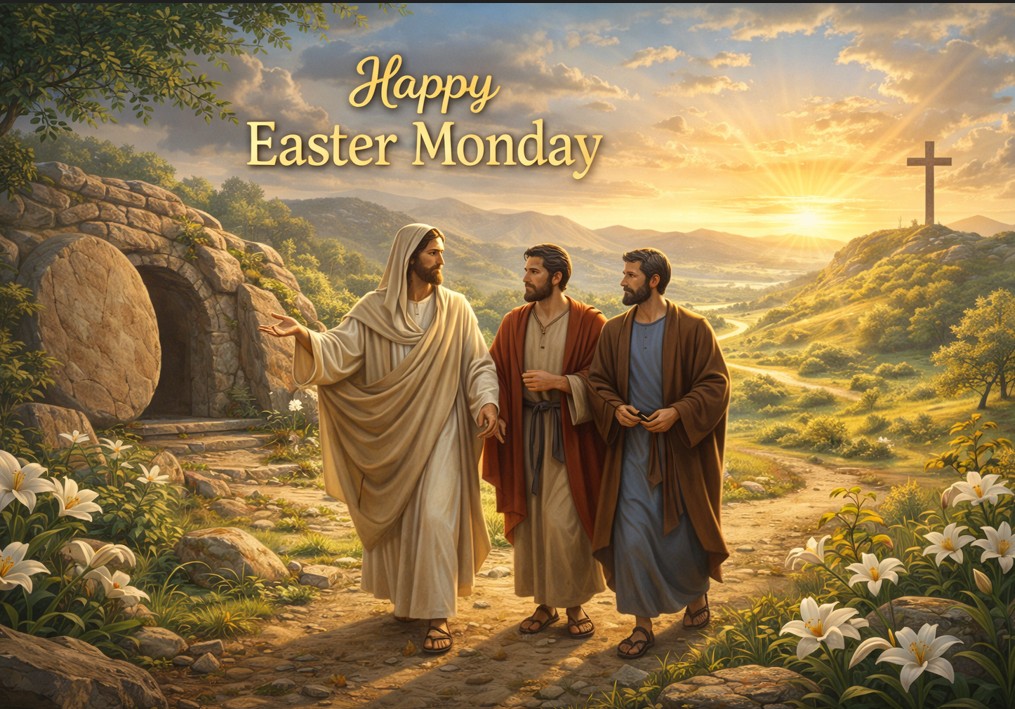
  • The Gospel recounts Mary Magdalene weeping outside the empty tomb.
  • She encounters Jesus but does not recognize Him immediately.
  • When He calls her by name, she realizes He is risen.
  • She becomes the first to announce, “I have seen the Lord.”


Insight: This moment reveals that faith often begins when Christ calls us personally—turning confusion into clarity.


When It Became Part of the Catholic Church

Tuesday in the Easter Octave developed alongside the Easter celebration itself.

  • Easter has been celebrated since the earliest Christian communities.
  • By the 4th century, the octave structure was formalized in the liturgical calendar.
  • Each day, including Tuesday, received specific readings and prayers.
  • It remains part of the Church’s highest-ranking liturgical celebrations.


Other Interesting Facts About Tuesday in the Easter Octave

  • It is the third day of Eastertide in the Catholic calendar.
  • Every day in the octave is celebrated with the same joy as Easter Sunday.
  • The liturgy continues to proclaim “Alleluia” as a central theme.
  • It is not a Holy Day of Obligation but holds high liturgical importance.
  • The readings often focus on witness, baptism, and the growth of the early Church.


Tuesday in the Easter Octave reminds believers that the Resurrection is deeply personal. It calls each person to recognize Christ’s presence, respond in faith, and share the joy of new life with the world.


By Catholic Connect Reporter

__________________________


Reflective Keywords : Tuesday in Easter Octave Catholic meaning, Mary Magdalene sees Jesus explained, Easter Octave significance Catholic Church, Resurrection encounters Bible, Catholic Easter week reflection, witnessing the Resurrection Catholic, Easter Octave liturgy
© 2026 CATHOLIC CONNECT POWERED BY ATCONLINE LLP