- 16 October, 2026
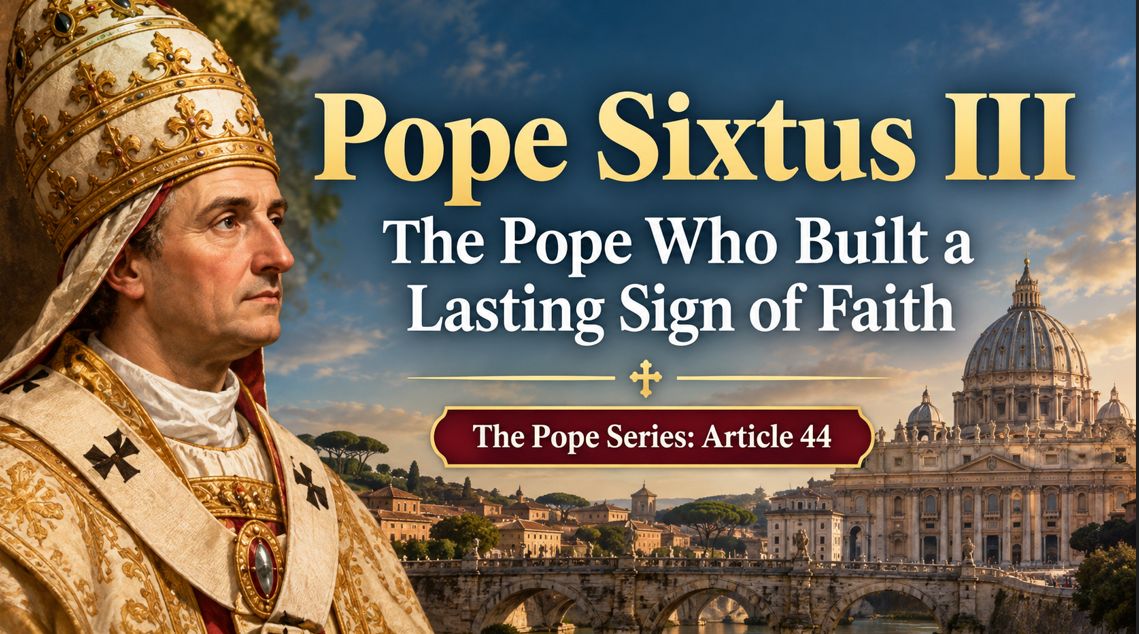
October 16, 2026: Pope Sixtus III led the Church during a time of deep theological debate and division. Remembered for his commitment to unity and his support for the faith proclaimed at the Council of Ephesus, he also left a lasting mark on Rome through the development of its churches. His pontificate shows how faith can be defended through both teaching and the beauty of sacred places. He is the forty-fourth successor of St. Peter, led the Catholic Church


Before becoming pope, Sixtus was an influential member of the Roman clergy. He lived through a period when Christians were working to understand and express the central truths of their faith. His correspondence with prominent Church figures, including St. Augustine of Hippo, reflects his involvement in the theological discussions of his time.
Sixtus III became pope on 31 July 432, succeeding Pope Celestine I. He inherited a Church still addressing the divisions surrounding the nature of Jesus Christ and the relationship between his divine and human natures.
(CLICK HERE to follow Catholic Connect and to stay updated with Catholic News & Content)
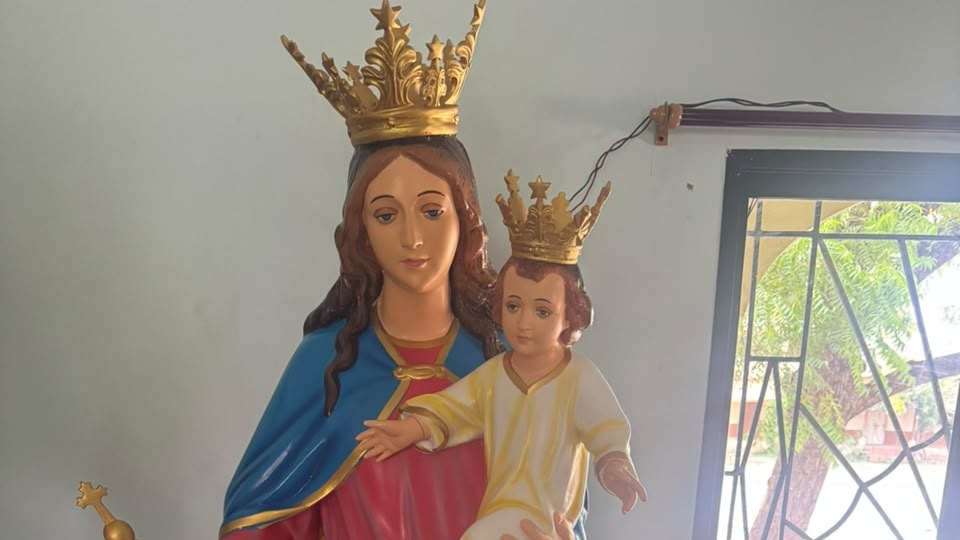
The Western Roman Empire was facing political instability, while the Church was growing in influence. The Council of Ephesus, held in 431, had affirmed that Mary could rightly be called Theotokos, a Greek term meaning “Mother of God”. This title emphasised that Jesus Christ is one person, truly divine and truly human.
However, disagreements remained, making reconciliation among Church leaders an important task.
Sixtus supported the teaching of the Council of Ephesus and worked to ease tensions between rival groups of bishops. He helped maintain communication and reconciliation after disputes involving St. Cyril of Alexandria and John of Antioch. His approach combined firmness in doctrine with a desire to restore peace.
One of his most enduring contributions was the development and decoration of the Basilica of Santa Maria Maggiore in Rome. Its celebrated fifth-century mosaics, commissioned during his pontificate, remain important examples of early Christian art. The basilica’s dedication to Mary reflected the Church’s teaching about Christ and his mother.
Sixtus also supported other church-building and restoration projects, helping make Rome a centre of Christian worship and artistic expression.
Sixtus faced accusations concerning his earlier theological sympathies and his conciliatory approach to disputes. Historical accounts differ on aspects of his early views, so these allegations should be treated cautiously. His pontificate nevertheless demonstrates the difficulty of defending doctrine while seeking reconciliation among divided Christians.
Sixtus is remembered for his pastoral concern, interest in Church teaching and commitment to peace. His support for sacred architecture also reflected an understanding that churches could teach the faith through images, worship and communal prayer.
His pontificate offers a lasting lesson: remain faithful to the truth while continuing to seek unity among believers.
Pope Sixtus III helped preserve the Church’s teaching during a period of disagreement and left a visible legacy in Rome’s sacred architecture. Santa Maria Maggiore continues to connect generations of Christians with the faith and devotion of the early Church.
Sixtus III reminds Catholics that unity does not mean ignoring important differences. It requires patient dialogue, fidelity to the faith and a willingness to work towards reconciliation. His legacy also shows how sacred art and places of worship can help communicate Christian belief across generations.
His legacy continues through the structured life of the Church today, carried forward by his successors.
To know more about the previous Popes, click here
By Catholic Connect Reporter
Pope Sixtus III, Pope Sixtus III biography, Pope Sixtus III 432–440, Saint Sixtus III, 44th Pope, Pope Sixtus III and Council of Ephesus, Pope Sixtus III and Santa Maria Maggiore, early Catholic popes, Catholic Church history, history of the papacy, ancient popes, Saint Sixtus III feast day
© 2026 CATHOLIC CONNECT POWERED BY ATCONLINE LLP