- 22 February, 2026

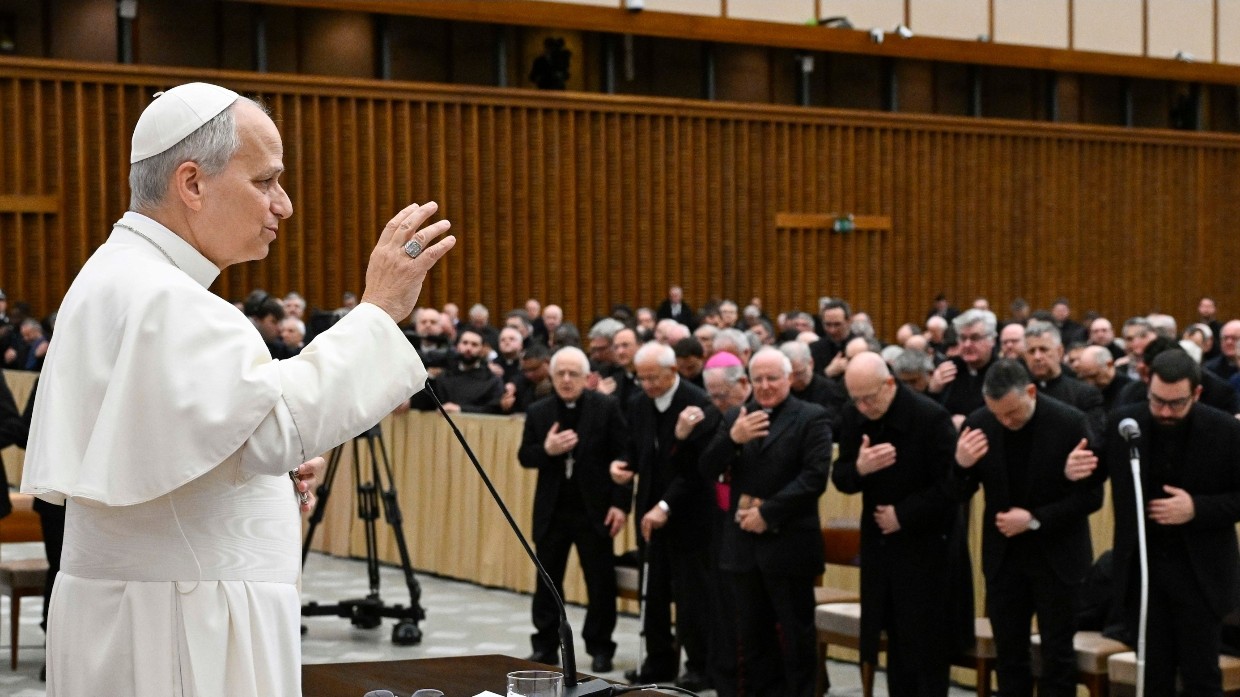
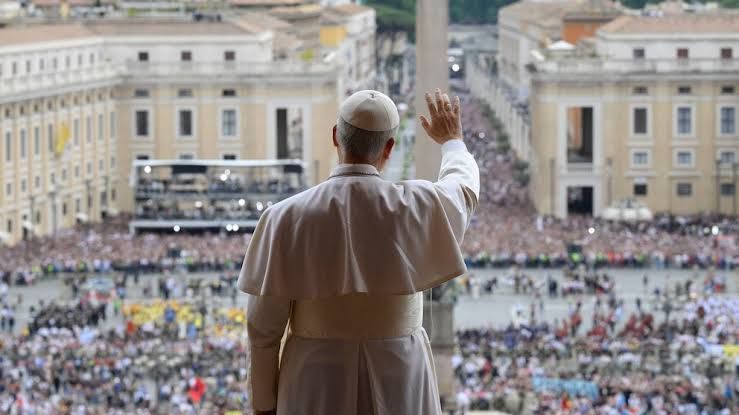
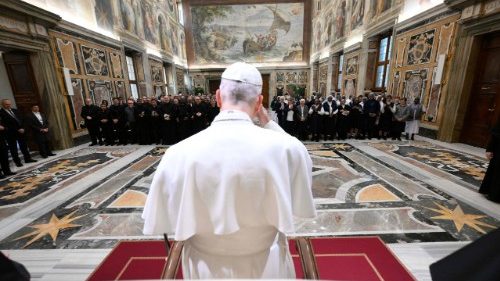
Vatican City, February 22, 2026: An open and candid exchange marked Pope Leo XIV’s meeting with clergy from the Diocese of Rome, as he responded to four questions in a wide-ranging dialogue touching on spiritual guidance, pastoral ministry, the internet and priestly fraternity.

After delivering his address, the Pope entered into a question-and-answer session. The Vatican released the contents the following day, Friday, 20 February. Although only four priests posed questions, representing different age groups, the discussion spanned numerous themes — including a clear warning not to rely on artificial intelligence to prepare homilies.
Cardinal Baldo Reina, Vicar General of Rome, introduced the discussion. Among those speaking was a young priest ordained by Pope Leo last May, who asked how clergy can accompany young people today.





The Pope urged priests to keep their “eyes open” to the fragile realities many young people face, including broken families, absent parents and experiences of abandonment. Priests, he said, must understand their lives and accompany them — without becoming “just one of the young”. The priest’s witness must offer a credible model of life.
He encouraged clergy not to focus solely on those already attending parish activities, but to reach out actively. “We must go ourselves,” he insisted, suggesting initiatives in sport, art and culture as pathways to encounter. Friendship, he said, opens the door to communion and eventually to introducing young people to Christ.
Highlighting the deepening isolation of youth — intensified after the pandemic and through smartphone use — the Pope warned of a growing “coldness” in relationships. Many young people, he added, endure lives scarred by drugs, crime and violence, requiring time and sacrifice from priests willing to walk beside them.
Responding to a parish priest’s question on pastoral effectiveness in postmodern culture, Pope Leo stressed the need to know deeply the community one serves. Drawing on his own experience in Rome, including a recent visit to Ostia, he noted that while streets remain the same, society has changed profoundly. Effective ministry begins with understanding local realities.
Turning to technology, the Pope cautioned against preparing homilies with artificial intelligence. “The brain needs to be used,” he said, comparing it to muscles that weaken without exercise. A true homily shares lived faith — something AI cannot provide. Likewise, he warned against illusions fostered by social media platforms such as TikTok, where the pursuit of ‘likes’ and ‘followers’ can obscure authentic witness.
He also addressed what he called a widespread “pandemic” among clergy: invidia clericalis, or clerical envy. Rather than allowing jealousy over appointments to larger parishes to breed gossip, priests should cultivate fraternity and friendship.
Recalling an example from Chicago, his hometown, where priests met monthly for prayer and study well into old age, he urged ongoing formation. “Study must be permanent,” he said, lamenting that some abandon reading after seminary.
Finally, the Pope reflected on ageing, illness and the value of life, warning against negative attitudes that undermine the Church’s defence of life amid debates on euthanasia. Priests, he said, must witness to life’s dignity by visiting the sick and elderly and personally bringing the sacraments.
“Life still has great meaning,” he concluded, even in frailty — especially when offered in prayer and service.
Courtesy Vatican News
Download Catholic Connect App for Daily News Updates:
Android: Click here to download
Continue Reading on Catholic Connect App
Get access to exclusive news articles & more.

© 2026 CATHOLIC CONNECT POWERED BY ATCONLINE LLP