- 10 July, 2026
ISLAMABAD, July 10, 2026: Nearly twelve years after one of Pakistan’s most horrific attacks on Christians, the Supreme Court has acquitted the remaining three men who had been sentenced to death for the brutal killing of a Christian couple in Kot Radha Kishan, raising fresh questions about justice for victims of religious violence.


A Tragic Crime That Shocked the World
On 4 November 2014, Shahzad Masih and his pregnant wife, Shama Bibi, were brutally attacked by an enraged mob in Kot Radha Kishan, Kasur district, Punjab province. The couple had been falsely accused of committing blasphemy, an allegation that quickly sparked mob violence.
Witnesses said the couple were beaten, tortured and eventually burned alive in a brick kiln. Their deaths drew widespread international condemnation and highlighted the dangers faced by religious minorities in Pakistan, particularly under the country's controversial blasphemy laws.


The horrific incident remains one of the most disturbing examples of mob violence linked to allegations of blasphemy.
Supreme Court Acquits Remaining Convicts
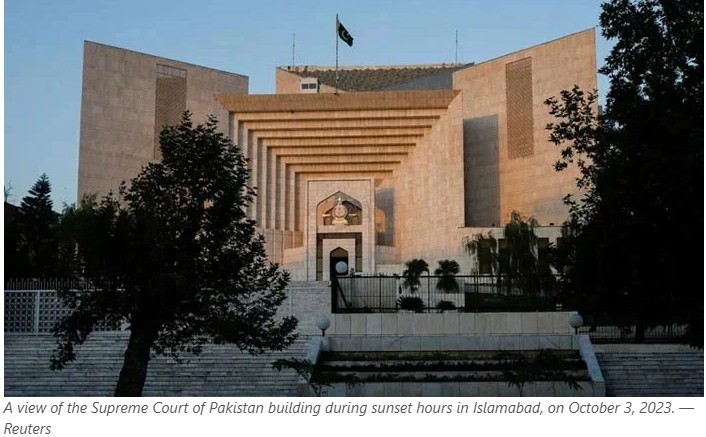
On Thursday, a three-member bench of the Supreme Court of Pakistan, led by Justice Malik Shahzad Ahmad Khan, acquitted the remaining three men who had been on death row.
The Court ruled that weaknesses in the prosecution's case and inconsistencies in the evidence entitled the accused to the benefit of the doubt. As a result, the convictions and death sentences of Irfan, Mehdi and Riaz were overturned.
The Supreme Court also dismissed an appeal filed by the Punjab government challenging an earlier Lahore High Court decision that had acquitted 102 other accused in the same case.
With this ruling, all of the original death sentences handed down in connection with the killings have now been set aside.
Long Legal Journey
Following the attack, police registered cases against hundreds of named and unidentified suspects. The Anti-Terrorism Court later sentenced five men to death while imposing prison terms on several others.
However, the convictions gradually unravelled during the appeals process. The Lahore High Court had previously acquitted two of the five death-row convicts, while upholding the convictions of the remaining three until the Supreme Court's latest judgment.
The Supreme Court found that the prosecution had failed to establish guilt beyond reasonable doubt, leading to the acquittal of the final three accused.
Continuing Concerns for Religious Minorities
The deaths of Shahzad Masih and Shama Bibi became a symbol of the vulnerability faced by Pakistan's Christian community and other religious minorities.
Human rights organisations have repeatedly warned that allegations of blasphemy can rapidly escalate into mob violence, often before any legal investigation takes place. Critics argue that fear, intimidation and weak investigations frequently make it difficult to secure convictions in such cases.
While the Supreme Court's decision was based on legal principles requiring proof beyond reasonable doubt, the verdict is likely to renew debate over accountability in cases involving communal violence and attacks on religious minorities.
More than a decade after the tragic killings, the case continues to serve as a painful reminder of the devastating consequences of religious intolerance and the ongoing challenges of delivering justice in highly sensitive cases.
Courtesy : The News Pakistan
Picture Courtesy : The News Pakistan


© 2026 CATHOLIC CONNECT POWERED BY ATCONLINE LLP