- 02 July, 2026

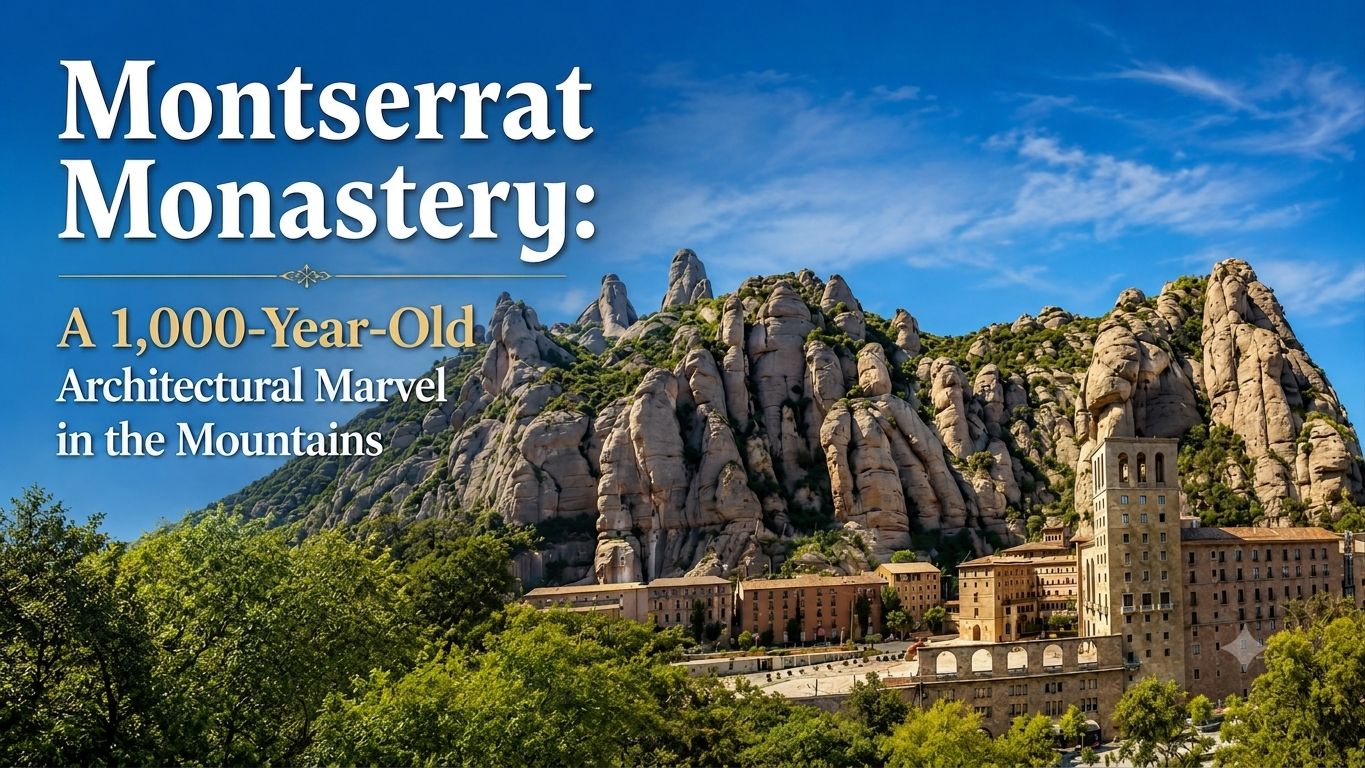
July 2, 2026: More than 1,000 years ago, builders stood before these towering, steep mountain peaks with no cranes, no concrete and no modern engineering. Yet somehow, they built a monastery here. How? Against all odds, it has stood witness to wars, survived destruction that nearly wiped it from the mountainside, been painstakingly rebuilt and continued to welcome pilgrims for over a thousand years. Hidden within is a magnificent basilica with richly decorated interiors and the revered Black Madonna of Montserrat. **Every corner of this mountaintop sanctuary has a story waiting to be uncovered.


A Monastery That Chose the Impossible
Located about an hour from Barcelona in Catalonia, the Benedictine Monastery of Santa Maria de Montserrat was founded in 1025 by Abbot Oliba and has stood for over a millennium as one of Spain's most remarkable spiritual landmarks. It is home to the revered Black Madonna of Montserrat, affectionately known as *La Moreneta*, whose shrine has attracted pilgrims, monarchs and travellers for centuries. Yet for many first-time visitors, it is not the statue that leaves the strongest first impression—it's the astonishing setting.
Architecture That Listens to the Mountain


What makes Montserrat extraordinary is that it never tries to conquer the landscape. Instead of imposing itself upon the mountains, the monastery adapts to them. Buildings step gently along natural terraces, courtyards emerge where the rock allows, and walkways follow the mountain's contours. Every wall, staircase and balcony feels like part of a larger conversation between human craftsmanship and nature.
The result is architecture that appears to belong exactly where it stands—a rare achievement in which the landscape remains the star, while the monastery quietly complements its grandeur.
More Than One Thousand Years in Stone
Montserrat is not the work of a single architect or a single century. Founded in 1025, it began as a modest Benedictine monastery before gradually expanding over the centuries. Its earliest Romanesque structures were joined by Gothic, Renaissance and later additions, each reflecting a different chapter of its history.
In 1811, during the Napoleonic Wars, French troops looted and destroyed much of the monastery, reducing centuries of craftsmanship to ruins. Yet Montserrat refused to disappear. Throughout the 19th century, it was painstakingly restored and rebuilt, with later conservation efforts preserving its historic character while accommodating the growing number of pilgrims. Today, the monastery stands not only as a place of worship but also as a living architectural timeline, where every generation has left its mark without erasing the past.
Inside the basilica, richly decorated interiors provide a striking contrast to the rugged mountains outside, creating a journey from raw nature to sacred beauty.
When the Journey Is Part of the Design
Perhaps Montserrat's greatest architectural feature is one that cannot be drawn on a blueprint—the approach. Whether visitors arrive by winding mountain roads, a rack railway or the steep funicular, the monastery reveals itself slowly. Every turn offers a new perspective until the buildings finally emerge from the mountains, making the arrival feel less like reaching a destination and more like discovering a hidden sanctuary.
It is this carefully orchestrated experience that transforms a visit into a pilgrimage.
A Lesson Every Architect Can Learn
The Monastery of Santa Maria de Montserrat proves that great architecture is not always about height, size or ornamentation. Sometimes, its greatest achievement is humility. By allowing the mountain to remain the masterpiece, the monastery becomes something even more remarkable—a place where architecture, landscape and faith exist in perfect harmony. It is a reminder that the most enduring buildings are not those that overpower nature, but those that become part of it.
By Catholic Connect Reporter
Read More on Catholic Architectural Wonders:
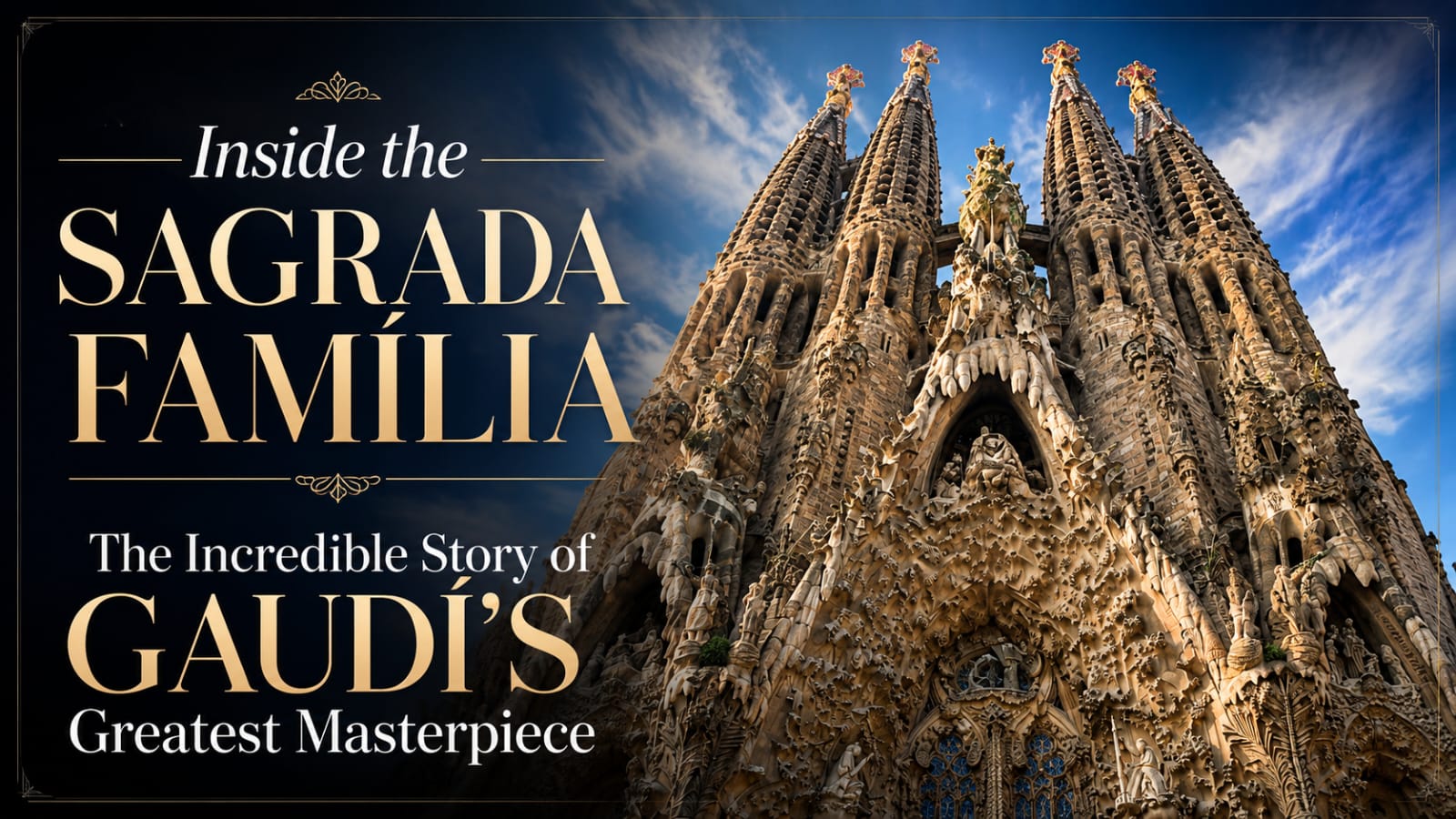
Inside the Sagrada Família: The Incredible Story of Gaudí's Greatest Masterpiece


© 2026 CATHOLIC CONNECT POWERED BY ATCONLINE LLP