- 15 September, 2026
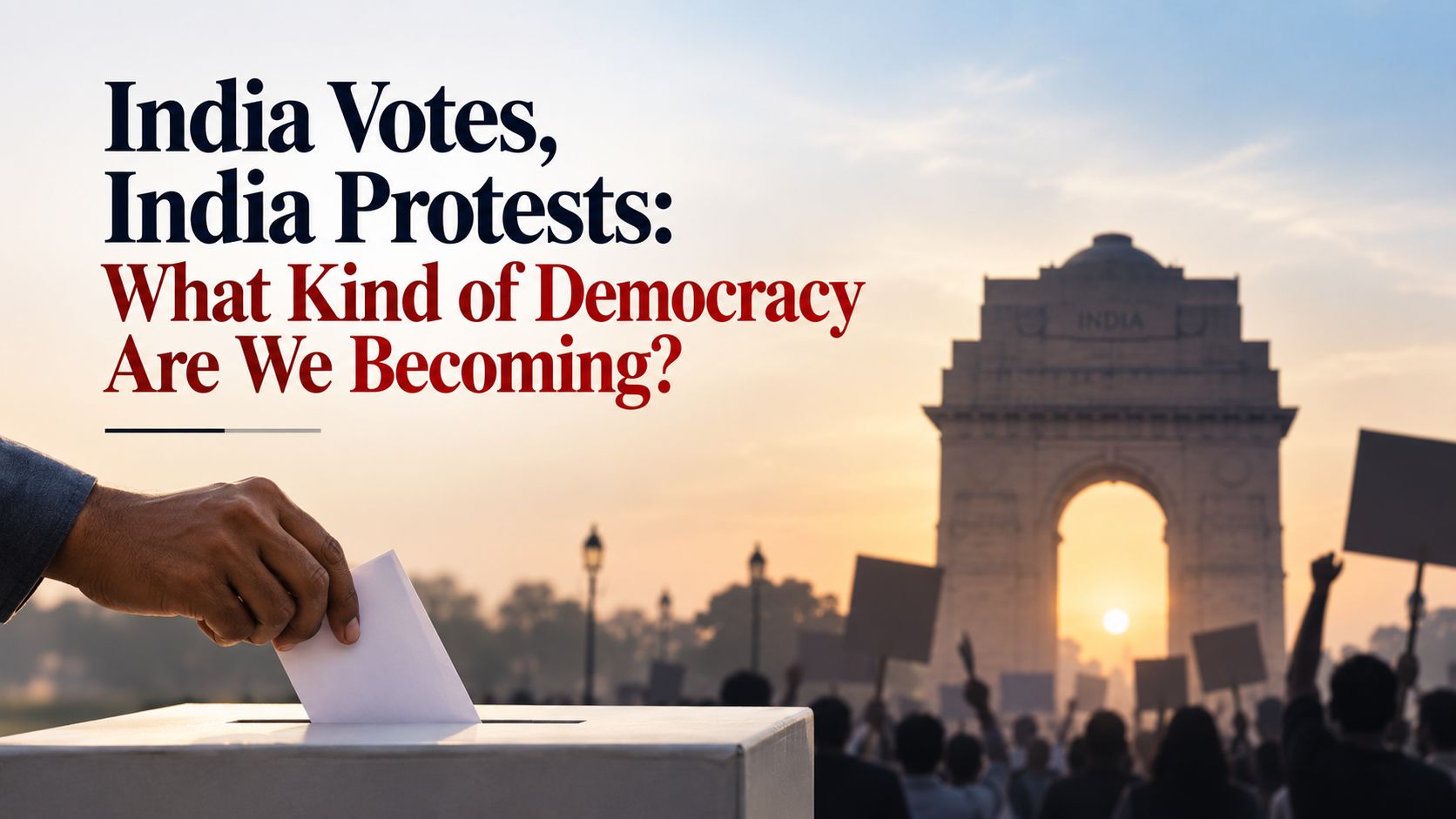
15 September, 2026: A democracy is easiest to celebrate when the people agree with us. The real test begins when they do not.
On September 15, as the world marks the International Day of Democracy, India has plenty to celebrate. It also has reasons to pause. According to the Election Commission of India, the 2024 Lok Sabha election saw 64.64 crore votes cast from an electorate of 97.98 crore, with a voter turnout of 66.10 per cent. The scale of participation was extraordinary.
But numbers can tell us how many people participated. They cannot tell us whether people feel heard.

Beyond the Ballot Box
Democracy is often reduced to the moment a citizen casts a vote. Yet it is also about what happens afterwards: whether people can question those in power, hold institutions accountable, feel secure in their rights and have a legitimate space for dissent.
Recent events have brought these questions into sharper focus.
Student protests at Delhi's Jantar Mantar this year eventually reached the Supreme Court, raising questions about the space for peaceful dissent and the citizen's right to be heard.
Continuing demands in Ladakh for greater representation and a stronger voice in decisions affecting the region raise a similar question. Participation, after all, cannot mean simply being counted on election day; people also want a meaningful say in decisions that shape their communities.
The SIR process has left many voters facing the loss of their voting rights and the burden of proving their eligibility all over again—raising questions about how easily a citizen can be pushed to the margins of the democratic process.
And then there is religious harmony.
India's constitutional promise is not merely that minorities can vote, but that citizens of different faiths can live, worship and participate in public life with equal dignity. Yet the India Hate Lab documented 1,318 in-person hate-speech events targeting religious minorities, particularly Muslims and Christians, across India in 2025—13 per cent more than in 2024. It recorded 162 incidents targeting Christians, a 41 per cent increase from 2024.
When rhetoric against a religious community becomes increasingly normalised, its impact can go beyond individual incidents. A minority does not have to lose its vote before it begins to wonder whether its voice carries the same weight in the public square.
When Democracy Is Questioned
India remains a vibrant electoral democracy. But democratic health involves more than competitive elections.
Freedom House's 2026 assessment continues to classify India as “Partly Free”, while recognising its competitive multiparty elections and raising concerns about civil liberties, treatment of government critics, journalists and NGOs.
Press freedom offers another measure worth considering. Reporters Without Borders ranks India 157th out of 180 countries in its 2026 World Press Freedom Index, citing concerns including violence against journalists, concentrated media ownership and increasing political alignment of outlets.
These assessments should neither be treated as unquestionable verdicts nor dismissed simply because they are uncomfortable. A confident democracy should be capable of examining itself.
The greater danger may lie in our growing inability to disagree without turning disagreement into hostility.
What Synodality Can Teach Democracy
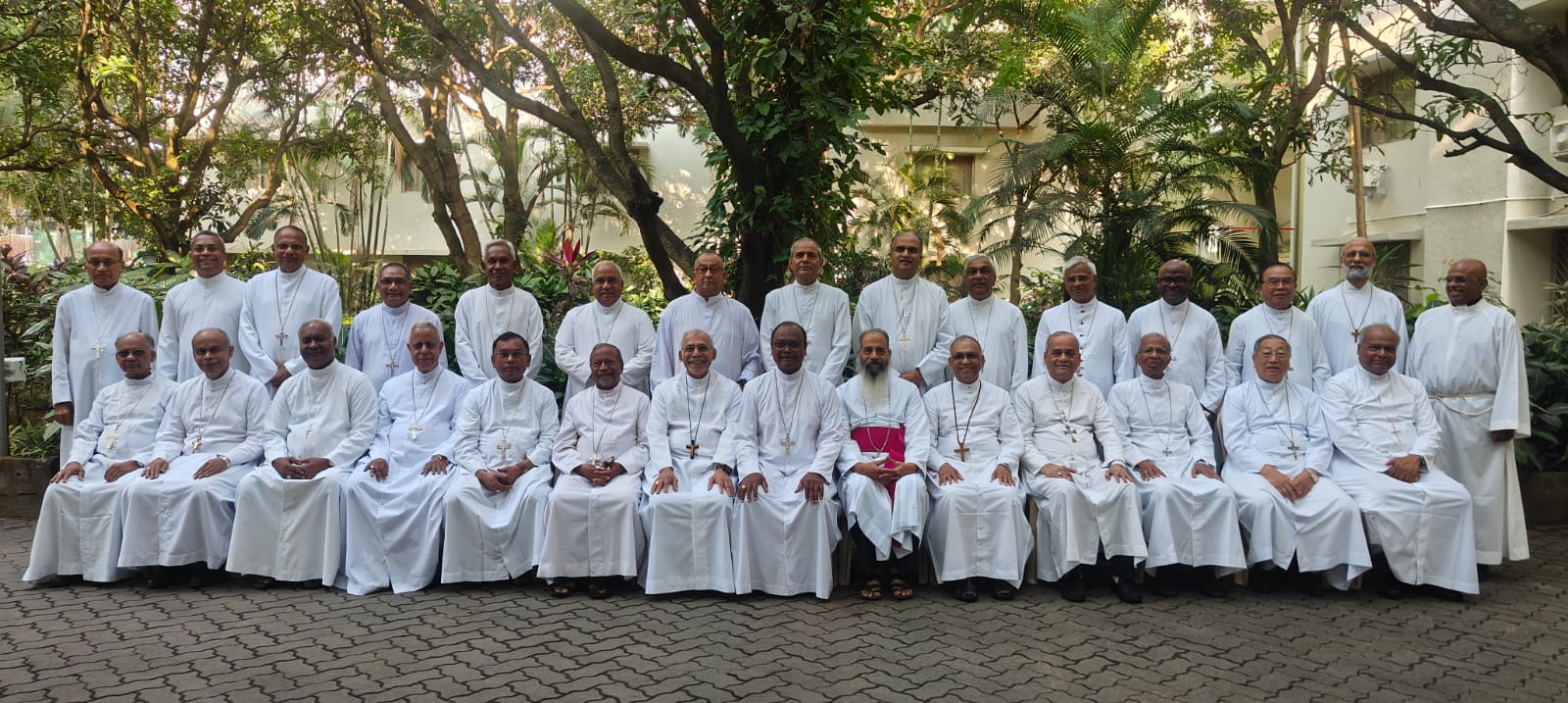
There is an unexpected lesson here from the Catholic Church's experience with synodality.
The Church's recent synodal journey has placed enormous emphasis on listening, dialogue, participation and communal discernment.
The principle is deceptively simple: listening does not mean agreeing with everyone. It means taking people seriously enough to hear them before deciding.
That has something important to say to democratic societies.
A healthy democracy does not require everyone to think alike. It requires people to remain committed to one another's dignity even when they disagree profoundly. The synodal experience also challenges the temptation to confuse having a voice with having the truth. To listen genuinely is to accept that our own understanding may be incomplete.
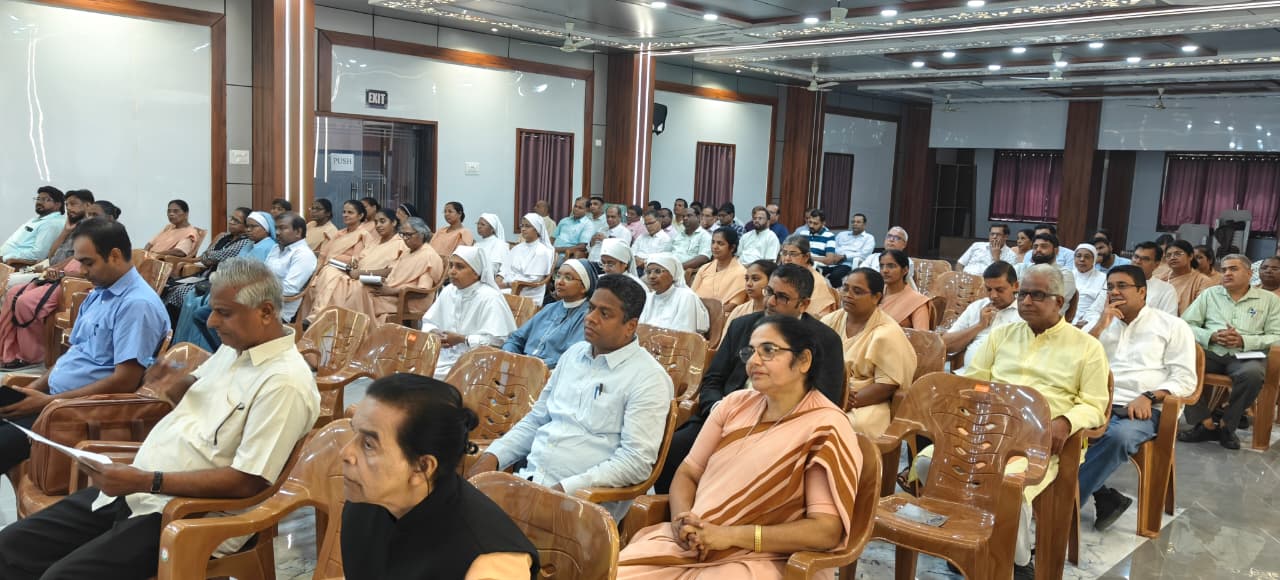
The Church's wider contribution to this democratic conversation can also be seen in its work across India, particularly among the poor, tribal communities, migrants and other vulnerable groups. Through education, healthcare, social development and grassroots initiatives, Church institutions continue to create spaces where people who are often unheard can be seen, supported and given greater agency.
The Democracy We Practise
The United Nations' 2026 observance stresses meaningful participation, dialogue and bringing different voices into decision-making.
Millions of Indians already take that responsibility seriously. They vote, question, protest, volunteer, report, organise and speak up when something matters to them. The challenge is not that citizens have stopped participating. It is that, in an increasingly polarised public space, some can become so committed to their political or ideological side that they stop questioning it.
Democracy needs something more difficult than loyalty: the willingness to ask uncomfortable questions of those we support as readily as those we oppose.
India knows how to vote. Its people know how to raise their voices. The question for 2026 is whether we can also make room for the voice that challenges our own.
Because democracy is strongest not when one side wins every argument, but when no side becomes so certain that it no longer feels the need to listen.
By Catholic Connect Reporter

© 2026 CATHOLIC CONNECT POWERED BY ATCONLINE LLP