- 06 March, 2026
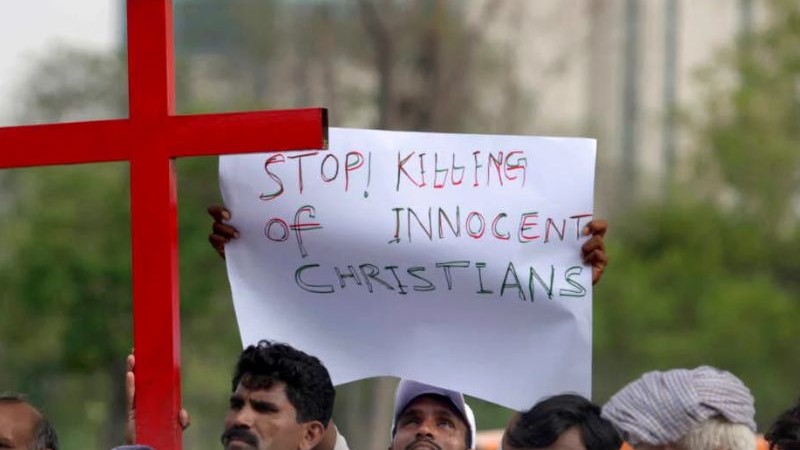
Vatican, Mar 6, 2026: Archbishop Ettore Balestrero, the Holy See’s Permanent Observer to the United Nations in Geneva, has drawn attention to the widespread persecution faced by Christians across the globe, stressing that governments have a duty to uphold and safeguard religious freedom.


Speaking at the event “Standing with Persecuted Christians: Defending the Faith and Christian Values” on March 3, Archbishop Balestrero emphasised that states must protect and ensure the right to religious freedom for all individuals.
“Almost 400 million Christians worldwide face persecution or violence, making them the most persecuted religious community in the world. This means that one in seven Christians is affected,” Archbishop Balestrero said.



“Even worse, almost 5,000 Christians were killed for their faith in 2025, which equates to an average of 13 per day," he said.
The Archbishop noted that within the Christian tradition, those who die because of their faith are regarded as martyrs—witnesses to their beliefs whose lives challenge structures of power. However, from the standpoint of international law, they are victims of grave human rights abuses.
“Their testimony must not distract from the fundamental responsibility of States which should have protected them,” the Permanent Observer highlighted.
Freedom of religion a fundamental right
Archbishop Balestrero stressed that protecting freedom of religion or belief is a core responsibility of the state, including preventing others from violating that right.
“It is the State’s duty to protect freedom of religion or belief, which includes preventing third parties from violating this right,” he insisted. “This protection has to safeguard believers who are targeted, before, during, and after an attack. However, impunity remains one of the most serious issues in the global landscape of religious persecution.”
He added that promoting religious freedom is essential primarily because it is a basic human right.
“A State should promote freedom of religion or belief, first and above all because it is a fundamental human right,” he underlined.
The Archbishop further said that governments must refrain from interfering with individuals or communities who wish to practise their faith publicly or privately through worship, teaching, and religious observance.
Subtle and silent forms of persecution
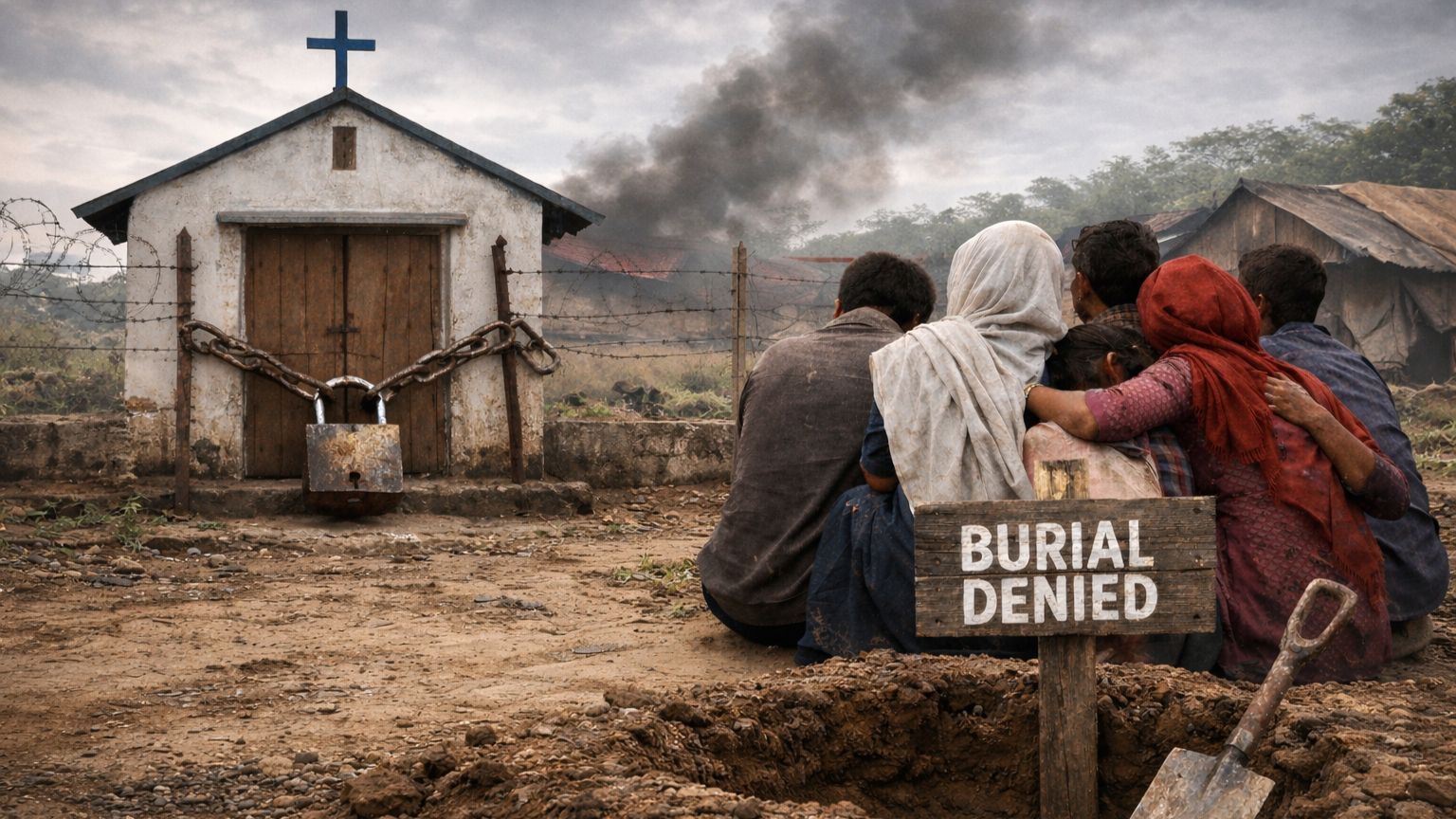
Archbishop Balestrero also expressed concern that nearly 400 million Christians worldwide continue to face violence, unjust detention, loss of property, forced displacement, enslavement, and even death because of their beliefs.
He pointed out that such hostility towards Christians is present in different parts of the world, including Europe. In 2024 alone, more than 760 anti-Christian hate crimes were recorded there, including church arson attacks, assaults, and acts of vandalism.
Beyond these visible incidents, the Archbishop warned of more discreet and often overlooked forms of persecution. These include social and professional exclusion, discrimination, and quiet restrictions that effectively limit or undermine rights that are legally guaranteed to Christian communities.
He also noted that in some Western countries, rights protected under international human rights frameworks are sometimes overshadowed by competing claims tied to what he described as “new rights” that lack recognition in international treaties or customary international law.
Citing figures from the Observatory on Intolerance and Discrimination against Christians in Europe (OIDAC), Archbishop Balestrero said that 2,211 violent incidents affecting Christians were recorded in Europe in 2024.
“These include prosecutions for silent prayer near abortion facilities or for quoting a Bible verse on social issues,” he said.
He argued that such actions represent serious violations of Christians’ rights, particularly when they are carried out by authorities responsible for defending human rights.
“These are not superficial acts” but “serious violations of the rights of Christians, perpetrated by the very authorities who are charged with the duty of respecting, protecting, and promoting the human rights of all.”
“This contradiction must end,” he continued.
The meaning of the Cross
In his concluding remarks, Archbishop Balestrero reflected on the deeper meaning of attacks against Christians, stating that such hostility ultimately targets the Cross itself.
“Attacks on Christians are attacks on the Cross itself,” he said.
He explained that the Cross consists of a vertical line symbolising humanity’s openness to transcendence and a horizontal line representing human relationships with others.
Efforts to suppress the vertical dimension, he said, attempt to weaken the relationship between conscience and God by pushing faith into silence and limiting the space for spiritual expression.
Meanwhile, attacks on the horizontal dimension undermine a person’s ability to freely pursue truth and can ultimately lead to the disintegration of relationships within communities.
Courtesy: Vatican News


© 2026 CATHOLIC CONNECT POWERED BY ATCONLINE LLP