- 28 April, 2026

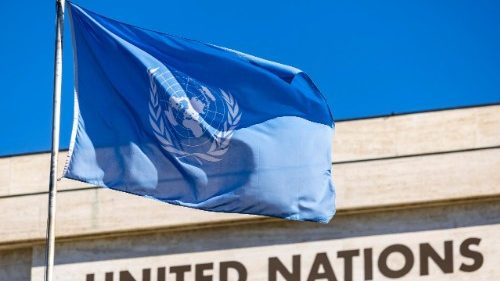
Vatican, April 28, 2026: Speaking at the follow-up Forum on financial development, Monsignor Marco Formica underscored the urgent need to reform the global financing model while ensuring that the preservation of human dignity remains at its core.

At the ECOSOC Follow-up Forum on Financing for Development, the Holy See’s Counsellor of the Permanent Observer Mission to the UN emphasised that people and their dignity must remain central to development efforts.
Addressing the President, Msgr. Marco Formica welcomed the forum as the first “since the Sevilla Commitment was adopted last July.” The Sevilla Commitment is a UN agreement aimed at reforming the global financial architecture and bridging the annual Sustainable Development Goal financing gap.


The Holy See Permanent Observer pointed out that this agreement recognises that the current development financing model “falls short” and that “more ambitious and equitable approaches” are urgently required.
A means to an end
Both Msgr. Formica and the Sevilla Commitment underline that the essence of financing for development must be to “put people at the centre of all our actions and reaffirm the path to a brighter future for all of humanity” (Sevilla Commitment). This principle also applies when addressing the technical aspects of global financing.
“Frameworks and financial tools are merely means to an end,” Msgr. Formica said, stressing that their ultimate worth must be assessed by their capacity to “uphold the inherent God-given dignity of each person.” They must also promote the welfare of all, particularly the most vulnerable and those most in need.
The Holy See Permanent Observer further highlighted a key concern: the widening gap between international commitments and the lived realities of billions of people—especially in “least developed countries, landlocked developing countries, and small island developing States.”
More funds for weapons over aid
Public investment in healthcare, education, and social protection is constrained by severe debt burdens. However, aid needs “are either not being met or are being broken while spending on arms is increasing.”
People in the most vulnerable situations “continue to bear the greatest costs of crises they did not cause.” Msgr. Formica emphasised that this represents not only “a policy failure, but also a moral one.”
He noted that this follow-up forum to the Sevilla Commitment is not merely procedural but an expression of solidarity. It serves as a call for wealthier nations to honour their commitments to official development assistance. The Commitment also advocates for debt relief mechanisms to become more accessible, transparent, and aligned with human needs.
Private financing, he added, should be directed towards the common good rather than solely focusing on returns on investment. Msgr. Formica also highlighted how the Sevilla Commitment calls on indebted countries to “be accountable for their spending and ensure that funds are spent on development.”
In conclusion, the Holy See Observer cited the words of Pope Leo XIV, stating that “if we acknowledge that all human beings have the same dignity, independent of their place of birth, the immense differences existing between countries and regions must not be ignored.”
Courtesy: Vatican News

© 2026 CATHOLIC CONNECT POWERED BY ATCONLINE LLP