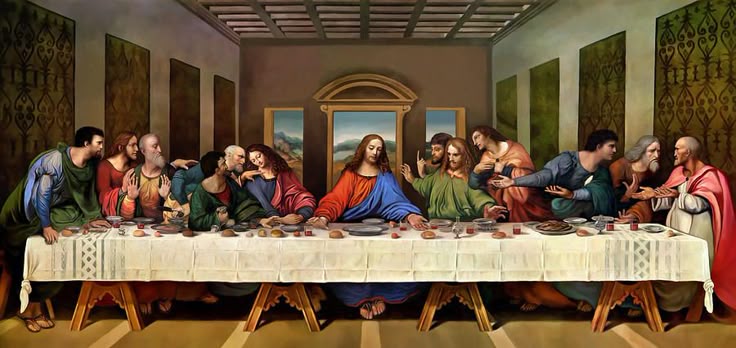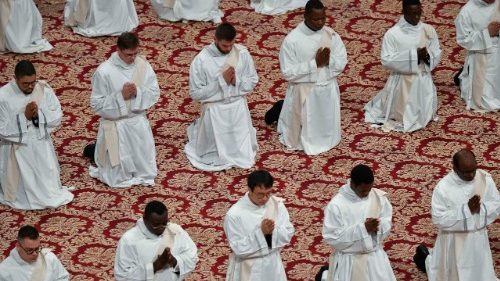
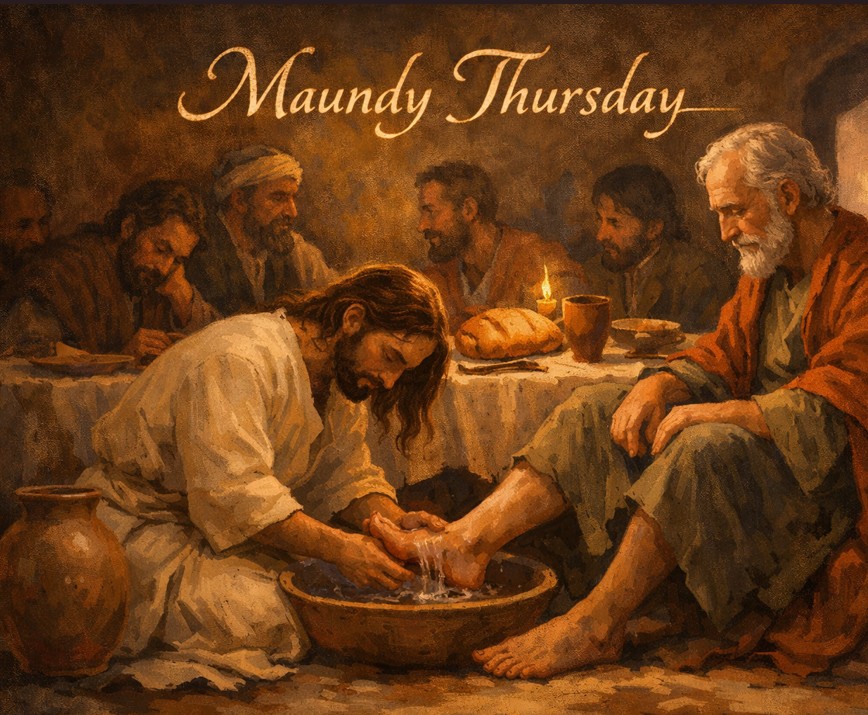
Vatican City, April 2, 2026: Maundy Thursday, also known as Holy Thursday, marks one of the most sacred moments in the Catholic Church. On this day, the faithful remember the Last Supper of Jesus Christ, where He instituted the Eucharist, demonstrated humility through the washing of feet, and gave His disciples a new commandment of love—setting the foundation for the Passion, Death, and Resurrection.

Significance of Maundy Thursday
Maundy Thursday reveals the heart of Christ’s mission—love, service, and sacrifice.
- It commemorates the Last Supper, where Jesus instituted the Eucharist (Holy Communion).
- The word “Maundy” comes from mandatum, meaning “commandment,” referring to Christ’s call to love one another.
- Jesus washing the disciples’ feet symbolizes humility and selfless service.
- In Catholic teaching, this day also reflects the institution of the priesthood and sacramental life of the Church.
Historical Origins of Maundy Thursday
Maundy Thursday is rooted in the earliest Christian traditions.

- The events come directly from Gospel accounts of the Last Supper.
- Early Christians gathered to share the Eucharist in remembrance of Christ’s command.
- By the early centuries, the Church celebrated this day with communal worship and Holy Communion.
- The blessing of holy oils (Chrism Mass) became part of the tradition in early Church practices.
Relevance in the Catholic Church Today
Maundy Thursday continues to be central to Catholic faith and worship.
- It begins the Paschal Triduum, the most sacred three days of the liturgical year.
- The Mass of the Lord’s Supper recalls Christ’s presence in the Eucharist.
- Catholics are called to live a life of love, service, and humility.
- It prepares the faithful for the solemn events of Good Friday and the joy of Easter.
Interesting Stories and Biblical Events
Maundy Thursday is filled with deeply symbolic and powerful moments.
- Jesus shares bread and wine, identifying them as His Body and Blood.
- He washes the feet of His disciples, demonstrating servant leadership.
- Christ gives a “new commandment” to love one another as He has loved.
- The night continues with Jesus praying in the Garden of Gethsemane before His arrest.
Insight: This day captures both intimacy and sacrifice—love expressed not just in words, but in action.
When It Became Part of the Catholic Church
Maundy Thursday has long been embedded in Catholic liturgical tradition.
- Observed from the earliest days of Christianity as part of Holy Week.
- By the early Church period, it included communal Eucharistic celebrations.
- The structure of liturgies, including evening Mass and rituals, developed over centuries.
- In 1956, reforms formalized the modern celebration of Holy Thursday liturgies.
Other Interesting Facts About Maundy Thursday
- It is also called Holy Thursday in many parts of the world.
- The altar is often stripped after Mass, symbolizing the abandonment of Christ.
- Hosts consecrated on this day are used for Good Friday services.
- Foot washing ceremonies are still practiced in many Catholic parishes worldwide.
- In some countries, traditions include charity acts and giving to the poor.
Maundy Thursday stands as a profound reminder that true greatness lies in humble service and sacrificial love. It invites believers to gather at the table with Christ, embrace His commandment, and walk with Him into the mystery of the Cross and the promise of Resurrection.
By Catholic Connect Reporter
________________________
Reflective Keywords : Maundy Thursday Catholic meaning, Holy Thursday significance Catholic Church, Last Supper explained Catholic, Eucharist institution Holy Week, washing of feet meaning Catholic, Paschal Triduum Catholic guide, Holy Week traditions Catholic Church