- 30 March, 2026
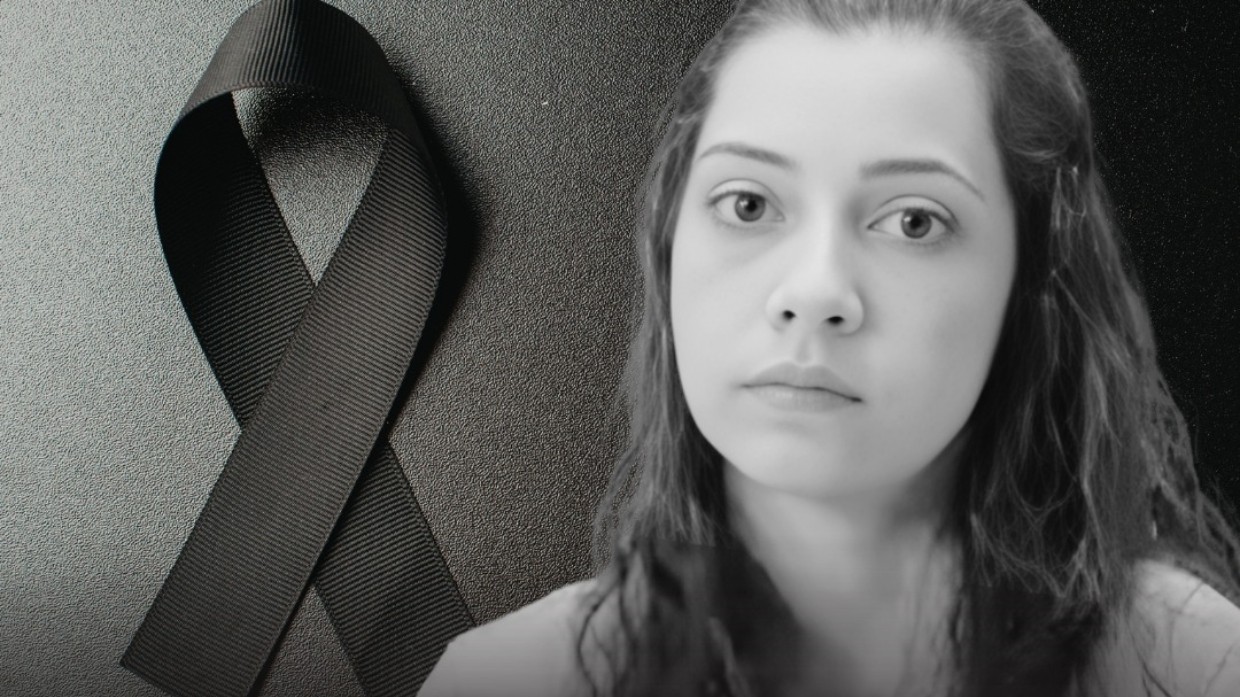
Madrid, March 30, 2026 — The euthanasia of 25-year-old Noelia Castillo Ramos in Spain on March 26 has reignited a global ethical debate, with Catholic voices warning of the far-reaching consequences of normalising assisted death, particularly among vulnerable individuals.
Castillo’s death came after nearly two years of legal proceedings, during which her parents sought to prevent the procedure. Under Spain’s euthanasia law, a legally competent adult suffering from a serious and incurable or chronic condition may request assisted death, subject to medical and legal approval.
In a final legal effort, the family appealed to the European Court of Human Rights, which on March 24 rejected their request for interim measures to halt the procedure, effectively clearing the way for its implementation.



Shortly before her death, Castillo spoke in an interview aired on Antena 3, describing profound emotional distress, a sense of purposelessness, and ongoing physical suffering. Reports also indicated that she had faced significant personal hardships, including abuse during her youth and a recognised 67 per cent disability linked to mental illness.
The case has drawn strong reactions from pro-life advocates and Christian leaders, who caution that legalising euthanasia risks presenting death as a solution to human suffering. Particular concern has been raised about the potential impact on individuals struggling with mental health challenges, who may feel isolated or unsupported.
The Catholic Church has consistently upheld the sanctity of human life from conception to natural death, emphasising that suffering must be met with compassion, care, and accompaniment rather than termination. Church leaders argue that true dignity is inherent and does not diminish with illness, disability, or dependence.
Echoing these concerns, the Conference of Bishops of France recently warned against the expansion of assisted dying laws. In a January 2026 statement, the bishops affirmed, “One does not care for life by giving death,” cautioning that such legislation risks distorting the meaning of care and weakening society’s responsibility toward its most vulnerable members.
They further stressed that requests for euthanasia often reflect deeper needs—relief from pain, loneliness, or fear—and called for greater investment in palliative care and holistic support systems. According to the bishops, authentic compassion lies in accompanying the suffering with love and solidarity, not in hastening death.
The Church also cautions that euthanasia places a profound moral burden on families and healthcare professionals, shifting their role from caregivers to agents of death. Instead, it advocates for fostering a “culture of life,” where every person is valued and supported until natural death.
While Castillo’s case remains deeply tragic, it has intensified international discussion on the ethical, legal, and pastoral implications of euthanasia—raising urgent questions about how societies care for those who suffer and how they uphold the dignity of every human life.
By Catholic Connect Reporter
Download Catholic Connect App for Daily News Updates:
Android: Click here to download
Continue Reading on Catholic Connect App
Get access to exclusive news articles & more.
© 2026 CATHOLIC CONNECT POWERED BY ATCONLINE LLP