- 18 March, 2026

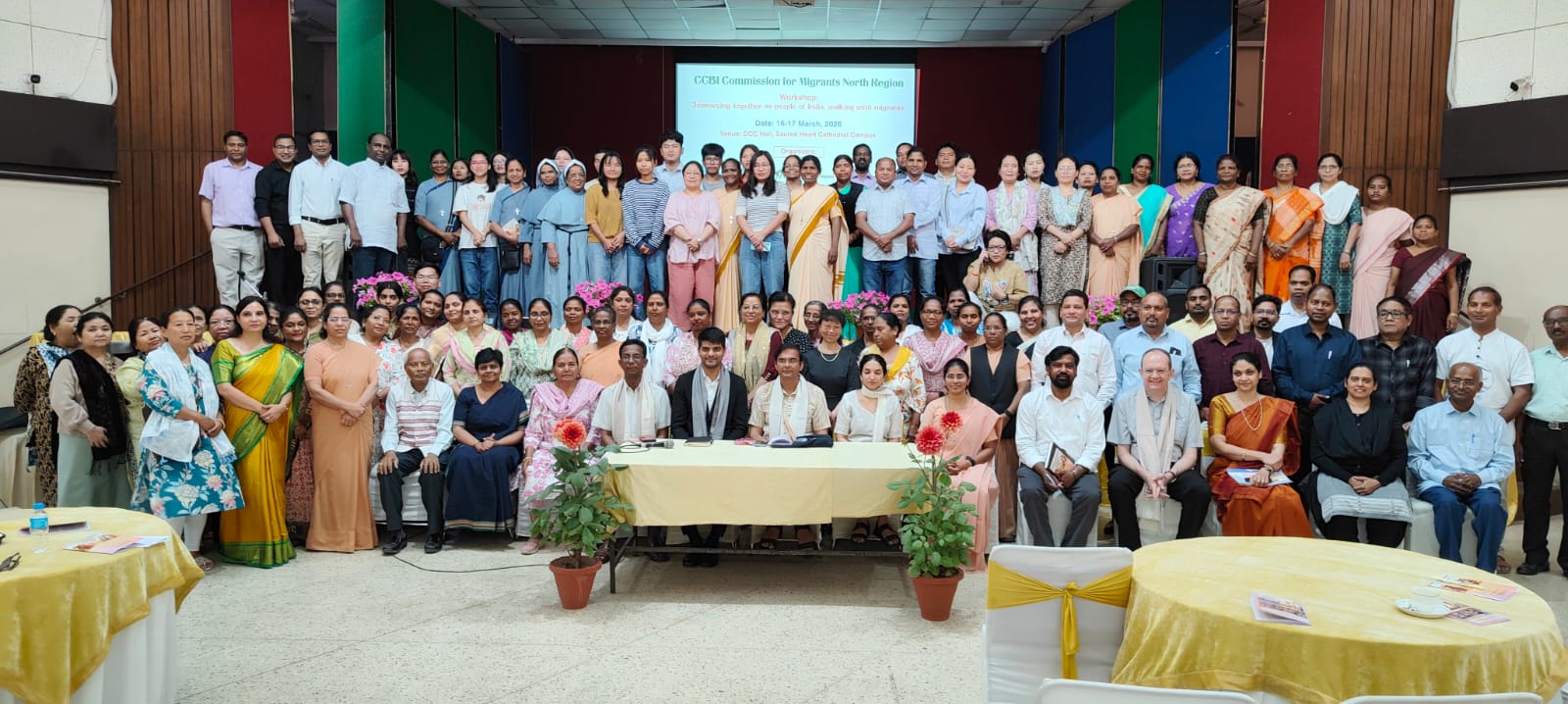
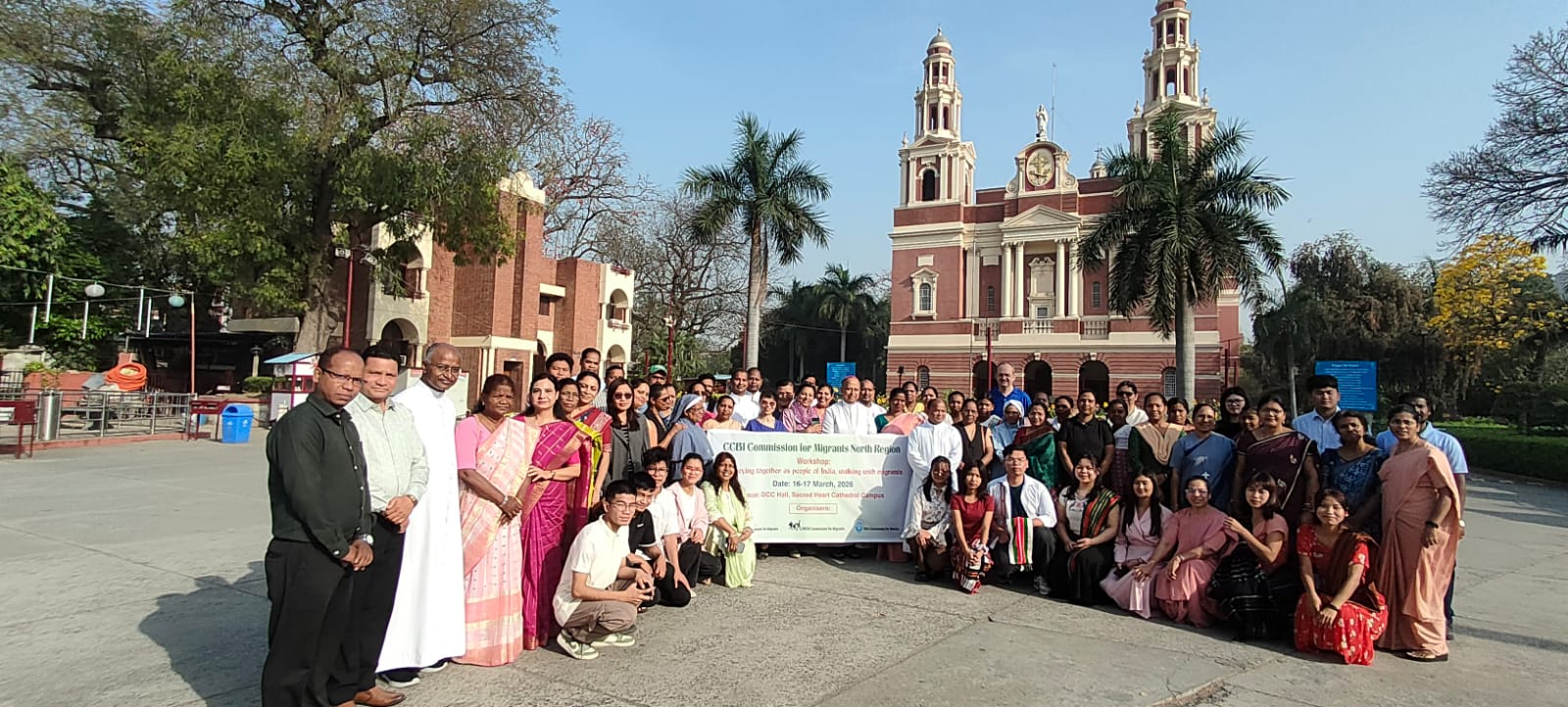
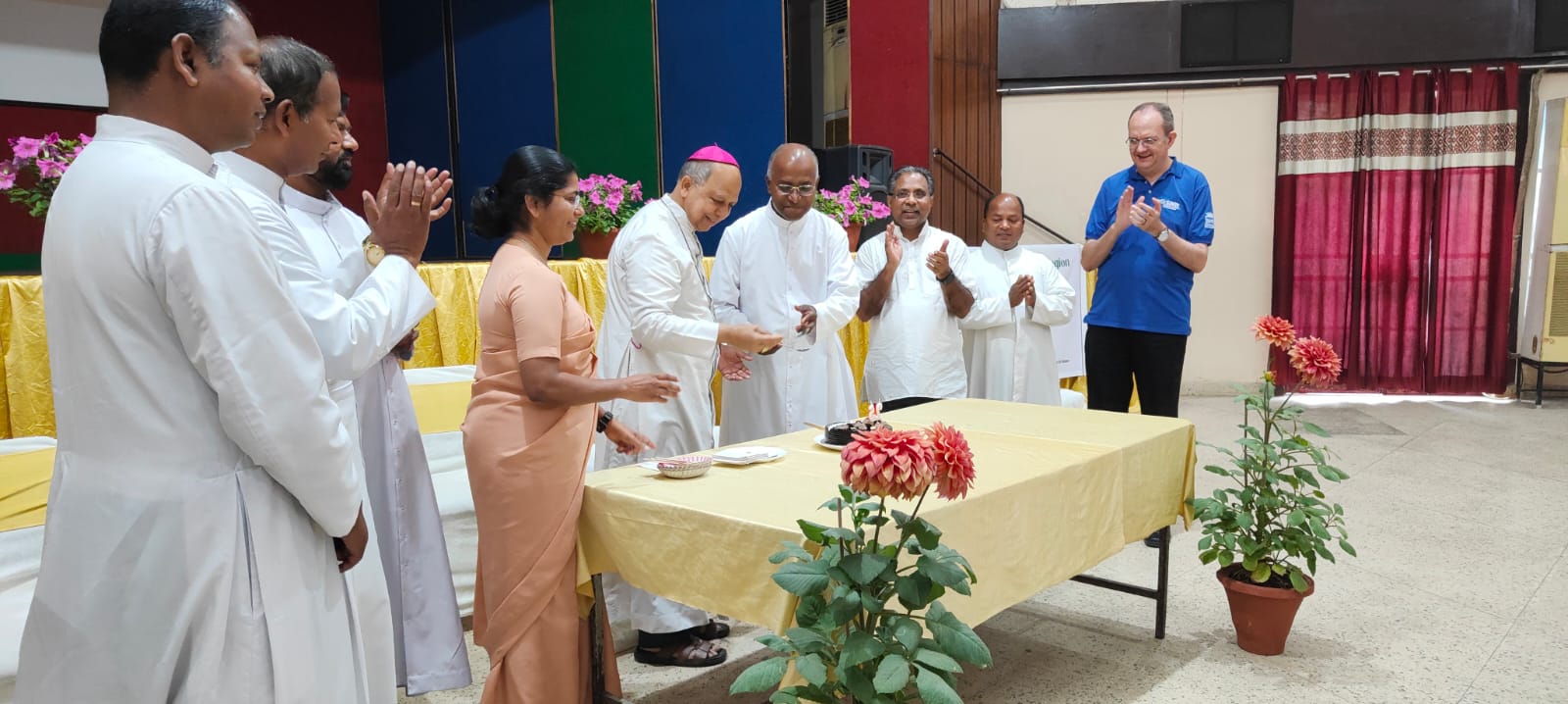
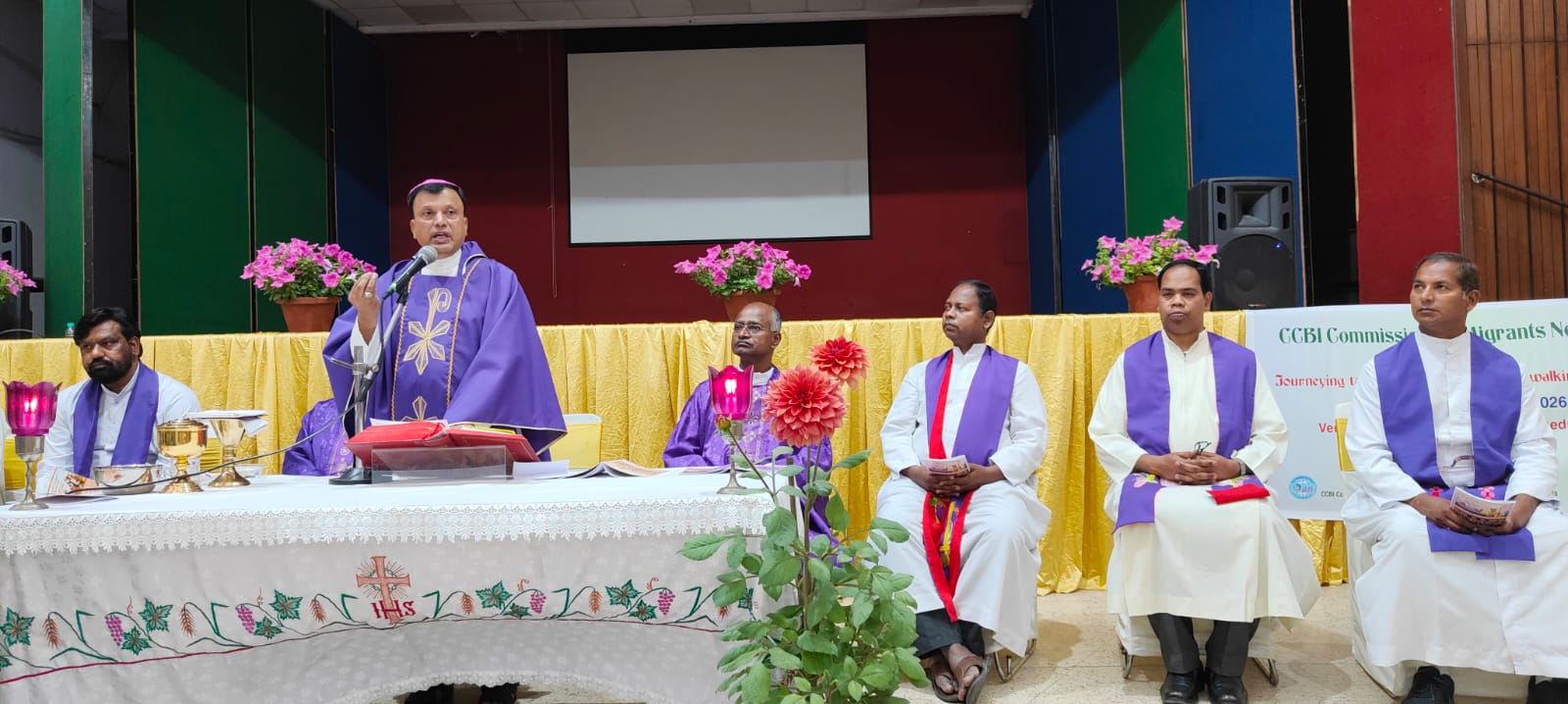
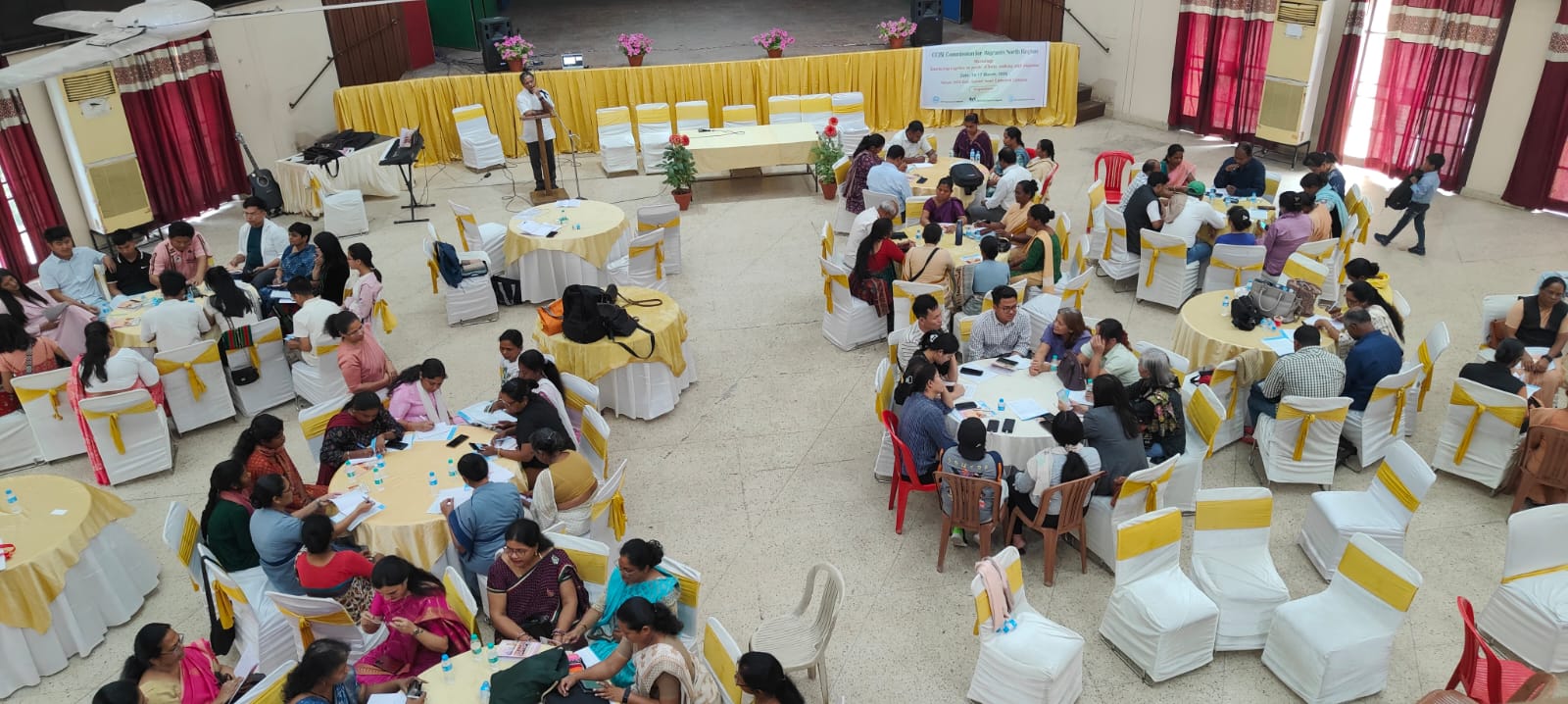
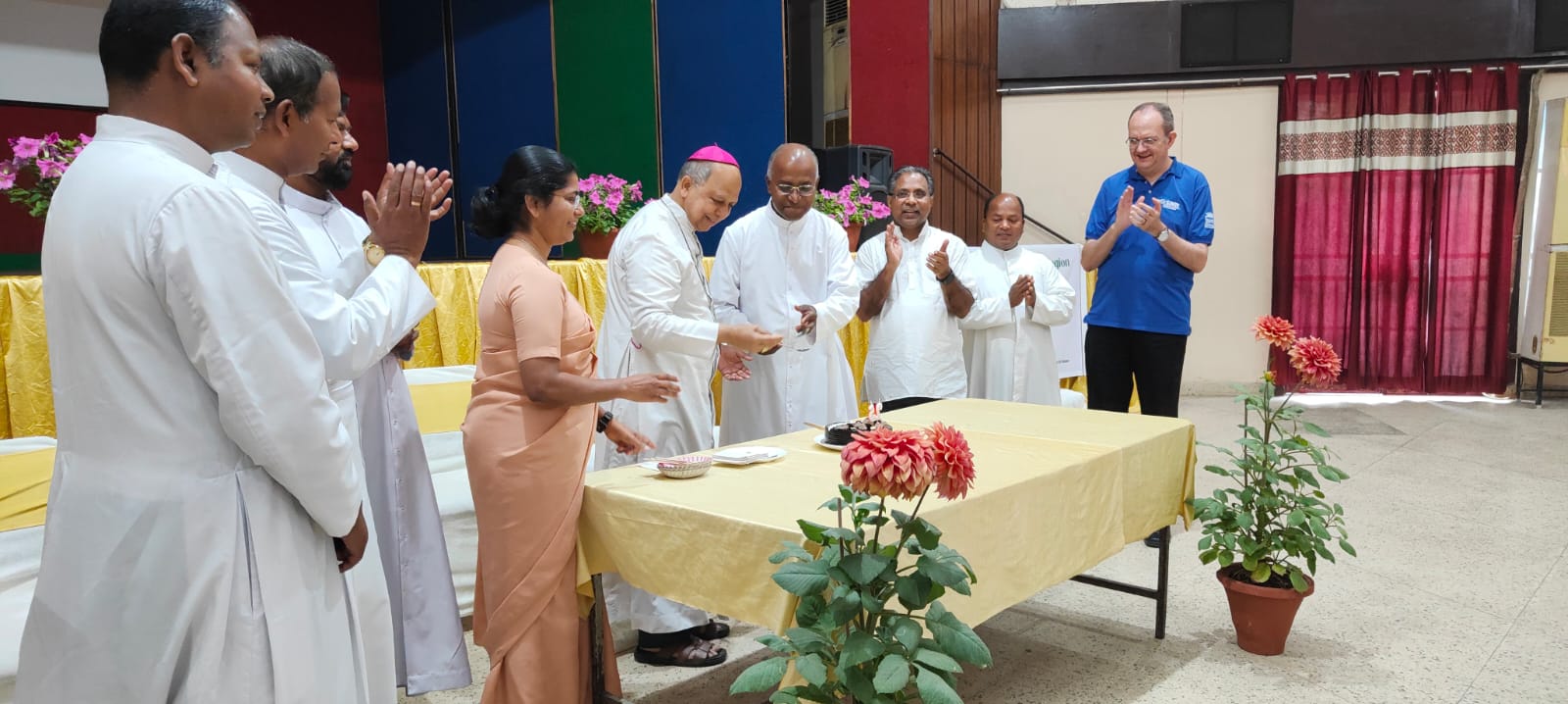
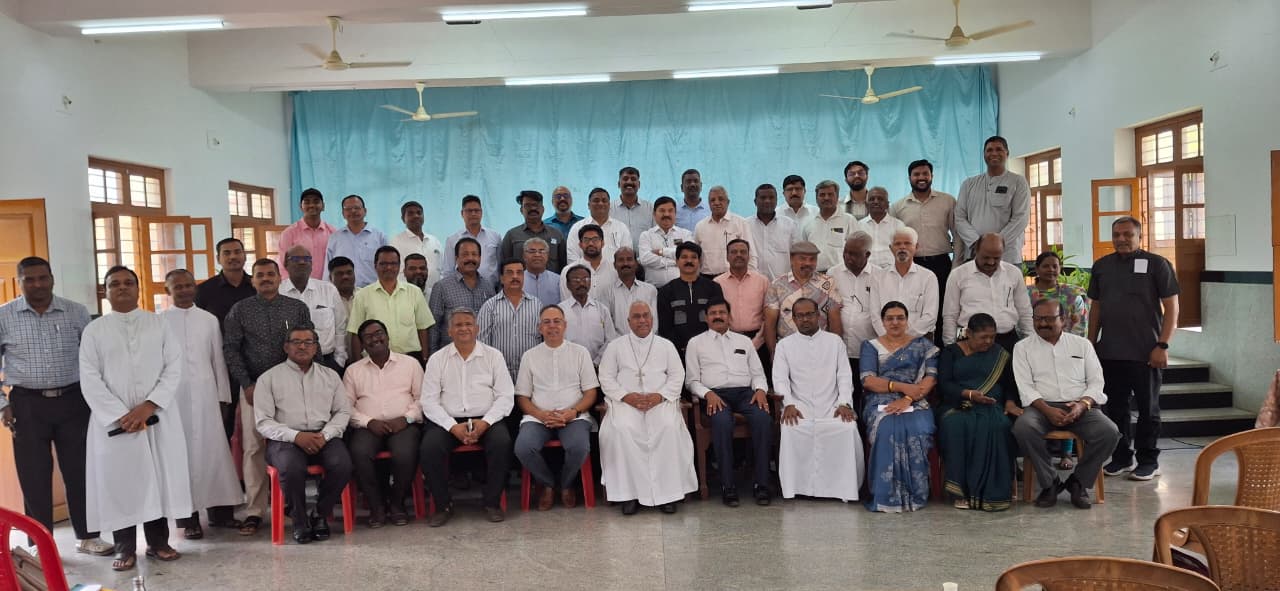
New Delhi, March 18, 2026: The Church in North India has renewed its call for a compassionate and coordinated response to the plight of migrants, urging faith communities to translate concern into concrete action. The appeal came during a two-day workshop organised by the North Region Commission for Migrants of the Conference of Catholic Bishops of India (CCBI) in New Delhi, which brought together around 150 participants from dioceses, religious congregations and Church-based organisations.

Participants from dioceses including Delhi, Jalandhar, Jammu–Srinagar and Simla–Chandigarh engaged in wide-ranging discussions on the complex realities of migration in North India. The deliberations highlighted the urgent need for coordinated pastoral initiatives, legal awareness and stronger inter-institutional networks to address issues such as exploitation, discrimination and human trafficking.
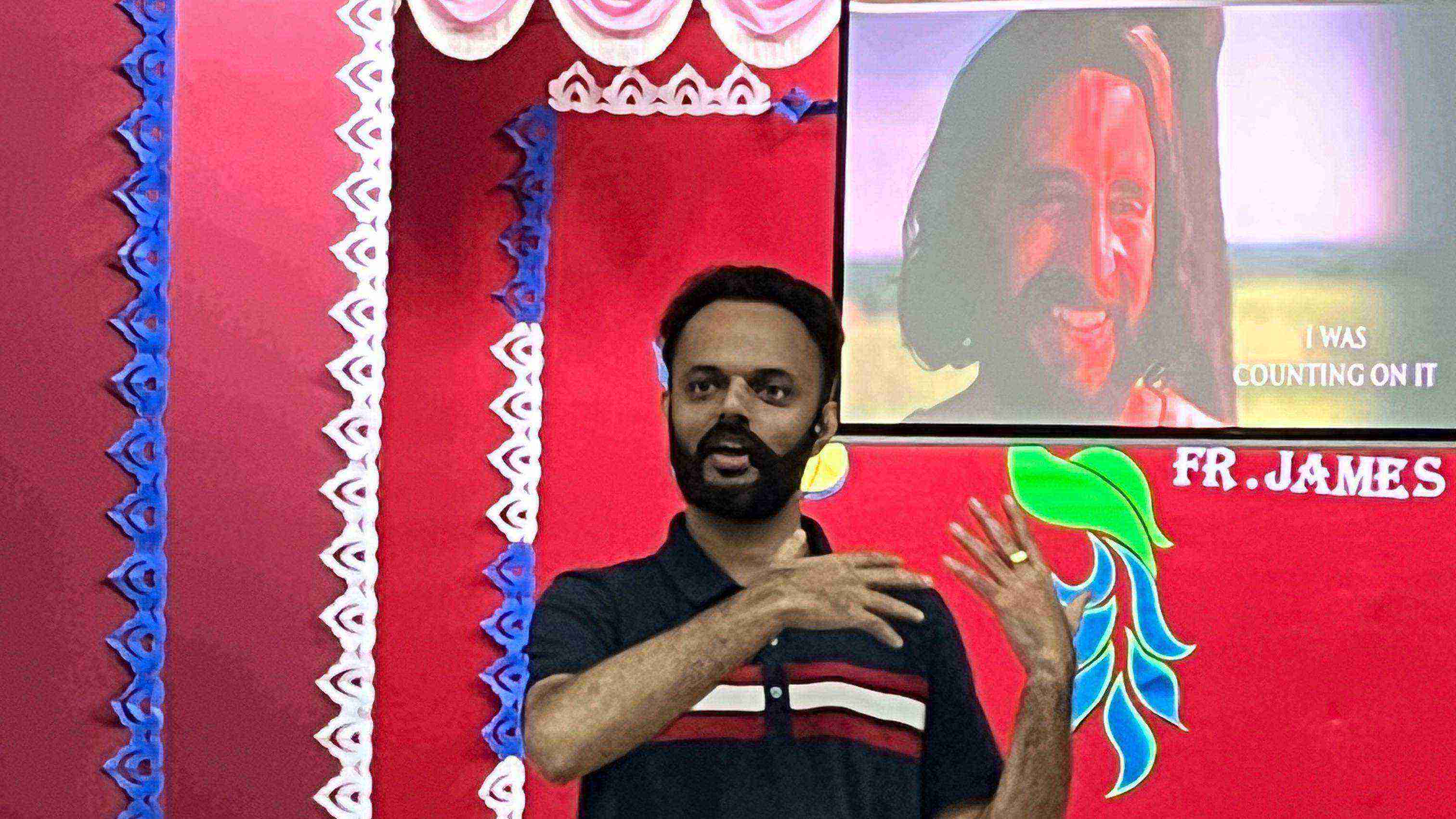
Setting the tone for the gathering, Fr. Jaison Vadassery emphasised the Church’s mission of accompaniment, calling for greater collaboration among dioceses to respond effectively to migrant communities. Echoing this concern, Dr. Stephen Alathara pointed to the increasing scale of migration and underscored the need for a structured and compassionate pastoral approach.



Legal experts and human rights advocates drew attention to the vulnerabilities faced by migrant workers, including bonded labour, lack of legal safeguards and systemic marginalisation. A dedicated session on faith-based organisations highlighted their critical role in addressing poverty and promoting human dignity through grassroots interventions.
Spiritual reflection remained at the heart of the workshop, with prayer services and liturgical celebrations shaping its direction. Bishop Deepak Valerian Tauro of Delhi reflected on “three types of migrants—those seeking better opportunities, those forced to move due to distress, and Christ himself who journeys with the distressed,” reminding participants of the Gospel call to recognise the presence of Christ in every displaced person.
Reinforcing this message, Archbishop Anil J. T. Couto of Delhi urged participants to become instruments of hope, drawing from the life and ministry of Jesus to highlight the Church’s moral responsibility towards the abandoned and vulnerable.
Theological insights further enriched the discussions. Dr. Eduardo Gabriel presented migration as a recurring theme in Scripture and Catholic Social Teaching, emphasising the Church’s duty to uphold the dignity and rights of migrants. Complementing this perspective, a representative from the UNHCR stressed the importance of collaboration between governments, international agencies and civil society to ensure protection and long-term rehabilitation of displaced populations.
Grassroots experiences shared by organisations such as the Jesuit Refugee Service and BOSCO Delhi highlighted both the challenges and innovative responses emerging from the field. Testimonies from internally displaced persons from Manipur brought a human face to the crisis, underscoring the urgency of sustained intervention.
Fr. Vadassery also presented the CCBI’s pastoral plan for migrants, outlining strategies to strengthen diocesan engagement and foster coordinated action across regions. The focus remained on building sustainable support systems grounded in justice and human dignity.
Dr. Cyril Anthony Samy of the Indian Social Institute emphasised the importance of networking among Church bodies and civil society groups, noting that collaborative efforts are essential to address the multi-dimensional challenges of migration.
The workshop concluded with a clear roadmap prioritising safe migration, combating human trafficking and bonded labour, and addressing the root causes of displacement. Participants also stressed the need for closer cooperation among dioceses, religious congregations and civil society organisations.
Reaffirming the Church’s commitment, the gathering underscored that ministry to migrants is not merely a social service but a profound expression of faith—calling for sustained engagement, shared responsibility and an unwavering commitment to uphold the dignity of every human person.
By Sr. Rani
© 2026 CATHOLIC CONNECT POWERED BY ATCONLINE LLP