- 19 May, 2026
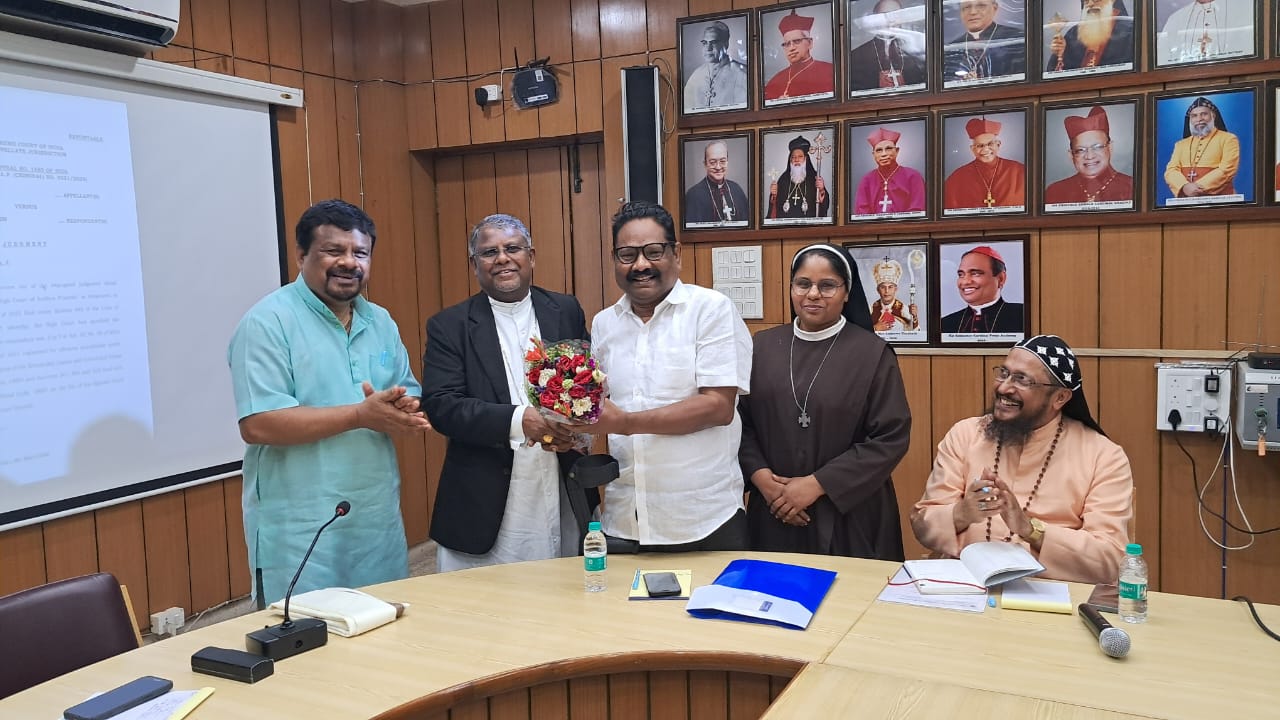
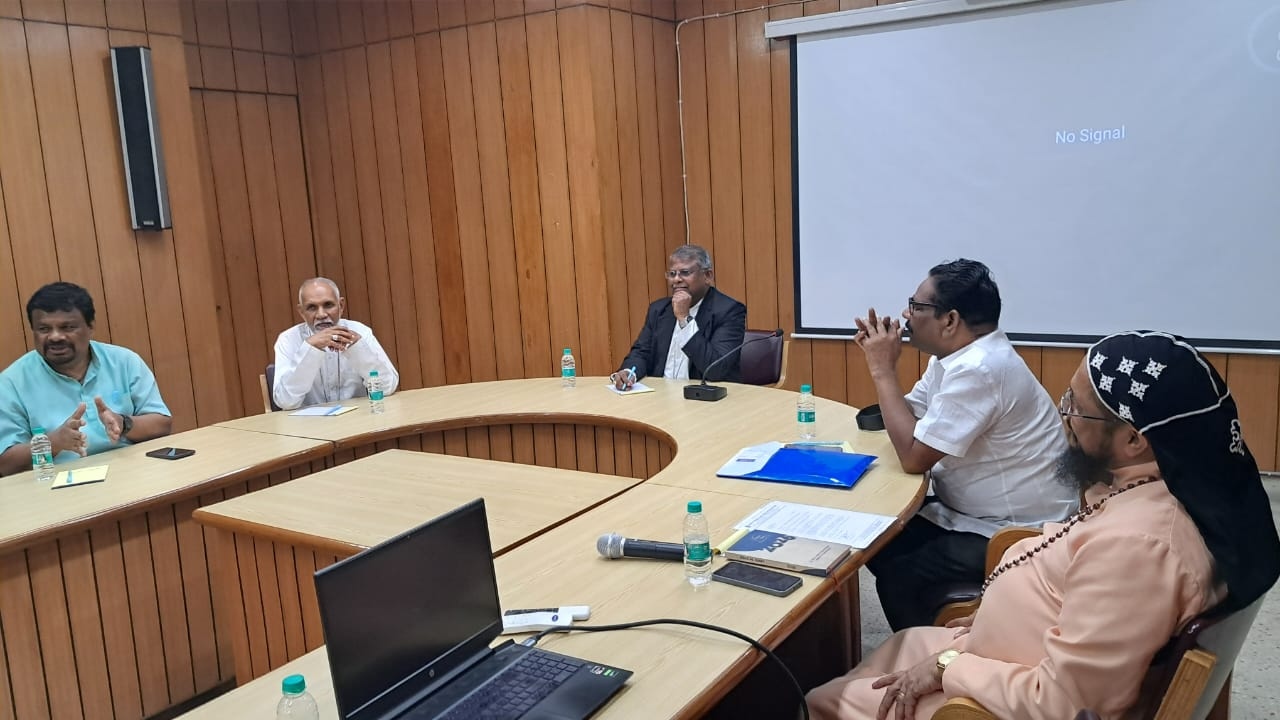
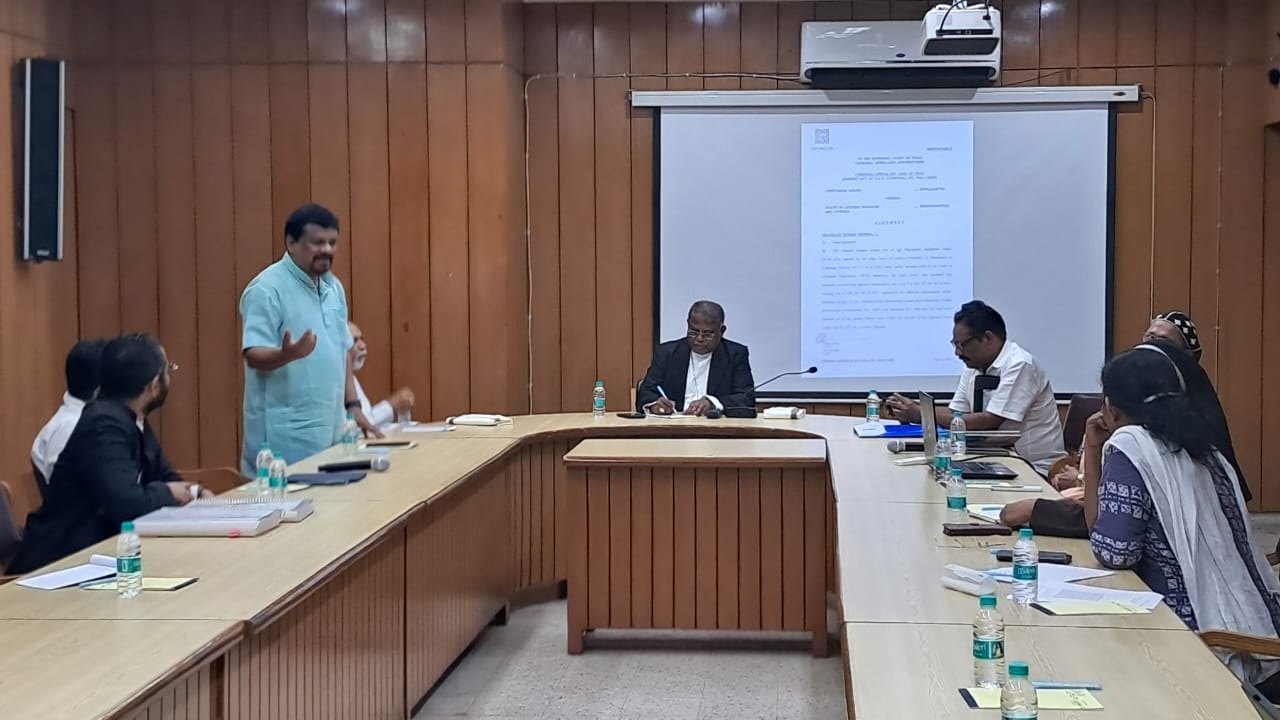
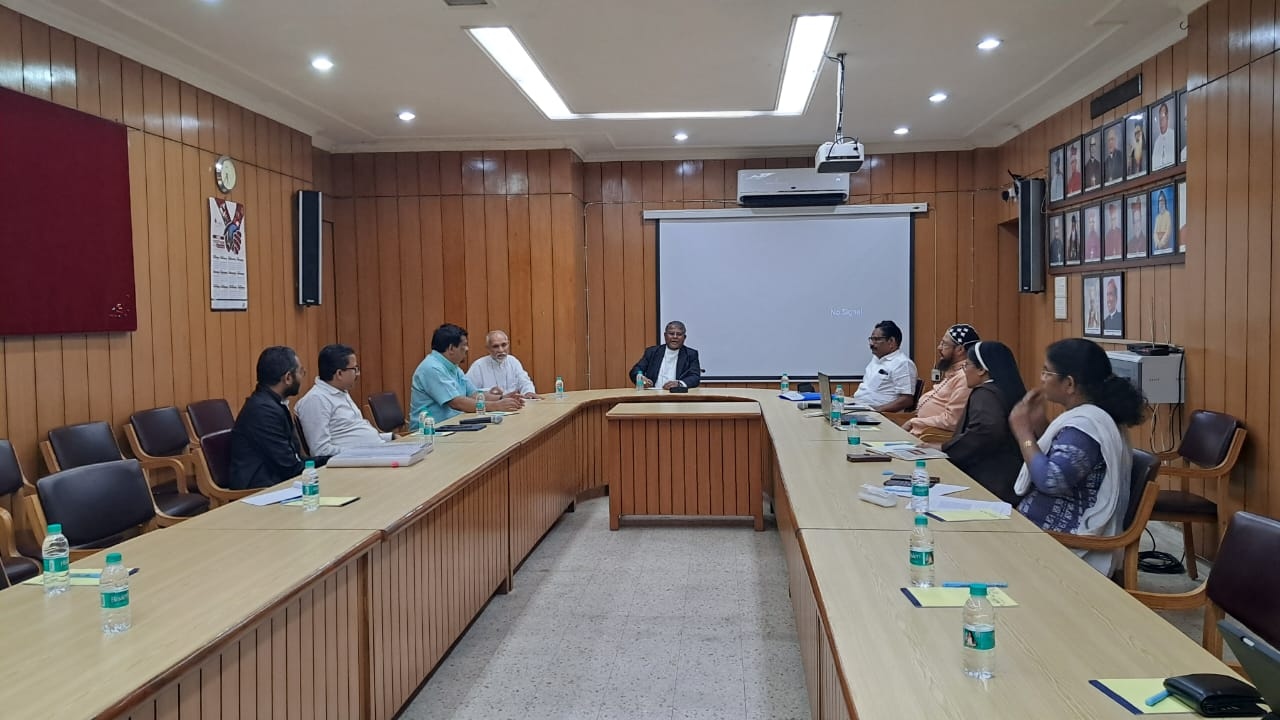
New Delhi, May 19, 2026: Fresh efforts to strengthen the legal and social struggle for Dalit Christians took shape during a two-day consultation and planning meeting organised by the CBCI Office for SC/BC in New Delhi on May 14 and 15, as newly appointed office bearers reviewed the status of the long-pending Supreme Court case and discussed future strategies for empowerment and advocacy.


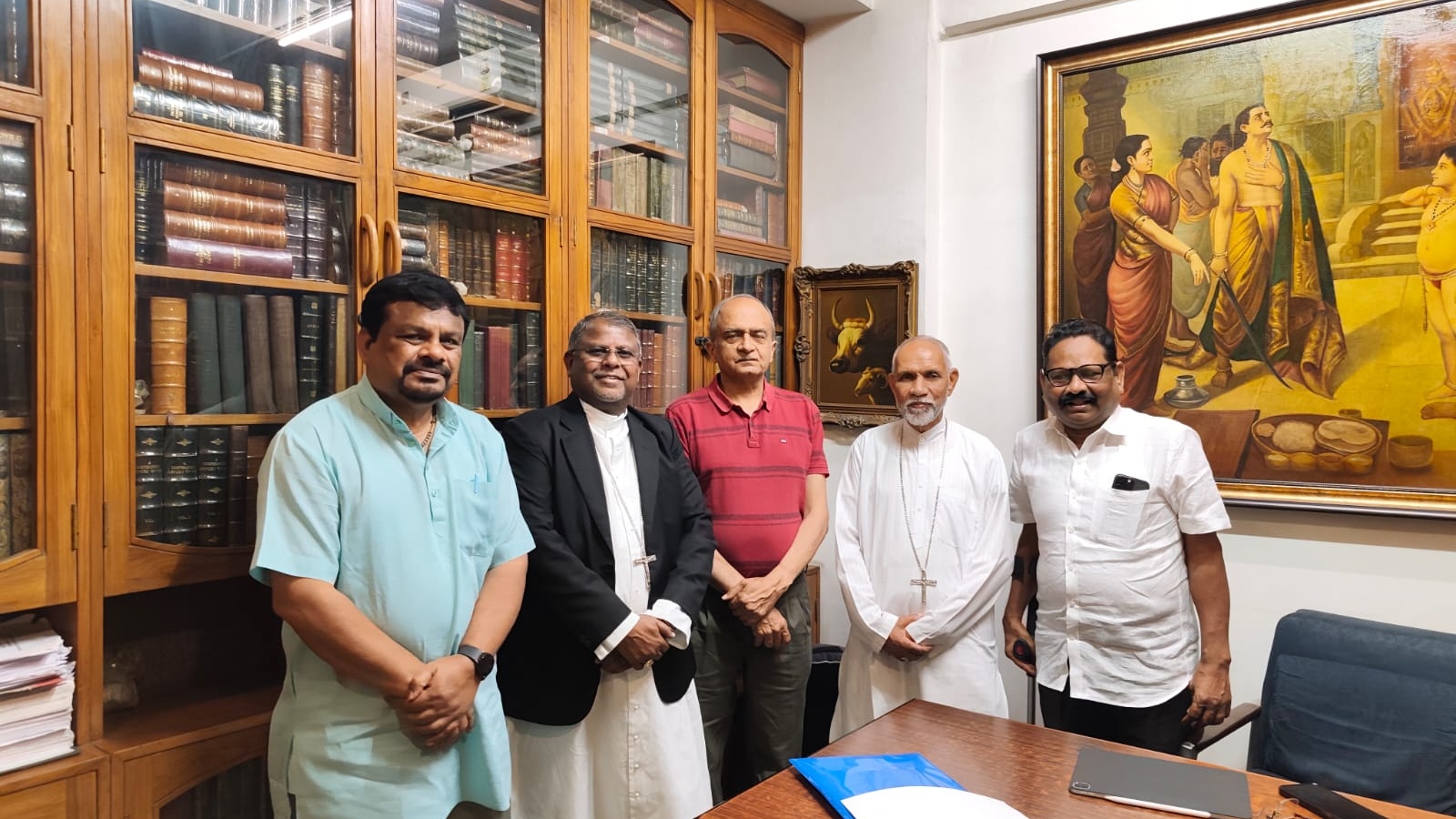
Bishop Jaya Rao Polimera of Eluru, Chairman of the CBCI Office for SC/BC, along with member bishops Peter Rumal Kharadi of Jhabua and Auxiliary Bishop Geevarghese Mar Aprem of Kottayam, made their maiden visit to the national office to gain a deeper understanding of issues concerning Dalit Christians and the activities undertaken by the Commission.
A key consultation was held with stakeholders and advocates associated with the legal battle for Dalit Christian rights. The bishops first met advocate Prashant Bhushan, the main petitioner in Writ Petition (CWP 180/2004), who briefed them on the present status of the case pending before the Supreme Court of India. He also explained recent legal developments and the broader context surrounding the proceedings.


Later, a meeting with advocates handling the case in the Supreme Court was organised at the CBCI Conference Hall. The discussion examined the recent Supreme Court judgment in Chinthada Anand versus State of Andhra Pradesh. Advocates explained its implications and clarified how the ruling differed from the main Dalit Christian case currently pending before the apex court.
The deliberations were further strengthened by the presence of Hon’ble District Judge Ramulu Dunna of Guntur, Andhra Pradesh who presented a comprehensive study of the pending case and shared detailed observations on its legal significance and possible future direction.
Fr. Vijay Kumar Nayak, Secretary of the Catholic Bishops' Conference of India Office for SC/BC, presented the history, objectives and functioning of the Commission. He explained that the Commission’s primary mission is the empowerment of Dalit Christians through access to education, employment and opportunities in schools, colleges and technical institutions managed by the Church.
He also highlighted the initiatives already undertaken by the Church while noting that the overall condition of Dalit Christians “has not significantly improved” and stressed that “a more focused and sustained effort is necessary to achieve visible results.”
The bishops reflected on the realities faced by Dalit Christians within their respective dioceses and in society. Discussions underlined the need for deliberate and focused action both at the diocesan level and through the CBCI at the national level.
Recognising the seriousness of the challenges faced by Dalit Christians within the Church and society, the new office bearers, under the leadership of Bishop Jaya Rao Polimera of Eluru, expressed their determination to work with commitment for the empowerment of Dalit Christians and other marginalised communities.
Judge Ramulu Dunna also offered several recommendations aimed at strengthening the Commission’s future work. These included establishing a legal cell at the national office with a dedicated team of advocates committed to the Dalit Christian cause, building constructive relations with secular-minded political parties and leaders to raise the issue in Parliament, and identifying judges and justices educated in Christian institutions for possible outreach and engagement.
The consultation closed with renewed emphasis on coordinated legal advocacy, institutional strengthening and sustained action to address the long-standing concerns of Dalit Christians across the country.
By Catholic Connect Reporter
© 2026 CATHOLIC CONNECT POWERED BY ATCONLINE LLP