- 19 May, 2026
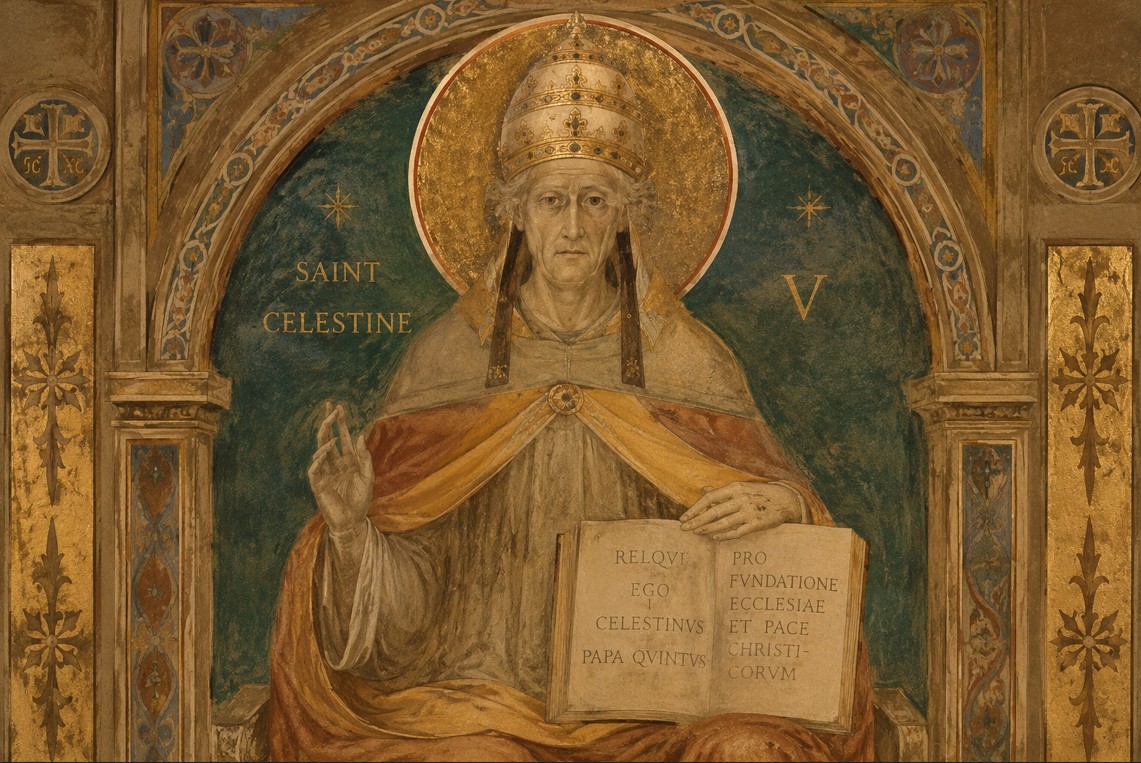
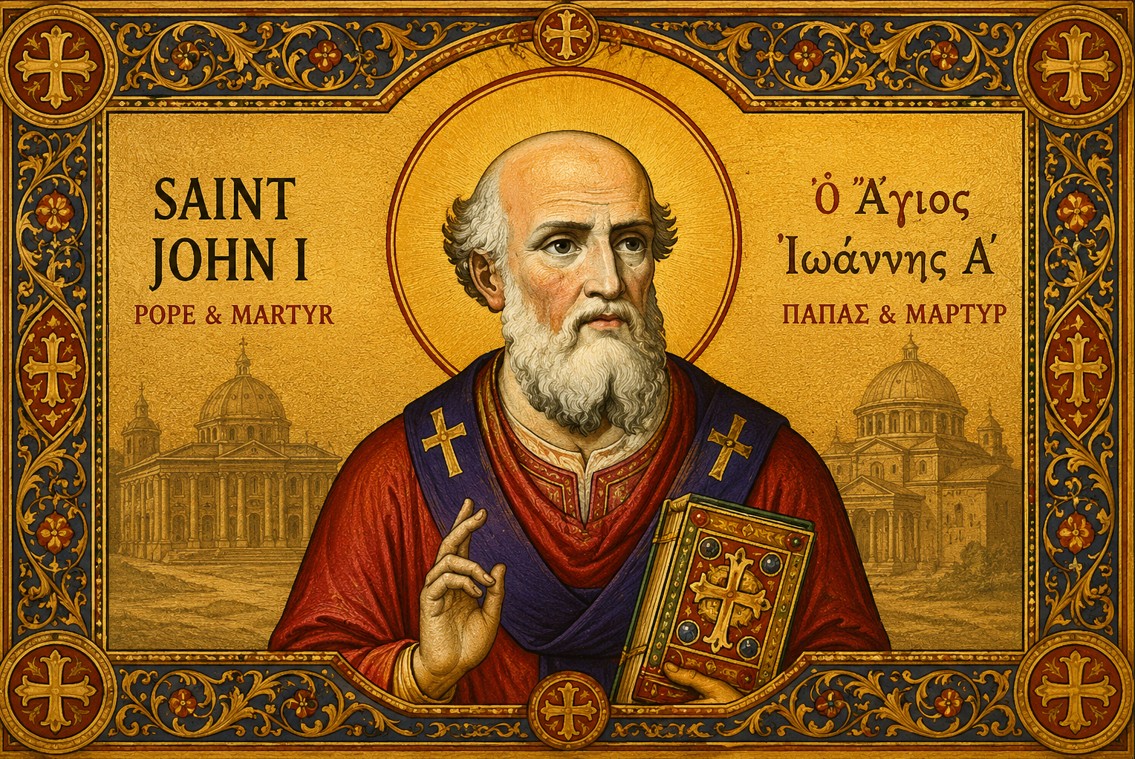
Italy, May 19, 2026: Discover Saint Celestine V, the hermit pope who abandoned the highest position in the Church after only months in office. Learn about his May 19 feast day, dramatic resignation, and lasting spiritual legacy.


Feast Day: May 19
Born: c. 1215, Molise, Italy
Died: May 19, 1296, Fumone, Italy
Known for: Resigning the papacy and embracing a life of humility


Title: Pope and Hermit
Religious Order: Founder of the Celestines
What kind of man walks away from ultimate power?
That question has fascinated historians and Catholics for centuries.
Celestine V became one of the most unusual figures in Church history because he did something almost unimaginable:
He resigned as pope voluntarily.
At a time when popes ruled with enormous religious and political influence, his decision shocked the medieval world.
And it still surprises people today.
(CLICK HERE to follow Catholic Connect for regular Catholic Content)
Before becoming pope, Celestine lived a radically different life.
Born Pietro del Morrone, he desired solitude, fasting, and deep prayer.
He withdrew into mountains and caves, embracing the harsh life of a hermit.
People were drawn to his holiness.
Soon disciples gathered around him, eventually forming a religious community that became known as the Celestines.
Yet despite growing fame, Pietro never sought power.
In 1292, after the death of Pope Nicholas IV, the Church faced a serious crisis.
Cardinals argued bitterly and failed to elect a new pope for more than two years.
The deadlock created frustration, scandal, and political instability across Europe.
Then something extraordinary happened.
Pietro—the elderly hermit living in isolation—sent a warning letter urging the cardinals to stop delaying and seek God’s will.
The message deeply affected them.
And soon afterward, they made a shocking decision.
They elected the hermit as pope.
Pietro was reportedly terrified by the election.
He was elderly.
Inexperienced in politics.
Accustomed to silence and solitude—not governing the Church.
Yet he accepted and became Pope Celestine V in 1294.
Crowds celebrated him as a holy reformer.
People hoped his simplicity and holiness would heal the corruption and political division surrounding the papacy.
But problems emerged quickly.
Celestine was spiritually holy—but politically overwhelmed.
He struggled with:
Church administration
Political manipulation
Complex Vatican governance
Pressure from powerful rulers
Others began influencing decisions around him.
The burdens of leadership became crushing.
And after only a few months, Celestine reached a conclusion that stunned the world.
Celestine V chose to resign.
His abdication in December 1294 became one of the most dramatic moments in papal history.
Very few popes had ever resigned voluntarily.
For many medieval Christians, the idea seemed almost unimaginable.
But Celestine believed his soul—and the Church—would be better served by someone more capable of governing.
He chose humility over power.
Prayer over prestige.
Silence over authority.
After resigning, Celestine hoped to return to a quiet life of prayer.
Instead, his successor, Pope Boniface VIII, feared political unrest surrounding the former pope.
Celestine was eventually confined under supervision and lived his remaining months in isolation.
He died in 1296.
Many viewed him as a holy man whose simplicity clashed with the political realities of medieval Church leadership.
Centuries later, Celestine’s story remains deeply relevant.
Modern society often glorifies ambition, influence, and power.
Celestine walked away from all three.
His life raises uncomfortable but powerful questions:
What matters more—success or holiness?
What if stepping away can sometimes be an act of courage?
Can humility be greater than authority?
That spiritual tension continues making his story unforgettable.
His life offers profound lessons:
Holiness and leadership are not always the same calling
Humility can require enormous courage
Silence and prayer remain spiritually powerful
Worldly power cannot replace inner peace
Celestine V did not become famous because he ruled successfully.
He became unforgettable because he surrendered power willingly.
In a world obsessed with status and control, his witness remains startlingly countercultural.
He reminds believers that greatness in God’s eyes often looks very different from greatness in the world’s eyes.
Celestine V could have remained one of the most powerful men in Europe.
Instead, he chose simplicity.
Prayer.
Humility.
His resignation shocked the medieval world—and still fascinates historians and Catholics centuries later.
This May 19, his life asks a challenging question:
What would happen if we valued holiness more than power?
To know about more saints please visit the spiritual section.
By Catholic Connect Reporter
_______________________________
Saint Celestine V, Pope Celestine V, May 19 feast day saint, pope who resigned, Catholic saints biography, hermit pope, medieval Catholic saints, saintly popes
© 2026 CATHOLIC CONNECT POWERED BY ATCONLINE LLP