- 30 July, 2026
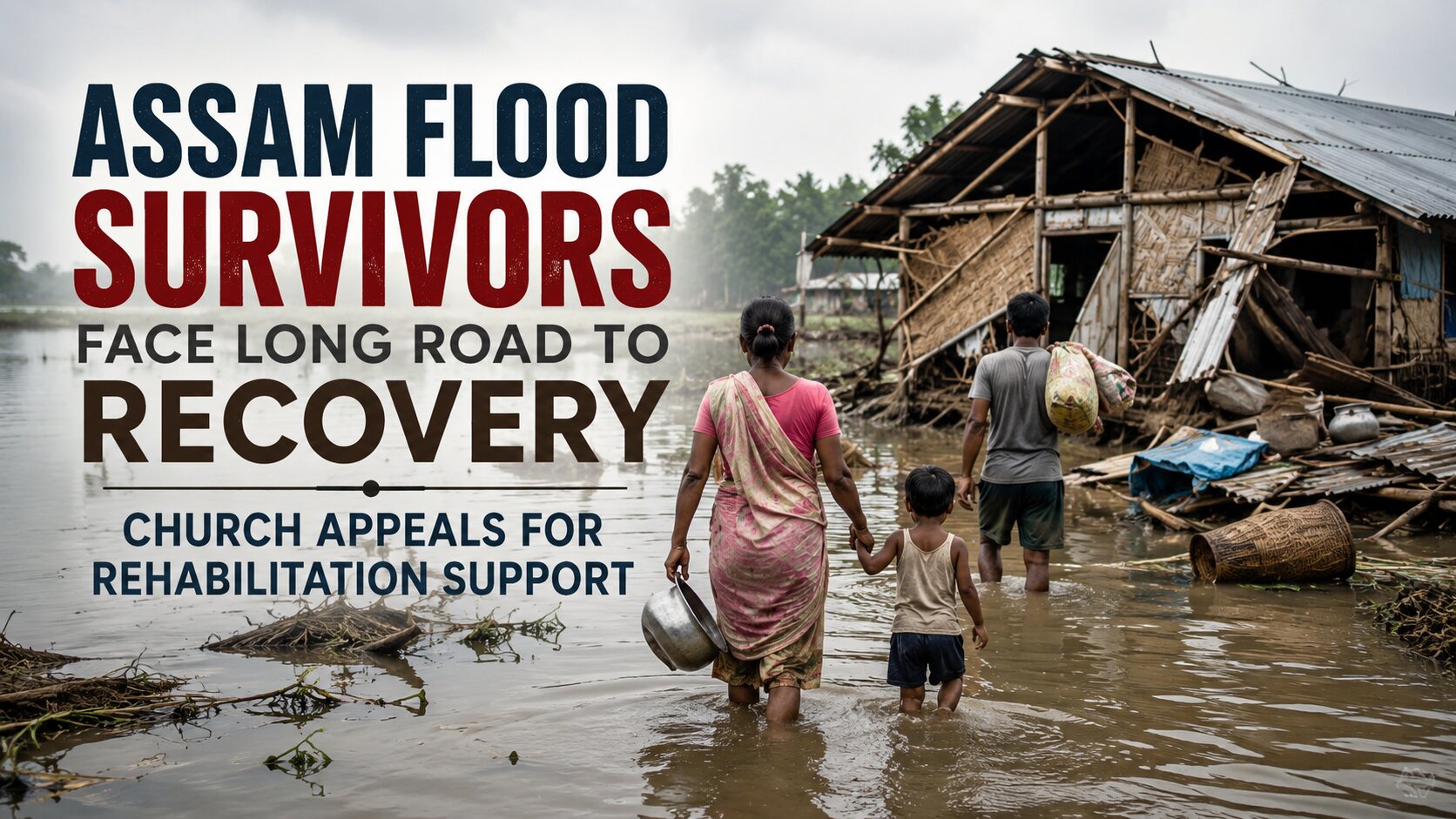
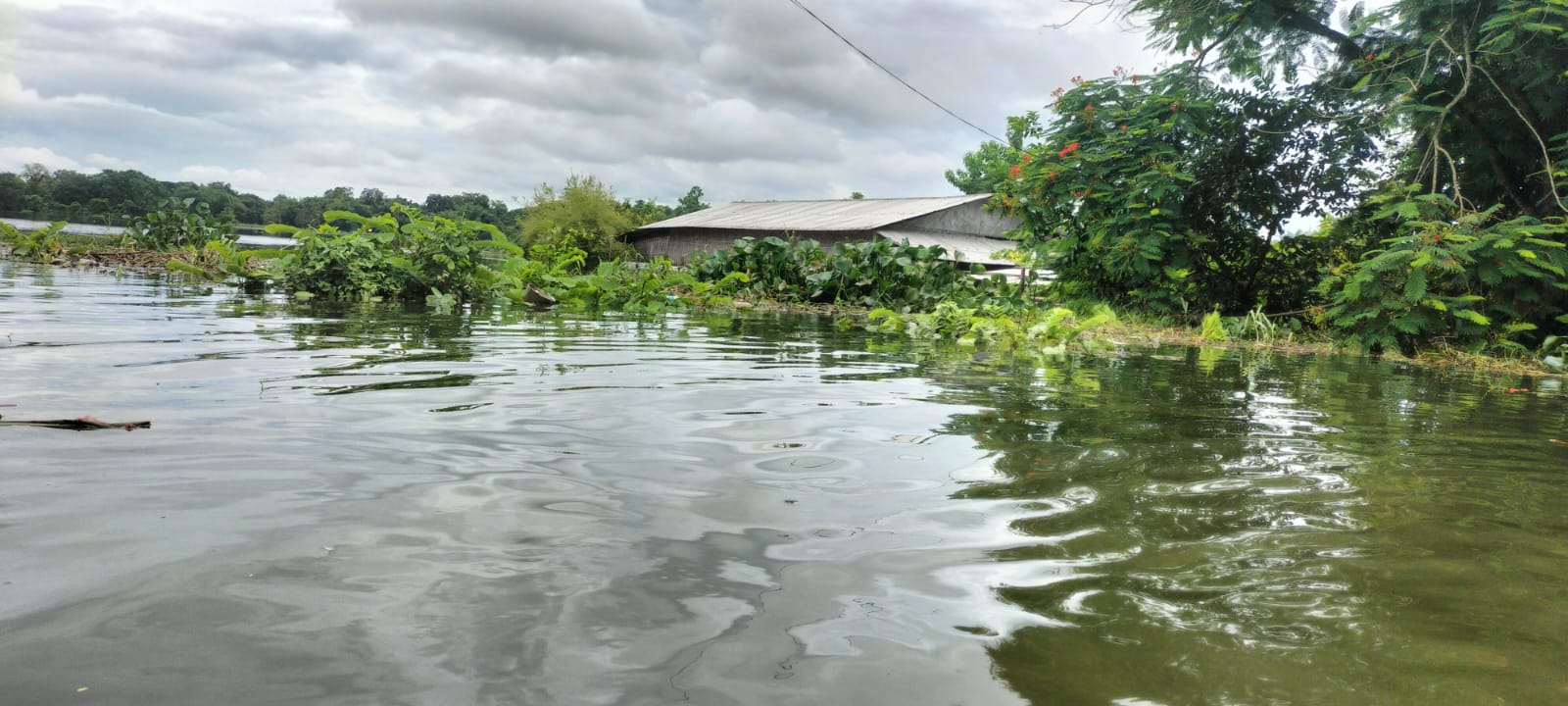
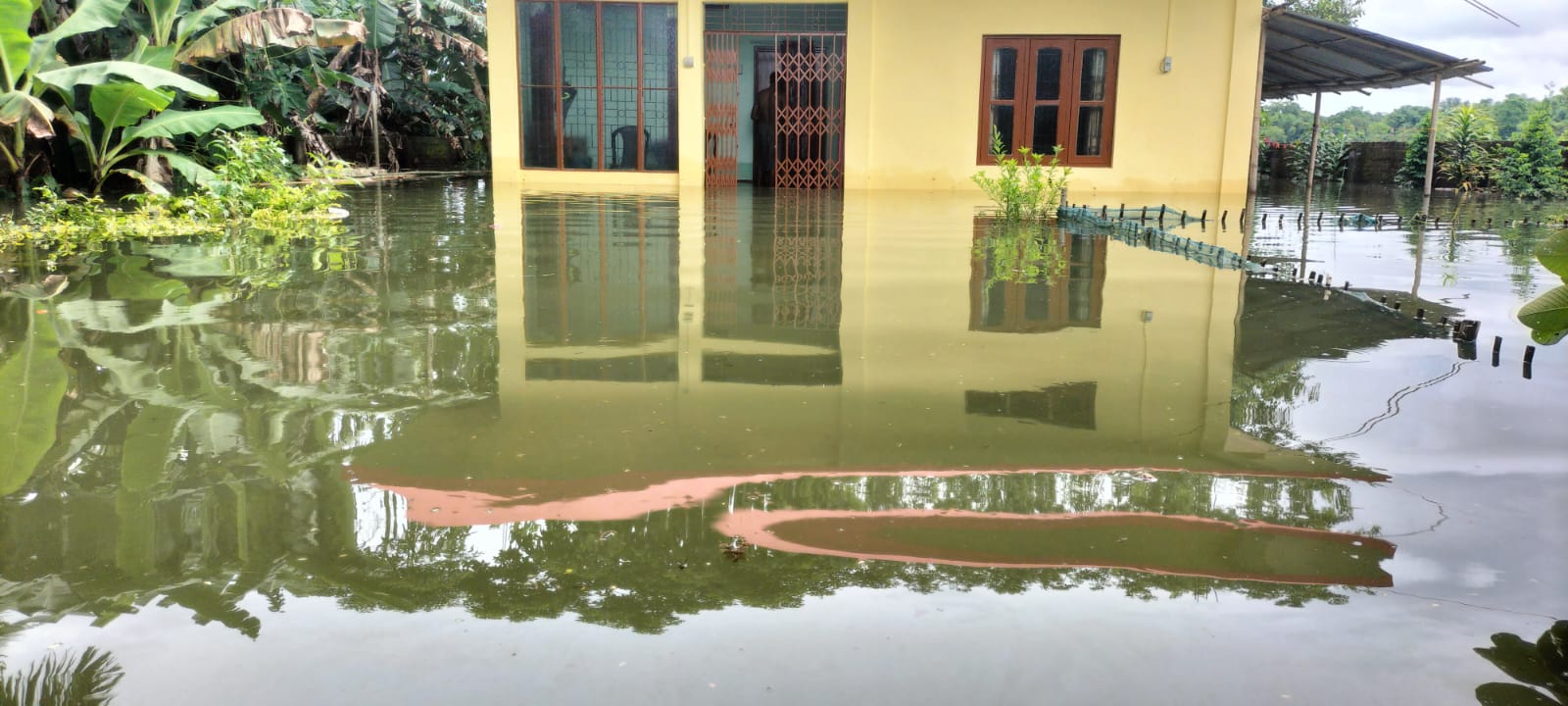
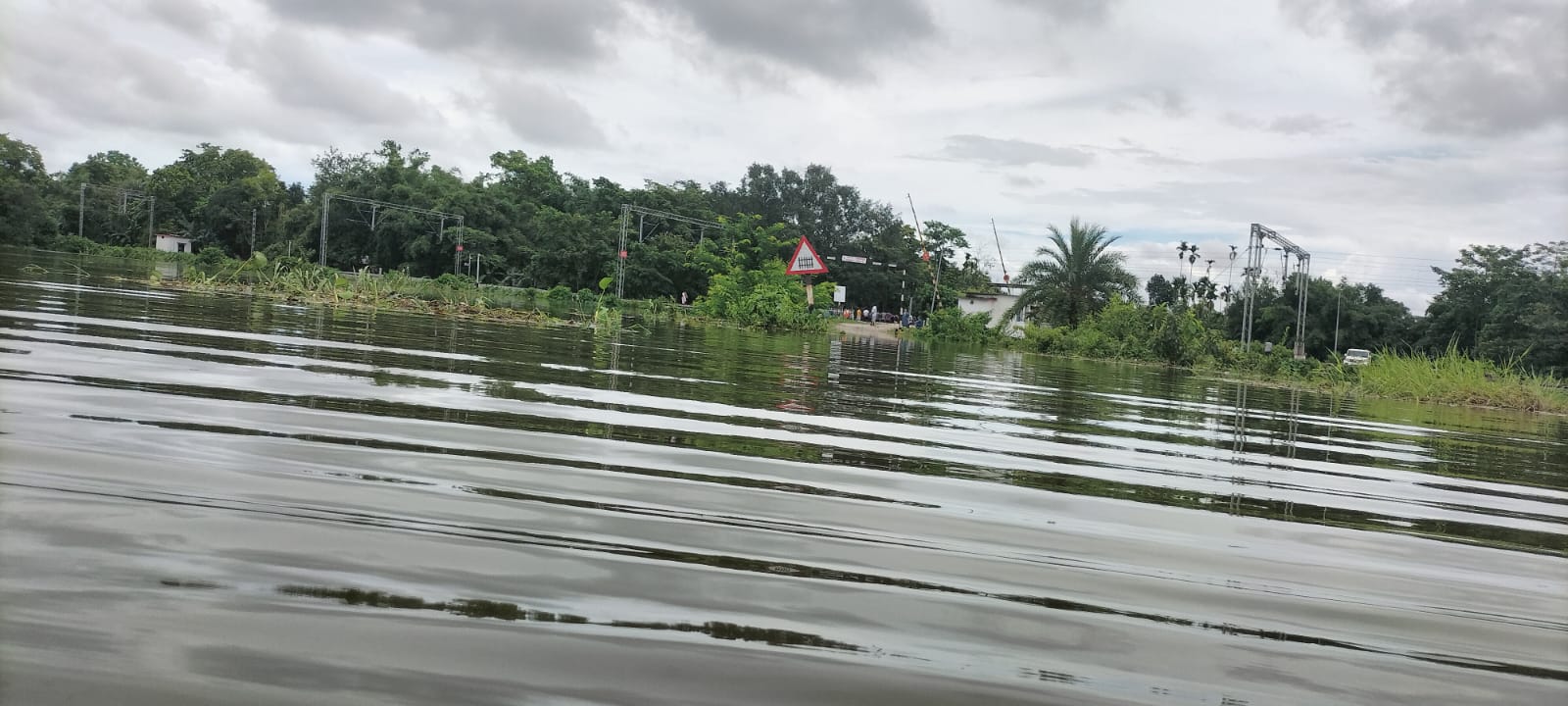
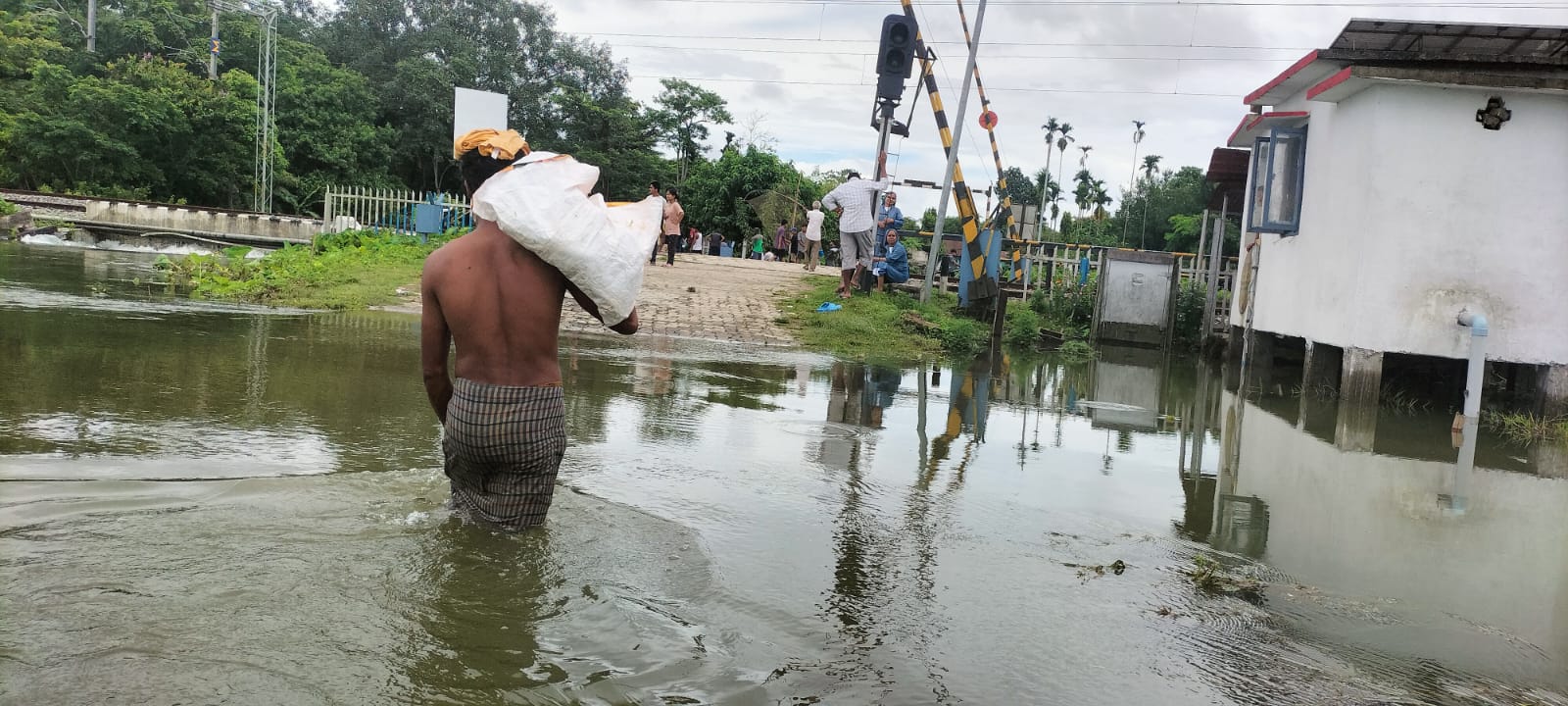
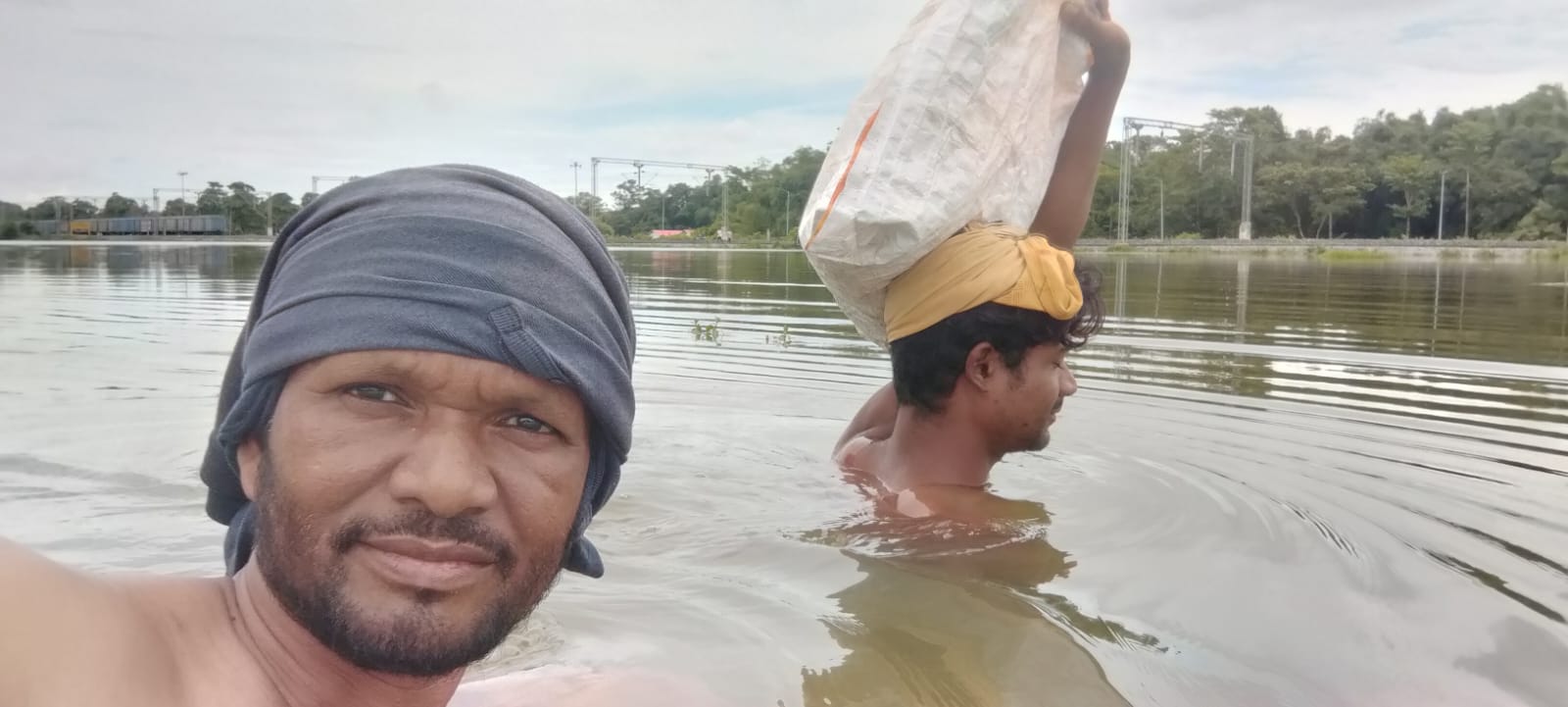
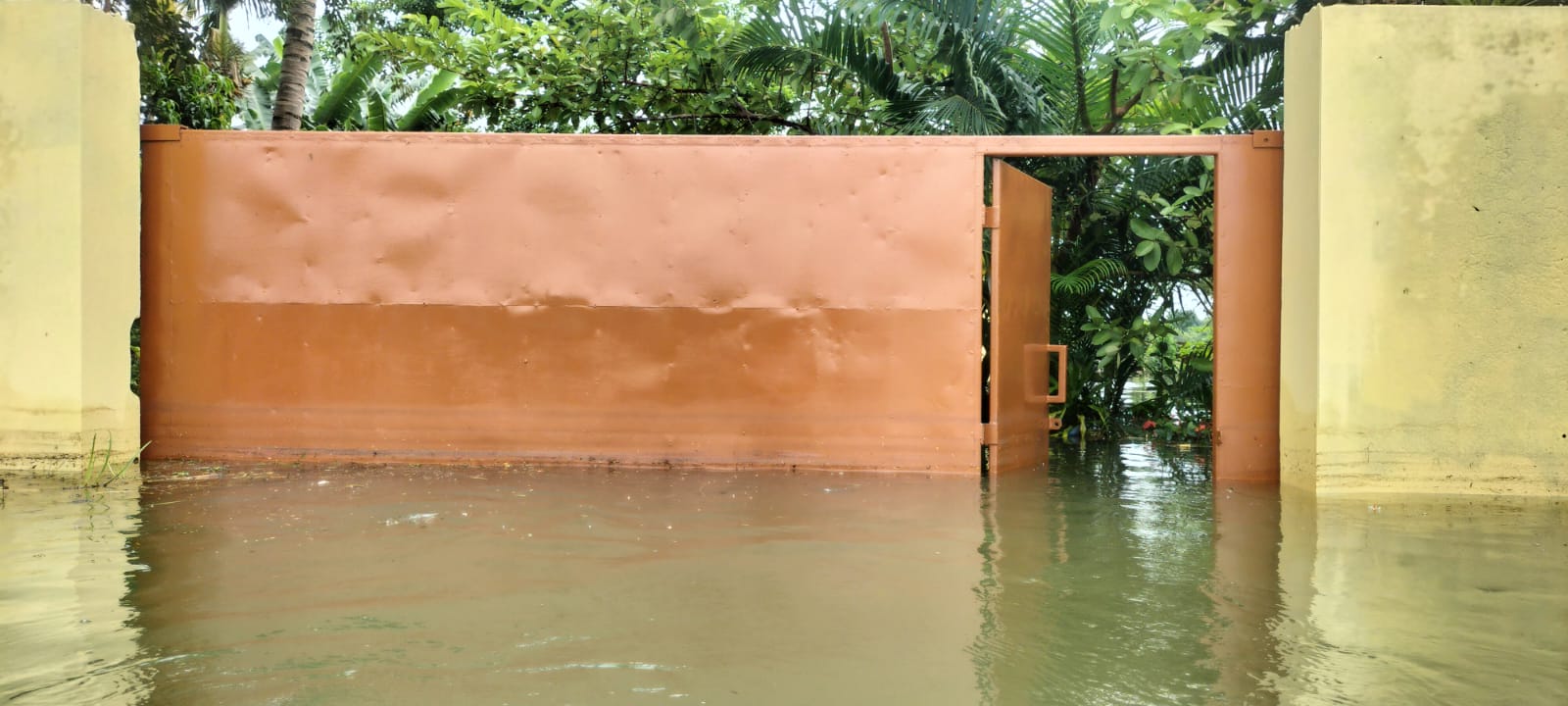
DIBRUGARH, Assam, July 30, 2026: As floodwaters slowly recede across parts of Upper Assam, thousands of families remain without secure homes, household essentials and livelihoods, prompting the Church to appeal for sustained support for the long rehabilitation process.


Bishop Albert Hemrom of Dibrugarh said three districts under the Diocese of Dibrugarh — Charaideo, Sivasagar and Jorhat — have been severely affected, with Charaideo and Sivasagar among the worst-hit areas.
Although there has been no rain for the past three to four days, the water level remains high in several places because the floodwaters have no adequate outlet, the bishop told Catholic Connect.


“Though there has been no rain for the last three to four days, the water has no outlet to go out. The water level is still not going down,” Bishop Hemrom said, noting that the drying process has been much slower than expected.
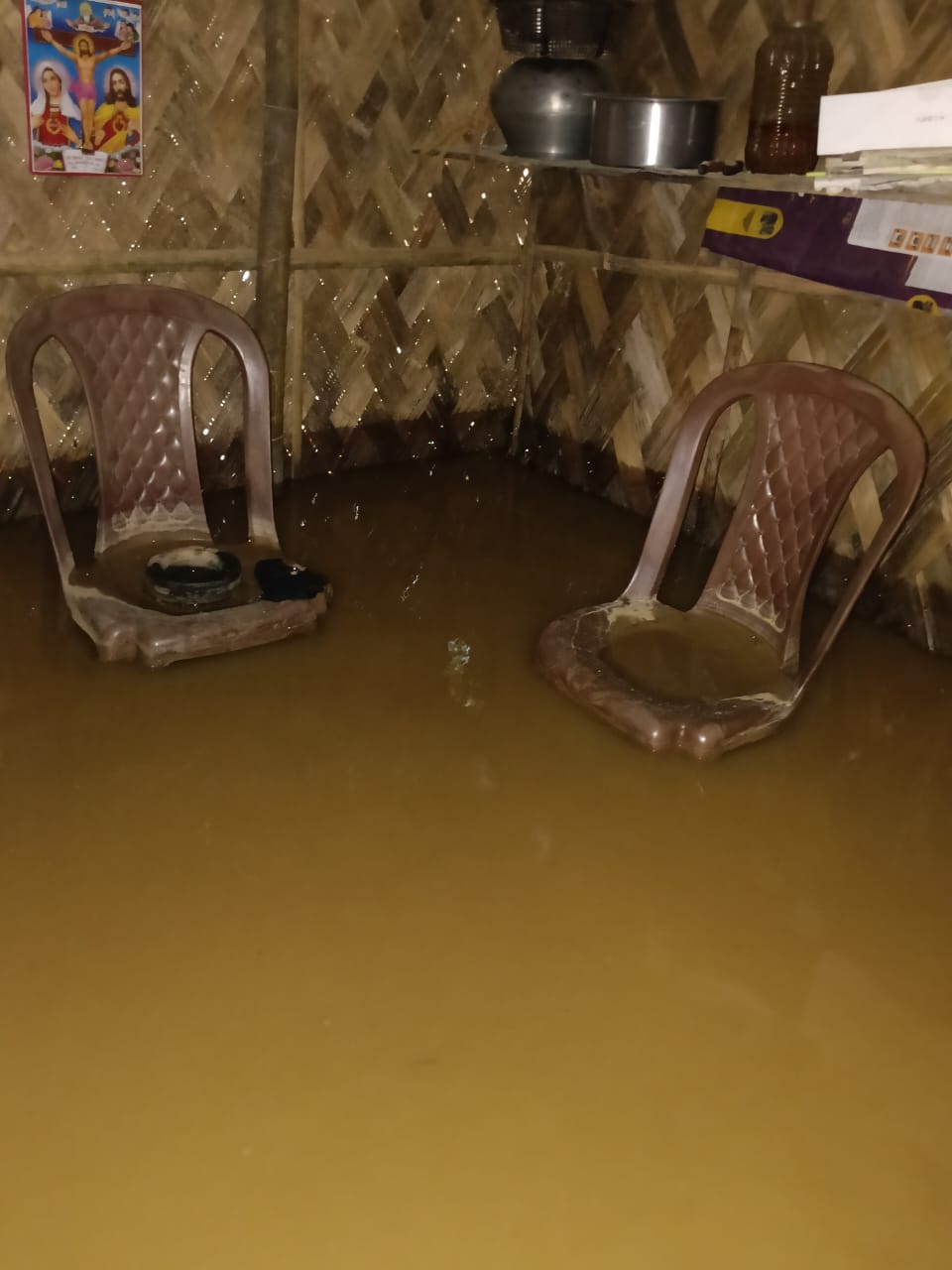
The retreat of the waters has exposed the extent of the destruction. Many homes have been damaged or washed away, while families have lost cooking utensils, clothing and other basic possessions. In several cases, residents were able to save only a few belongings before the floodwaters swept through their homes.
“People have a lot of relief materials, but they have no place to cook. Whatever they had went with the water,” the bishop said.
The Church is also preparing for possible health risks as the waters recede. Bishop Hemrom warned that the discovery of dead bodies and stagnant water could increase the possibility of disease outbreaks, making medical assistance an important component of the next phase of relief.
The Diocese of Dibrugarh has mobilised its Seva Kendra, while parishes, youth groups and mothers’ groups have been collecting and distributing relief supplies to affected communities. The bishop, however, stressed that the needs have now moved beyond immediate food assistance.
“More money will be needed for rehabilitation than the grocery that is given just now,” he said.
Information provided by Father Amalraj, Deputy Secretary of the North Eastern Bishops’ Council, indicates that the devastation extends beyond the three diocesan districts. Golaghat and parts of Tinsukia have also been badly affected, while parishes in Nazira, Sonari, Lakwa and Moran suffered extensive damage. Several village churches, parish churches and convents were submerged.
For many families, the loss of livestock has compounded the crisis. Cattle are essential to agricultural livelihoods in the region, while farmland remains covered with mud and debris, making it difficult for farmers to resume cultivation.
Children have also suffered significant losses. Many have lost schoolbooks, study materials, certificates and registration documents in the floods. Although the government has announced arrangements for obtaining duplicate registration certificates through an online portal, parishes are helping families replace essential educational materials so that children can return to school.
A large number of damaged houses were bamboo structures that collapsed after remaining underwater for several days. As rehabilitation begins, relief teams are focusing on practical necessities such as roofing sheets, cooking vessels, bedsheets and other household items, with particular attention to women and children.
Small non-governmental organisations have also joined the rehabilitation efforts, but Church leaders say the scale of the destruction requires continued assistance from a wider network of well-wishers.
Bishop Hemrom appealed for solidarity as the Church prepares to accompany families through the longer recovery process.
“I would like to request all the people of goodwill to really come forward and help, especially in the second phase of the rehabilitation, where we have to construct houses and also buy utensils and clothes,” he said. He added that doctors, nurses and medicines would also be needed if disease outbreaks occur.
The Bishop appealed especially for assistance to families in Jorhat, Sivasagar and Charaideo, where many communities are facing the difficult task of rebuilding their lives.
As flood-affected families begin returning to damaged homes and communities assess their losses, the Church’s relief mission is entering a new phase — one that will require resources, medical support, housing assistance and sustained accompaniment long after the floodwaters have receded.
By Catholic Connect Reporter



© 2026 CATHOLIC CONNECT POWERED BY ATCONLINE LLP