- 26 May, 2026
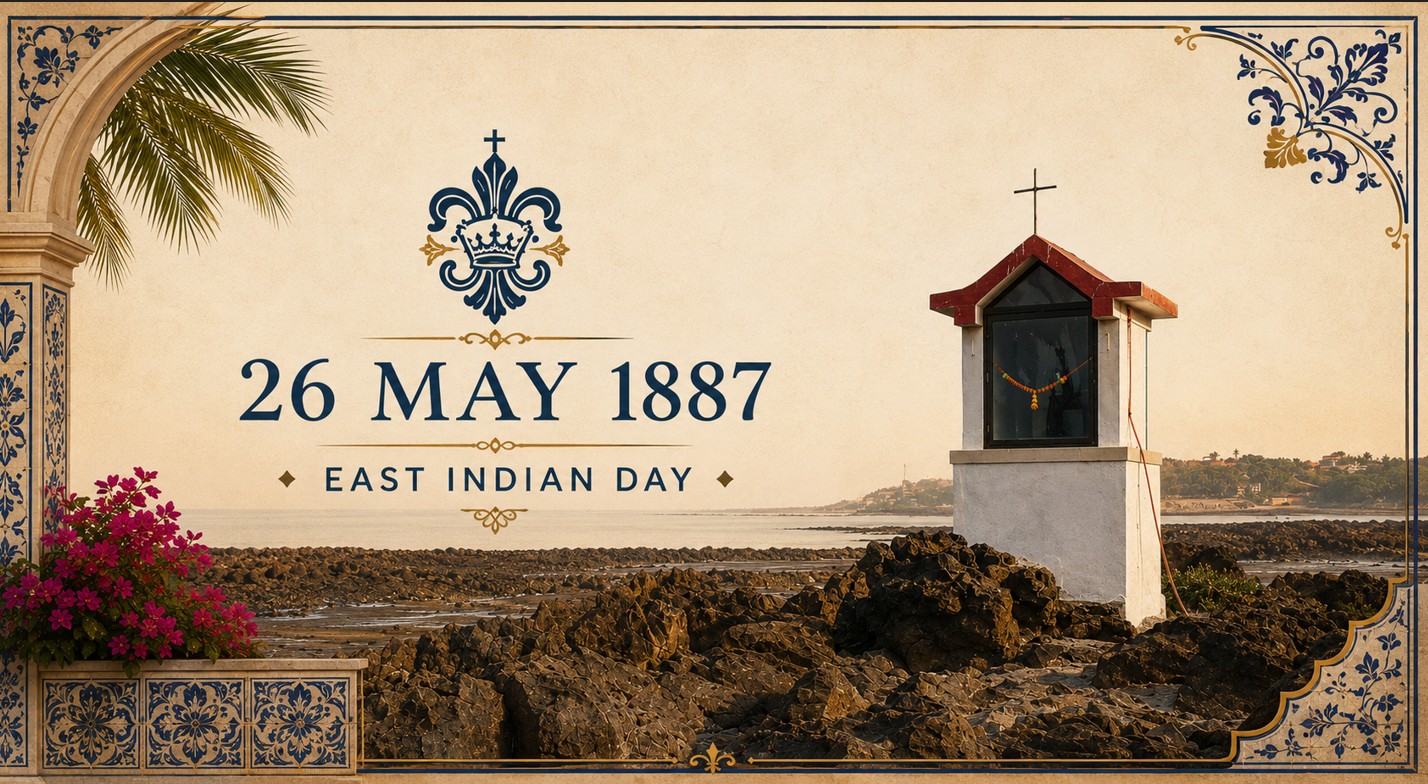
Mumbai, May 25, 2026: “East Indian” sounds like someone living in the West. But in Mumbai, it tells a very different story.
Long before skyscrapers, local trains, and the British Raj, the islands of Bombay were home to fishing villages, salt pans, farms, and tightly knit communities along the Konkan coast. Among them emerged the East Indian Catholics — the indigenous Marathi-speaking Catholic community of Mumbai, Vasai, Salsette, Thane, and surrounding regions.
Their story began in the 16th century, when Portuguese missionaries arrived on India’s western coast. Through missionary activity and the spread of Christian teachings, many local communities in Bombay, Vasai, and Salsette gradually embraced Christianity while continuing to preserve their regional traditions and identity.
That is what makes the East Indian identity unique: Catholic by faith, but deeply Maharashtrian in culture, language, food, and tradition.


Ironically, the term “East Indian” was not originally cultural — it was political.
In 1887, local Catholics of Bombay formed the Bombay East Indian Association during British rule. At the time, many Catholic migrants from Goa and Mangalore were arriving in the city. To distinguish themselves as the original Catholic inhabitants of Bombay, the native community adopted the title “East Indians.”
East Indians are an indigenous Christian community from the Mumbai region of Maharashtra, whose designation was formally adopted on May 26, 1887, through a resolution passed by the native Christian community of the North Konkan region.
The name also reminded the British Crown that these communities were among the earliest subjects of British India after Bombay was transferred from the Portuguese to the British in 1661 as part of the marriage dowry of Catherine of Braganza to King Charles II.
So no — “East Indian” did not mean people from eastern India.
It meant the original Catholic people of the Bombay East Indies.
May 26, 1887:
The historic resolution was passed by the native Christian community in the North Konkan region to formally identify themselves as “East Indians,” creating a distinct identity rooted in the original Catholic inhabitants of Bombay, Salsette, Vasai, and surrounding villages.
East Indian Day Celebrations:
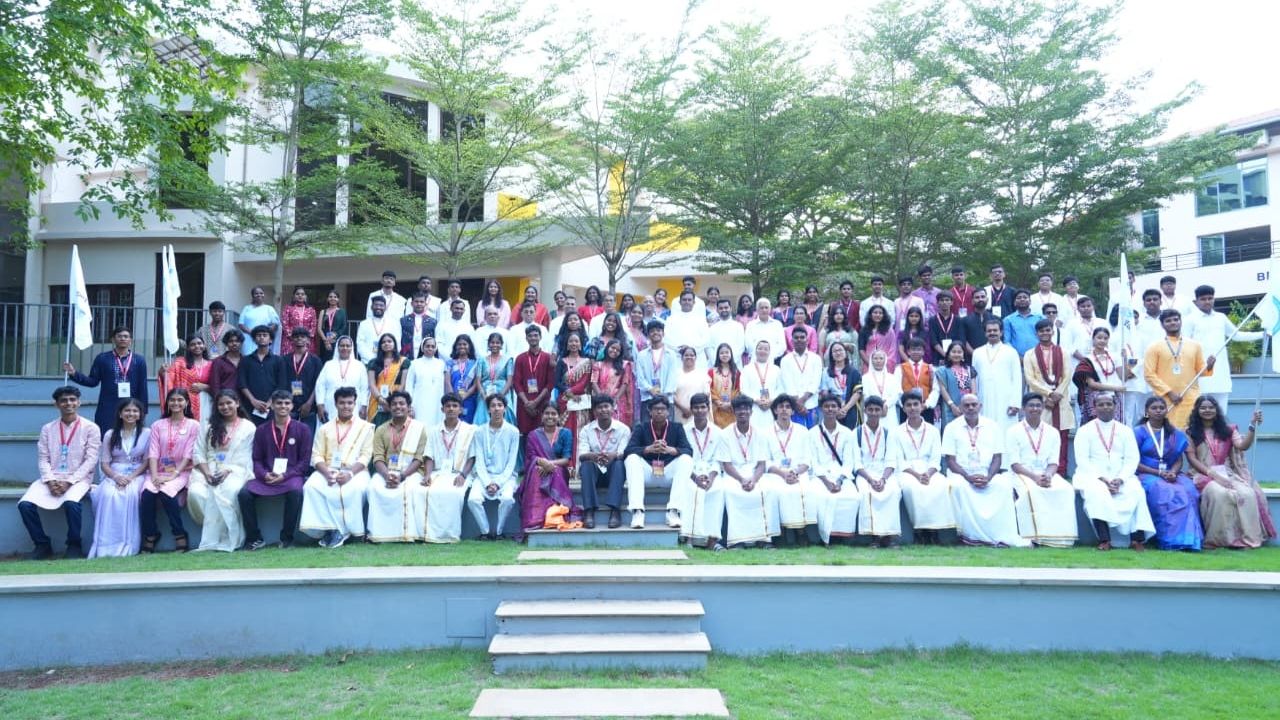
The community’s annual “East Indian Day” is celebrated every May by the Mobai Gaothan Panchayat (MGP), usually on the third Sunday of the month. The celebrations often include thanksgiving masses in the East Indian dialect, cultural performances, heritage walks, traditional music, and food festivals showcasing indigenous East Indian cuisine.
These gatherings are not merely festive occasions — they are acts of cultural preservation that help younger generations reconnect with their language, customs, and village heritage.
Before Bombay became Mumbai, it was a collection of gaothans — village settlements scattered across the seven islands and the northern Konkan belt.
Even today, traces of these East Indian villages survive in places like Vasai, Bandra, Kurla, Vakola, Uttan, Manori, and Khotachiwadi. Narrow lanes, colourful Portuguese-style homes, roadside crosses, and old chapels still carry echoes of another Bombay.
These villages were more than places to live. They preserved a way of life built around farming, fishing, toddy tapping, and community celebrations.
East Indian culture is a blend of Marathi-Konkani roots and Portuguese influence.
Their language mixes Marathi with old Portuguese words. Their cuisine includes bottle masala, vindaloo, sorpotel, fugias, and traditional breads like aapas. Festivals such as the Agera harvest celebration continue to bring communities together through music, dance, and thanksgiving rituals.
Their weddings, folk songs, jewellery, and architecture all reflect a community shaped by history but determined to preserve its identity.
Today, the East Indian community is a minority in the city their ancestors helped shape. Rapid urbanisation has replaced many gaothans with high-rises, and younger generations are increasingly disconnected from the language and traditions.
But the fight to preserve that heritage continues through museums, cultural associations, festivals, and oral storytelling passed down through families.
For many East Indians, this history is not just about the past.
It is about remembering that Mumbai was once a collection of villages — and that some of those original voices are still here, quietly surviving between the city’s glass towers and forgotten lanes.
The term “East Indian” has also appeared in a broader global context connected to the Indian diaspora.
In several Caribbean nations such as Guyana and Trinidad & Tobago, “Indian Arrival Day” is commemorated annually — often on May 5 or May 30 — to honour the arrival of indentured labourers from India during the 19th century and to celebrate the enduring cultural heritage of their descendants.
While historically distinct from Mumbai’s East Indian Catholic community, these commemorations similarly reflect themes of migration, identity, cultural survival, and remembrance.
For information on this year’s cultural events, heritage celebrations, or museum visits related to East Indian history in Mumbai and Vasai, updates are typically shared through the Mobai Gaothan Panchayat and local community networks.
© 2026 CATHOLIC CONNECT POWERED BY ATCONLINE LLP