- 04 October, 2026

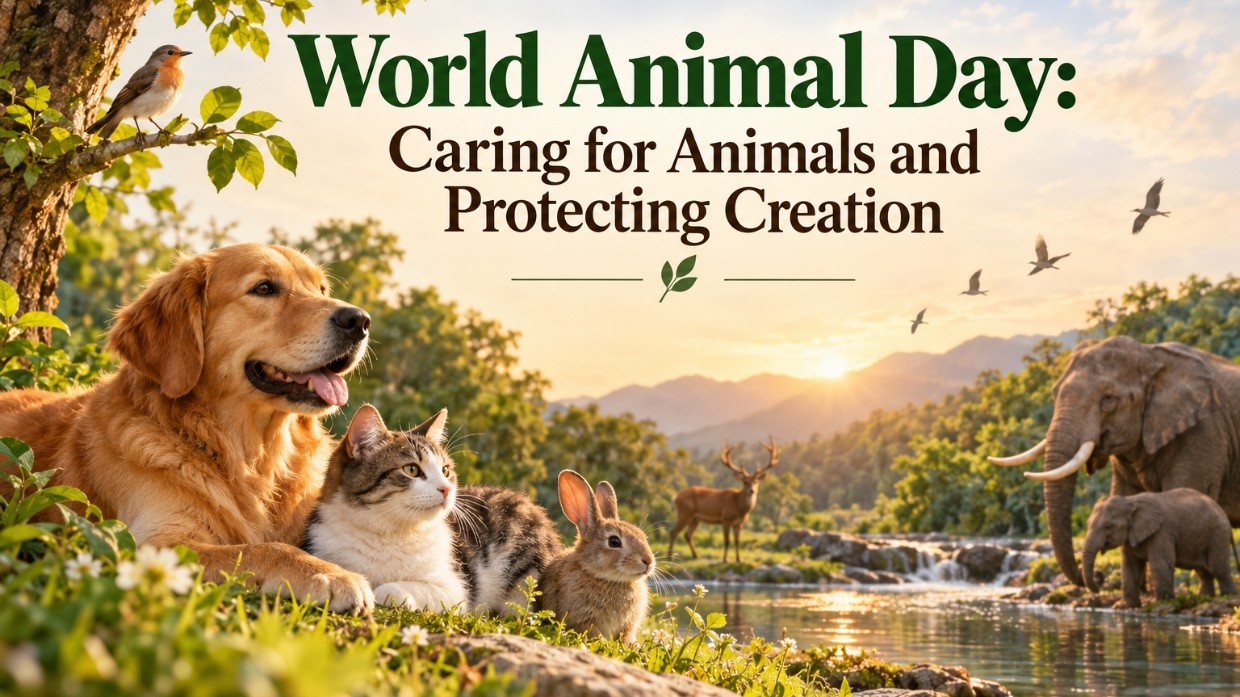
October 4, 2026: An animal does not need a voice to experience pain, fear or neglect. From a pet left without proper care to a wild animal losing its habitat, human actions can profoundly shape the lives of animals. World Animal Day, observed on October 4, draws attention to animal welfare, humane treatment and the responsibility to protect the natural world.


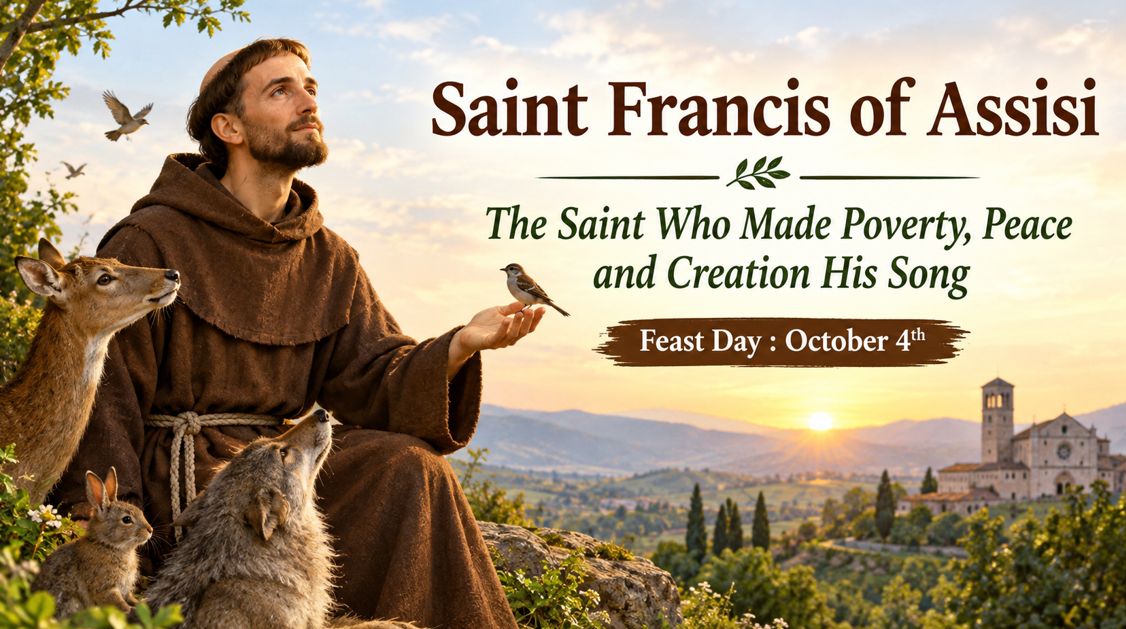
The date also coincides with the feast of St. Francis of Assisi, who is remembered for his special love for animals and creation. His example offers a simple Christian reminder: caring for the world around us is also part of caring for what God has created.
When a habitat disappears, so does a home
Animal welfare is not limited to how humans treat animals directly. The destruction of their homes can be just as significant.
Forests, wetlands, grasslands and waterbodies provide animals with food, shelter and places to reproduce. When forests are cleared, rivers polluted or natural spaces destroyed, animals are forced to adapt, relocate or struggle for survival.
This means protecting wildlife does not always begin with rescuing an animal. Sometimes, it begins with protecting the place where that animal lives.
Not all cruelty is easy to see
Cruelty is often associated with deliberate violence, but neglect can also cause suffering.
An abandoned pet, an animal left without food or clean water, or one kept in unsuitable conditions may suffer without anyone immediately noticing. Responsible care therefore involves more than affection. It requires attention to an animal's basic needs, safety and wellbeing.
For those who care for animals, providing adequate food, clean water, shelter and necessary medical attention is part of responsible ownership.
The hidden cost of everyday choices
Many environmental problems that affect animals are linked to ordinary human activity. Plastic and other waste can enter waterways, pollution can damage ecosystems, and the loss of green spaces can reduce the places available for wildlife.
Even small actions — disposing of waste properly, protecting local waterbodies, avoiding unnecessary harm to animals and respecting wildlife — can contribute to a healthier environment.
A Christian responsibility
For Christians, caring for animals and the environment is closely connected with care for creation. The natural world is not simply a resource to be consumed but a gift entrusted to humanity.
This does not mean placing animals above people. Rather, it means recognising that human beings have a responsibility to exercise care, restraint and stewardship towards the world around them.
The way people treat animals can also reveal something about how they understand compassion. Choosing not to cause unnecessary suffering and taking responsibility for vulnerable creatures are practical expressions of that virtue.
More than a day of awareness
World Animal Day offers an opportunity to look beyond occasional acts of kindness and consider the responsibilities that come with sharing the world with other living creatures.
It can begin with something simple: caring properly for a pet, helping an injured animal, refusing to tolerate cruelty, protecting a local habitat or ensuring that waste does not end up in a river or open space.
The message is simple but significant: animal welfare and care for creation begin with recognising that every living creature is part of a world that deserves responsible care.
As the Church remembers St. Francis of Assisi on October 4, his example provides a fitting reminder that gratitude for creation should also lead to responsibility towards it.
To care for creation is to recognise that what has been entrusted to us must also be protected for those who come after us.
By Catholic Connect Reporter
Continue Reading on Catholic Connect App
Get access to exclusive news articles & more.






© 2026 CATHOLIC CONNECT POWERED BY ATCONLINE LLP