- 14 October, 2026

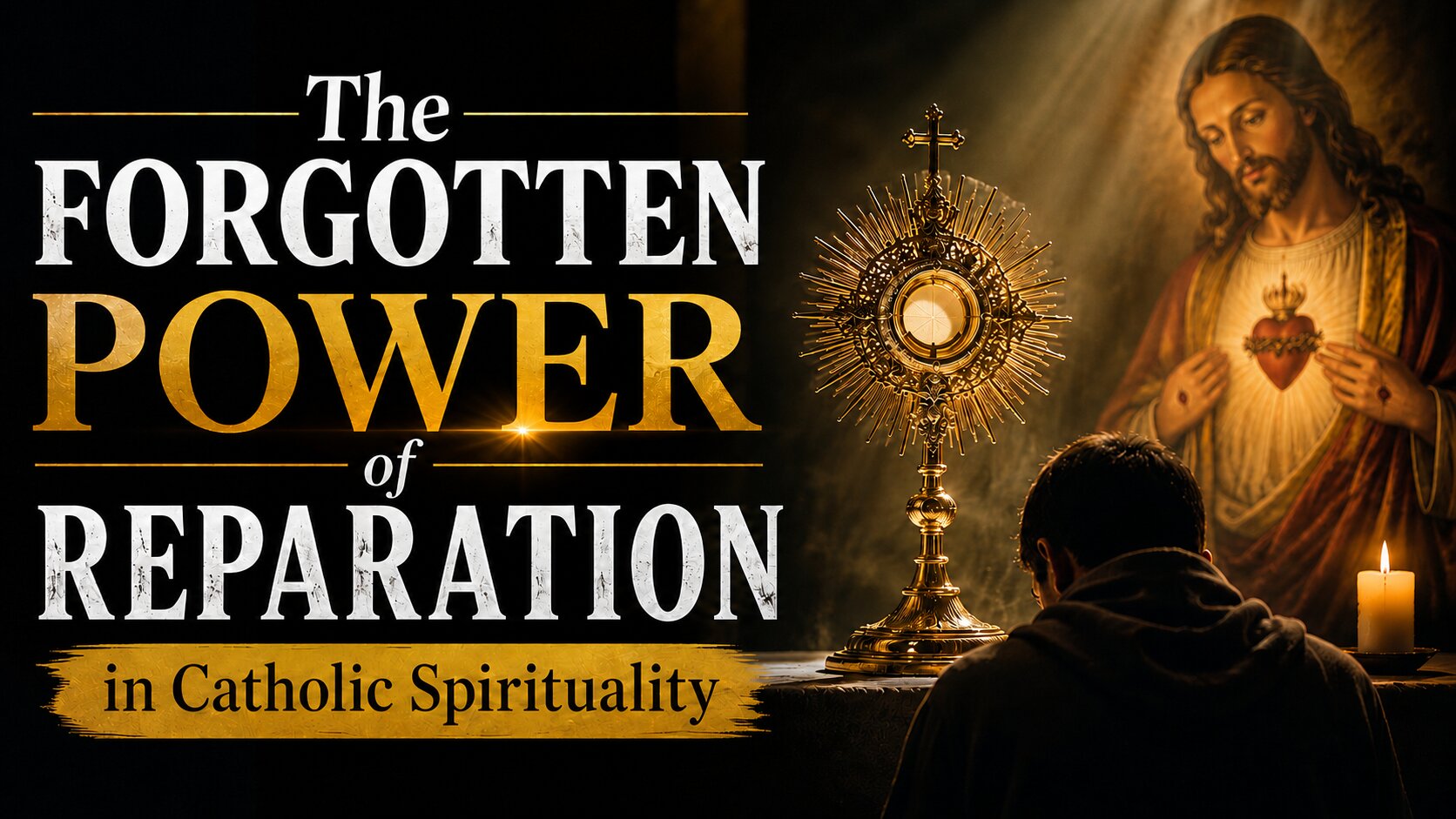
June 17, 2026: In a world shaped by speed, distraction, and constant noise, the word “reparation” can sound old-fashioned or difficult to understand. For many people, it may even bring images of guilt, punishment, or harsh religious practices. Yet in Catholic spirituality, reparation is something far deeper and more beautiful. At its heart, it is an act of love.


Catholic theology teaches that Christ’s sacrifice on the Cross completely redeemed humanity. Nothing can be added to that sacrifice. Yet believers are invited to participate in Christ’s love by offering prayer, sacrifice, and devotion for a wounded world. Reparation is not about “earning” God’s forgiveness; it is about responding to divine love with love in return.
Pope Pius XI described reparation as making amends for the “insults, outrages and ingratitude” shown toward God. In his 1928 encyclical Miserentissimus Redemptor, he reflected on the mystery that Christ, knowing all of human history, was consoled in the Garden of Gethsemane by the future prayers and sacrifices of believers. In this understanding, even small acts of love offered today become spiritually meaningful.
Prayer, Sacrifice, and Love
The spirituality of reparation rests on three closely connected elements: prayer, sacrifice, and love.
Love is the foundation. Reparation does not come from fear or from trying to “buy” God’s favor. Instead, it grows from agape — self-giving love that recognizes God’s goodness and grieves when that love is ignored or rejected.
Prayer becomes an act of presence. In Eucharistic Adoration, believers sit before the Blessed Sacrament not merely to ask for favors, but to remain with Christ in silence and companionship. Many Catholics connect this practice to Christ’s words in Gethsemane: “Could you not watch one hour with me?”
Sacrifice, too, takes on a different meaning. Small daily struggles — fasting, patience during difficult moments, offering up suffering — become acts of reparation when united intentionally with Christ. Catholic spirituality sees these ordinary sacrifices not as meaningless pain, but as transformed through love.
(CLICK HERE to follow Catholic Connect for regular Catholic News & Content)
Devotions Rooted in Reparation
Two major Catholic devotions are closely linked to reparative spirituality: the Sacred Heart of Jesus and the Immaculate Heart of Mary.
The devotion to the Sacred Heart, promoted through St. Margaret Mary Alacoque in the seventeenth century, focuses on Christ’s love for humanity. Images of the Sacred Heart surrounded by thorns symbolize both divine love and the pain caused by human indifference.
Similarly, the devotion to the Immaculate Heart of Mary, especially connected to the Fatima apparitions, emphasizes offering prayers and sacrifices in union with Mary’s sorrow and love.
A Spirituality for Modern Times
Far from being outdated, reparation speaks powerfully to modern life. Today’s culture often encourages distraction, instant gratification, and emotional distance. Reparation offers something different: attention, presence, sacrifice, and solidarity.
Rather than remaining passive before suffering or brokenness, reparative spirituality invites believers to stand “in the breach” for others through prayer and love. It transforms faith from a private feeling into an active participation in healing the world.
Ultimately, reparation is not centered on punishment. It is centered on relationship — choosing to love Christ more deeply in a world where that love is often forgotten. In its quiet and hidden way, it remains one of the most profound expressions of Catholic spirituality.
By Catholic Connect Reporter




© 2026 CATHOLIC CONNECT POWERED BY ATCONLINE LLP