- 26 July, 2026

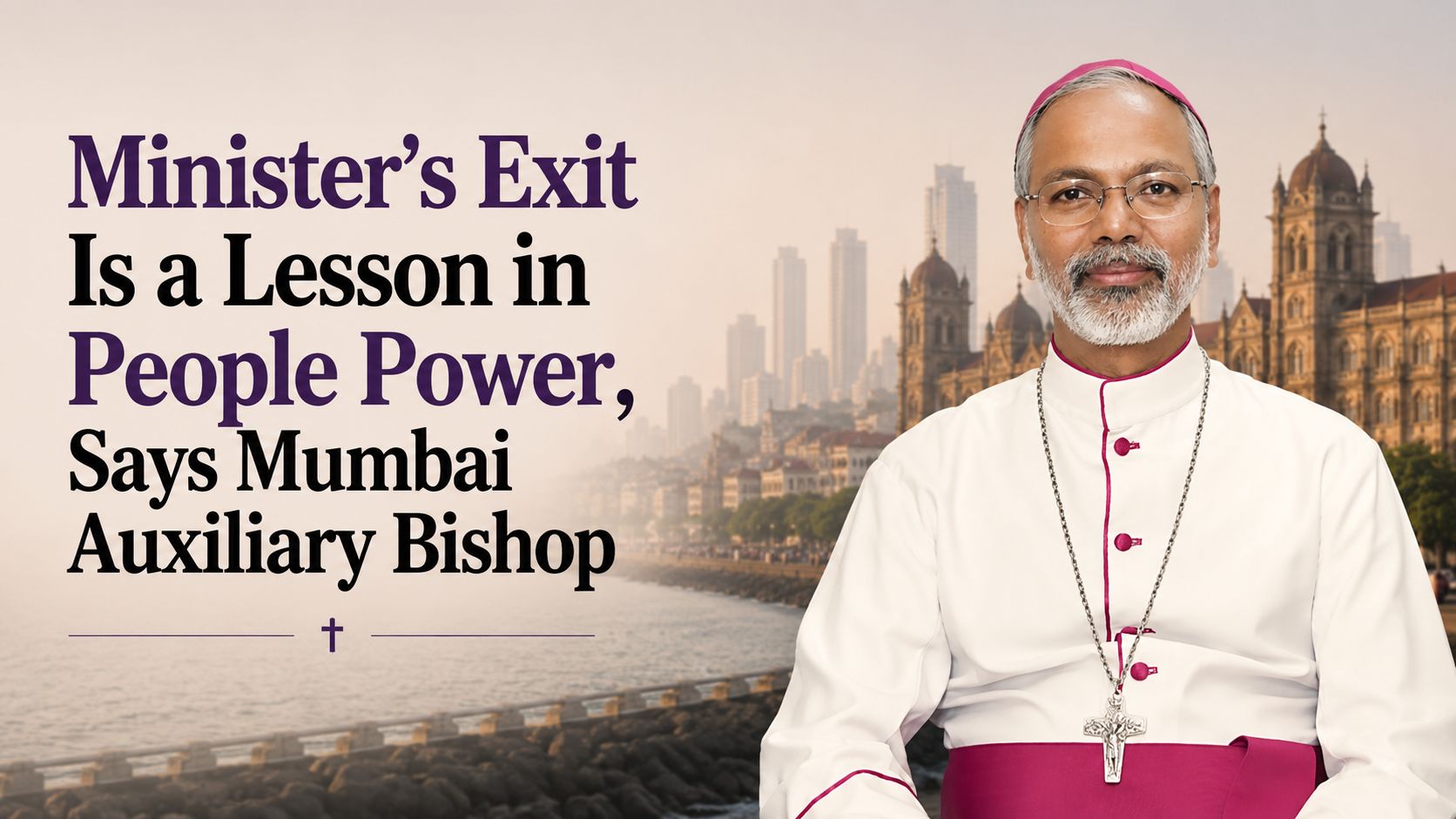
July 26, 2026: The resignation of a senior minister following weeks of public protest is a reminder of a fundamental truth in any democracy: political power ultimately derives from the people, and no government can afford to forget that. Whatever one’s political affiliation, the events surrounding the recent protests should prompt serious reflection on the state of democratic accountability, the right to peaceful dissent, and the responsibility of governments to treat every citizen with dignity, equality and respect.


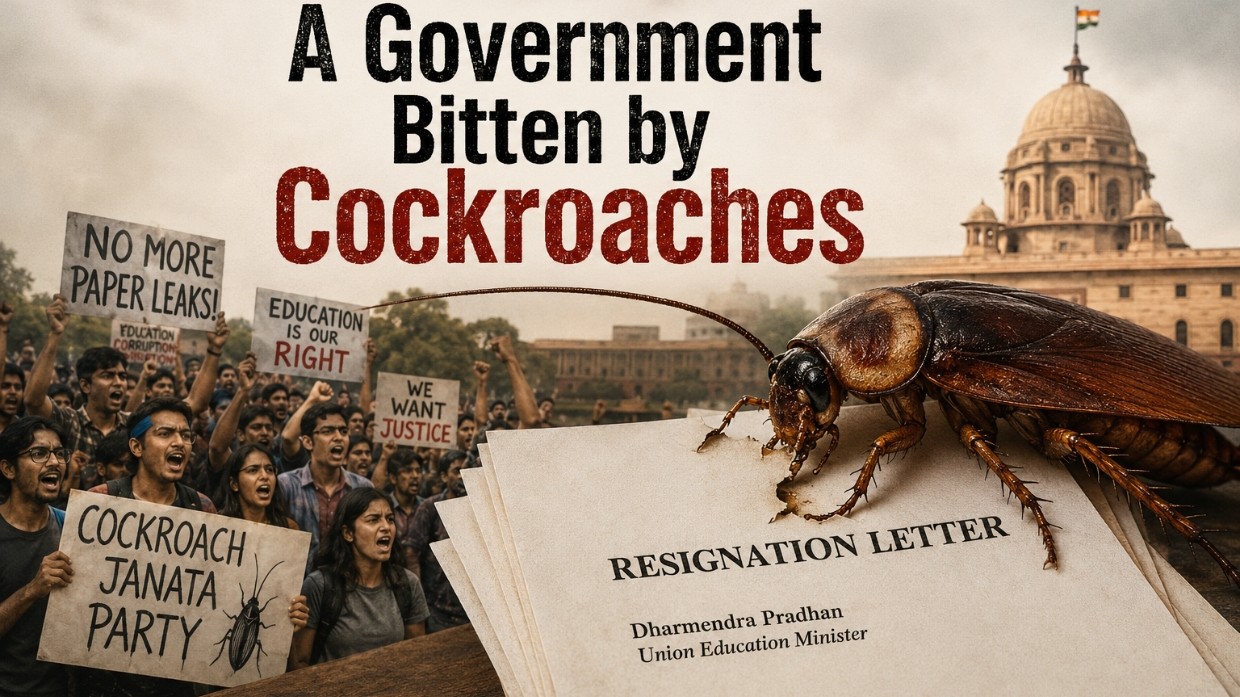
The protests, in which many young people, particularly members of Gen Z, played a prominent role, demonstrated the power of collective civic action. Their persistence, despite the difficulties and hardships they faced, as seen in the various videos and reporting from Jantar Mantar, deserves recognition. The support extended by ordinary citizens from different walks of life - through food, water, essential supplies, moral encouragement and prayers - also reflected an important aspect of democratic society, that is, people standing together when they believe that a matter of public concern requires their attention.
At the heart of any democracy is the right to disagree with those in power. Governments are elected to serve the people, not to regard criticism as an act of hostility. Peaceful protest, when conducted within the bounds of law, is not an attack on the nation. It is one of the ways citizens participate in public life and hold institutions accountable. That is why allegations of excessive force against peaceful demonstrators must always be taken seriously and investigated impartially.


Reports of injuries, mistreatment, intimidation or insulting behaviour by authorities, when substantiated, should never be dismissed merely because the protesters disagree with the government. The State has a greater responsibility precisely because it possesses greater power. The use of force must always be necessary, proportionate and lawful. And those responsible for unlawful conduct must be held accountable regardless of their position and how powerful they are.
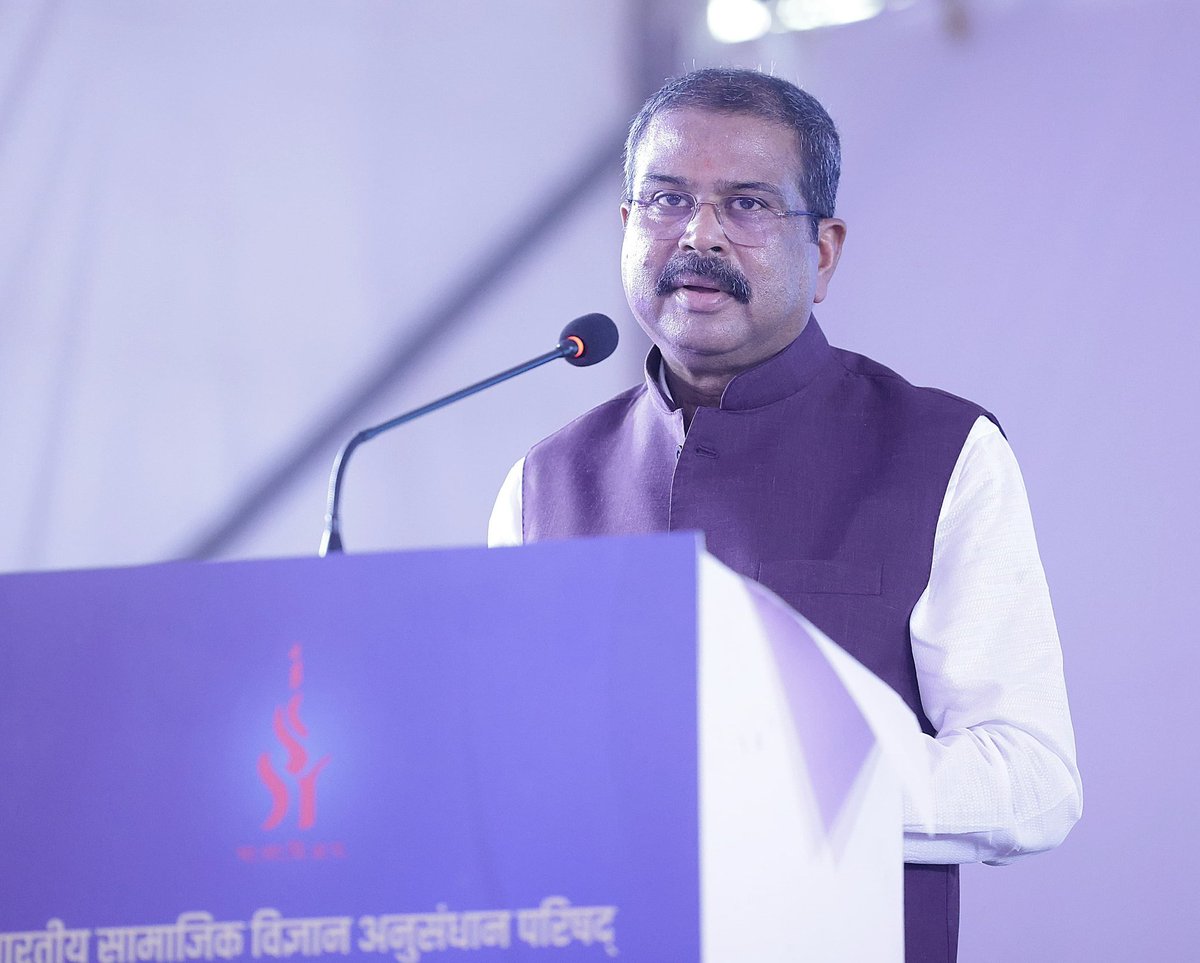
The resignation Mr. Dharmendra Pradhan, the Education Minister, in the wake of sustained public pressure, if accepted by the Prime Minister, would underline the principle that elected representatives remain accountable to the people. At the same time, a resignation should not be viewed as the end of the democratic process. What matters ultimately is whether the underlying concerns raised by citizens are examined fairly and whether meaningful corrective action follows.
There are also wider concerns that deserve open and reasoned debate. Critics have questioned whether changes to educational syllabi and historical narratives adequately reflect India's extraordinary diversity and complex past, or whether they risk promoting a particular ideological interpretation of history. These concerns should be addressed through transparent academic processes involving historians, educators and independent experts. Education must never become a tool for political indoctrination. Children should be taught to understand history in all its complexity, including its achievements, failures, conflicts and contributions from communities of every faith and background.
Similarly, laws and policies governing religious freedom, foreign funding and civil society organisations must be enforced fairly, consistently and transparently, without discrimination or political bias. Regardless of whether one supports or opposes a particular law, the constitutional guarantees of equality before the law, freedom of conscience and the right to peaceful civic participation must remain inviolable. Where concerns arise about selective, arbitrary or partisan enforcement, they must be addressed through independent scrutiny, credible evidence and due process—not dismissed or justified through political rhetoric. The rule of law can command public trust only when it is applied equally to everyone, without favour or prejudice.
The same standard must apply to constitutional and independent institutions. Their credibility depends not only on their actual independence but also on public confidence in that independence. If citizens believe that institutions are acting selectively or politically, trust in democracy itself begins to weaken. The remedy for this is to strengthen transparency, accountability and institutional safeguards, and not endanger it.
The media, too, has an indispensable role to play. A free press is expected to question those in power, investigate wrongdoing and provide citizens with reliable information. When sections of the media are perceived as overly close to governments or political parties, public confidence suffers. Equally, criticism of the media should not become an excuse to suppress legitimate journalism. The answer to biased reporting is stronger independent journalism, greater media diversity and an informed public capable of examining competing viewpoints.
Perhaps the most troubling aspect of any political climate is the tendency to label citizens who disagree with the government as anti-nationals and enemies of the nation. Describing peaceful protesters or critics as foreign agents, or casually associating them with another country, is a dangerous practice unless supported by credible evidence and established through lawful processes. Patriotism cannot be measured by political loyalty. A citizen does not cease to love the country merely because he or she criticises the government - in fact, it is often love for the country that inspires citizens to speak out against injustice, defend democratic values and demand that those in power uphold the Constitution and serve the people with honesty, dignity and accountability.
India's strength has always rested on its diversity. Religion, caste, language and culture may differ, but constitutional citizenship is shared equally by all. No government should make any citizen feel like a second-class member of the nation. The dignity of a person cannot depend upon his or her religion, caste, political belief or social background.
The message from the recent mobilisation at Jantar Mantar should therefore be understood not as a victory for one political group over another, but as a reminder to every government: people's power is real. When citizens unite peacefully around a cause they believe to be just, their voices cannot simply be silenced by authority.
The lesson for those in power is clear. Listen before anger turns into alienation. Engage before disagreement becomes confrontation. Govern through constitutional principles rather than fear or intimidation. Treat criticism as part of democracy, not as a threat to it.
The people of India do not ask for special treatment. They ask for fairness. They ask for equality. They ask to be heard. Above all, they ask to be treated with dignity and respect.
A government that understands this will not fear the people. It will earn their trust.
Bishop Savio Fernandes
Auxiliary Bishop of the Archdiocese of Bombay
© 2026 CATHOLIC CONNECT POWERED BY ATCONLINE LLP