- 17 June, 2026

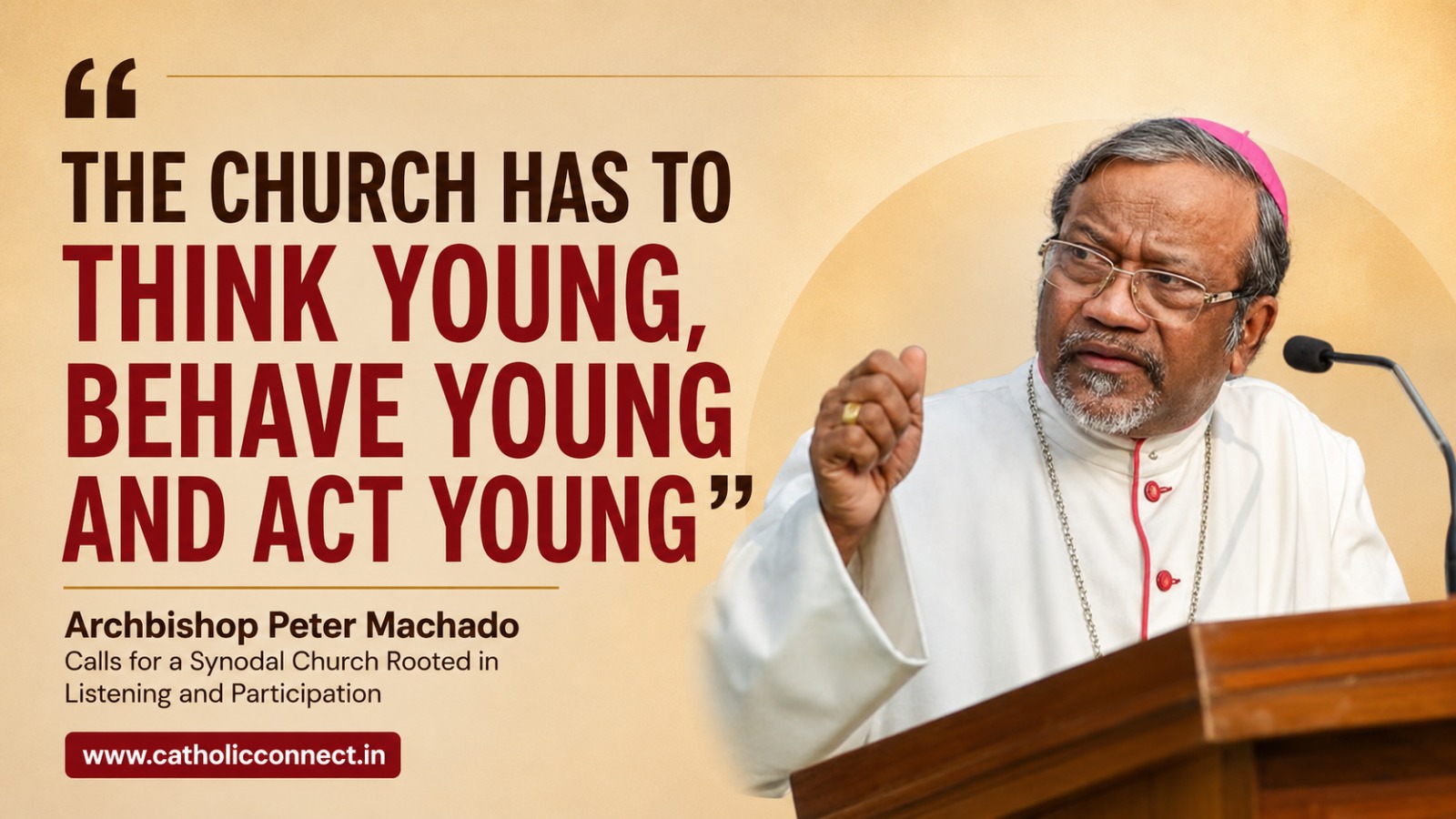
Bengaluru, June 17, 2026: As the Catholic Church in India continues to deepen the vision of synodality initiated by the late Pope Francis and carried forward by Pope Leo XIV, Archbishop Peter Machado of Bangalore has called for a Church that is more attentive, inclusive and responsive to the realities of people's lives.


Speaking during a recent national gathering on synodality, Archbishop Machado emphasised that the future of the Church depends on its ability to move beyond discussions and embrace practical engagement with families, youth, women, the poor, the sick and the elderly. He described synodality not as a programme or pastoral strategy but as “an attitude of the heart” that challenges the Church to accompany people in their everyday circumstances.
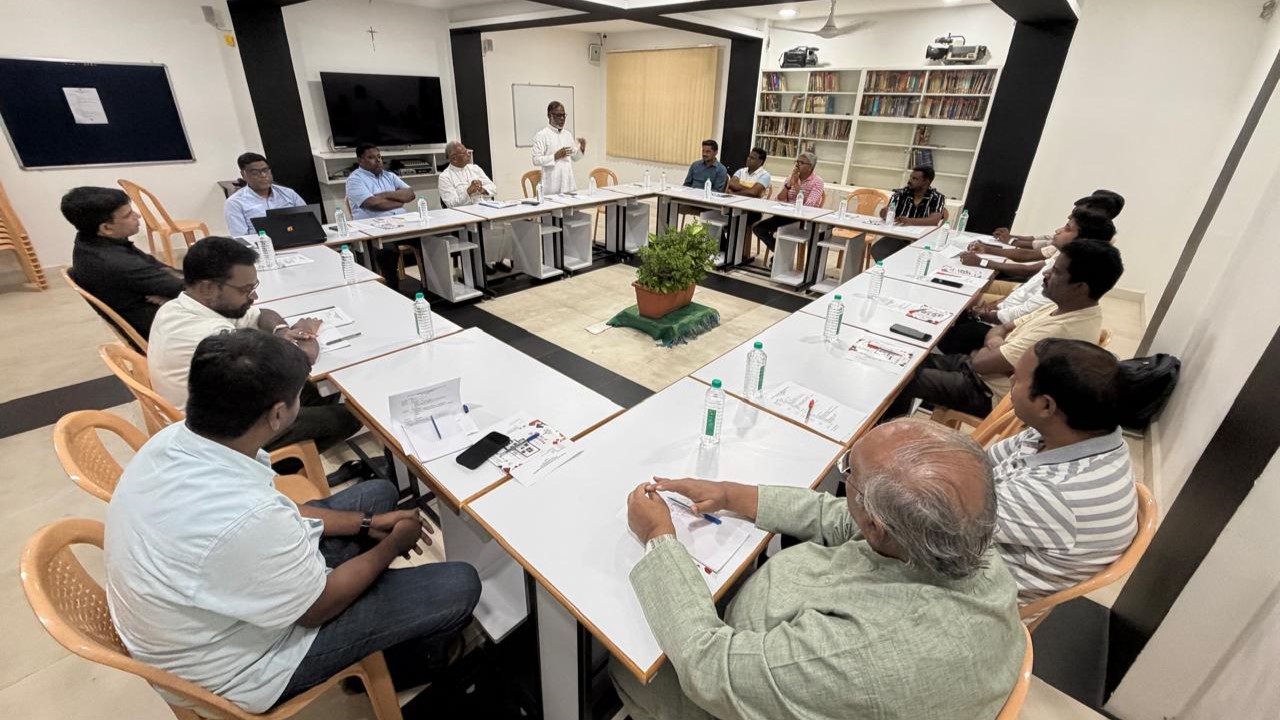
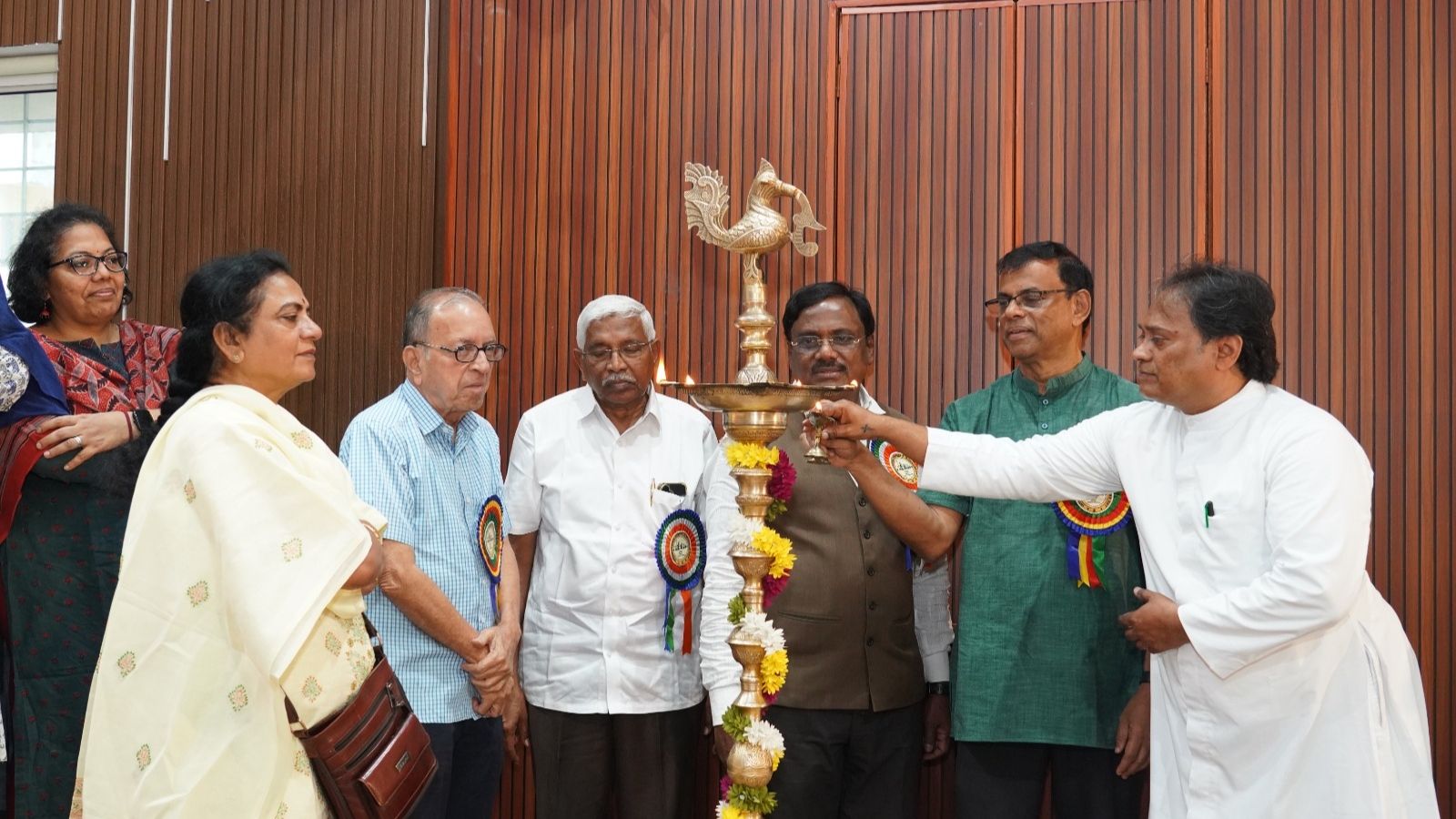
Reflecting on the participation of bishops, priests, religious and lay faithful in the seminar, the Archbishop said the gathering demonstrated how meaningful dialogue can produce practical solutions. He particularly welcomed the active involvement of young people, noting that their contributions focused on concrete pastoral concerns rather than abstract theories.


“The Church has to think young, behave young and act young,” Archbishop Machado said, stressing that young people must be recognised as active partners in the Church's mission rather than passive recipients of pastoral care.
He acknowledged that many young Catholics feel distant from the Church, often perceiving it as outdated and disconnected from their aspirations. According to the Archbishop, parishes and Church institutions must become more welcoming and youth-friendly if they hope to engage the younger generation effectively.
(CLICK HERE to follow Catholic Connect for regular News and Content)
“If we take the initiative and show young people that they are loved, valued and needed, they will see the Church as their own,” he said.
The Archbishop also highlighted the importance of strengthening pastoral outreach to families through regular home visits and greater sensitivity to the challenges faced by children and young people. He urged educational institutions and pastoral workers to pay closer attention to the emotional, psychological and economic realities of those they serve.
Drawing attention to the Church's mission among the poor, Archbishop Machado recalled the teaching of Pope Francis that “the Church is not only for the poor; it is of the poor.” He noted that many families continue to struggle with poverty and social exclusion, realities that must shape the Church's pastoral priorities.
He also called for greater attention to women, whom he described as bearing a significant share of family and social responsibilities, often while serving as breadwinners. Likewise, he stressed the need to accompany the sick and elderly, many of whom experience loneliness and neglect, especially in urban settings where traditional family support structures have weakened.
Addressing the challenges of implementing synodality in dioceses across India, Archbishop Machado described the process as a profound cultural and spiritual transformation. For centuries, he observed, Church structures largely expected people to come to the Church. Synodality, by contrast, invites the Church to go out and meet people where they are.
“Instead of waiting for people to come to us, we must visit families, hospitals and communities. We must listen to people in their own situations,” he said.
The Archbishop acknowledged that such a shift is not easy, particularly for clergy and Church leaders accustomed to long-established ways of exercising ministry. He noted that synodality requires not merely external changes in structures but a deeper conversion of attitudes and relationships.
“Many of us are used to speaking. Synodality teaches us to listen,” he remarked, adding that even silence can communicate profound realities, especially the suffering and struggles of those on the margins.
For Archbishop Machado, one of the greatest challenges facing the Church is overcoming resistance to change while preserving the richness of its traditions. He called on clergy, religious and lay faithful alike to embrace humility and recognise that holiness and wisdom are not confined to ordained ministry.
Recalling the faith and simplicity of his own parents, he reflected on the lessons Church leaders can learn from ordinary believers. Their humility, generosity and deep trust in God, he said, often embody the Gospel in powerful ways.
“Synodality is a blessing and a grace for the Church,” he said. “It reminds us that we are not the centre of everything. We walk together, listening to one another and to the Holy Spirit.”
Concluding his reflections, Archbishop Machado described synodality as an expression of the mystery of the Incarnation—God entering human history and accompanying people in their daily lives. Whether in urban slums, family homes or parish communities, he said, the Church encounters Christ when it draws close to people and shares in their joys, struggles and hopes.
For the Archbishop, the synodal journey ultimately calls the Church in India to become more missionary, compassionate and participatory—a Church that listens before it speaks, accompanies before it instructs, and walks alongside all God's people in a spirit of communion and shared responsibility.
By Catholic Connect Reporter

© 2026 CATHOLIC CONNECT POWERED BY ATCONLINE LLP