- 05 October, 2026

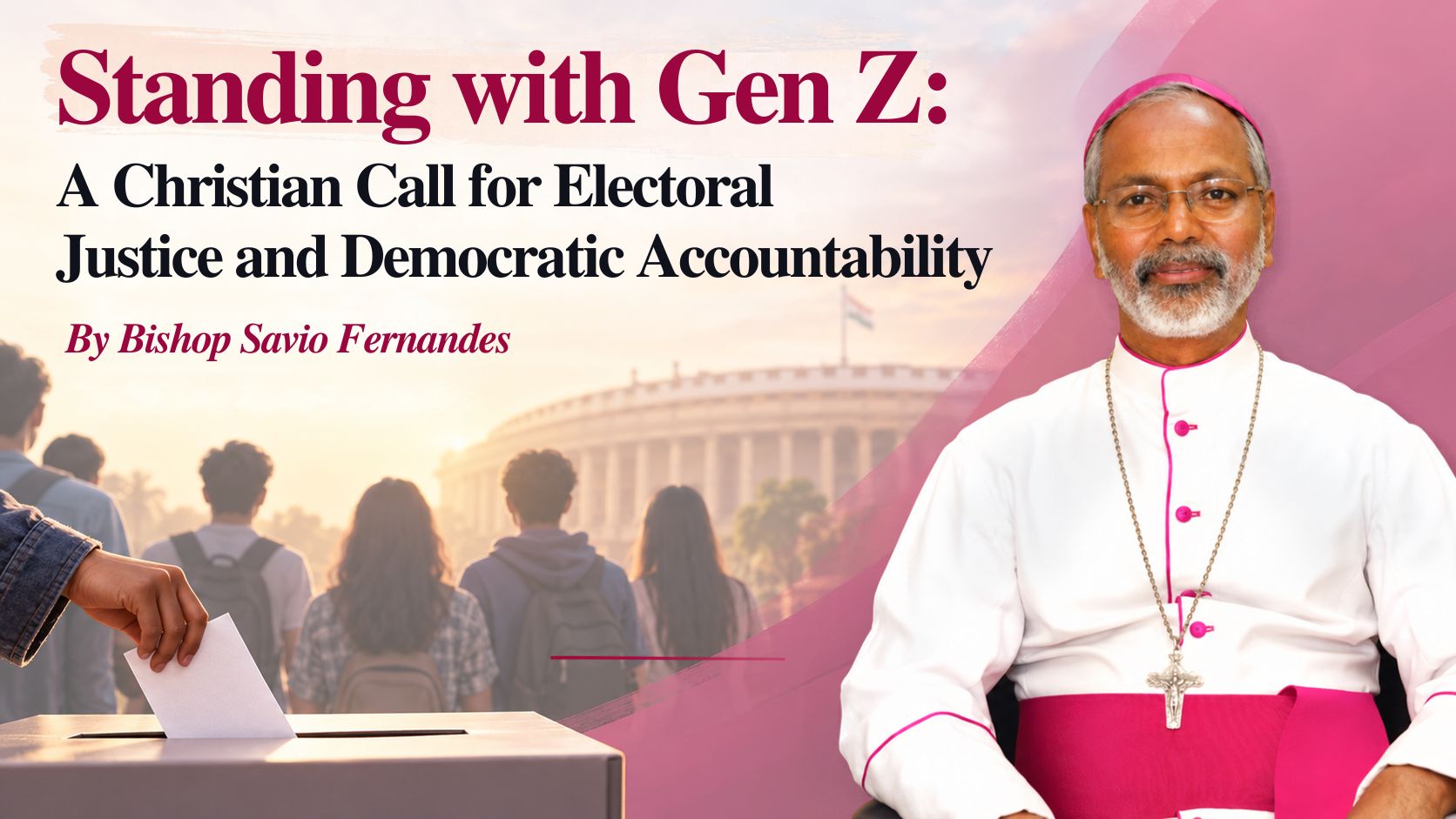
Oct 5, 2026: The Bible does not permit Christians to remain indifferent in the face of injustice. “Learn to do good; seek justice, correct oppression” (Isaiah 1:17). Throughout Scripture, the people of God are repeatedly called to defend the vulnerable, correct injustice and ensure that those entrusted with authority do not use it at the expense of others. The prophet Jeremiah gives a similarly urgent command: “Rescue from the hand of the oppressor anyone who has been robbed” (Jeremiah 22:3).



For the Catholic Church, therefore, the pursuit of justice is an essential part of her mission to defend the dignity of every human person, protect the vulnerable, uphold human rights and promote the common good. This responsibility becomes especially important when the integrity of democratic institutions is questioned. Democracy is not merely a mechanism for choosing governments. It is also a framework within which the dignity, rights and participation of citizens must be protected.
This is where the Catholic principle of participation becomes particularly relevant. The Church’s Social Doctrine insists that political authority exists for the common good; that fundamental rights must be protected; and that citizens have both the right and the responsibility to participate in the social and political life of their country. The Compendium of the Social Doctrine of the Church (CSDC) describes participation as a duty to be exercised consciously and responsibly for the common good and calls participation one of the pillars of democratic life (cf. CSDC nn. 190ff).
Recent reporting by The Indian Express has raised serious concerns about the functioning of the Election Commission of India and about differences within the Commission itself regarding electoral procedures. These reports deserve careful and impartial examination, as they raise serious questions that citizens have a legitimate right to ask and to which public institutions have a responsibility to answer with clarity and transparency.
The concern becomes more concrete when we look at electoral rolls. As per newspaper and media reports, the Special Intensive Revision (SIR) has resulted in the removal of more than 13 crore names from draft electoral rolls across 30 States and Union Territories. The Election Commission has explained that the exercise includes the removal of the names of people who have died, permanently migrated or have duplicate registrations. However, despite this explanation, we cannot dismiss the legitimate concerns of eligible voters (citizens of India) whose names disappeared from the rolls and who consequently could not exercise their constitutional right to vote.
According to reports, around 27 lakh voters were removed from the electoral rolls, more than 22 lakh subsequently appealed, and only a small number had been reinstated in time to vote in the Assembly election. A large number of appeals remained pending (Indian Express – Bangla; News9live). When a legitimate voter is excluded from an electoral roll, the matter is no longer merely an administrative inconvenience. It directly affects democratic participation.
If names disappear from electoral rolls, they must be accounted for. If eligible citizens are excluded, there must be a prompt and effective remedy. If procedures are changed, there must be transparency. If peaceful citizens protest, their constitutional rights must be respected. And if public institutions make mistakes, those mistakes must be acknowledged and corrected.
There is also a particular concern for the younger generation. The normal annual revision of electoral rolls, through which newly eligible citizens, including those turning eighteen, are ordinarily enrolled, has not been conducted after the 2024 cycle in the normal manner. Recent reporting has raised concerns about delays in enrolling first-time voters.
And this interruption of the normal process has nevertheless raised genuine concerns about whether young citizens are being enrolled in a timely and accessible manner. Legitimate concerns of Gen Z should not be trivialised. If a young citizen becomes eligible to vote, the democratic system should make participation reasonably accessible, timely and transparent. A democracy should not make its youngest citizens feel that their first encounter with citizenship is a struggle simply to establish that they belong on the electoral roll.
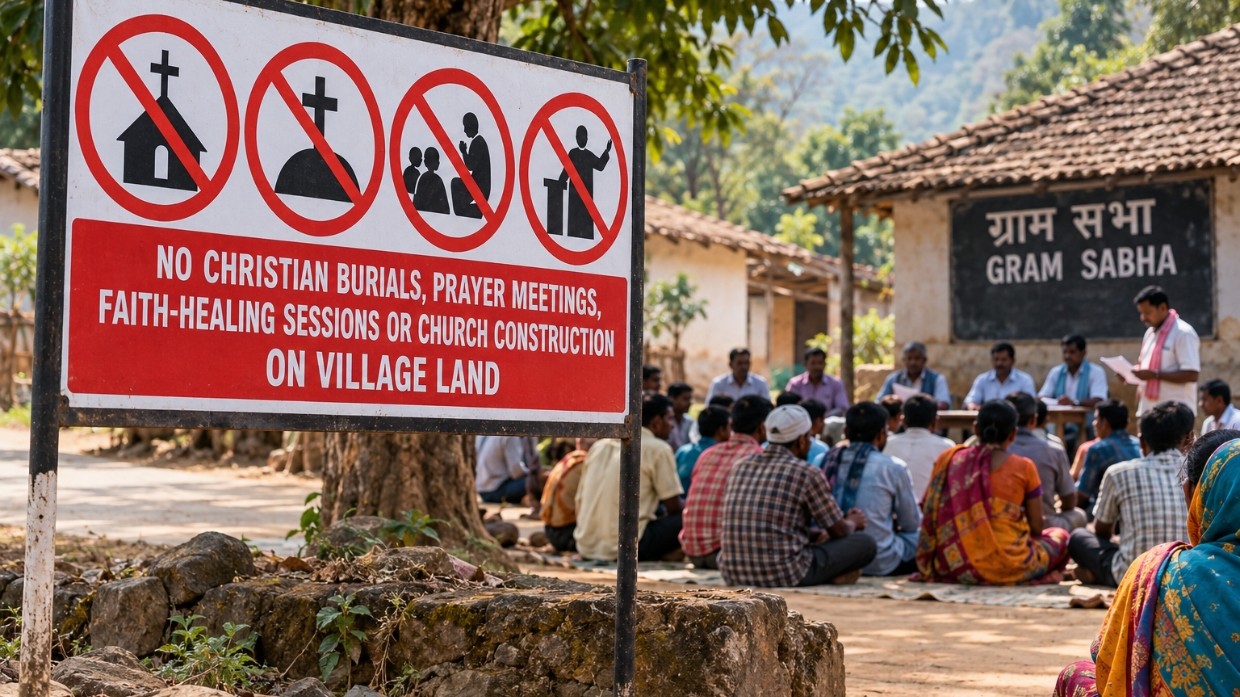
At Jantar Mantar in Delhi, protesters seeking to raise concerns about the Election Commission have faced barricading and detention. At Shivaji Park in Mumbai, permission for a proposed demonstration was denied on grounds including legal restrictions, civic requirements, noise and traffic considerations, although thousands subsequently gathered there.
The right to peaceful assembly and freedom of expression are protected by Article 19 of the Constitution, subject to lawful and reasonable restrictions. The State certainly has the authority to regulate demonstrations in the interests of public order, safety and the rights of others. But regulation must not become a means of extinguishing legitimate dissent.
Political authority is not absolute. It is morally legitimate when it is exercised within the limits of law and morality and directed towards the common good. The Catechism of the Catholic Church (CCC) teaches that authority is exercised legitimately when it acts for the common good and respects the rule of law rather than arbitrary power (CCC nn. 1903–1904).
A peaceful protest is not a crime simply because it is inconvenient to those in authority. Restrictions must have a lawful basis and must be proportionate to the legitimate public interest they seek to protect. Hence, the protests by young people and other citizens deserve to be heard rather than simply dismissed.
Jesus proclaimed that he had been sent “to proclaim release to the captives” and “to let the oppressed go free” (Luke 4:18). Hence, when the rights of citizens have been denied, their voices suppressed or their participation in public life restricted, i.e., when they are oppressed, the Church has no option but to support their right to participate fully and freely in the democratic life of their country.
As disciples of Jesus Christ, the Church stands beside every citizen—young or old, majority or minority—who peacefully seeks justice. She stands against hatred, communal division, violence and discrimination. She stands for the dignity of every human person, including Muslims, Christians and every other minority whose security and equal citizenship must be protected. She stands for the right of citizens to assemble peacefully, question those who exercise public power and demand answers.
The cause of Gen Z is, therefore, at its heart, the cause of every citizen: a democracy in which every person’s dignity matters, every legitimate vote counts, peaceful dissent is respected, and those entrusted with public power remain accountable to the people and to the Constitution.
By Catholic Connect Reporter


© 2026 CATHOLIC CONNECT POWERED BY ATCONLINE LLP