- 18 February, 2026

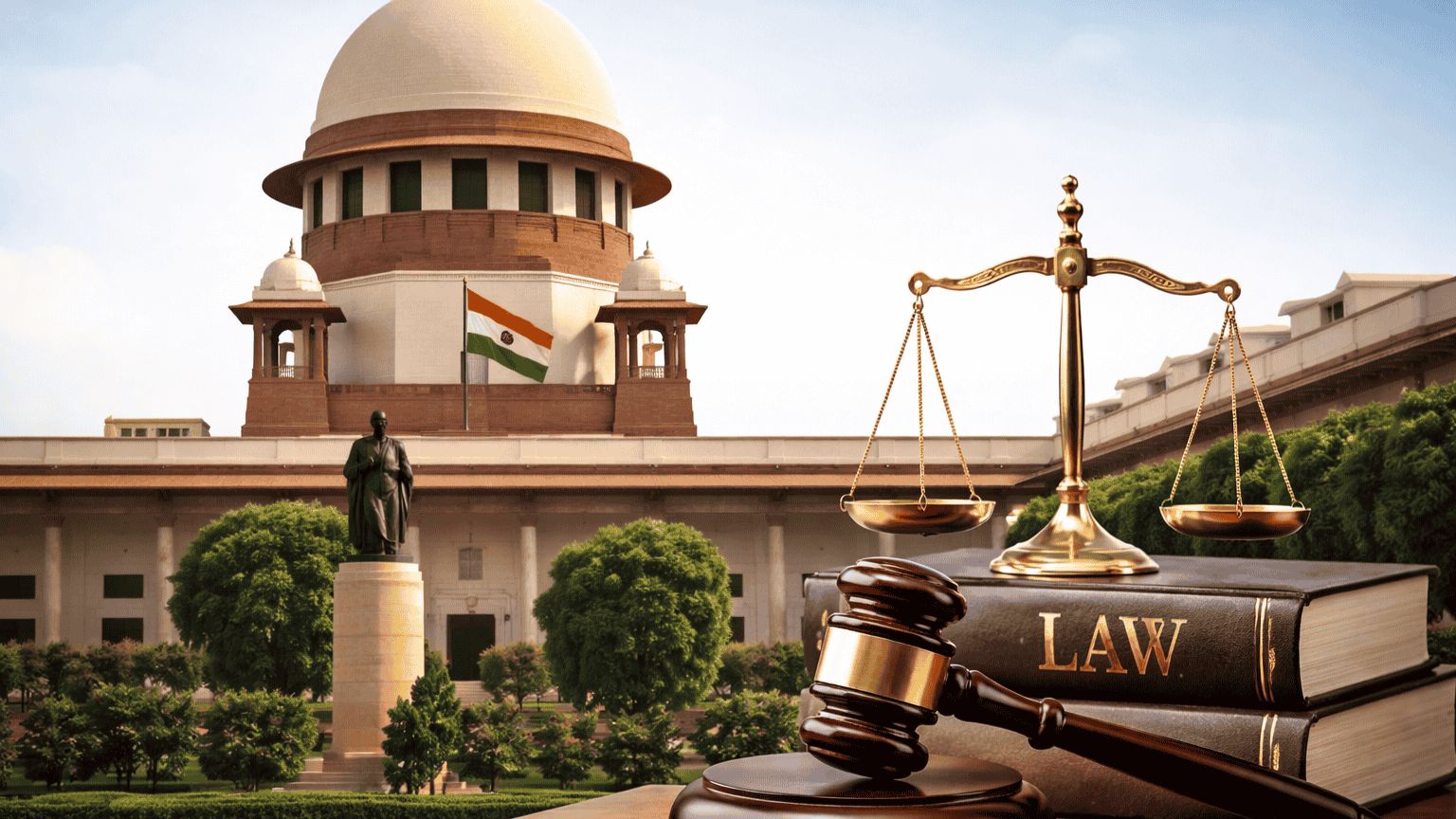
Delhi. Feb 18, 2026: The Supreme Court of India, on February 17, underscored that political parties and their leaders have a fundamental duty to promote fraternity and adhere to constitutional morality, cautioning against divisive rhetoric that could stigmatise communities or weaken public trust in the State.

The observation came during the hearing of a Public Interest Litigation (PIL) concerning alleged hate speech by Assam Chief Minister Himanta Biswa Sarma. The Bench, comprising Chief Justice of India Surya Kant and Justices B V Nagarathna and Joymalya Bagchi, stressed that elections must be contested on the basis of mutual respect and constitutional values.
The petition had sought a declaration that public speeches delivered in official or quasi-official capacities must conform to constitutional morality and reflect the principles of equality, fraternity and secularism, without violating individuals’ fundamental rights.




However, the Bench noted that the plea appeared to be “selectively targeted” at a particular individual. The CJI advised the petitioners to file a more objective petition focused on constitutional principles rather than singling out any specific person or party. “Let the petitioners not create an impression that they are against a particular party or individual,” he remarked. The Court consequently declined to entertain the PIL in its present form.
Senior Advocate Kapil Sibal, representing the petitioners—a group of 12 citizens including academic Roop Rekha Verma, former MP Mohammad Adeeb, activist Harsh Mander, Christian leader John Dayal, former Delhi lieutenant governor Najeeb Jung and others—argued that the public discourse had become increasingly toxic and required judicial intervention.
“We need to do something. Only your lordships can do something. This is becoming very toxic,” he submitted, adding that the petition “is not qua any individual”.
When the Bench pointed out that the material on record referred to speeches of only one individual, Sibal said he would delete the reference and urged the court to consider the broader constitutional issue.
The CJI, however, referred to the January 2023 Constitution Bench judgment in *Kaushal Kishor vs State of Uttar Pradesh*, observing that the legal position on hate speech and constitutional limitations had already been addressed. Justice Bagchi also cited other rulings, including *Amish Devgan*, noting that multiple guidelines have already been laid down. “From Kaushal Kishore to Amish Devgan, how many guidelines have we laid down? Responsibility lies with the political parties to implement as well,” he said.
Justice Nagarathna emphasised that restraint must come voluntarily from political actors. “There has to be restraint on all sides. Political leaders must foster fraternity in the country. Suppose we lay down guidelines…who will follow it,” she observed, underlining that political parties must not wait for judicial directions to regulate speech.
She further remarked, “Before the speech comes the thought. How can we control the thought?” Adding to this, the Court noted that the “origin of speech is thought”, indicating that leaders’ thinking must align with constitutional values of equality and fraternity. Justice Nagarathna added that it was essential to “erase thoughts which goes against the constitutional ethos.”
The Bench advised the petitioners to file a fresh plea concentrating on alleged violations of existing legal guardrails rather than framing it around a particular individual. Following this, Sibal informed the court that a revised petition would be submitted. The matter was adjourned for two weeks.
Courtesy: Indian Express



© 2026 CATHOLIC CONNECT POWERED BY ATCONLINE LLP