
- 22 November, 2026
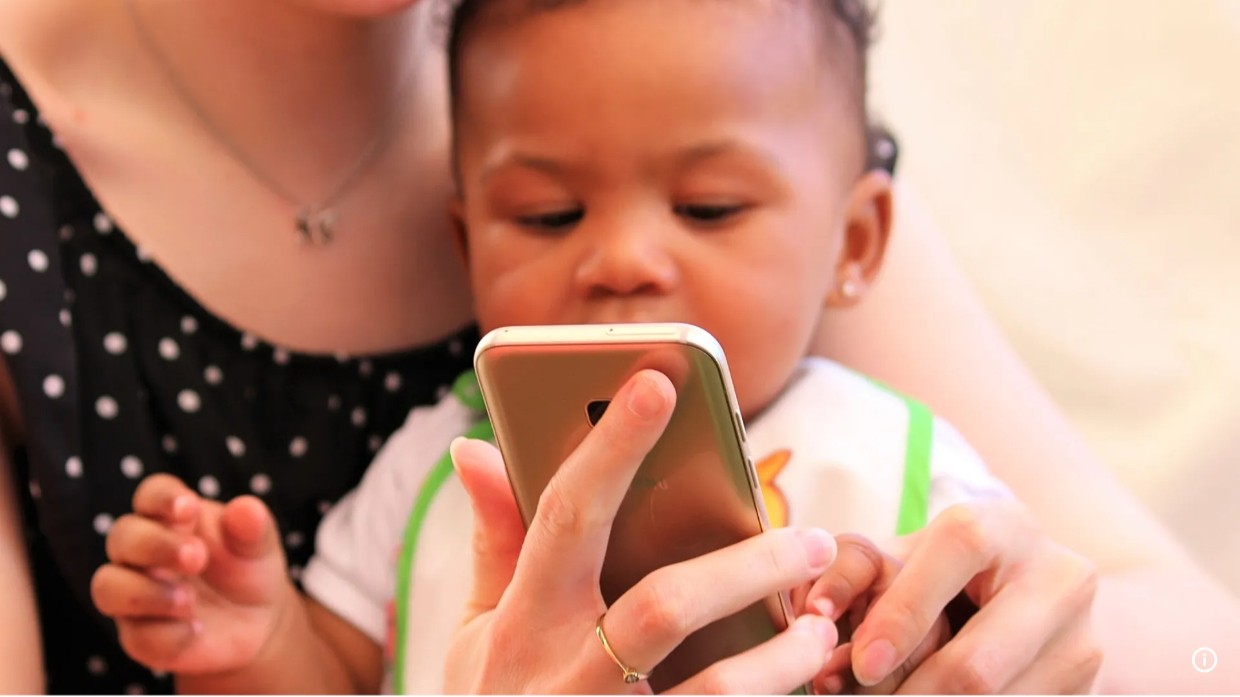
Lisbon, November 22, 2026: Parents’ excessive mobile phone use during their free time may be associated with delayed speech development in preschool children, according to a study conducted in Portugal.


Researchers from RISE-Health and the University of Aveiro examined the relationship between family functioning, digital device use and speech development among children aged three to five. The study, involving 93 Portuguese-speaking families, identified parental mobile phone use outside working hours, children’s nighttime tablet use and certain patterns of family relationships as factors associated with delayed speech development.
The findings highlight the importance of everyday interactions between parents and children in developing language skills. Researchers noted that when parents are frequently distracted by mobile phones, children may lose valuable opportunities for face-to-face communication, which plays a crucial role in speech development.
Maria Inês Gomes, a researcher at RISE-Health, stressed that parents have a central role in creating opportunities for children to communicate.
Talking, playing, singing and storytelling help children hear and practise speech sounds in meaningful contexts, she said. Allowing children sufficient time to respond, express themselves and initiate conversations is equally important.
The study also pointed to the influence of digital content and the circumstances in which children use electronic devices. Nighttime tablet use was among the factors associated with delayed speech development.
Researchers further observed that excessively close and dependent family relationships could restrict children's independence and limit the variety of situations in which they practise language skills.
When adults routinely answer questions on behalf of children or anticipate their needs, children may have fewer opportunities to participate actively in conversations. This could affect their autonomy and phonological development, Gomes noted.
The researchers called on parents to examine their own digital habits and prioritise direct communication and play in their children's daily routines.
They also underlined the role of schools and local authorities in supporting families to develop healthy digital habits, choose age-appropriate content and ensure responsible supervision of children's screen time.
The findings reinforce the importance of meaningful parent-child interaction during the preschool years, when the foundations of speech and language development are established.
Source: Euro News
Continue Reading on Catholic Connect App
Get access to exclusive news articles & more.
© 2026 CATHOLIC CONNECT POWERED BY ATCONLINE LLP