- 06 November, 2026
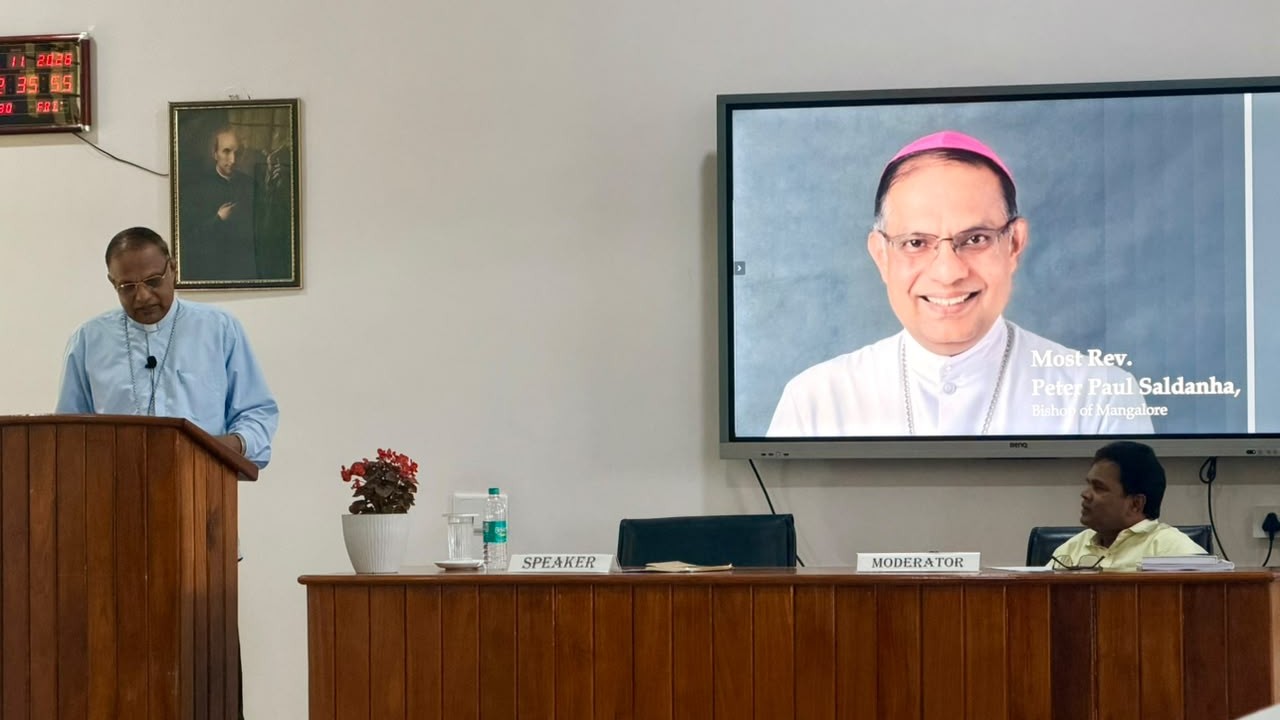
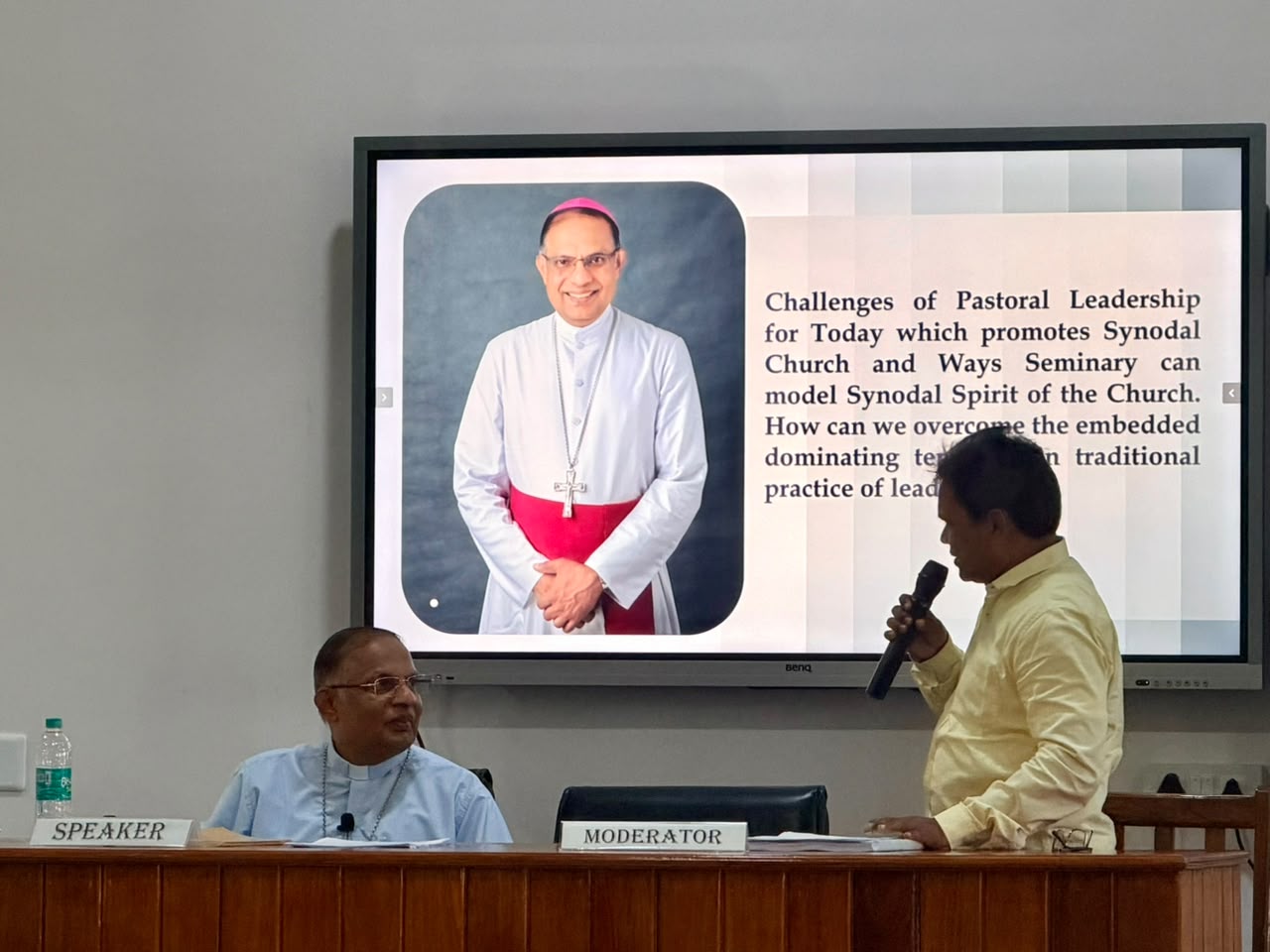
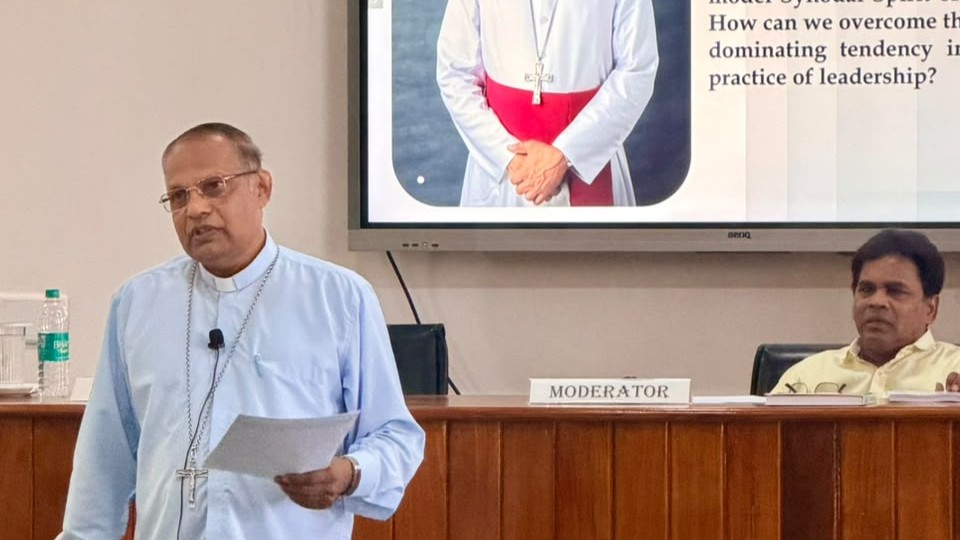
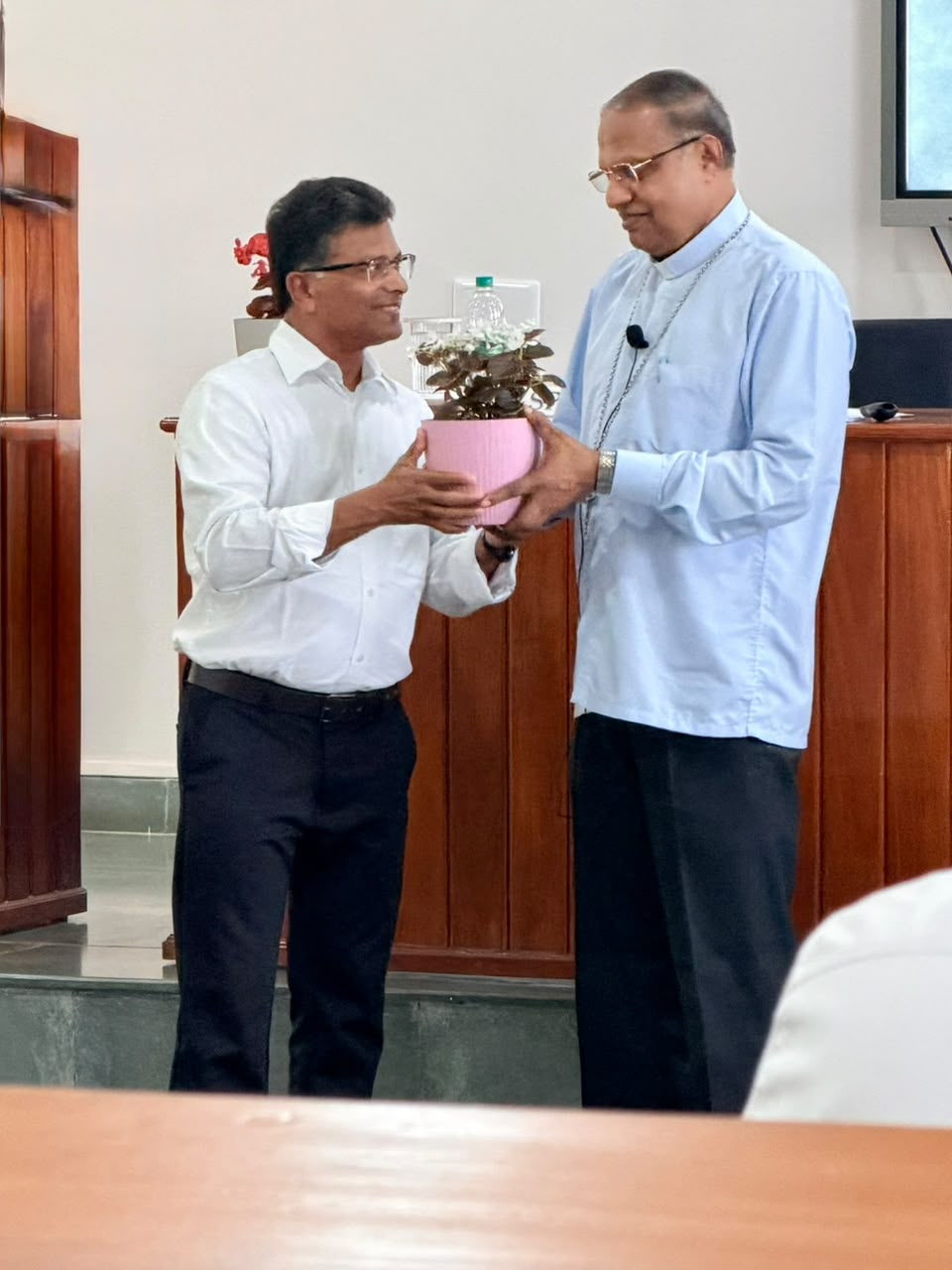
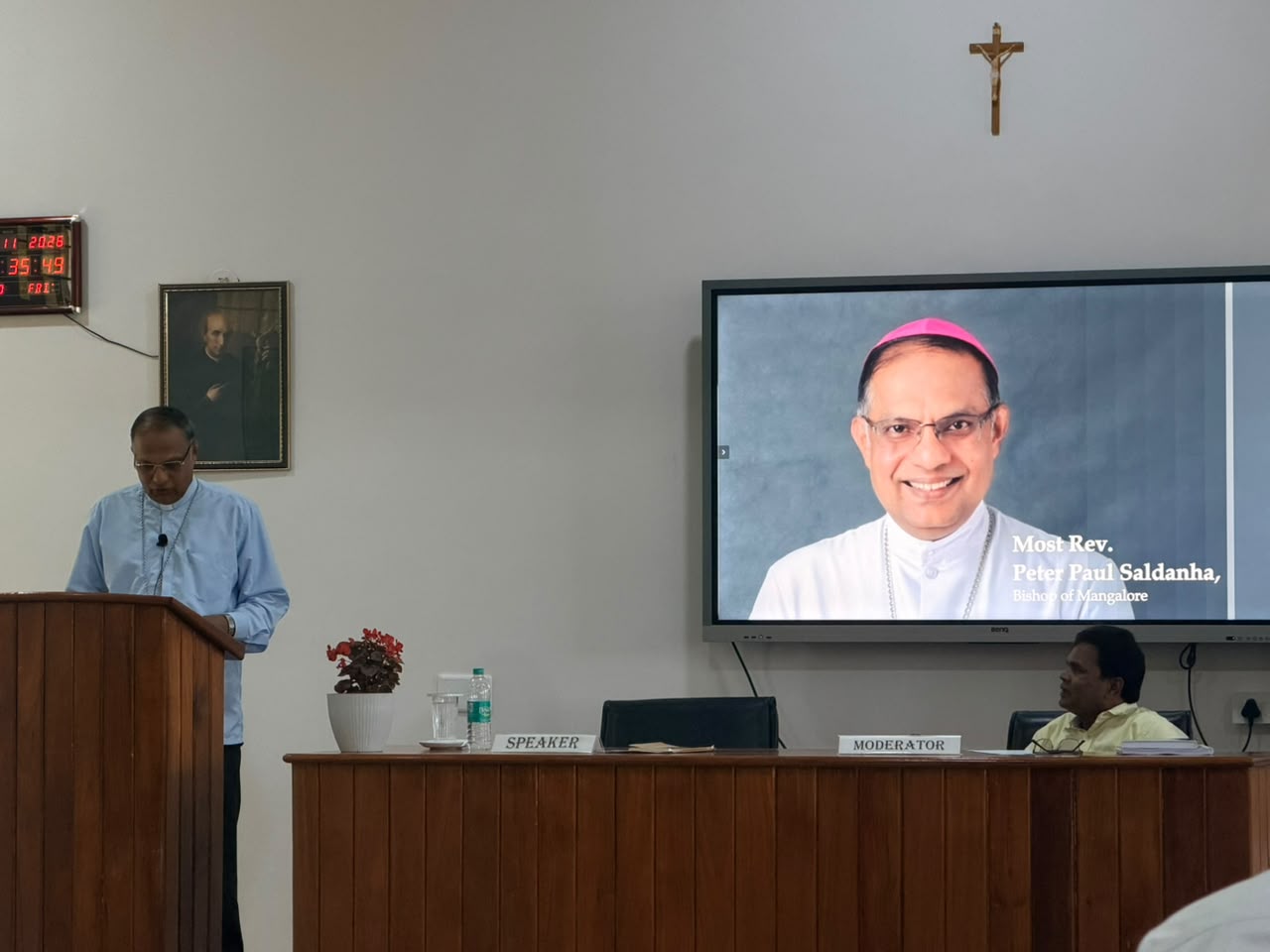
MYSORE, November 6, 2026: Bishop Peter Paul Saldanha of Mangalore has called for a shift from hierarchical models of Church leadership to a synodal approach rooted in service, accountability and shared responsibility, saying priestly formation must prepare candidates to serve alongside the People of God.


Addressing a symposium organised in Mysore on November 6 as part of the Pallottines’ Platinum Jubilee celebrations, Bishop Saldanha said the Church needed to move beyond clericalism and adopt leadership practices that encourage participation and accountability.
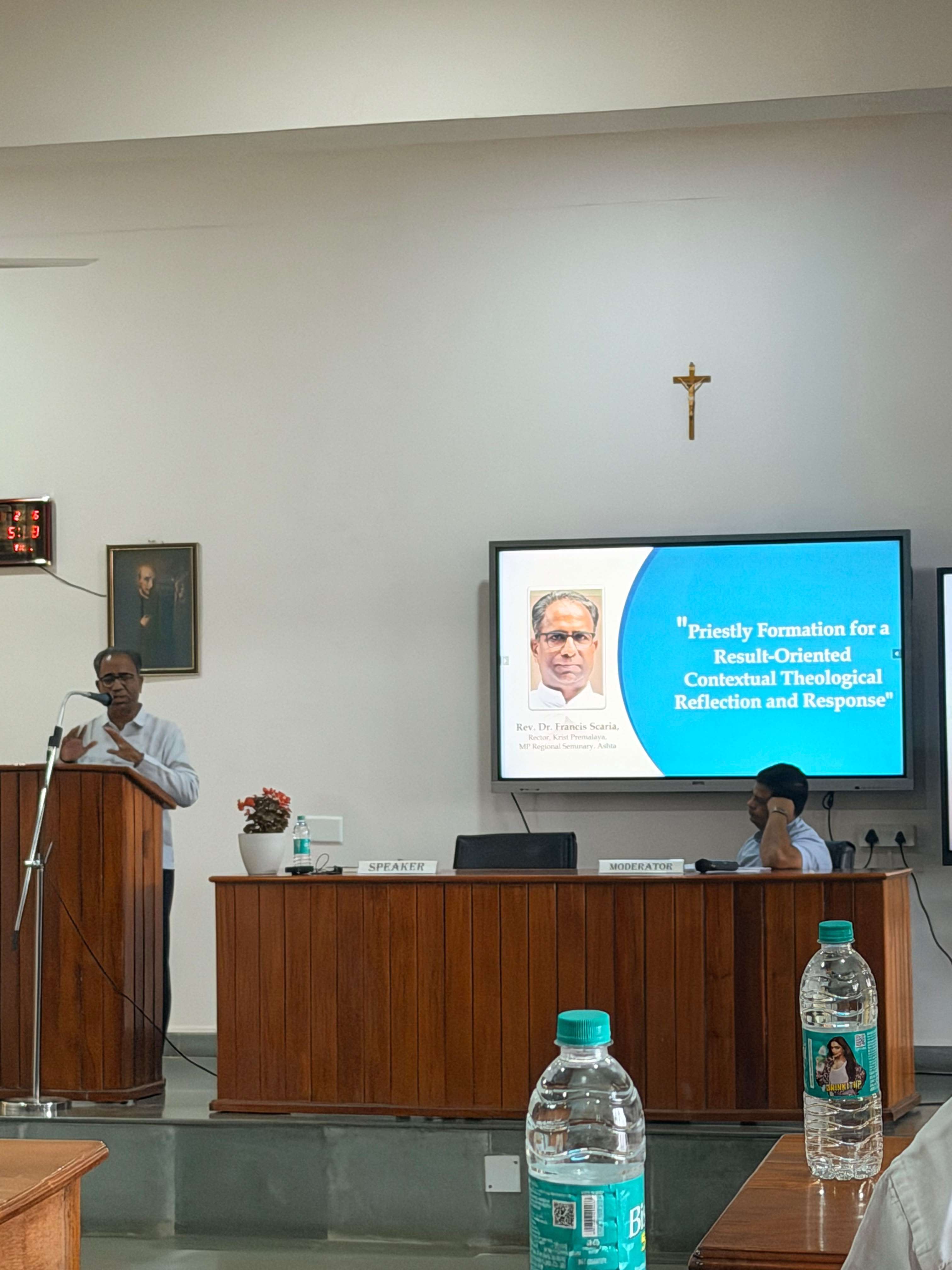
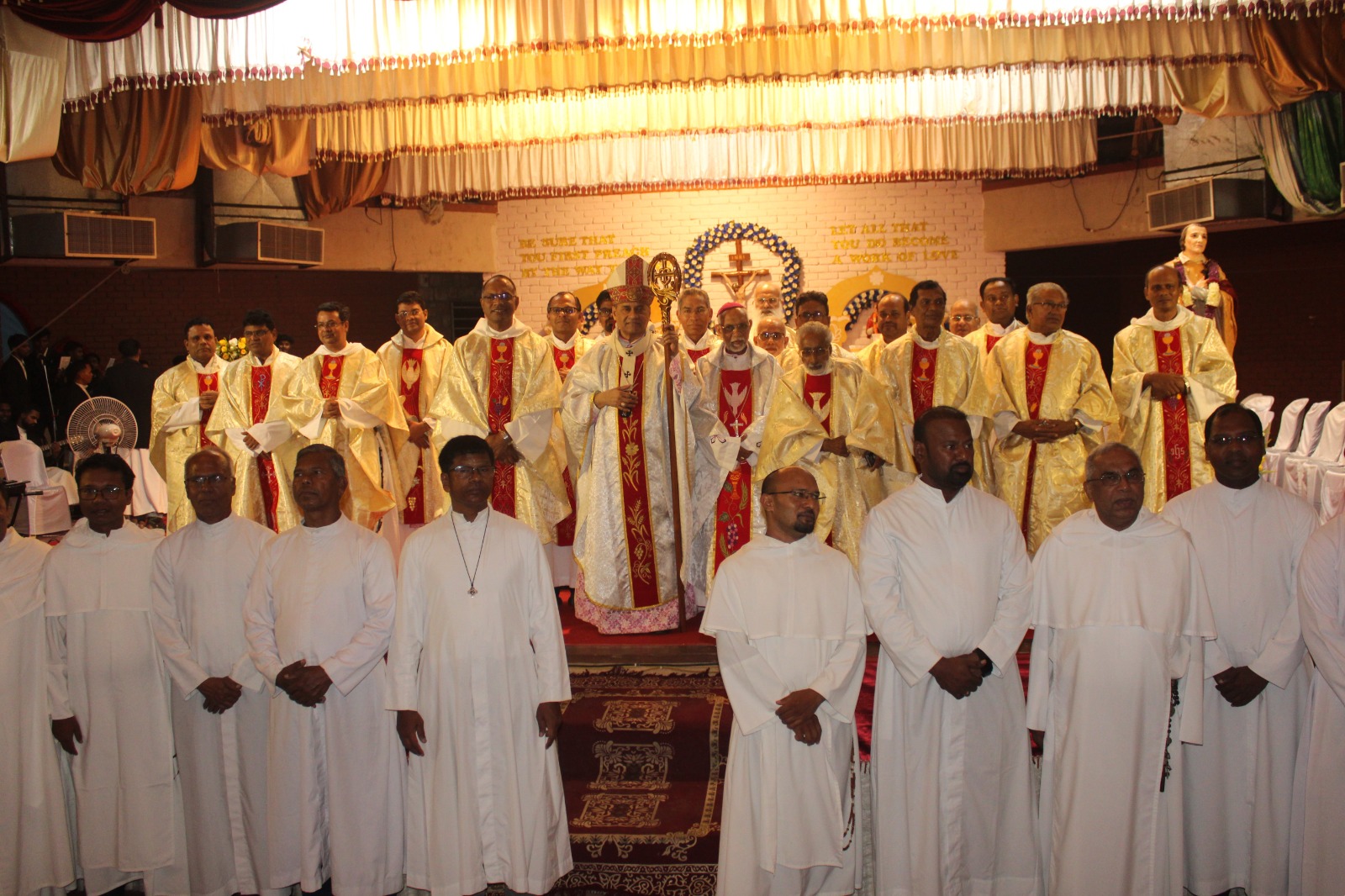
The symposium, titled “Bridging Formation and Ministry: Critical Challenges and Concerns in the Last Phase of Priestly Formation Today,” focused on the challenges involved in preparing seminarians for contemporary pastoral ministry.
Drawing on Pope Francis’ 2015 address marking the 50th anniversary of the Synod of Bishops, Bishop Saldanha described the Church as a synodal and missionary community in which pastors walk alongside the People of God. He invoked the image of an inverted pyramid, emphasising that authority in the Church must be exercised through service rather than domination.
Identifying clericalism as a major challenge, he said Church authority must be accountable, including in matters concerning lifestyle, pastoral planning and working conditions. Referring to paragraph 98 of the Synod’s Final Document, he called for critical evaluation of clergy as a safeguard against the misuse of authority. Seminaries, he said, should be the first places where a culture of accountability is cultivated.
He urged seminaries to form candidates within the life of the People of God rather than in isolation from them. This would require regular interaction with lay communities, greater participation of laypeople in formation and the involvement of qualified women as formators and counsellors.
Referring to paragraph 101 of the Synod’s Final Document, he also encouraged seminaries to learn appropriate leadership practices from civil society, including by inviting experienced secular leaders to train future priests.
Bishop Saldanha called for a missionary transformation of parish life, suggesting that parishes should become centres for forming missionaries rather than functioning merely as providers of pastoral services.
Addressing the Church's credibility crisis following abuse scandals, he stressed the importance of rigorous discernment, integrated human formation and the implementation of Vos Estis Lux Mundi, the Church's norms for addressing abuse and misconduct.
He also highlighted secularisation, digital culture, declining attention spans and artificial intelligence as challenges that priestly formation must address. Seminarians, he said, need to develop reflective and critical judgment and cultivate what he described as an “ecology of attention”.
Among the practical measures he proposed were establishing formation houses within parish communities, setting up moderator groups for personalised accompaniment and introducing the study of the Synod’s Final Document from the propaedeutic stage of formation.
He further recommended periodic evaluations involving the wider community, scrutiny processes that promote genuine listening and greater importance to the judgment of women. He also called for seminarians to experience the realities of people living on the social and existential margins.
Concluding his address, Bishop Saldanha recalled Christ’s teaching that authority in the Church must be understood through service.
By Fr. Carlos Luis, SAC
© 2026 CATHOLIC CONNECT POWERED BY ATCONLINE LLP