
image

He Carried the Cross… and Gave His Life for the World: The Sacred Truth of Good Friday

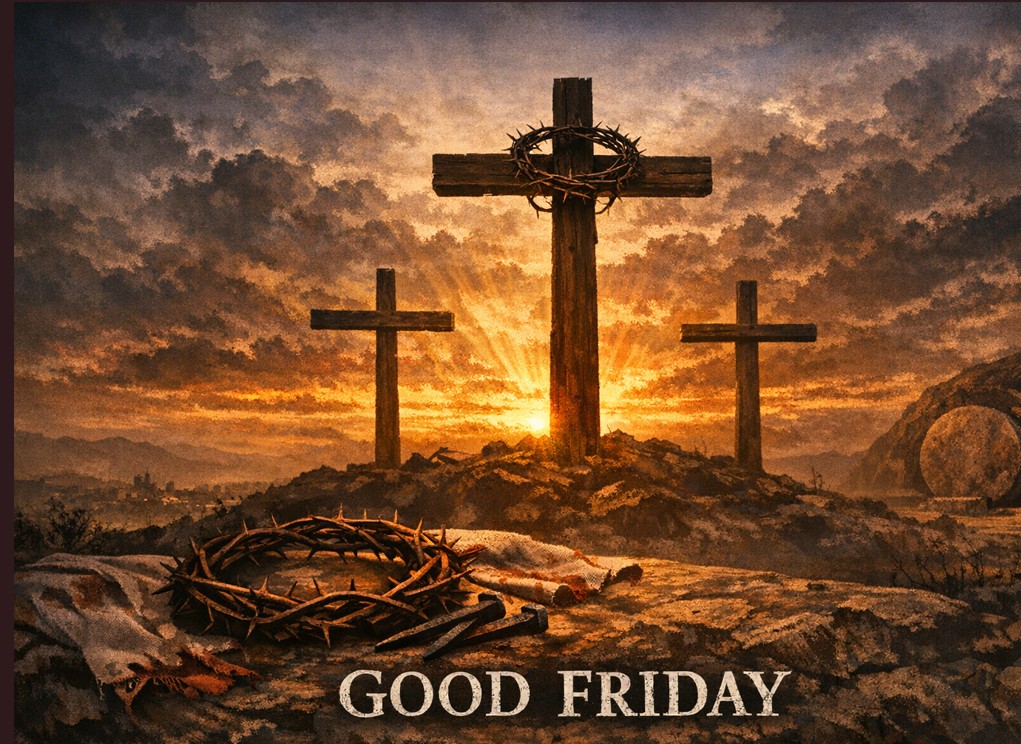
Vatican City, April 3, 2026: Good Friday stands at the very heart of the Catholic faith—a solemn day when the Church remembers the suffering, crucifixion, and death of Jesus Christ. Observed during Holy Week, this sacred day invites believers into deep reflection on Christ’s ultimate sacrifice, revealing a powerful mystery of love, redemption, and salvation.


Significance of Good Friday

Good Friday is a profound expression of sacrificial love and divine mercy.

  • It commemorates the crucifixion and death of Jesus Christ on the Cross.
  • The day reveals the depth of God’s love through Christ’s suffering for humanity’s salvation.
  • Though sorrowful, it is called “Good” because it led to redemption and the promise of eternal life.
  • In Catholic teaching, it represents the ultimate act of atonement, forgiveness, and victory over sin.


Historical Origins of Good Friday

Good Friday traces back to the earliest days of Christianity.

  • The events are recorded in the Gospels, describing Jesus’ trial, crucifixion, and death.
  • Early Christians observed this day as one of fasting, prayer, and mourning.
  • Initially, Christ’s Passion and Resurrection were celebrated together, but by the 4th century, they were observed separately.
  • Over time, Good Friday became a central part of the Holy Week liturgical structure.


Relevance in the Catholic Church Today

Good Friday remains one of the most sacred and solemn days in the Catholic Church.

  • It invites the faithful into silence, prayer, and deep contemplation.
  • The Church reflects on the Passion of Christ and His redemptive sacrifice.
  • Catholics observe fasting and abstinence as acts of penance.
  • It prepares believers for the hope and joy of Easter Sunday.


Interesting Stories and Biblical Events

Good Friday recounts the most intense moments of Christ’s Passion.

  • Jesus is arrested, tried, and sentenced to death by crucifixion.
  • He carries His cross to Calvary, enduring suffering and humiliation.
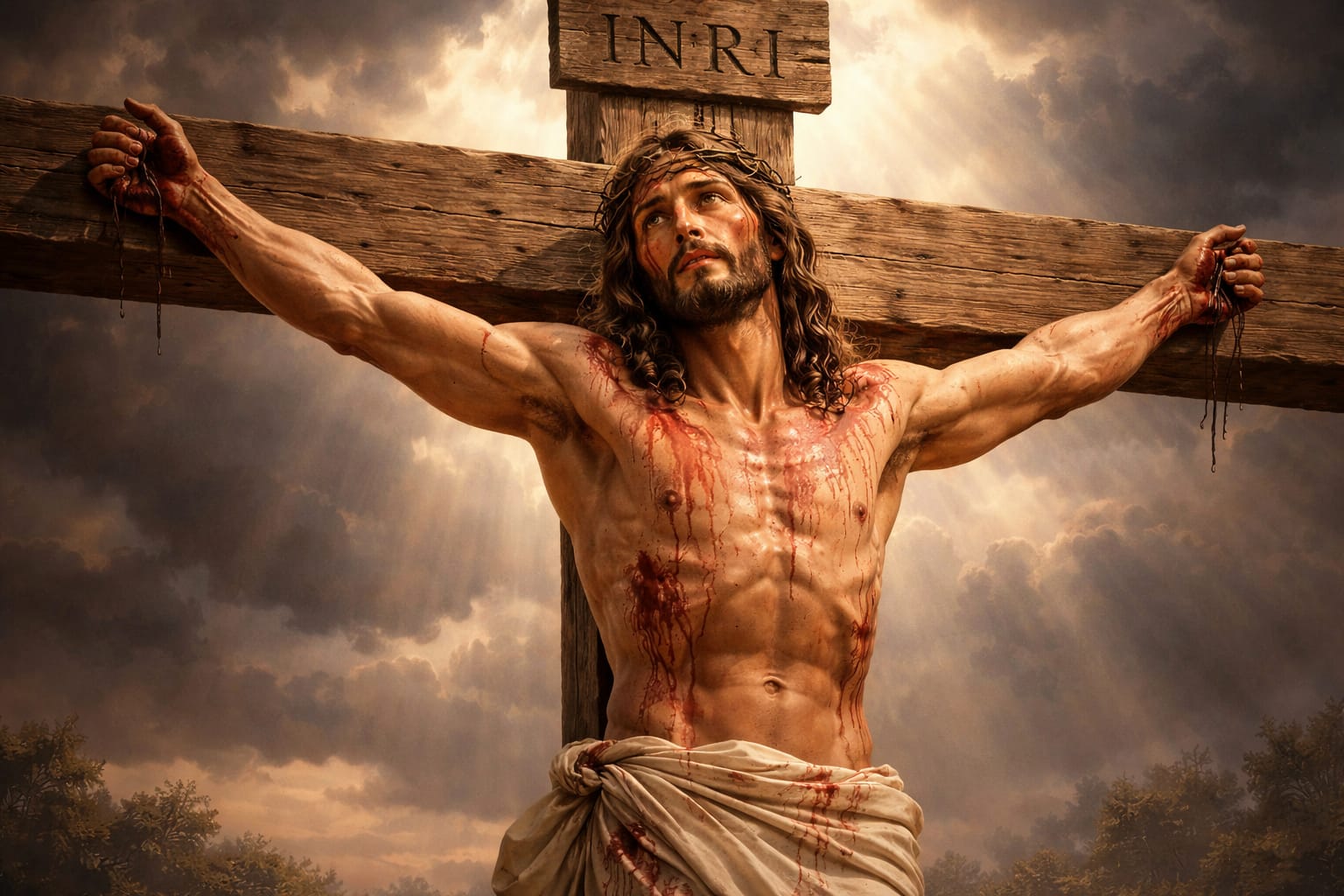
  • The crucifixion takes place, where He offers His life for humanity.
  • His final words from the Cross reveal forgiveness, love, and surrender.
  • The moment of His death marks a turning point in salvation history.


Insight: What appears as defeat becomes the greatest victory—transforming suffering into redemption.


When It Became Part of the Catholic Church

Good Friday has been observed since the foundation of the early Church.

  • From apostolic times, Fridays were kept as days of penance and remembrance.
  • By the 4th century, Good Friday was formally recognized within Holy Week.
  • Distinct liturgical practices developed, including readings of the Passion.
  • Modern reforms preserved ancient traditions while deepening participation.


Other Interesting Facts About Good Friday

  • It is the only day in the Catholic year when Mass is not celebrated.
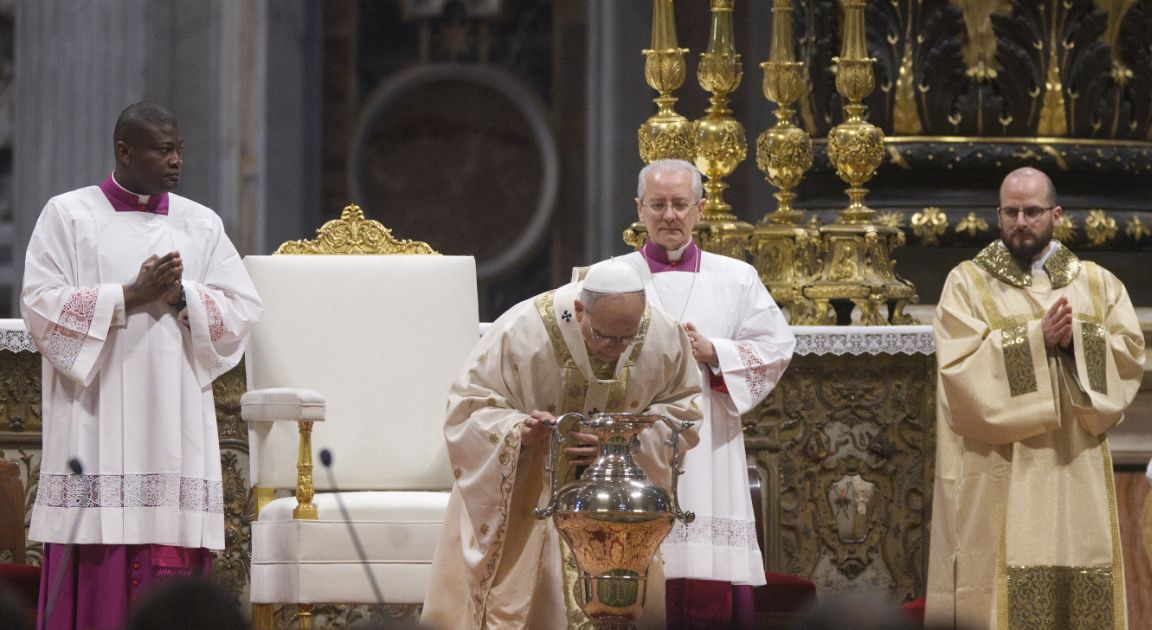
  • The liturgy includes the veneration of the Cross.
  • Communion is given using hosts consecrated on Holy Thursday.
  • The “Three Hours’ Agony” devotion reflects on Christ’s final moments.
  • It is observed globally with processions, prayers, and solemn services.


Good Friday stands as the ultimate witness to love that gives everything. It calls believers to pause, reflect, and recognize that through the Cross comes redemption, and through sacrifice comes new life.


By Catholic Connect Reporter


_________________________

Reflective Keywords : Good Friday Catholic meaning, Passion of Christ explained Catholic, Good Friday significance Catholic Church, crucifixion of Jesus meaning, Holy Week Good Friday reflection, Catholic fasting Good Friday, salvation through the Cross

© 2026 CATHOLIC CONNECT POWERED BY ATCONLINE LLP