- 31 August, 2026

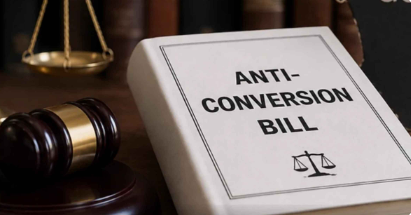


PANAJI, August 31, 2026: The Goa government has dropped the proposed Goa Prohibition of Unlawful Conversion of Religion Bill, 2026 from the agenda of the ongoing monsoon session of the State Legislative Assembly following objections from within the ruling camp and criticism from opposition parties.
Chief Minister Pramod Sawant was scheduled to introduce the Bill in the Assembly on Monday, the opening day of the monsoon session. However, shortly before the House proceedings began, Sawant held discussions with Catholic MLAs from the ruling side, after which the government decided not to move the legislation.
The proposed Bill was subsequently removed from the Assembly's Business List.


Independent MLA Alexio Reginaldo Lourenco said the government had decided not to table the Bill during the monsoon session, adding that several legislators, including members of the ruling side, had expressed strong reservations about the proposed legislation.
The development came only days after the Goa Cabinet approved the Bill.
The government had presented the proposed legislation as a measure to prevent religious conversions allegedly carried out through unlawful means. However, its proposed introduction generated political controversy, with critics warning that such legislation could deepen social divisions and contribute to communal tensions in a state known for its religious and cultural diversity.
The Bill sought to prohibit conversions allegedly carried out through force, coercion, undue influence, allurement, fraudulent means or marriage.
Among its proposed provisions were stringent penalties for those found guilty of unlawful conversion. The legislation envisaged imprisonment of up to life imprisonment and a minimum fine of Rs 50,000. It also proposed compensation of up to Rs 5 lakh for persons described as victims of unlawful conversion.
The proposed law further contained provisions relating to religious conversion in connection with marriage. A marriage could be declared void if it was found to have been solemnised solely for the purpose of facilitating an unlawful religious conversion or if conversion had been carried out through marriage.
Of particular concern to religious communities were provisions that could affect persons accused of facilitating unlawful conversions. Religious functionaries, including priests, karmkandis, maulvis and mullas, could face imprisonment ranging from three to 10 years if found guilty under the proposed law.
The Bill also envisaged enhanced penalties in cases involving persons considered vulnerable, including minors, women, persons with disabilities or mental illness, and members of the Scheduled Castes and Scheduled Tribes.
The government's decision to withhold the Bill has highlighted the political and social sensitivity surrounding religious conversion legislation in Goa.
Although the state Cabinet had approved the proposal, objections from legislators within the ruling camp appear to have contributed to the decision not to introduce it in the Assembly. Opposition parties had also criticised the proposed law, warning that it could create unnecessary divisions and fuel communal tensions.
For the Catholic community and other religious minorities, the decision to remove the Bill from the current Assembly agenda will be closely watched, particularly in view of concerns surrounding laws that regulate religious conversion and their possible impact on religious freedom and pastoral ministry.
The government's decision, however, does not necessarily mean that the proposed legislation has been abandoned. The Goa government has not yet clarified whether it intends to revise and reintroduce the Bill at a later date.
For now, the controversial legislation will not be considered during the ongoing monsoon session, marking a significant setback for a proposal that had generated concern and opposition soon after receiving Cabinet approval.
Source: The Goan

© 2026 CATHOLIC CONNECT POWERED BY ATCONLINE LLP