- 21 July, 2026

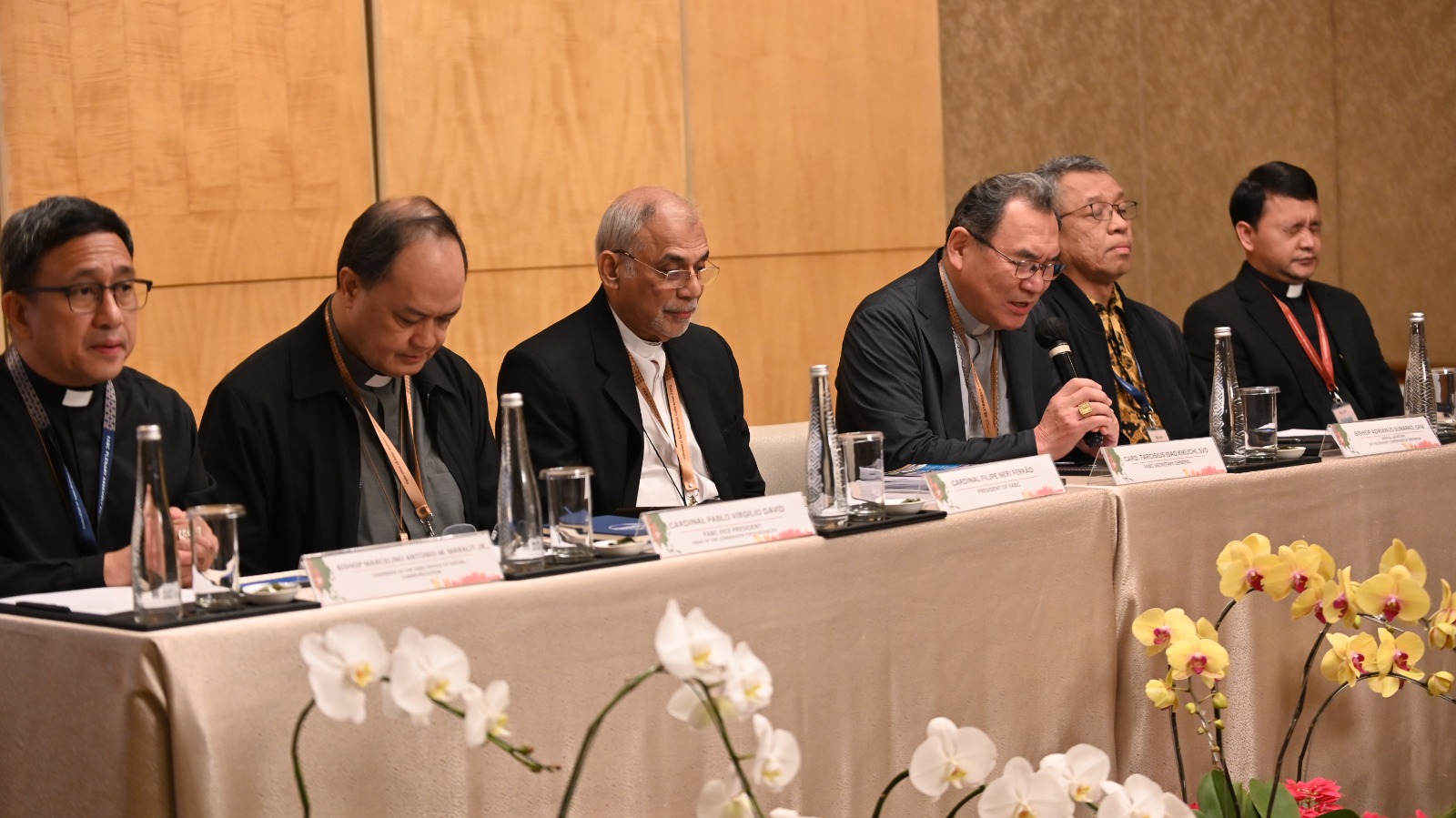
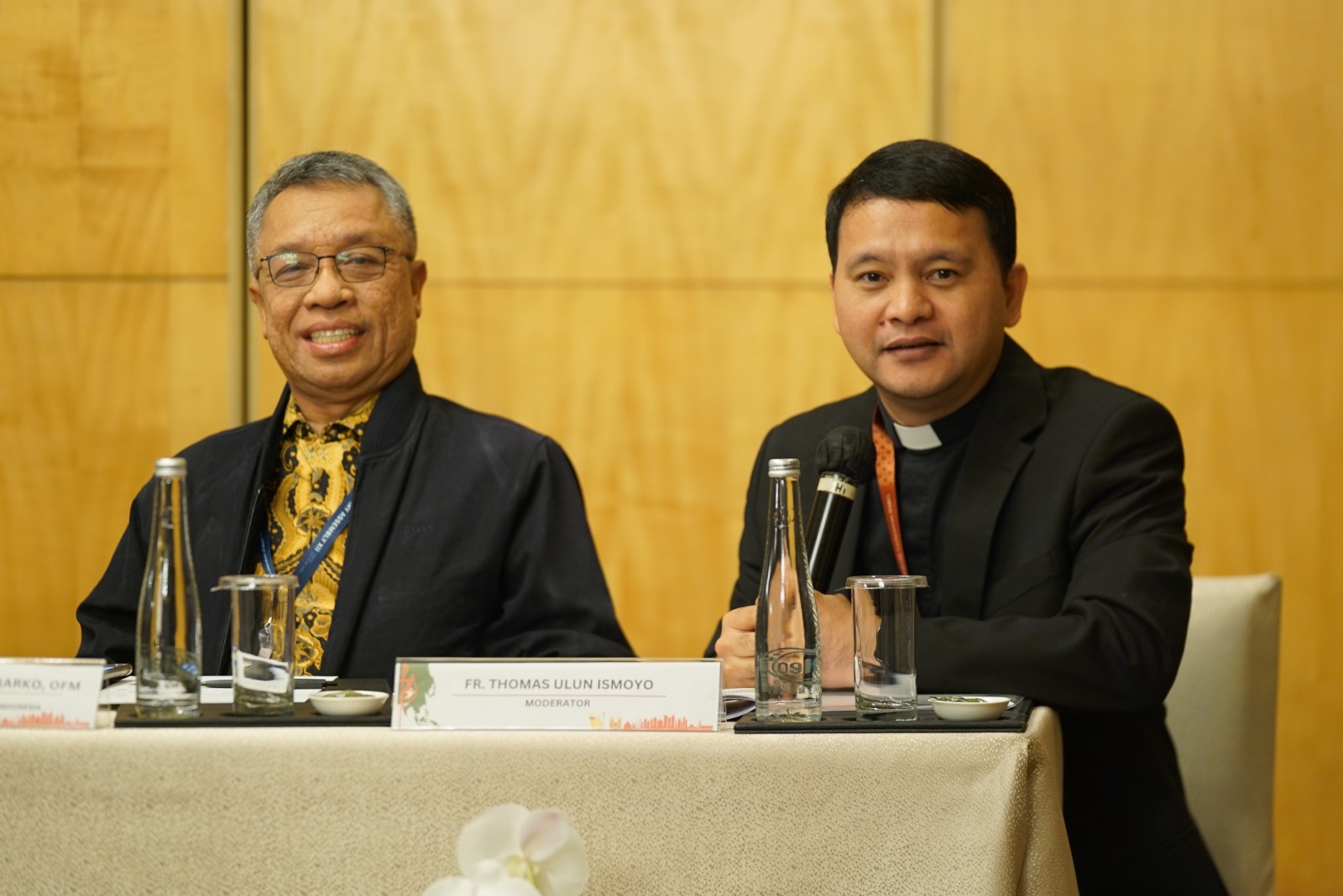
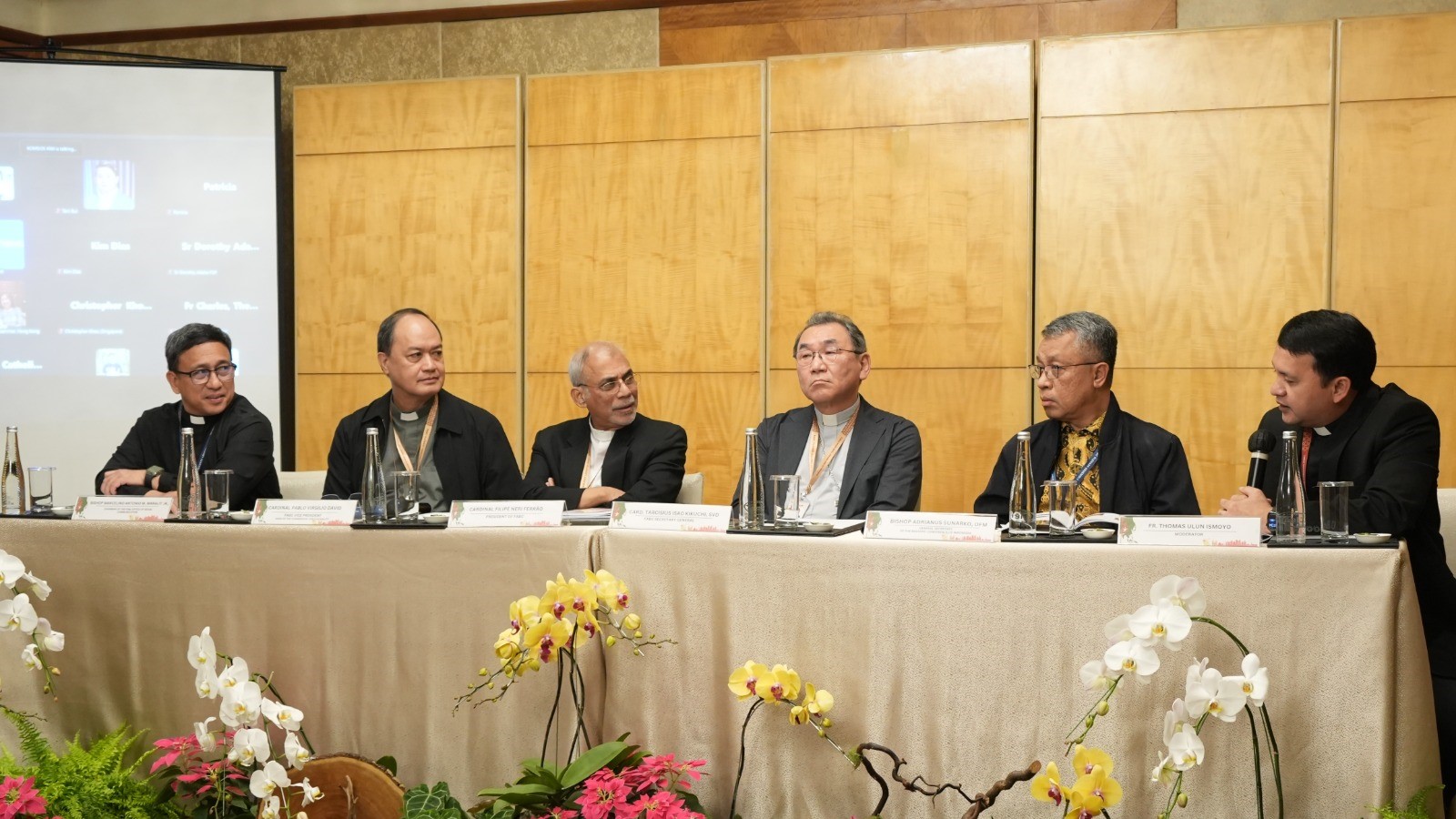
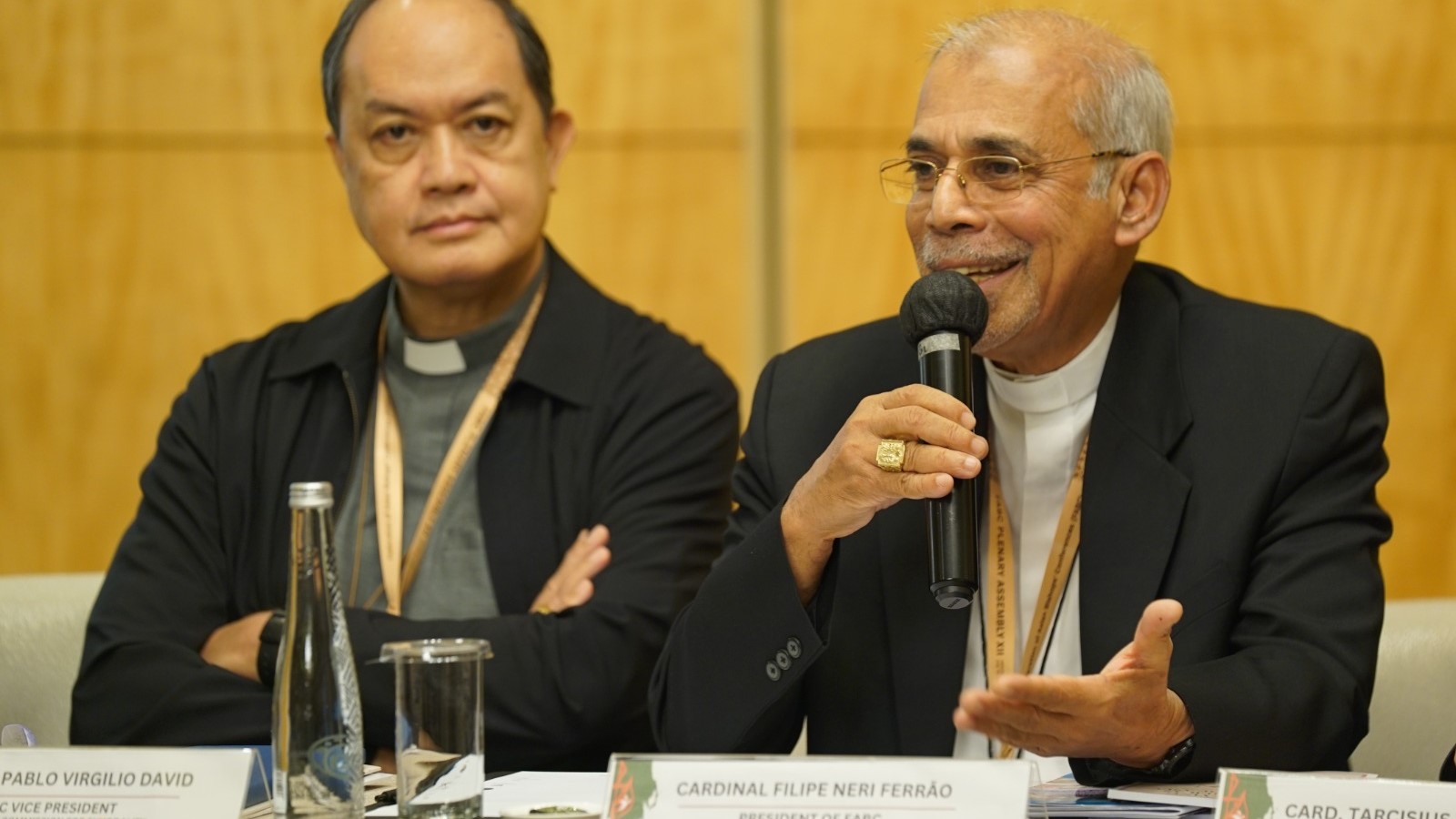
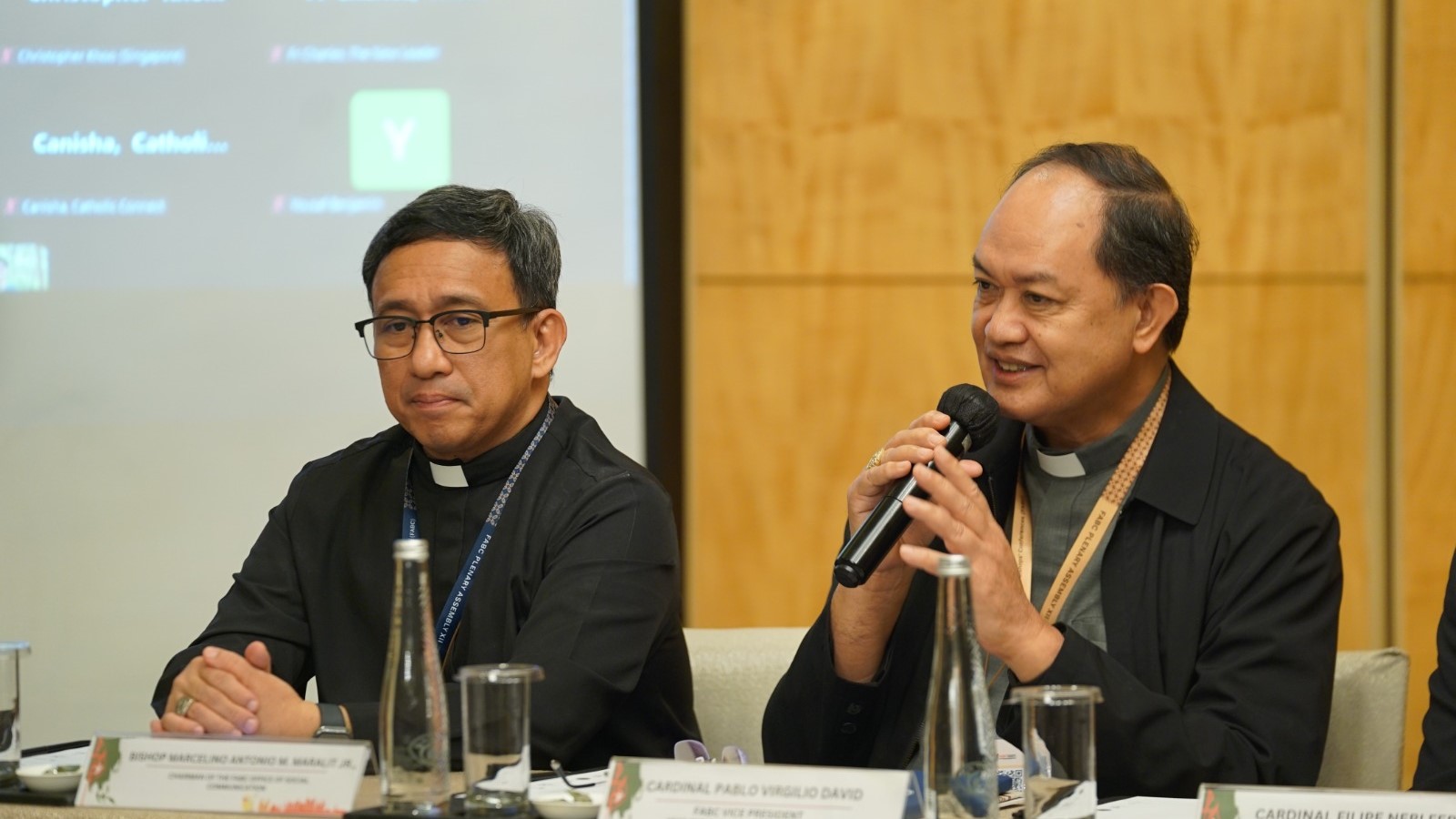
Jakarta, July 20, 2026: The 12th Plenary Assembly of the Federation of Asian Bishops' Conferences (FABC) opened in Jakarta on July 20 with a strong call for the Church in Asia to embrace deeper synodal conversion and become a "bridge and bridge builder" in a continent marked by immense religious, cultural and ethnic diversity.


The week-long assembly, attended by more than 120 cardinals, bishops and Church leaders from the FABC's 22 member Episcopal conferences and ecclesiastical jurisdictions across Central, East, South and Southeast Asia, is being held under the theme, "A Call to Synodal Conversion and the Mission to be Bridges and Bridge Builders in Asia." The gathering will conclude on July 26.
Addressing journalists before the opening session, Bishop Marcelino Antonio Maralit Jr., Secretary General of the FABC, said the assembly marks a significant moment for the Church following the FABC 50 General Conference in Bangkok, the conclusion of the Synod on Synodality in 2024 and the ongoing Jubilee Year.


He said the assembly aims to discern how the Church in Asia can become more participatory, missionary, transparent and attentive to the guidance of the Holy Spirit while promoting dialogue, reconciliation, peace and human dignity.
Bishop Maralit stressed that the gathering is intended to be "much more than a conference" and described it as "a genuine synodal experience." Participants will engage in Eucharistic celebrations, common prayer, spiritual reflection, conversations in the Spirit, regional discussions and communal discernment to identify practical ways of implementing synodality in the life and mission of local Churches throughout Asia.
The assembly is expected to conclude with two key documents: the first, a final document envisioned as a practical guide to synodality in Asia, offering pastoral guidance to local Churches across the continent; and the second, a message to the Church in Asia encouraging Catholics throughout the region to continue the journey of synodal renewal.
Church Called to Be a Bridge
Responding to questions on the persecution of Christians in several Asian countries, Cardinal Filipe Neri Ferrão, President of the FABC, said the Church must respond through dialogue, reconciliation and peace-building rather than confrontation.
"The Church believes that even in a hostile environment, it has a special role of being not only a bridge builder but a bridge itself," he said.
Cardinal Pablo Virgilio David pointed to Indonesia as an example of peaceful coexistence among different faith communities. Referring to the country's Pancasila principles, he said shared values unite people more than religious differences divide them.
He also observed that the FABC increasingly uses the expression "neighbour religions" instead of "other religions," reflecting its commitment to fostering deeper interreligious dialogue.
Women's Leadership and Synodality
Speaking on the role of women in the Church, Cardinal David said the subject remains one of the major priorities emerging from the Synod on Synodality, with a Vatican study group continuing its work on the issue.
While acknowledging that many Asian societies remain influenced by patriarchal structures, he praised the significant contribution of women in local Churches, describing them as "very dynamic" in leadership and pastoral ministry.
Drawing inspiration from John 1:50, Cardinal David said the assembly looks forward to seeing "greater things" through authentic synodal conversion.
He recalled that the FABC's vision of dialogue encompasses four inseparable dimensions: dialogue with religions, cultures, the poor and creation. He said the Church seeks to deepen collaboration with people of other faiths, strengthen respect for Asia's cultural diversity, stand in solidarity with the poor and intensify its commitment to ecological stewardship.
Beyond Charity to Social Transformation
Addressing poverty and inequality, Cardinal David said the Church's mission cannot be limited to charitable assistance but must also confront the structural causes of poverty through community empowerment and social transformation.
Although Asia has witnessed rapid economic development, he noted that many communities continue to remain excluded from its benefits.
On the climate crisis, Cardinal David said the Church can no longer ignore the growing ecological emergency. Cardinal Ferrão described climate change as not only an environmental challenge but also a profound moral and ethical concern.
He revealed that the episcopal conferences of Asia, Africa and Latin America have jointly prepared a common statement on climate justice and ecological conversion as part of their shared commitment to protecting creation.
Synodality Rooted in Baptism
Responding to a question on clericalism, Cardinal David said the Church must first acknowledge the problem before addressing it effectively.
He explained that synodality promotes shared responsibility for the Church's mission by recognising the gifts of the Holy Spirit present among bishops, priests, religious and lay faithful alike.
"It is not one sector lording it over another," he said, emphasising that all the baptised possess equal dignity.
Cardinal Ferrão echoed the same vision, recalling the teaching of the Second Vatican Council that the Church's fundamental equality flows from baptism. Referring to the Church in India, he noted that a new pastoral plan has been developed to strengthen communion, participation, listening and communal discernment.
He added that synodality is "not so much a strategy or methodology" but "a spirituality that is based on baptism."
Faith Must Influence Society
Speaking on corruption, Cardinal David described it as a serious challenge facing many Asian societies and warned against separating religious practice from public life.
He said faith must not remain confined to liturgical celebrations but should shape personal conduct and public responsibility.
Cardinal Ferrão added that concerns such as poverty, corruption and social injustice would naturally form part of the bishops' discernment during the assembly as they seek to understand what the Holy Spirit is asking of the Church in Asia today.
Concluding the press conference, Cardinal Ferrão thanked journalists for their service to the Church, particularly through digital media.
"In Asia, interreligious dialogue and harmony is not an option; it is an imperative," he said, underscoring that dialogue remains essential for the Church's witness and mission in one of the world's most religiously and culturally diverse continents.
By Catholic Connect Reporter


© 2026 CATHOLIC CONNECT POWERED BY ATCONLINE LLP