- 02 November, 2026


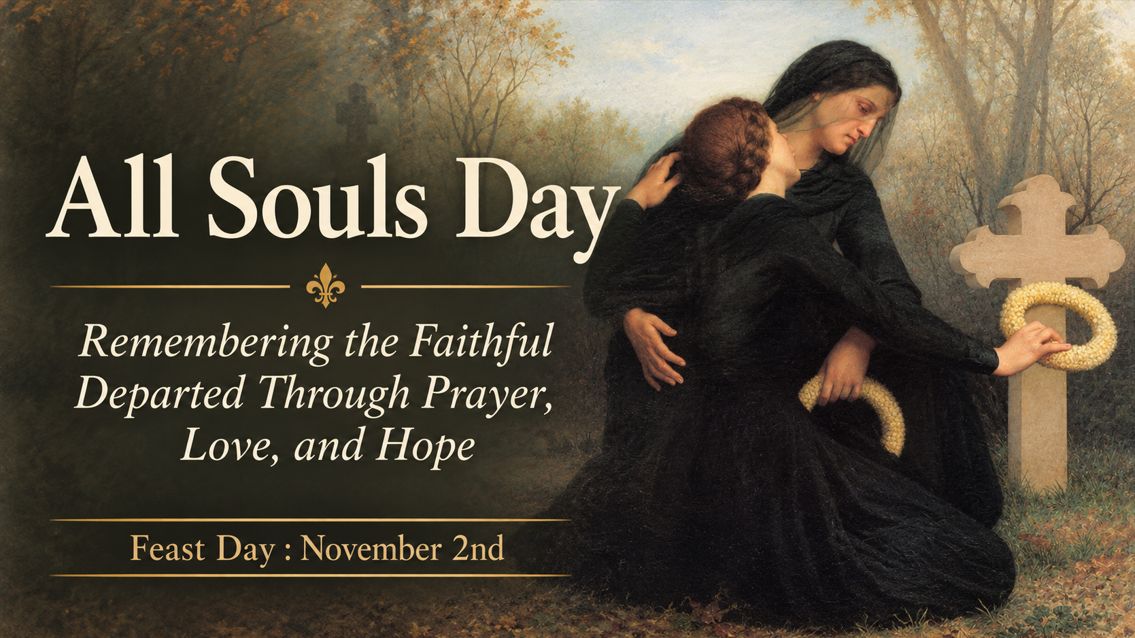
Nov 2, 2026: Losing someone you love can change the way you see the world. Whether it is the death of a spouse, parent, child, sibling or close friend, the absence of someone who was once part of your everyday life can leave a space that words cannot adequately describe. Familiar routines feel different, memories become overwhelming, and even ordinary days can seem difficult to get through.



Grief is deeply personal, and there is no fixed timeline for healing. While the pain of losing someone may never disappear completely, it is possible to find comfort, rediscover purpose and gradually embrace life again. Here are seven ways to navigate grief while holding on to faith, hope and the memories of someone you love.
1. Allow Yourself to Grieve
You do not have to pretend to be strong or suppress your tears. Grief can bring sadness, anger, confusion, loneliness and even guilt. These emotions are natural responses to losing someone important. Some days may feel manageable, while others may bring back the pain unexpectedly. Give yourself the time and space to experience these emotions without judging yourself.
2. Do Not Isolate Yourself
Withdrawing from others can sometimes feel easier than explaining what you are going through. However, having the support of family, friends or people who have experienced a similar loss can make the journey less overwhelming. You do not always need someone to offer advice. Sometimes, having someone listen without judgement or simply sit beside you can bring comfort.
3. Cherish the Memories
Remembering someone you love is an important part of grieving. Looking through photographs, sharing stories, revisiting meaningful places or continuing traditions can help you honour the relationship you shared. You can hold on to those memories while gradually making room for new experiences. Finding happiness again does not mean forgetting the person you lost.
4. Take Care of Your Well-being
Grief affects both emotional and physical health. It can disturb sleep, affect appetite and make everyday responsibilities feel exhausting. Try to maintain simple routines, eat regularly, get enough rest and spend time outdoors. Be patient with yourself as you gradually return to daily activities. If grief becomes overwhelming or affects your ability to function, speaking to a grief counsellor or mental health professional can be helpful.
5. Turn to God, Even When You Struggle to Pray
Loss can raise difficult questions about faith. You may wonder why God allowed it to happen or find it difficult to pray. Remember that Jesus Himself wept at the death of His friend Lazarus (John 11:35). His tears remind us that sorrow is not contrary to faith.
Spend time in prayer, attend Mass, pray the Rosary or simply sit quietly before God. Even when words fail, you can bring your pain into His presence. Christian hope reminds us that death does not have the final word and that, through Christ's Resurrection, we look forward to eternal life.
6. Give Yourself Permission to Be Happy Again
After losing someone, enjoying life again can sometimes bring feelings of guilt. You may wonder whether laughing, celebrating occasions or forming new relationships means you are moving away from the person you lost.
But happiness does not diminish the love you shared. You can continue to cherish someone's memory while finding joy in the present. Allow yourself to experience new friendships, pursue interests and appreciate life's simple moments without feeling that you are being unfaithful to the past.
7. Remain Open to the Possibilities Life Holds
For those who have lost a spouse, the thought of what the future might hold can bring many emotions. With time, some widows and widowers may find themselves considering companionship or even marriage again. For others, a fulfilling life may take a different shape, centred on family, children, friendships, faith, work or personal interests.
Both are meaningful ways of moving forward. If the possibility of marriage comes into your thoughts, it is perfectly natural to explore what that might mean for you, at your own pace. A new relationship does not replace the person you lost or erase the memories you shared. It can simply become another chapter in your life.
There is no single path or timeline for rebuilding life after loss. What matters is finding peace with the journey you choose, without feeling pressured by the expectations of others.
Finding Hope Beyond Loss
Losing someone you love may change your life, but it does not take away your capacity to love, hope or experience happiness.
As Catholics, we entrust those who have died to God's mercy, finding comfort in the promise of eternal life. This hope does not take away the pain of separation, but it reminds us that love remains meaningful even in the face of death.
Healing does not mean forgetting. It means gradually learning to live with the memories, finding gratitude for the time you shared and allowing yourself to embrace the possibilities that lie ahead. Whatever your next chapter looks like, may you find the grace, strength and courage to live it with hope.
By Catholic Connect Reporter






© 2026 CATHOLIC CONNECT POWERED BY ATCONLINE LLP